Last Updated on November 27, 2025 by Bilal Hasdemir
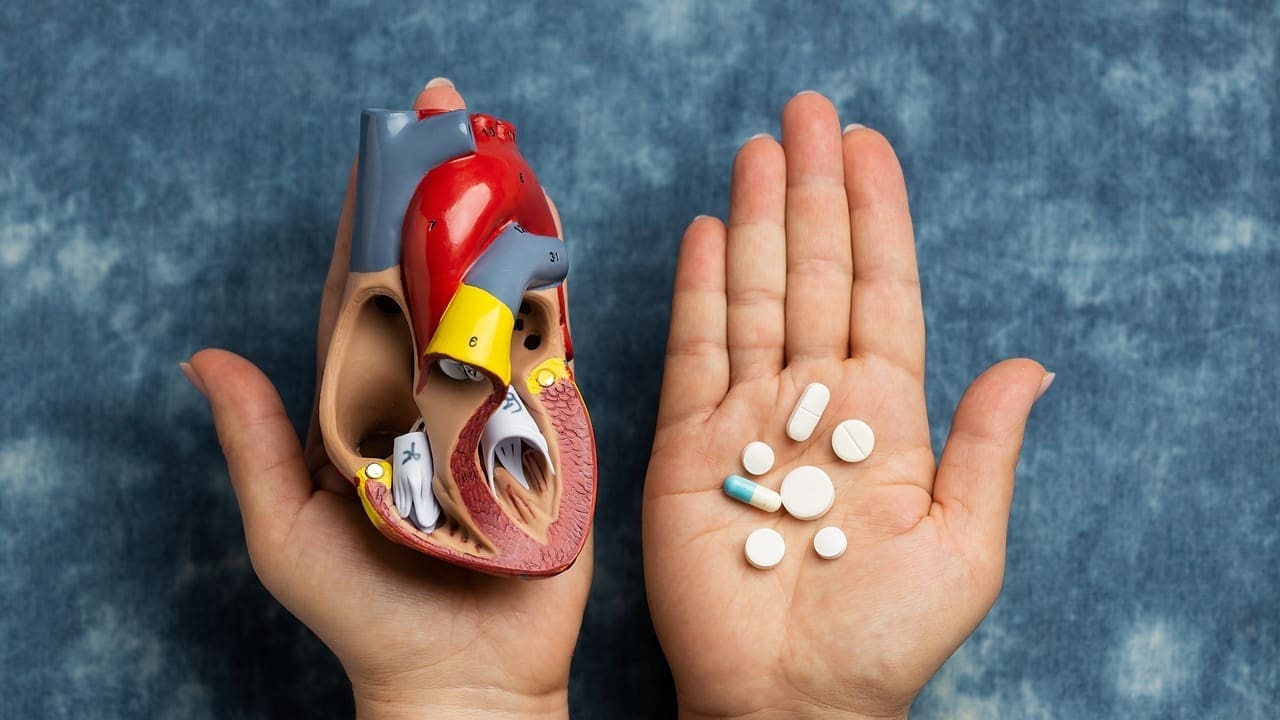
When a heart attack strikes, picking the right pain reliever is critical. At Liv Hospital, we focus on making sure you have the right information. We aim to provide top-notch care and safe pain relief options.
Aspirin is often advised in emergencies because it stops blood clots. Tylenol, on the other hand, is safe for those with heart conditions. Knowing the difference is key to managing pain safely.
Key Takeaways
- Understanding the role of aspirin during a heart attack.
- Recognizing Tylenol as a safe option for cardiovascular patients.
- The importance of distinguishing between pain relievers for heart conditions.
- Guidance on when to use aspirin or Tylenol.
- Expert advice from Liv Hospital’s medical professionals.
The Critical Difference Between Pain Relievers During Cardiac Events
Knowing the difference in pain relievers during a heart attack is key. The right medicine at the right time can greatly change the outcome.
What Happens During a Heart Attack
A heart attack happens when blood flow to the heart is blocked. This blockage damages or kills heart muscle. It’s usually because of plaque in a coronary artery.
The blockage can be complete or partial, and the severity of the heart attack depends on the extent and duration of the blockage.
During a heart attack, the heart muscle lacks oxygen and nutrients. This leads to damage or death of heart cells. Symptoms include chest pain, shortness of breath, nausea, and fatigue.
The severity and presentation can differ from person to person, making it vital to understand the underlying mechanisms.
Why Medication Choice Matters in Emergencies
The choice of pain reliever during a heart attack is critical. Different medicines affect the heart in different ways. For example, aspirin is often recommended because it prevents further clotting.
On the other hand, medicines like ibuprofen (found in Advil) may not be good. They can increase blood pressure and strain the heart.
“Aspirin is generally recommended during a heart attack because of its antiplatelet effects, which can help reduce the severity of the attack.”
While aspirin can be beneficial, others like Tylenol (acetaminophen) don’t directly affect the heart. But they can be used for pain relief under certain conditions. Knowing the difference and when to use each is vital for effective emergency response.
Fact 1: Aspirin or Tylenol for Heart Attack – Which One Saves Lives?
Choosing between aspirin and Tylenol for heart attacks can be life-changing. Aspirin is known for its role in managing heart attacks. But why is it better than Tylenol?
Aspirin’s Anti-Platelet Mechanism Explained
Aspirin’s power in heart attack management comes from its anti-platelet effect. It stops platelets from sticking together by blocking thromboxane A2 production. This action is key in preventing blood clots that can cause heart attacks.
Aspirin’s effect is quick, making it essential in the early stages of a heart attack. Studies show early aspirin use can cut down on deaths and improve outcomes. That’s why guidelines often recommend it unless there’s a reason not to.
Why Tylenol Has No Direct Effect on Heart Attack Outcomes
Tylenol, or acetaminophen, is great for pain and fever but doesn’t affect blood clots. It mainly helps with pain and fever, not heart attack-related issues.
Even though Tylenol is safe for heart patients, aspirin is better for heart attacks. Tylenol is suggested for those who can’t take aspirin due to bleeding or stomach issues. But during a heart attack, aspirin’s clot-preventing power is key.
- Aspirin inhibits platelet aggregation, reducing clot formation.
- Tylenol relieves pain and reduces fever without affecting platelet aggregation.
- Aspirin is recommended during heart attacks unless contraindicated.
In summary, aspirin and Tylenol have different roles in pain relief. But for heart attacks, aspirin’s ability to stop clots is vital. It helps prevent further damage and improves survival chances.
Fact 2: When Aspirin Should Be Avoided Despite Heart Attack Symptoms
Aspirin is often suggested during heart attacks. Yet, there are times when it should not be used. Its ability to prevent blood clots can also raise the risk of bleeding in some people.
Bleeding Risk Factors and Contraindications
Aspirin can be risky for those with bleeding disorders or a high risk of bleeding. Bleeding risk factors include:
- History of gastrointestinal bleeding
- Recent surgery or trauma
- Use of anticoagulant medications
- Known bleeding disorders (e.g., hemophilia)
For those with these risk factors, the danger of aspirin causing or worsening bleeding must be weighed against its benefits during a heart attack.
Medical Conditions That Make Aspirin Dangerous
Certain medical conditions make aspirin risky during a heart attack. These include:
| Condition | Risk Associated with Aspirin |
|---|---|
| Gastrointestinal ulcers | Increased risk of bleeding |
| Aortic dissection | Potential for worsening the condition |
| Bleeding disorders | Exacerbation of bleeding risk |
For patients with these conditions, other treatments might be better. It’s important to remember that aspirin is not a one-size-fits-all solution for heart attack symptoms.
When thinking about aspirin or other medications during a heart attack, knowing the risks and when to avoid them is key. If unsure, getting immediate medical help is always the safest option.
Fact 3: Tylenol’s Safety Profile for Cardiovascular Patients

Tylenol is often seen as a safer choice for pain relief in heart patients. It doesn’t mess with many heart medicines like some other pain relievers do. This makes it a good option for those with heart disease to manage their pain.
Why Acetaminophen Doesn’t Interfere with Heart Medications
Acetaminophen, the main ingredient in Tylenol, works differently than other pain relievers. It doesn’t affect platelets or heart medicines like NSAIDs do. Instead, it changes how the brain feels pain, which is safer for heart patients.
People with heart disease should talk to their doctor before taking Tylenol. Even though it’s safe, taking too much can harm the liver. Always stick to the recommended dose.
“Acetaminophen is generally preferred over NSAIDs for pain relief in patients with cardiovascular disease due to its lower risk of cardiovascular complications.”
Appropriate Uses for Tylenol in Heart Disease Management
Tylenol is good for headaches, muscle pain, and other non-heart-related chest pains. But, if you have chest pain that might be heart-related, get help right away.
| Condition | Tylenol Use | Precautions |
|---|---|---|
| Headaches | Generally safe | Follow recommended dosage |
| Musculoskeletal pain | Generally safe | Consult doctor if persistent |
| Non-cardiac chest pain | May be used | Seek medical evaluation first |
For heart disease patients, finding the right pain relief is key. Tylenol can be a good choice when used right. Always talk to your doctor about the best pain plan for you.
Fact 4: The Hidden Dangers of NSAIDs Like Advil During Cardiac Events
People with heart problems might not know they’re taking a risk with NSAIDs like ibuprofen. These drugs are often used for pain but can be risky during heart issues.
How Ibuprofen Increases Cardiovascular Risk
Ibuprofen, found in Advil, can be risky for the heart in several ways. It can raise blood pressure, which is bad for those with heart problems. It can also interact with other medications for heart disease, making them less effective or causing side effects.
Also, NSAIDs like ibuprofen can worsen heart failure by causing fluid buildup and extra work for the heart. This can make heart function worse and even be deadly.
Dangerous Interactions Between NSAIDs and Heart Medications
NSAIDs can have bad interactions with heart medicines, including:
- Antiplatelet drugs: NSAIDs can undo the work of antiplatelet meds, raising clot risk.
- ACE inhibitors: Mixing NSAIDs with ACE inhibitors can make ACE inhibitors less effective and might harm the kidneys.
- Diuretics: NSAIDs can make diuretics less effective, causing fluid buildup and high blood pressure.
People with heart issues should talk to their doctor before taking NSAIDs like ibuprofen. This is to avoid dangerous side effects from mixing medicines.
Fact 5: Distinguishing Between Cardiac and Non-Cardiac Chest Pain
It’s important to know the difference between heart-related and non-heart-related chest pain. Chest pain can come from many sources, like heart problems or muscle issues. We’ll help you understand the differences and when to use certain medicines.
When Ibuprofen Might Be Appropriate for Musculoskeletal Chest Pain
Musculoskeletal chest pain comes from muscle, bone, or cartilage issues in the chest. Ibuprofen, an NSAID, can help because it reduces inflammation.
If your pain is from costochondritis, an inflammation of the cartilage, ibuprofen can help. But, always check with a doctor first to make sure it’s not a heart problem.
Warning Signs That Require Immediate Medical Attention
Even though ibuprofen works for some chest pain, there are signs that mean you need to see a doctor right away. These include:
- Chest pain that spreads to the arm, neck, or jaw
- Shortness of breath
- Dizziness or feeling lightheaded
- Nausea or vomiting
- Severe pain that doesn’t get better with rest
If you have any of these symptoms, go to the emergency room. Cardiac chest pain is serious and needs quick attention.
| Symptom | Possible Cardiac Cause | Possible Non-Cardiac Cause |
|---|---|---|
| Chest Pain | Heart Attack, Angina | Costochondritis, Muscle Strain |
| Radiating Pain | Heart Attack | Referred Pain from Other Areas |
| Shortness of Breath | Heart Failure, Heart Attack | Pulmonary Issues, Anxiety |
It’s key to figure out if your chest pain is from the heart or not. If you’re not sure, always talk to a doctor for the right diagnosis and treatment.
Fact 6: Creating Your Emergency Heart Attack Action Plan
Having a good emergency plan for heart attacks is key. It helps you act fast and right when a heart attack happens. Knowing what to do can really help.
Essential Medications to Keep Available
Right medications are vital for heart attack symptoms. Aspirin is often first because it stops clots. Always check with your doctor about how much to take.
Doctors might also give you other medicines. These can include:
- Beta-blockers to slow your heart and lower blood pressure
- Nitroglycerin for chest pain relief
- Anti-platelet drugs to stop clots
Keep these medicines where you can get them fast. Make sure everyone in your house knows where they are.
When to Call 911 vs. Self-Administering Medication
It’s important to know when to call 911 or take medicine yourself. If you have heart attack symptoms like chest pain or dizziness, call 911 right away. If your doctor says it’s okay, you can take an aspirin while waiting.
Don’t wait too long to call for help, even if you take medicine. Quick action is key. Here’s what to do:
- If you’re alone, call 911 or your local emergency number first.
- If you’re with someone, have one person call while the other prepares to administer aspirin if advised.
- Stay on the line with the operator and follow any instructions provided.
With a clear plan and knowing about aspirin, you can handle a heart attack better.
Fact 7: Long-Term Pain Management for Heart Disease Patients

Managing pain long-term is key for heart disease patients. After a heart attack, it’s vital to control pain well. This helps improve life quality and keeps patients on their treatment paths. We’ll look at safe pain relief options and why talking to your cardiologist about pain is important.
Safe Daily Pain Relief Options After a Heart Attack
Choosing the right pain meds after a heart attack is critical. Acetaminophen (Tylenol) is often suggested because it’s safe for most heart meds. But, it’s important to stick to the right dose to avoid liver harm.
Safe pain relief tips include:
- Use acetaminophen at the lowest dose needed
- Stay away from NSAIDs like ibuprofen and naproxen unless your cardiologist says it’s okay
- Be careful with aspirin because it can raise bleeding risk with other meds
Discussing Pain Management with Your Cardiologist
Talking openly with your cardiologist about pain is essential. They can guide you through pain relief meds and make sure they fit with your heart health plan. Share any pain issues, current meds, and worries about side effects.
Some questions to ask your cardiologist are:
- What are the safest pain relief options for my specific condition?
- How can I manage side effects of pain meds?
- Are there other pain management strategies I should think about?
By teaming up with your cardiologist, you can create a pain plan that supports your heart health and boosts your well-being.
Conclusion: Making Informed Decisions About Pain Relief During Heart Emergencies
Knowing the difference between aspirin and Tylenol is key when dealing with heart attack pain. We’ve looked at important facts and guidelines to guide you in choosing the right pain relief during heart emergencies.
When deciding between aspirin and Tylenol for a heart attack, remember aspirin’s role. It has anti-platelet properties that can save lives. But, it’s not right for everyone, like those with certain health issues or bleeding risks.
Tylenol, on the other hand, is safer for heart patients. It doesn’t affect heart attack outcomes as much. Always talk to your cardiologist to find the best pain relief plan for you.
Being aware of how to use aspirin or Tylenol for heart attacks helps you protect your heart. It’s important to have a plan for emergencies and know when to call 911 or take medication yourself. This keeps your heart health safe.
FAQ
Can I take Tylenol for chest pain?
Before taking Tylenol for chest pain, know the cause. Tylenol can help with pain but doesn’t fix heart issues. Always talk to a doctor for the right treatment.
Does Tylenol help with heart attack?
Tylenol can ease pain from a heart attack. But, it doesn’t solve the heart problem. Aspirin is better for heart attacks because it stops clots. Call 911 if you think you’re having a heart attack.
Is it safe to take Advil for chest pain?
Don’t take Advil for chest pain without knowing why. Advil can be bad for your heart if you have heart problems. Always check with a doctor before taking any pain meds.
Can I take ibuprofen for chest pain?
Ibuprofen might be okay for muscle pain, but not for heart pain. Talk to a doctor first. They can help decide if it’s safe for you.
Does aspirin help with heart attack?
Aspirin can help during a heart attack by stopping clots. But, it can also increase bleeding risk. Talk to a doctor before taking aspirin.
Should I take Tylenol or aspirin for a heart attack?
Aspirin is often recommended for heart attacks because it stops clots. But, if you have bleeding risks, aspirin might not be best. Always call 911 and follow their advice.
Can Tylenol help with chest pain?
Tylenol can ease pain, including chest pain. But, it doesn’t fix heart problems. Always see a doctor to find out why you have chest pain.
Is Tylenol safe for patients with cardiovascular disease?
Tylenol is usually safe for heart patients because it doesn’t affect heart meds. But, always check with a doctor before taking any meds, even if they seem safe.
What should I do during a heart attack?
If you think you’re having a heart attack, call 911 right away. If told to, take aspirin. Having a plan for heart attacks is very important.
How should I manage pain after a heart attack?
For pain after a heart attack, talk to your cardiologist. They can help find safe ways to manage pain. Your doctor will make sure your pain relief is safe for your heart.