Knowing the chances of success with in vitro fertilization is key for both patients and doctors. The Centers for Disease Control and Prevention (CDC) is important in giving reliable data. They use the National ART Surveillance System (NASS) for this.
The CDC’s NASS gets data from fertility clinics all over the U.S. This gives a full picture of fertility treatments today. By looking at CDC IVF success rates and data for each clinic, patients can make better choices about their treatment.
We know how important IVF success rates by clinic are. They help patients pick the right care for themselves. The CDC’s data is a big help for both patients and doctors.
Key Takeaways
- The CDC’s National ART Surveillance System (NASS) collects data from fertility clinics nationwide.
- Clinic-specific data helps patients make informed decisions about their IVF treatment.
- Understanding IVF success rates is key for patients and healthcare providers.
- The CDC provides detailed data on ART cycles and results.
- Patients can use CDC data to choose the best care for their needs.
The Landscape of Assisted Reproductive Technology in the United States
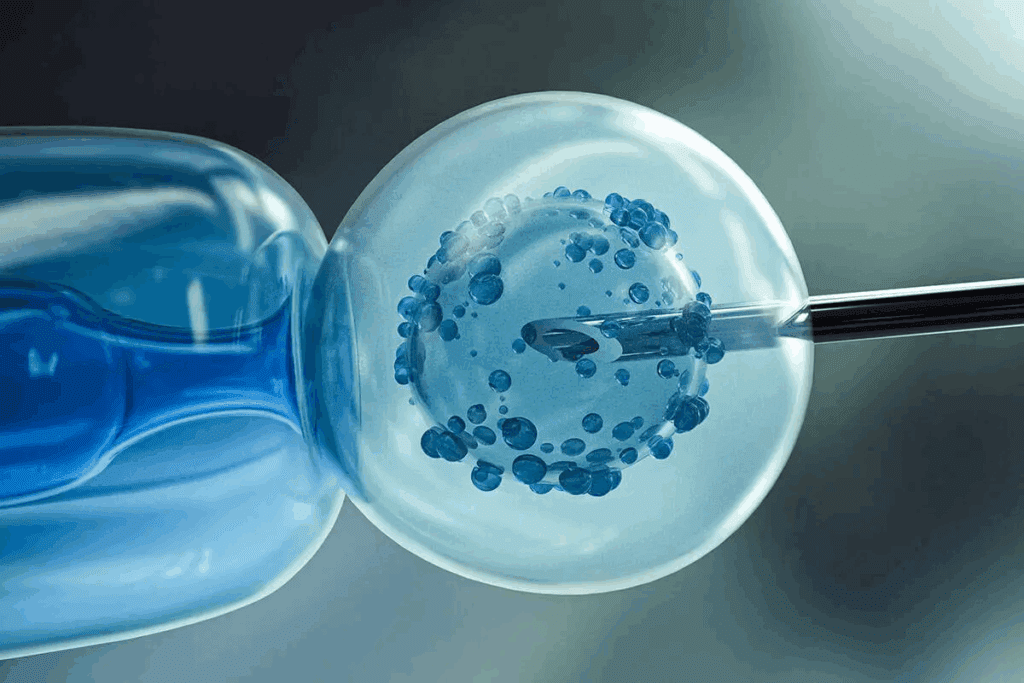
The number of assisted reproductive technology (ART) cycles is increasing. In 2022, there were 435,426 ART cycles done on 251,542 unique patients. This was at 457 reporting U.S. clinics. The results showed 94,039 live-birth deliveries and 98,289 live-born infants. These numbers show how ART is becoming more important for building families.
Current State of Fertility Treatment
The field of fertility treatment is growing fast. The 2022 data shows a lot of ART use across the country. This growth shows more people want fertility services and ART is playing a bigger role in helping them.
Key Statistics for 2022:
| Category | Number |
|---|---|
| ART Cycles Performed | 435,426 |
| Unique Patients Treated | 251,542 |
| Reporting Clinics | 457 |
| Live-Birth Deliveries | 94,039 |
| Live-Born Infants | 98,289 |
The Role of Data in Patient Decision-Making
Data is key for patients deciding on fertility treatment. Knowing success rates and clinic data helps patients choose wisely. The Centers for Disease Control and Prevention (CDC) gathers and analyzes ART cycle data. This gives insights into clinic performance and treatment results.
Looking at CDC data helps patients understand what affects ART success rates. This includes clinic metrics and patient demographics. This info is vital for setting realistic goals and making treatment choices.
The CDC’s National ART Surveillance System (NASS)
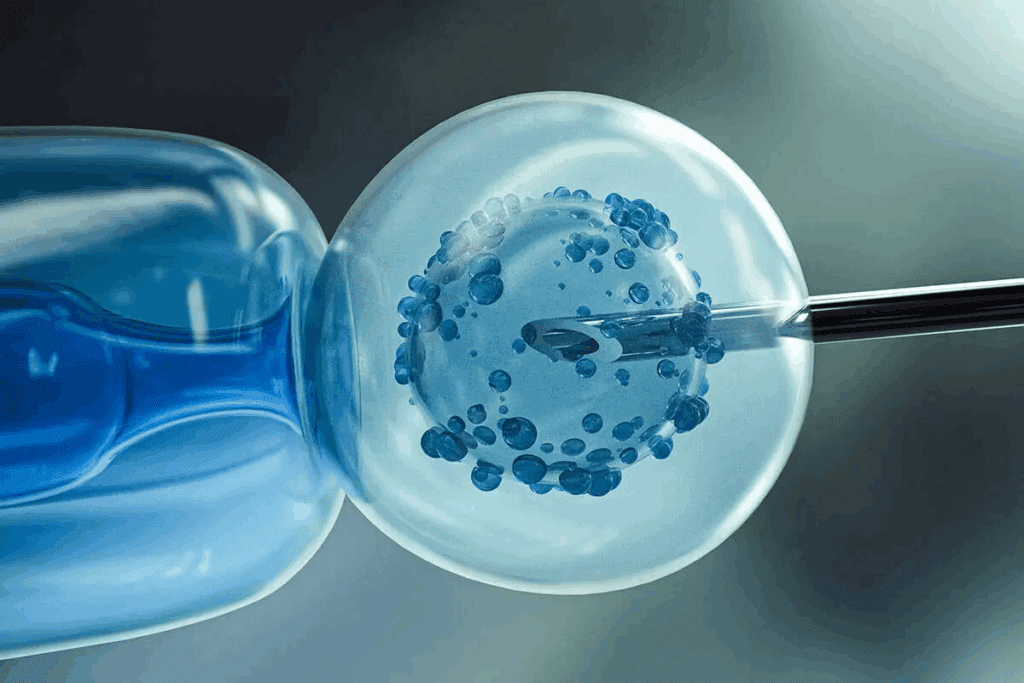
The CDC’s National ART Surveillance System (NASS) collects vital data. It tracks the use and results of assisted reproductive technology (ART) in the U.S. This system is key to understanding fertility treatments nationwide.
Data Collection Methodology
The CDC’s NASS uses a strict data collection method. Fertility clinics in the U.S. must send in data every year. They report on ART cycles, outcomes, and patient details.
They use standardized forms to keep data consistent. The CDC works with clinics to make sure the data is right and complete. This helps in analyzing ART trends and results.
Reporting Requirements for Fertility Clinics
Fertility clinics in the U.S. have to follow specific rules for reporting. They must give detailed info on each ART cycle. This includes the type of procedure, number of embryos, and cycle outcome.
They also report on patient demographics like age, diagnosis, and past treatments. This helps understand what affects ART success rates and spot trends in fertility treatments.
Data Validation Processes
The CDC checks the data carefully to make sure it’s accurate and complete. They verify the data’s consistency from fertility clinics.
The CDC also analyzes the data regularly. They look for any issues or trends that need more study. This ensures the CDC’s NASS gives trustworthy insights into ART.
Comprehensive Assisted Reproductive Technology Statistics
The CDC’s ART statistics help us understand how fertility treatments work. The National ART Surveillance System (NASS) covers 97 to 98% of all ART cycles. This makes it a top source for national data.
2022 ART Cycle Outcomes
The CDC’s latest report on ART statistics gives us insights into 2022’s outcomes. The success of ART cycles varied by the type of procedure and patient details.
Key statistics for 2022 ART cycle outcomes include:
- Percentage of cycles resulting in live births
- Average number of embryos transferred per cycle
- Multiple birth rates
- Cycle cancellation rates
| ART Cycle Outcome | Percentage |
|---|---|
| Cycles resulting in live births | 25.6% |
| Cycles with singleton live births | 18.3% |
| Cycles with multiple live births | 7.3% |
| Cycles cancelled before egg retrieval | 12.1% |
Patient Demographics
Understanding patient demographics is key to analyzing ART success. The CDC’s data shows age, diagnosis, and previous treatments affect success rates.
Considering patient characteristics is vital when choosing treatments and predicting outcomes.
National Impact of ART Births
The CDC’s ART statistics also show the national impact of ART births. In 2022, ART births made up a big part of total U.S. births. This highlights ART’s growing role in family planning.
Key findings on the national impact of ART births include:
- Percentage of total U.S. births attributed to ART
- Regional variations in ART birth rates
- Trends in ART birth rates over time
By looking at these statistics, we can see how ART shapes modern reproductive healthcare. It also shows its role in building families across the U.S.
How to Navigate and Interpret Clinic-Specific Success Rates
Understanding IVF success rates can be tough. But knowing the data from each clinic is key to making smart choices. The Centers for Disease Control and Prevention (CDC) offers detailed data through its National ART Surveillance System (NASS). This helps patients compare fertility clinics well.
Understanding Different Success Metrics
IVF success rates are measured in several ways. These include live birth rates per transfer, pregnancy rates, and cumulative success rates. Live birth rates per transfer are the most reliable because they show the main goal of IVF. But, clinics also report other metrics for a fuller picture of their success.
“The key to understanding IVF success rates lies in comprehending the different metrics used and how they relate to individual circumstances,” says Medical Expert, a fertility specialist. “It’s not just about the overall success rate, but how that rate applies to a patient’s specific age group, diagnosis, and treatment history.”
Standardized Reporting Formats
The CDC requires fertility clinics to report data in a standard way. This makes it easier for patients to compare clinics. The ART Success Rates application from the CDC is a great tool. It shows success rates for all fertility clinics in the U.S.
Red Flags in Clinic Reporting
Even with standard reporting, there are red flags to watch for. Clinics with success rates far from the national average need extra attention. Also, clinics that don’t report all data or have inconsistent reports should raise concerns.
When looking at clinic success rates, consider many factors. Medical Expert, a fertility expert, says, “Patients should look beyond the headline numbers and understand the context behind the data. This includes the clinic’s patient demographics, treatment protocols, and how they handle complex cases.”
By knowing about different success metrics, recognizing standard reporting, and watching for red flags, patients can make better choices. This knowledge is key to understanding IVF success rates.
Critical Factors Influencing IVF Success Rates
The path to successful IVF is complex, with many key factors at play. Knowing these factors is vital for setting realistic hopes and making wise choices.
Maternal Age Considerations
Maternal age greatly affects IVF success rates. As women get older, their eggs’ quality and number drop, lowering IVF success chances. The CDC shows that women under 35 have better IVF success rates than older women.
Here’s a table showing IVF success rates by age group, based on CDC data:
| Age Group | Live Birth Rate per Transfer |
|---|---|
| <35 years | 44.8% |
| 35-37 years | 36.6% |
| 38-40 years | 24.4% |
| 41-42 years | 13.3% |
| 43-44 years | 4.6% |
| >44 years | 1.3% |
Impact of Specific Infertility Diagnoses
The cause of infertility also affects IVF success. Different reasons for infertility lead to different IVF success rates. For example, those with tubal issues tend to have better success than those with endometriosis or unexplained infertility.
Previous Pregnancy and Treatment History
A patient’s past pregnancies and IVF cycles greatly influence future success. Those who have had successful pregnancies or IVF cycles before tend to have higher success rates in future treatments.
Grasping these critical factors and their interactions helps both patients and healthcare providers make better IVF decisions. Using tools like the CDC IVF calculator can offer personalized success rate insights based on individual factors.
Comparing IVF Success Rates by Procedure Type
Different IVF procedures have their own success rates. It’s important to understand these differences to get the best results. Patients and doctors need to know the specifics of each procedure to make good choices.
Fresh vs. Frozen Embryo Transfer Outcomes
The debate on fresh versus frozen embryo transfers is ongoing. The CDC’s data show that frozen embryo transfers often have similar or better success rates than fresh ones. This is because frozen transfers are safer and have better technology.
Frozen embryo transfers are becoming more popular. They are seen as a good option for many people going through IVF.
Donor Egg Success Statistics
Donor egg IVF is a very effective choice. It’s great for women with low egg counts or who have failed IVF before. The CDC says donor egg IVF has some of the highest success rates. This is because egg donors are usually younger.
When thinking about donor egg IVF, it’s important to look at several factors. These include the quality of the donor eggs, the health of the recipient’s uterus, and the clinic’s experience.
Preimplantation Genetic Testing Results
Preimplantation genetic testing (PGT) has changed IVF. It lets doctors check embryos for genetic problems before they’re transferred. PGT can increase success rates, mainly for older patients or those who have had miscarriages.
PGT makes IVF more complex and expensive. But, it’s worth it because it can lead to better success rates and fewer genetic issues.
By comparing IVF success rates, patients and doctors can choose the best treatment. Using tools like the CDC IVF Success Estimator can help make these choices more personal.
Regional and Demographic Variations in Treatment Outcomes
Regional and demographic factors greatly affect the success of Assisted Reproductive Technology (ART) treatments. The Centers for Disease Control and Prevention (CDC) collects data from all clinics. This data helps us understand these differences.
Geographic Success Rate Differences
ART success rates vary across the United States. Access to care, insurance, and patient demographics play a part. States with good insurance for fertility treatments often see better results.
Areas with more fertility clinics tend to have higher success rates. But, this raises questions about fairness in access to care.
Socioeconomic Factors in ART Access and Outcomes
Socioeconomic status affects both access to ART and success rates. Those with more money can afford treatments not covered by insurance. People with less money may face barriers, leading to delayed treatment and lower success.
Socioeconomic disparities in ART outcomes are complex. Education, ethnicity, and age also play a role. For example, older patients or certain ethnic groups may face lower success rates.
Clinic Size and Volume Considerations
Clinic size and volume impact treatment outcomes. Bigger clinics often have more resources, leading to higher success rates. But, smaller clinics can offer personalized care and innovative approaches that also lead to success.
While clinic size and volume matter, they’re not the only factors. Patient selection, treatment protocols, and the medical team’s expertise are also key to success.
Limitations of CDC IVF Statistics and Data
While CDC IVF success rates offer valuable insights, there are key limitations to keep in mind. The Centers for Disease Control and Prevention (CDC) gathers and analyzes ART data through its National ART Surveillance System (NASS). Yet, some issues affect the data’s completeness and accuracy.
Reporting Delays and Data Currency
One major issue is the delay in reporting ART data. It can take one to two years for the data to be reported and shared. For example, the CDC’s 2022 ART cycle outcomes report might not be out until 2024 or later. This delay is important to remember when using CDC IVF success rates for making fertility treatment decisions.
Patient Selection Bias Among Clinics
Another issue is patient selection bias among clinics. Different clinics treat different types of patients and use different treatment methods. This can affect their success rates. When comparing CDC ART statistics, it’s important to consider these differences to avoid misunderstandings.
Metrics Not Captured in Standardized Reporting
The CDC’s standardized reporting for ART data doesn’t cover all important metrics. For instance, some patient characteristics and treatment details might not be included. The IVF Success Estimator, a tool provided by the CDC, also has its own limitations. It can only estimate success based on specific height and weight ranges. Knowing these limitations is important when using CDC IVF success rates to estimate personal success chances.
It’s vital for patients, healthcare providers, and researchers to understand these limitations when looking at CDC IVF success rates and ART statistics. By recognizing these constraints, we can make better decisions and push for better fertility treatment reporting and analysis.
Using CDC Tools to Estimate Personal Success Probability
The Centers for Disease Control and Prevention (CDC) offers a tool to estimate IVF success rates. This tool helps prospective parents make informed decisions about fertility treatments.
The CDC IVF Success Estimator
The CDC IVF Success Estimator is an online tool. It estimates the chance of having a live birth with IVF, based on your specific factors. It considers age, diagnosis, and previous treatments to give a personalized success probability.
To get the most from the estimator, know it’s based on national averages and data from many fertility clinics in the U.S. The tool’s accuracy depends on the quality of the data it uses.
Inputting Personal Factors
When using the CDC IVF Success Estimator, you’ll need to input several personal factors. These include:
- Age: A key factor, as age affects egg quality and IVF success.
- Infertility diagnosis: Different diagnoses can impact treatment outcomes.
- Previous IVF attempts: History of previous IVF cycles and their outcomes.
- Other relevant medical history: Certain medical conditions can impact IVF success.
Entering these factors accurately will help ensure the estimated success probability is as personalized and accurate as possible.
Interpreting Probability Results
After inputting your personal factors, the CDC IVF Success Estimator will give you a probability of success. It’s important to remember this is an estimate based on statistical models and national averages.
When looking at the results, keep in mind:
- The estimate is based on large datasets and should be used as a guide, not a guarantee.
- Individual results can vary significantly from the estimated probability.
- Talk to your fertility specialist about your specific situation and the estimator’s results for a more detailed understanding.
By using the CDC IVF Success Estimator and understanding its outputs, prospective IVF patients can gain valuable insights. This helps them make more informed decisions about their fertility treatment journey.
Top-Performing IVF Clinics in the United States
The United States has many top IVF clinics. Each clinic has its own strengths and success stories. Knowing about these clinics can help you make a better choice for your IVF treatment.
Success Rate Leaders by Region
The CDC’s National ART Surveillance System (NASS) tracks IVF success rates. This data shows which regions lead in success. For example, West Coast clinics, like those in California, often have high success rates. This is because they use the latest technology and have experienced doctors.
“The West Coast is a leader in IVF innovation,” says Medical Expert, a top fertility expert. “Their mix of advanced technology and personal care sets a high standard.”
Clinics Specializing in Challenging Cases
Some IVF clinics are known for handling tough cases. These clinics have special programs and staff for patients with advanced maternal age or complex fertility issues. This expertise can greatly improve success rates for these patients.
- Clinics with specialized programs for older mothers
- Centers with advanced genetic testing capabilities
- Facilities experienced in dealing with rare fertility conditions
Balancing Success Rates with Multiple Birth Prevention
High success rates are important, but preventing multiple births is also key. Multiple births can be risky for both mothers and babies. Top clinics aim for high pregnancy rates while keeping the risk of multiples low. They do this by using single embryo transfer (SET).
Best practices in IVF treatment include:
- Personalized treatment plans tailored to individual patient needs
- Elective single embryo transfer (eSET) to reduce multiple birth rates
- Advanced laboratory techniques to improve embryo selection
When choosing an IVF clinic, consider these factors. The CDC’s ART Success Rates application is a great tool. It shows clinic-specific success rates and helps you understand the differences between clinics.
In summary, top IVF clinics in the United States are not just about success rates. Their expertise, focus on challenging cases, and efforts to prevent multiple births also matter. These factors all contribute to a clinic’s excellence.
Conclusion: Leveraging CDC Statistics for Informed Fertility Treatment Decisions
It’s key to know about assisted reproductive technology stats for those looking into fertility treatments. The CDC’s National ART Surveillance System gives detailed data on IVF success rates. This helps patients make smart choices about their care.
Looking at CDC IVF success rates and fertility clinic success rates helps patients understand what affects treatment results. This knowledge lets them make informed decisions. They can think about the success rates of specific clinics and how patient demographics play a role.
Using these stats, patients and healthcare providers can create treatment plans that fit each person’s needs. This approach can boost the chances of successful fertility treatments. It helps individuals and families reach their reproductive goals.
FAQ
What is the CDC’s role in tracking IVF success rates?
The Centers for Disease Control and Prevention (CDC) tracks IVF success rates. They do this through the National ART Surveillance System (NASS). This system collects data on IVF cycles and outcomes across the U.S.
How do fertility clinics report data to the CDC?
Fertility clinics must report their ART cycle data to the CDC every year. They share details on cycle outcomes, patient demographics, and treatment. The CDC then validates and analyzes this data to provide national IVF success rates.
What factors influence IVF success rates?
Several factors affect IVF success rates. These include the mother’s age, specific infertility issues, and previous treatment history. The type of ART procedure used also plays a role, like fresh or frozen embryo transfer.
How can I use CDC IVF statistics to choose a fertility clinic?
CDC IVF statistics help you compare different fertility clinics. They show how success rates vary. This information helps you choose a clinic based on success rates and patient demographics.
What is the CDC IVF Success Estimator, and how does it work?
The CDC IVF Success Estimator is a tool for patients. It lets you input your personal factors, like age and infertility diagnosis. It then estimates your success chances with IVF, using national averages and clinic data.
How do regional and demographic variations affect IVF success rates?
IVF success rates differ by region and patient demographics. Factors like location, socioeconomic status, and clinic size influence outcomes. Understanding these variations helps patients make better decisions.
What are the limitations of CDC IVF statistics?
CDC IVF statistics are valuable but have limitations. They include reporting delays and patient selection bias. Also, not all metrics are captured in standardized reporting. These should be considered when looking at the data.
How can I access CDC IVF statistics and data?
The CDC makes IVF statistics and data available online. You can find the National ART Surveillance System (NASS) data, clinic-specific success rates, and the IVF Success Estimator tool. This information helps inform fertility treatment decisions.
What are the benefits of using frozen embryo transfer compared to fresh embryo transfer?
Frozen embryo transfer often has similar or higher success rates than fresh transfer. It allows for better timing between the embryo and the uterus. This might improve implantation rates.
How do top-performing IVF clinics achieve high success rates?
Top IVF clinics achieve success through several factors. They use advanced technology and have experienced clinicians. They also focus on quality control and tailored treatment plans. Patient selection and counseling are key, along with efforts to avoid multiple births.
References
World Health Organization. IVF Success Rates: CDC Data and Clinic Statistics. Retrieved from https://www.who.int/news-room/fact-sheets/detail/infertility