

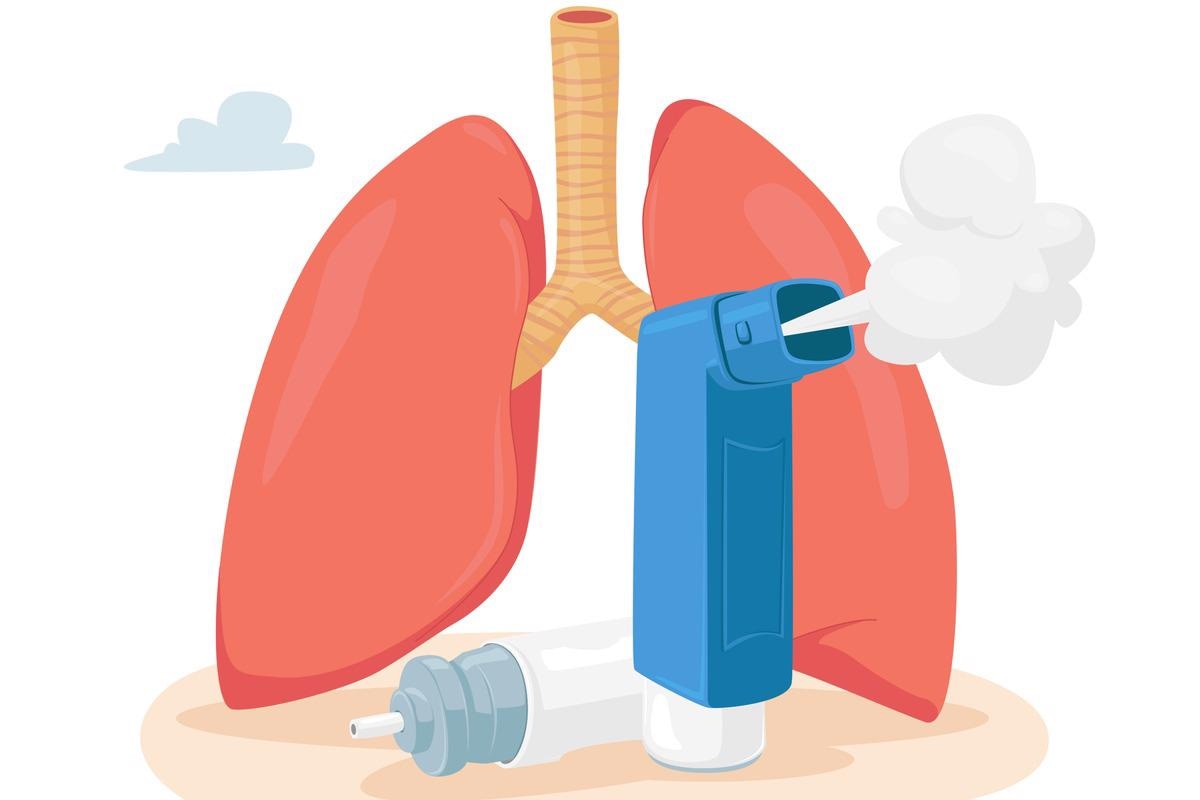
Understanding asthma pathophysiology is key to effective care. Asthma is a chronic condition that affects the airways. It involves complex interactions between airflow issues, bronchial sensitivity, and inflammation.
Asthma makes airways swell, narrow, and fill with mucus. This leads to symptoms like chest tightness, cough, and wheezing. The root causes include inflammation, bronchoconstriction, and airway remodeling.
At Liv Hospital, we use the latest research and patient-focused care. We aim to tackle both immediate airway blockages and long-term inflammation.

Asthma is a complex condition that affects the airways. It is marked by chronic inflammation, airway hyperresponsiveness, and variable airflow obstruction.
Asthma is known for chronic airway inflammation and sensitivity to various stimuli. It also causes structural changes in the airway wall, known as airway remodeling. Chronic inflammation leads to symptoms like wheezing, shortness of breath, and coughing.
These symptoms can change in severity and frequency. They often get worse at night or with triggers like allergens or exercise. The airways’ increased sensitivity, or airway hyperresponsiveness, causes them to constrict.
Asthma impacts a large part of the global population. It affects about 235 million people worldwide and 25 million in the United States. The global prevalence is around 4%.
|
Region |
Prevalence |
|---|---|
|
Global |
4% |
|
United States (Adults) |
8-9% |
|
United States (Children) |
6-7% |
The CDC reports that asthma affects 8% to 9% of U.S. adults and 6% to 7% of children under 18. These numbers show the big impact of asthma worldwide. They also stress the need for more research into its causes and treatment.
Seeing asthma as a chronic inflammatory disorder is key to finding better treatments. Knowing its main features and how common it is helps us meet the needs of those with asthma.

Grasping the fundamental triad of asthma pathophysiology is key. Asthma comes from chronic inflammation in the lower airways. This can be caused by genetics, environment, or microbes.
The interactions between these three parts lead to asthma symptoms. We’ll look at the main elements: airflow obstruction, bronchial hyperresponsiveness, and inflammation.
Airflow blockage in asthma is due to inflammation, muscle tightening, and excess mucus. Inflammation narrows airways with eosinophils, neutrophils, and T-cells. Muscle tightening is caused by histamine and leukotrienes.
This blockage is a key asthma symptom, causing wheezing, shortness of breath, and tightness. Knowing these mechanisms helps in finding treatments.
Bronchial hyperresponsiveness means airways react too strongly to stimuli. This is a main asthma feature, making symptoms vary.
Things that make airways too sensitive include inflammation, airway changes, and neural factors. Knowing these helps manage asthma better.
In asthma, inflammation involves many cell types like eosinophils, neutrophils, T-cells, and mast cells. These cells release substances that keep inflammation going.
It’s important to understand how inflammation works in asthma. This helps in finding treatments that can control the immune system and lessen symptoms.
Asthma is marked by ongoing inflammation in the airways. This involves many cell types and substances. This inflammation causes airway damage, makes airways more sensitive, and changes their structure. These changes worsen asthma symptoms and severity.
Inflammatory cells like eosinophils, neutrophils, and T-cells are key in asthma. Eosinophils, for example, are often found in asthma patients’ airways. They release substances that add to the inflammation. Neutrophils are more active in severe or hard-to-treat asthma. T-cells, mainly Th2 cells, lead the inflammation by making cytokines. These cytokines help in eosinophilic inflammation and airway sensitivity.
These cells moving into the airway walls and lumen narrows the airways. This is a big part of why asthma gets worse. Knowing how these cells work is vital for making treatments that really help.
Mediators like histamine, leukotrienes, and cytokines are important in asthma’s inflammation. Histamine makes muscles tighten and increases mucus. Leukotrienes are strong bronchoconstrictors that also cause inflammation. Cytokines, like IL-4, IL-5, and IL-13, help eosinophils grow and survive. They also help make IgE antibodies, key in allergic reactions in asthma.
The mix of these mediators and cytokines leads to asthma’s chronic inflammation. By understanding this, we can explain asthma better. We can then create treatments that target specific parts of the disease.
In asthma, the airways narrow because of smooth muscle contraction. This happens when various inflammatory mediators trigger it. It’s key to understanding asthma because it affects how airways work and symptoms.
The contraction of smooth muscle in asthma is complex. Smooth muscle cells in airway walls contract when certain mediators stimulate them. This leads to airway narrowing, a major part of bronchoconstriction in asthma.
“The role of smooth muscle in asthma is not just as a contractile element, but also as a source of inflammatory mediators and growth factors that contribute to airway remodeling,” as noted in recent studies on asthma pathophysiology.
Several key mediators trigger smooth muscle contraction and bronchoconstriction. These include histamine, leukotrienes, and other pro-inflammatory cytokines. Knowing these mediators is key for making targeted therapies.
Understanding bronchoconstriction and its mediators helps us grasp asthma’s complexities. It also helps us develop better treatments.
Chronic asthma involves airway remodeling, a complex process. It includes many structural changes. These changes make asthma symptoms last longer and can cause chronic airflow problems.
Mucus hypersecretion is a key feature of chronic asthma. It happens because of more goblet cells and submucosal glands. This leads to too much mucus, blocking airflow and causing asthma symptoms.
Smooth muscle hypertrophy and hyperplasia are important in airway remodeling. They increase airway smooth muscle, making it easier to constrict. This limits airflow, a major part of asthma’s pathophysiology.
Subepithelial fibrosis is another part of airway remodeling. It’s when collagen and other proteins build up under the epithelial layer. This makes the airway wall thicker, limiting airflow and making asthma chronic.
Long-term changes in chronic asthma include mucus hypersecretion, smooth muscle hypertrophy, and subepithelial fibrosis. Other changes like epithelial damage and angiogenesis also happen. These changes make asthma’s pathophysiology complex, making it hard to manage.
Understanding airway remodeling in chronic asthma is key to better management. By focusing on different parts of remodeling, we can help asthma patients more.
Acute asthma exacerbations start suddenly and involve complex biological processes. These episodes happen when asthma symptoms get worse than usual. They often need a change in treatment.
Many things can trigger acute asthma exacerbations. These include allergens, respiratory infections, and air pollutants. These triggers cause inflammation and make airways constrict, typical of asthma exacerbations.
IgE-dependent mast cell activation is key in acute asthma exacerbations. When an allergen binds to IgE on mast cells, it releases histamine and other mediators. This leads to quick bronchoconstriction.
The pathophysiology of acute asthma exacerbations includes a biphasic response. The first response happens within minutes of exposure to a trigger. It’s characterized by quick bronchoconstriction due to mediators from mast cells.
The late-phase response occurs 3-12 hours later. It involves the recruitment of inflammatory cells and more airway inflammation.
Understanding this biphasic response is key to managing acute asthma exacerbations. It helps guide treatment strategies for both immediate and delayed components of the exacerbation.
Recent studies show how important the immune system is in asthma. IgE antibodies and T-helper cells play big roles. The immune system’s actions help asthma grow and get worse.
IgE antibodies are key in asthma’s allergic reactions. They stick to mast cells and basophils. When an allergen is found, they release histamine and other substances.
This causes airways to tighten, mucus to form, and inflammation. Research on IgE is ongoing, with new treatments aiming to lessen symptoms and improve life for asthma patients.
T-helper (Th) cells, mainly Th2 cells, are vital in asthma’s development. They make cytokines like IL-4, IL-5, and IL-13. These cytokines lead to more eosinophils, more IgE, and airways that react too much.
The balance between Th cell types, like Th1 and Th17, also affects how severe asthma gets.
Cytokines are key in asthma’s inflammation. Th2 cytokines and others like IL-33 and TSLP create complex networks. Understanding these networks is key to making treatments that can change the immune response and help control asthma.
Research has found two types of asthma: type 2-high and type 2-low. Type 2-high has eosinophilic inflammation, while type 2-low has neutrophilic inflammation or doesn’t respond to steroids. This shows asthma is not one thing but many, needing treatments that fit each person’s inflammation.
Asthma is now seen as a diverse disease, with different types based on how it works. This new way of looking at asthma has helped doctors treat it better.
Type 2-high asthma has a lot of eosinophils, which means it’s often linked to allergies. It usually gets better with corticosteroids.
Key Features of Type 2-High Asthma:
Type 2-low asthma, on the other hand, has more neutrophils or doesn’t respond well to corticosteroids. This makes it harder to manage.
Characteristics of Type 2-Low Asthma:
|
Feature |
Description |
|---|---|
|
Neutrophilic Inflammation |
Predominance of neutrophils in airway inflammation |
|
Corticosteroid Resistance |
Poor response to standard corticosteroid treatment |
|
Non-Allergic Triggers |
Triggers not related to allergic responses |
Knowing about these different types of asthma is key to better treatment. Doctors can now tailor care to fit each patient’s needs.
Genetic and environmental factors work together to shape asthma. Asthma is a complex disorder. It’s not caused by one thing but by many factors.
Genetics play a big role in asthma. Many genes are linked to asthma, affecting airway inflammation and more. For example, genes for cytokines like IL-4 and IL-13 increase asthma risk.
|
Gene |
Function |
Association with Asthma |
|---|---|---|
|
IL4 |
Cytokine involved in IgE production |
Increased expression in asthma |
|
IL13 |
Cytokine involved in airway inflammation and hyperresponsiveness |
Polymorphisms associated with asthma severity |
|
CD14 |
Receptor involved in innate immunity |
Variations associated with asthma risk |
Environmental triggers can start or make asthma worse. Common ones include allergens, air pollutants, infections, and tobacco smoke. These can cause inflammation and make airways more sensitive.
Genetics and environment together affect asthma risk. For example, someone with a genetic risk may get asthma from certain triggers. Knowing this helps in making better prevention and treatment plans.
Asthma is a complex disease. Its management needs to consider genetics and environment. By understanding these interactions, we can improve asthma diagnosis and treatment, leading to better patient outcomes.
Managing asthma well needs a deep grasp of its pathophysiology. This knowledge is key for creating effective diagnostic and treatment plans. We’ll see how knowing about asthma’s pathophysiology affects how doctors work, from diagnosing to treating and more.
Diagnosing asthma mixes clinical checks with objective tests. Knowing asthma’s pathophysiology helps doctors pick the best tests. For example, spirometry is used to check airflow, a key asthma sign. Also, tests for how sensitive the airways are and markers of inflammation give clues about asthma’s severity and type.
Not all asthma is the same, so not all tests are the same. For allergic asthma, tests for allergens are key. But for severe asthma, more detailed tests like impulse oscillometry or exhaled nitric oxide measurements might be needed.
|
Diagnostic Tool |
Pathophysiological Basis |
Clinical Application |
|---|---|---|
|
Spirometry |
Measures airflow limitation |
Assesses asthma severity and response to treatment |
|
Bronchial Challenge Testing |
Assesses bronchial hyperresponsiveness |
Diagnoses asthma in patients with normal spirometry |
|
Exhaled Nitric Oxide |
Measures airway inflammation |
Guides inhaled corticosteroid therapy |
Treatments for asthma have changed a lot with our growing understanding of it. Targeted treatments aim to fix specific parts of the disease. For example, inhaled corticosteroids (ICS) are a mainstay, fighting inflammation. For severe asthma, other treatments like long-acting beta-agonists (LABAs) or biologics can be very effective.
Knowing the different types of asthma is key to choosing the right treatment. For example, those with type 2-high asthma often do well with ICS and biologics like anti-IL-4/13. But those with type 2-low asthma might need different treatments.
Asthma management is moving towards precision medicine. This means treatments are made just for each person based on their disease. New ways include using biomarkers to guess how well treatments will work and making new biologics for specific parts of the disease.
Omics technologies like transcriptomics and proteomics are being used to find new biomarkers and treatments. Also, machine learning is being explored to make treatment plans more personal. This could lead to better care for patients.
As we learn more about asthma, we’ll see better treatments. Precision medicine could make a big difference by giving patients treatments that really work for them.
Asthma is a long-term condition that affects the airways. It involves complex interactions between airflow blockage, sensitive airways, and inflammation. Knowing how asthma works is key to managing it well.
The causes of asthma include inflammation, airway tightening, and changes in the airways. Inflammatory cells and substances are important in asthma symptoms. Symptoms like wheezing, coughing, and breathing trouble come from airway sensitivity and blockage.
To understand asthma, we must look at genetics, environment, and immune responses. Knowing asthma’s complexities helps doctors create better treatment plans. This improves how well patients do.
In short, asthma is a complex condition needing a detailed approach to diagnosis and treatment. By understanding asthma’s mechanisms, we can better manage it. This improves life quality for those with asthma.
Asthma is a long-term inflammation of the airways. It involves complex interactions like airflow blockage, hyperresponsiveness, and inflammation. These mechanisms include inflammation, bronchoconstriction, and airway remodeling.
Asthma’s main features are airway inflammation, hyperresponsiveness, and remodeling. These traits cause asthma symptoms and ongoing airflow blockage.
Inflammation is key in asthma, with eosinophils, neutrophils, and T-cells entering the airways. Inflammatory mediators and cytokines cause chronic inflammation, airway damage, and hyperresponsiveness.
Bronchoconstriction is vital in asthma, happening when smooth muscle contracts due to histamine and leukotrienes. This causes airway narrowing, leading to symptoms and airflow blockage.
Airway remodeling is long-term structural changes in chronic asthma. It includes mucus hypersecretion, smooth muscle growth, and subepithelial fibrosis. These changes make asthma symptoms last longer and worsen airflow obstruction.
Various factors can trigger acute asthma attacks, like allergens, infections, and pollutants. IgE-dependent mast cell activation is key in the allergic response, causing acute episodes.
IgE antibodies are vital in the allergic response, binding to mast cells and releasing inflammatory mediators. This leads to asthma symptoms and worsens acute attacks.
Type 2-high asthma has high type 2 inflammation, with eosinophils and other cells. Type 2-low asthma has a different inflammation profile, often with neutrophils. Knowing these types helps in creating targeted treatments.
Genetic factors, environmental triggers, and their interactions all affect asthma. Understanding these is key for effective management and better patient outcomes.
Knowing asthma’s pathophysiology is vital for better diagnosis, treatment, and precision medicine. This knowledge helps healthcare providers target specific pathways for better patient care.
National Center for Biotechnology Information. Asthma Pathophysiology: Airflow, Bronchial Sensitivity, and Inflammation. Retrieved from https://www.ncbi.nlm.nih.gov/pmc/articles/PMC6227754/
