Last Updated on December 2, 2025 by Bilal Hasdemir
As men age, their bodies go through changes. These include a drop in testosterone levels. Many wonder at what age does a man stop ejaculating, as this can affect sexual performance, libido, and overall health.
The question of when men stop ejaculating is complex. It depends on their health and lifestyle.
Studies show that healthy men can keep ejaculating well into old age. But, the frequency, semen volume, and sperm quality usually go down with age. We’ll look into the biology of male ejaculation and how it changes with age. This will give us a better understanding of men’s health.
Key Takeaways
- Men’s ability to ejaculate can be maintained into old age.
- Testosterone levels decline with age, affecting reproductive health.
- Semen volume and sperm quality decrease as men age.
- Overall health and lifestyle influence ejaculatory ability.
- Age-related changes can impact sexual performance and libido.
The Biology of Male Ejaculation
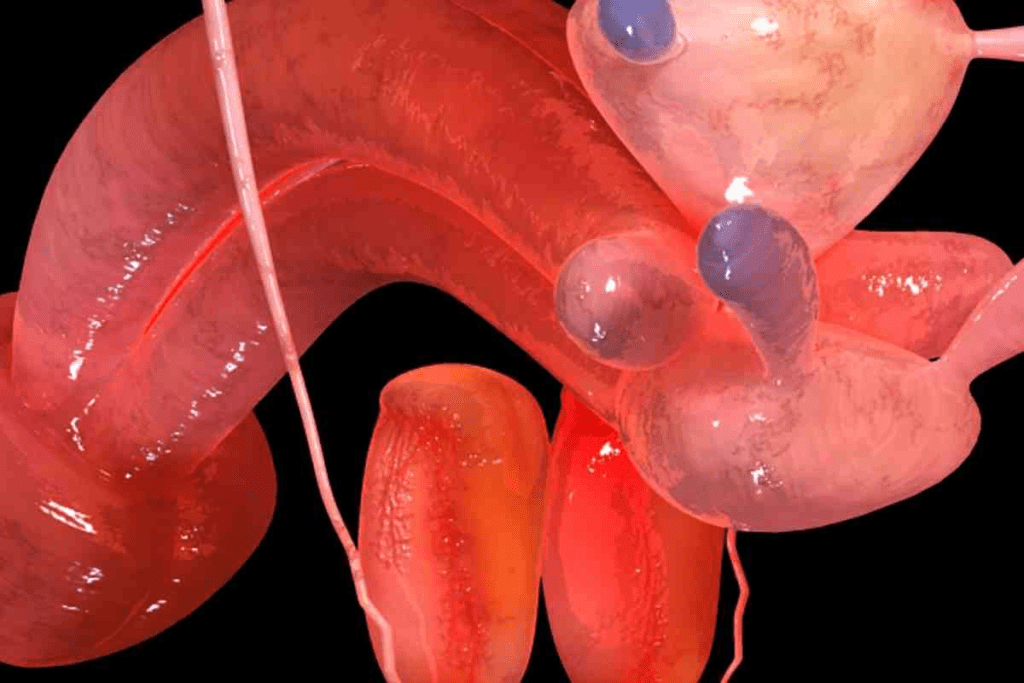
The biology of male ejaculation is complex. It involves many parts of the male reproductive system. Ejaculation is when semen is released, playing a key role in fertility.
How the Ejaculation Process Works
Ejaculation is a synchronized process. It involves the release of semen, which includes sperm and other fluids. The process starts with penis stimulation, sending signals to the brain and spinal cord.
This stimulation causes muscles in the pelvic area to contract. This leads to the expulsion of semen. The ejaculatory process has two phases: emission and expulsion. During emission, semen is formed by sperm and fluids from the seminal vesicles and prostate gland. In the expulsion phase, semen is forcefully ejected through the urethra and out of the body.
What Age Do Guys Start Producing Sperm?
Sperm production starts during puberty, around 12 to 14 years old. This is triggered by increased testosterone levels. Sperm production continues throughout a man’s life, with changes in quality and quantity over time.
As boys enter puberty, their testes mature, and sperm production begins. By late puberty, most boys can produce viable sperm. For more information on sperm production changes, visit this resource.
Normal Ejaculation Patterns Throughout Life
Ejaculation patterns change throughout a man’s life. During puberty, ejaculation happens more often due to high testosterone levels. As men age, ejaculation frequency and semen volume may decrease.
It’s important to know that changes in ejaculation patterns are normal. They can be influenced by health, lifestyle, and age. For example, older men may experience changes in their ejaculatory function. But this doesn’t mean they stop ejaculating completely.
At What Age Does a Man Stop Ejaculating? The Truth About Aging
Many think there’s a certain age when men stop ejaculating. They believe there’s a specific age limit. But, the truth is more complex.
The Myth of a Specific “Cutoff Age”
There’s no scientific proof for a specific age when men stop ejaculating. Ejaculation depends on health, lifestyle, and age. Aging does affect reproductive health, but it’s not a sudden stop.
Research shows many men can ejaculate well into old age. Health, chronic conditions, and lifestyle choices affect how well older men ejaculate.
Research on Ejaculation in Elderly Men
Studies reveal elderly men can ejaculate, but it might not be as often or as good quality. Aging changes the reproductive system, including semen quality and how often men ejaculate. But, it doesn’t mean they stop ejaculating completely.
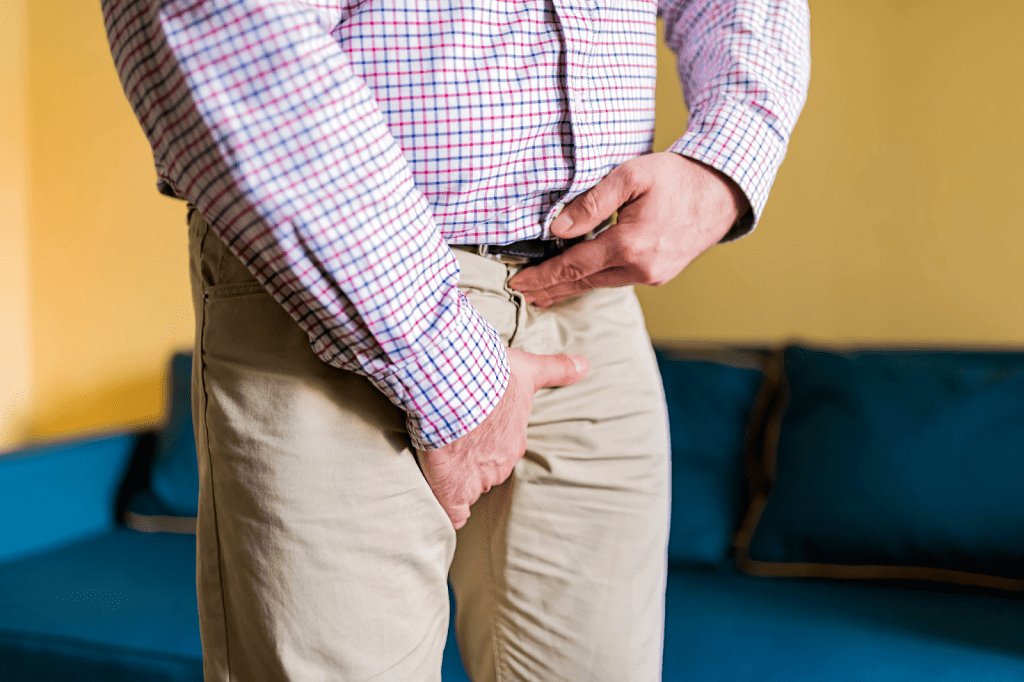
Statistical Findings on Ejaculatory Function by Age
Research on ejaculatory function by age offers insights into aging trends. It shows a decline in how often and well men ejaculate with age. Yet, many men can ejaculate into their 70s, 80s, and beyond.
- One study found that a significant percentage of men in their 70s and 80s were able to ejaculate.
- The frequency of ejaculation may decrease with age, but this varies widely among individuals.
- Health conditions and lifestyle factors significantly influence ejaculatory function in older age.
These findings show aging and ejaculatory function are complex. They highlight that there’s no single age when men stop ejaculating.
Measurable Changes in Male Ejaculation Over Time
As men age, their ability to ejaculate changes a lot. These changes can affect how much semen they produce and its quality. This can impact their fertility and overall sexual health.
Decrease in Semen Volume with Age
One key change is a drop in semen volume. Studies show that as men get older, they produce less semen. This can happen due to hormonal changes and the aging of the reproductive system.
“The decline in semen volume is a natural part of aging, but it’s essential to understand that it’s not the only factor affecting male fertility.”
Reduction in Sperm Motility and Morphology
Aging also affects how well sperm move and their shape. Sperm motility is how well they can swim through the female reproductive tract. Morphology is about their size and shape. As men age, both motility and morphology decline, which can hurt fertility.
“Advanced paternal age is associated with decreased sperm quality, which can lead to difficulties in conceiving.”
How Long Can a Male Go Without Ejaculating?
How often a man ejaculates varies a lot. There’s no single answer to how long a man can go without ejaculating. Age, sexual activity, and health all play a part.
Going too long without ejaculating can cause issues like epididymal hypertension or discomfort. But, the body can handle infrequent ejaculation well. Issues are rare just because of not ejaculating for a long time.
Understanding these changes is key for men’s health and planning for fertility.
Health Conditions That Affect Ejaculation in Aging Men
As men age, health issues can change how they ejaculate. These changes can affect their sexual health. We’ll look at key health conditions that impact ejaculation in older men.
Prostate Issues and Their Impact on Ejaculation
Prostate problems are common in older men and can affect ejaculation. Issues like benign prostatic hyperplasia (BPH) and prostate cancer can make it hard to ejaculate. Treatments, like surgery and radiation, can also affect how men ejaculate.
For example, a prostatectomy might cause a dry orgasm. This means a man can have an orgasm but won’t ejaculate.
Cardiovascular Conditions Affecting Sexual Function
Heart diseases, like atherosclerosis and hypertension, can reduce blood flow to the penis. This can lead to erectile dysfunction and affect ejaculation. While the exact link is being studied, good vascular health is key for male sexual function.
Neurological Disorders and Ejaculatory Problems
Conditions like diabetes, Parkinson’s disease, and multiple sclerosis can harm nerves controlling ejaculation. This nerve damage can cause delayed or absent ejaculation. It’s important to manage these conditions well to keep sexual health intact.
Medication Side Effects Causing Difficulty Ejaculating
Some medications, like antidepressants, antipsychotics, and blood pressure medications, can cause ejaculation problems. The effect on ejaculation varies from person to person. If you’re having trouble ejaculating, talk to your doctor. They might be able to change your medication to help.
It’s vital for older men to talk to their doctor if they notice changes in ejaculation. Understanding and addressing the causes can help maintain sexual health as men age.
Maintaining Ejaculatory Function as You Age
Aging changes how men ejaculate. We’ll look at what affects this and how to keep it healthy.
Lifestyle Factors That Support Sexual Health
Living healthy is key for men as they age. Diet, exercise, and managing stress are important. Eating well and exercising can boost health and sex life.
Stress can hurt sex health. Ways to reduce stress, like meditation, can help.
Medical Interventions for Ejaculatory Dysfunction
When lifestyle changes don’t work, medical help might be needed. We’ll talk about treatments for ejaculation issues.
Prostate problems might need medication or surgery. Neurological issues might need special therapies or drugs.
Psychological Aspects of Ejaculation Changes
Changes in ejaculation can affect the mind. Men might feel anxiety or depression. It’s important to talk to a therapist.
Talking to a doctor or therapist can help men understand and solve their problems. Support from loved ones or groups is also key.
When to Seek Professional Help for Ejaculation Issues
Men should know when to get help for ejaculation problems. If issues last or get worse, see a doctor.
A doctor can find the cause and suggest treatments. Early action can improve health and sex life.
Conclusion
As men get older, changes in how they ejaculate are normal. We’ve looked at how age affects a man’s ability to ejaculate. It’s clear that while there’s no exact age when men stop ejaculating, many factors play a role.
The ability to ejaculate depends on age, health, and lifestyle. As men age, their sex drive and how often they ejaculate go down. Testosterone, which helps with ejaculation, also decreases with age. For more on this, check out Tenga’s blog on sex education.
Keeping a healthy lifestyle, like eating well and exercising, helps with sexual health as men age. It’s also key for men to know about health issues that can affect ejaculation. By understanding these changes and taking action, men can keep their sexual health strong throughout their lives.
FAQ
At what age do men stop ejaculating?
Men don’t stop ejaculating at a certain age. Aging can slow down ejaculation, but many men keep ejaculating well into their older years.
At what age do guys start producing sperm?
Boys start making sperm during puberty, usually between 12 to 14 years old. This is part of their growth into adults.
How long can a male go without ejaculating?
There’s no limit to how long a man can go without ejaculating. How often a man ejaculates varies. It depends on age, health, and how sexually active they are sexually.
At what age do men stop producing sperm?
Men don’t stop making sperm at a specific age. But the quality and amount of sperm do decrease as they get older.
Why is there a decrease in semen volume with age?
Several reasons cause semen volume to decrease with age. Changes in the prostate gland and other parts of the reproductive system play a role.
What health conditions can affect ejaculation in aging men?
Health issues like prostate problems, heart disease, and neurological disorders can affect ejaculation in older men. Some medications can also cause problems.
What lifestyle factors support sexual health in older men?
A healthy lifestyle helps older men stay sexually healthy. This includes regular exercise, eating well, not smoking, and managing stress.
When should men seek professional help for ejaculation issues?
Men should see a doctor if they have ongoing or severe ejaculation problems. This includes trouble ejaculating or a big drop in semen volume.
Can certain medications cause difficulty ejaculating?
Yes, some medications can make it hard to ejaculate. This includes antidepressants, antipsychotics, and blood pressure medicines.
References
- Chung, E., Brock, G., Ismail, S., & Lee, D. (2019). Sexuality in the Ageing Male: Review of Pathophysiology and Treatment Strategies. PMC “ NCBI. https://www.ncbi.nlm.nih.gov/pmc/articles/PMC6835548/
- Decaroli, M. C., & Rochira, V. (2016). Aging and sex hormones in males. PMC “ NCBI. https://www.ncbi.nlm.nih.gov/pmc/articles/PMC5538340/
- Wu, F. C. W., et al. (2008). Hypothalamic-Pituitary-Testicular Axis Disruptions in Older Men Are Differentially Linked to Age and Modifiable Risk Factors: The European Male Ageing Study. Journal of Clinical Endocrinology & Metabolism, 93(7), 2737“2745. https://academic.oup.com/jcem/article/93/7/2737/2598963