Last Updated on November 25, 2025 by Ugurkan Demir

Understanding male fertility is key for men thinking about having kids later. Men start making sperm around 11 to 14 years old. They keep making sperm as they get older at what age does a man stop producing sperm.
Male fertility starts to go down around 35. It gets worse after 40. Even though most men keep making sperm, sperm quality gets worse with age. At Liv Hospital, we offer expert care for male fertility and reproductive health.
Key Takeaways
- Male fertility starts declining around age 35.
- Sperm quality deteriorates with age.
- Men continue producing sperm throughout their lives.
- Fertility decline becomes more pronounced after 40.
- Understanding male fertility is key for men thinking about having kids later in life.
The Biology of Male Fertility
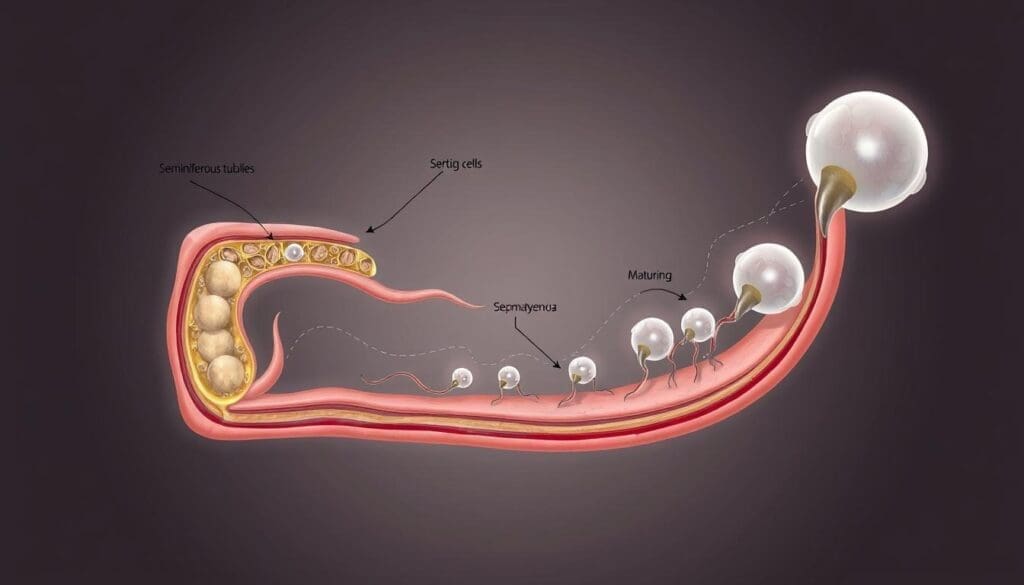
Sperm production is a never-ending process in men. It’s key for their fertility. This complex process happens in the testes and is controlled by hormones.
How Sperm Production Works
Spermatogenesis takes place in the seminiferous tubules of the testes. Here, immature cells grow into mature sperm cells in stages. This process is continuous throughout a man’s life. So, men can keep producing new sperm.
The growth of sperm cells is tightly controlled. It involves many cell types in the testes. It takes about 64 to 72 days for a cell to become a mature sperm ready for fertilization.
The Role of Hormones in Sperm Production
Hormones are vital for sperm production. The main hormones are testosterone and follicle-stimulating hormone (FSH). Testosterone helps sperm cells develop and mature. FSH encourages sperm production.
The right balance of these hormones is essential. Any imbalance can harm sperm quality and quantity. This can affect a man’s fertility.
As men get older, their sperm production might slow down. The quality of their sperm could also decrease. Yet, men keep producing sperm, even if the quality changes.
When Does Sperm Production Begin?
The start of sperm production in males is a big deal that happens during puberty. This time is filled with changes in the body and hormones. These changes get the body ready for making babies.
Puberty and the Onset of Sperm Production
Puberty in boys usually starts between 11 and 14 years old. It’s the start of their journey to becoming able to have kids. During this time, the hypothalamus starts making a hormone called GnRH.
This hormone tells the pituitary gland to release LH and FSH. These hormones are key for starting and keeping sperm production going.
As puberty goes on, the testes grow up. Spermatogenesis, or making sperm, starts. This is when immature cells turn into sperm ready to fertilize an egg.
Developmental Factors Affecting Initial Fertility
Many things can affect when and how well sperm production starts in young males. These include genetics, what you eat, and your health.
Eating well, with foods full of vitamins and minerals, helps your body and reproductive health. But, being overweight, toxins, and some health issues can hurt sperm quality.
| Factor | Impact on Sperm Production | Age of Influence |
| Nutrition | A diet rich in antioxidants and essential nutrients supports healthy sperm production. | Pre-puberty to adulthood |
| Obesity | Being overweight can lead to reduced sperm count and quality. | Puberty onwards |
| Exposure to Toxins | Exposure to environmental toxins can damage sperm DNA and reduce fertility. | Pre-puberty to adulthood |
Knowing about these factors is key for young males to keep their reproductive health good from the start of sperm production to their fertile years.
Peak Fertility Years in Men
Knowing when men are most fertile is key for planning a family. Men’s fertility changes with age, lifestyle, and health. It’s not the same for everyone.
Optimal Sperm Quality in Early Adulthood
Studies show men are most fertile between 30 and 35. But, this can differ from person to person. In early adulthood, sperm quality is usually the best. This is the peak fertility window for men.
Many things affect sperm quality in this age group. Hormones, like testosterone, are important. Also, men in their 20s and 30s are less exposed to harmful toxins and health problems.
Factors That Influence Peak Fertility
Age is a big factor in male fertility, but not the only one. Lifestyle, health, and genetics also matter. Eating well, exercising, and avoiding bad habits can help sperm quality.
- Health Conditions: Some health issues, like varicocele or infections, can harm sperm.
- Genetic Factors: Your genes can affect sperm quality and fertility.
- Lifestyle Factors: Toxins, stress, and bad diet can hurt sperm health.
Men planning a family need to know these factors. A healthy lifestyle and addressing health issues can boost fertility. This is important during peak reproductive years.
While male fertility does decrease with age, it’s not as sudden as in women. Men can keep producing sperm as they get older. The quality might drop, but fertility can last into later years.
At What Age Does a Man Stop Producing Sperm?
Men’s sperm production goes on forever, but it changes with age. It’s a common myth that men stop making sperm at a certain age. But, the truth is more complicated.
The Myth of Complete Cessation
The idea that men stop making sperm is a myth that science has proven wrong. Most men keep making sperm even in old age. But, the quality and amount might go down.
Several things make people think men stop making sperm:
- Lower testosterone levels with age
- Less sperm quality and quantity
- More chance of genetic problems
Scientific Evidence on Lifelong Sperm Production
Studies show men can have kids in their 60s, 70s, and 80s. But, getting pregnant might be harder because of sperm quality. Research has shown that sperm making keeps going, even with age changes.
Comparing Male and Female Reproductive Timelines
Men and women have different ways of making babies. Women are born with a set number of eggs that get worse with time. Men, on the other hand, keep making sperm from puberty on.
The ways men and women make babies are very different:
- Women: Fertility is best in the early twenties. It drops a lot after 35 and stops with menopause around 50.
- Men: Sperm making starts at puberty, gets better in young adulthood, and keeps going into old age, but gets worse.
Knowing these differences is key for planning families and staying healthy.
Age-Related Changes in Sperm Production
As men get older, their sperm production changes. This can make it harder for them to have children. The amount and quality of sperm go down, and hormone levels, like testosterone, also change.
Quantity vs. Quality: What Changes With Age
Older men might make fewer sperm. But the bigger problem is the sperm quality drops. This can lead to sperm that moves poorly, looks abnormal, or has damaged DNA.
Key Changes in Sperm Quality with Age:
| Parameter | Change with Age |
| Sperm Count | Decreases |
| Motility | Reduces |
| Morphology | More Abnormal Forms |
| DNA Fragmentation | Increases |
Hormonal Shifts in Aging Men
Hormones play a big part in sperm production changes with age. Testosterone, a key hormone, goes down as men get older. This can lower their fertility.
It’s important for older men thinking about having kids to know about these changes. Even though they can make sperm, the quality and amount might not be as good as when they were younger.
Sperm Quality and Age: What the Research Shows
As men get older, their sperm quality changes. This can affect their ability to have children. We’ll look at how sperm count, motility, and shape change with age. We’ll also talk about DNA damage and its impact on genetics.
Sperm Count Trends Across the Lifespan
Research shows that sperm count goes down with age. Men keep making sperm, but the quality and amount decrease. The highest sperm count usually happens in the early twenties.
Motility and Morphology Changes
Motility and morphology also change with age. Motility is how well sperm move towards the egg. Morphology is the shape and structure of sperm. As men age, fewer sperm move well and have the right shape.
This makes it harder for fertilization to happen.
DNA Fragmentation and Genetic Integrity
DNA fragmentation is a big concern with age. As men get older, their sperm’s DNA breaks more. This can lead to genetic problems in children. This is a worry for men having kids later in life.
We’ll explore how these changes affect fertility and child health next.
Male Fertility After 40: What to Expect
Understanding male fertility after 40 is key for men thinking about having kids later in life. As men hit their 40s, several changes happen that can affect their ability to have children.
It’s known that women’s fertility drops a lot with age. But, the effect of aging on men’s fertility is more complex. Research shows that men’s fertility does decrease with age, but how much and how fast it happens can vary a lot.
Statistical Changes in Fertility Potentials
Studies have found that men over 40 see a drop in their fertility. This drop is due to several reasons, like lower sperm quality and quantity.
| Age Group | Sperm Concentration (million/mL) | Motility (%) | Morphology (%) |
| 20-39 | 56.2 | 61.4 | 4.4 |
| 40-49 | 45.6 | 55.3 | 3.8 |
| 50+ | 36.4 | 48.2 | 3.2 |
The table shows that sperm quality and quantity decrease with age. These changes can make it harder for a man to get his partner pregnant.
Time to Conception in Older Fathers
Getting pregnant can take longer for older men. Research shows that men over 40 might need more time to conceive with their partners.
“The likelihood of conception within a year of trying decreases significantly when the male partner is over 40, highlighting the impact of paternal age on fertility.”
This is because of lower sperm quality and possible age-related changes in sexual function.
Men over 40 planning to have kids should know about these changes. They might want to get a fertility check if they’re having trouble getting pregnant.
Male Fertility After 50 and Beyond
Women’s fertility drops sharply with age, but men’s doesn’t decline as fast, even after 50. This has caught a lot of attention in recent years.
As we get older, our bodies change in ways that affect our ability to have children. For men, this decline is slower than for women. But it’s important to understand these changes if you’re thinking about having a child later in life.
Can Men Father Children in Their 60s and 70s?
Yes, men can have children in their 60s and 70s, but it gets harder with age. The quality and amount of sperm decrease. Yet, many men stay fertile well into old age.
Studies show that while the chances of getting pregnant may drop with age, they don’t disappear. There are cases of men having children at ages that used to seem impossible.
Famous Cases of Late-Life Fatherhood
History is full of examples of men having children late in life. For example, Mick Jagger became a father at 73, and Charlie Chaplin did the same. These stories show that having a child late in life is possible.
These famous cases make headlines and show the complexity of male fertility. They prove that while age matters, it’s not the only thing that determines a man’s ability to have a child.
Looking at the extremes of male fertility, we see that while there are challenges with older fathers, many men can have healthy children late in life.
Health Factors That Affect Sperm Production Throughout Life
Male fertility is not just about how many sperm you have. It’s also about the quality of those sperm. This quality is influenced by many health factors. As men get older, knowing these factors is key to keeping fertility high.
Lifestyle Influences on Sperm Health
What you do every day affects your sperm health. Your diet, exercise, smoking, and drinking habits all play a part. For example, eating foods full of antioxidants can boost sperm quality. But drinking too much alcohol can hurt your sperm count.
Key Lifestyle Factors Affecting Sperm Health:
- Diet and nutrition
- Physical activity levels
- Smoking and tobacco use
- Alcohol and drug consumption
- Stress levels
Living a healthy lifestyle can greatly improve your sperm health. This means exercising regularly, eating well, and staying away from harmful substances.
Medical Conditions That Impact Fertility
Some medical conditions can really hurt male fertility. Issues like varicocele, infections, and hormonal imbalances can mess with sperm production and quality.
| Medical Condition | Impact on Fertility |
| Varicocele | Affects sperm quality and count |
| Infections (e.g., epididymitis) | Can damage sperm production |
| Hormonal Imbalances | Affects sperm production and development |
Getting these conditions treated can help lessen their impact on fertility.
Medications and Treatments That Affect Sperm
Some medicines and treatments can also harm sperm production. For instance, chemotherapy and radiation therapy can really hurt sperm quality and count.
Common Medications and Treatments Affecting Sperm:
- Anabolic steroids
- Certain antidepressants
- Chemotherapy
- Radiation therapy
It’s important for men planning a family to know how these treatments can affect fertility.
Advanced Paternal Age and Offspring Health
Advanced paternal age is linked to health concerns in offspring. We will look at genetic risks, research on paternal age effects, and genetic counseling implications.
Genetic Risks Associated With Older Fathers
Older fathers are more likely to pass on genetic mutations. These can raise the risk of autism, schizophrenia, and genetic disorders. This is due to sperm quality decline with age, leading to DNA fragmentation and other anomalies.
Current Research on Paternal Age Effects
Recent studies highlight paternal age’s impact on offspring health. Children of older fathers face higher risks of neurodevelopmental disorders. Evidence shows a link between advanced paternal age and certain conditions.
A study found children of fathers over 40 have a higher autism risk. This is compared to those with fathers under 30.
Genetic Counseling Considerations
Genetic counseling is key with advanced paternal age risks. Couples with older fathers should talk to a genetic counselor. This helps them understand genetic condition risks and plan their family.
Genetic counselors offer tailored advice based on medical and family history. They discuss genetic testing and reproductive technologies options.
Preserving Fertility as Men Age
As men get older, they look for ways to keep their fertility. They try lifestyle changes and medical options. It’s important to know how to keep fertility healthy as we age.
Lifestyle Modifications for Better Sperm Health
Starting with a healthy lifestyle is key. Eating well, with lots of antioxidants, boosts sperm quality. Exercise and a good weight are also important, as being overweight can harm fertility.
Drinking too much alcohol and smoking can hurt sperm health. Stress is another factor, as it can mess with hormone levels and sperm production. Practices like meditation or yoga can help manage stress.
Medical Interventions and Fertility Preservation Options
For those planning to have kids later, there are medical ways to preserve fertility. Sperm cryopreservation, or freezing sperm, is a common choice. It lets men save their sperm when it’s healthier, often at a younger age, for use in IVF.
Other treatments might be needed for issues like hormonal problems or infections. Doctors might suggest medications or supplements to improve sperm quality.
When to Seek Professional Fertility Assessment
Men worried about fertility should get checked early. Early evaluation can spot problems and offer solutions. A fertility specialist can test sperm quality and health, giving advice and treatment plans.
By exploring options and taking action, men can protect their fertility as they age. Whether through lifestyle changes or medical help, there are many ways to support reproductive health.
Conclusion
Understanding male fertility is key for planning a family and keeping reproductive health in check. We’ve looked into how sperm production changes as men get older. This is influenced by age, lifestyle, and health.
Male fertility is complex. Men usually keep making sperm as they age, but their fertility can decline. This affects how well they can father a child.
As men get older, their sperm quality drops. This includes fewer, less active, and less healthy sperm. But, there are ways to keep fertility up with the right lifestyle and medical help.
Knowing about male fertility and sperm production helps men make smart choices about their health. We urge men to think about their fertility options. And to get expert advice when they need it.
FAQ
At what age do men stop producing sperm?
Men usually keep making sperm all their lives. But, the quality and amount might go down with age. There’s no exact age when sperm production stops completely, but it drops a lot in older years.
Do men stop producing sperm at a certain age?
There’s no exact age when men stop making sperm. But, many things can affect how well they make sperm, like age, lifestyle, and health issues.
How long are men fertile?
Men can stay fertile for their whole lives. But, fertility starts to go down after 40. Even older men can have kids, but it’s harder to get pregnant.
What age do men stop producing sperm?
As we said before, there’s no exact age when men stop making sperm. They can keep making sperm into old age, even if the quality goes down.
Can men produce sperm at 60 or older?
Yes, men can make sperm at 60 or older. But, the quality and amount might be less. Some men have even fathered children in their 60s, 70s, and 80s.
How does age affect sperm quality?
Age can change sperm quality in many ways. It can lower sperm count, how well they move, and their shape. It can also increase DNA damage, which might hurt fertility.
What factors affect sperm production?
Many things can change how well sperm are made. Lifestyle, health issues, medicines, and treatments are some examples. Keeping healthy and managing health problems can help sperm stay healthy.
Can lifestyle changes improve sperm health?
Yes, changing your lifestyle can help sperm health. Eating right, exercising, and avoiding too much heat or toxins can all help.
Are there any medical interventions for preserving fertility?
Yes, there are ways to keep fertility alive, like sperm banking. These options can help men save their fertility.
When should men seek professional fertility assessment?
Men should see a fertility expert if they’re having trouble getting pregnant or worry about their sperm. Early help can find problems and offer ways to keep fertility alive.
References
National Center for Biotechnology Information. At What Age Does a Man Stop Producing. Retrieved from https://www.ncbi.nlm.nih.gov/pmc/articles/PMC9789007/