Last Updated on November 26, 2025 by Bilal Hasdemir
Colorectal cancer is a big health worry, but screening can stop it by finding and taking out polyps that could turn into cancer. New rules say people at normal risk should think about their first colonoscopy at age 45.
The US Preventive Services Task Force says adults between 45 and 75 should get checked for colorectal cancer. Starting to screen at 45 can greatly lower the chance of getting colorectal cancer.
Liv Hospital puts patient safety first and follows the newest guidelines to help people on their prevention path, including advice on at what age should you get a colonoscopy.
Key Takeaways
- Adults at average risk should consider their first colonoscopy at age 45.
- The US Preventive Services Task Force recommends colorectal cancer screening for adults between 45 and 75.
- Colonoscopy screening can prevent colorectal cancer by removing precancerous polyps.
- Liv Hospital prioritizes patient safety and follows the latest guidelines for colonoscopy screening.
- Early screening significantly reduces the risk of developing colorectal cancer.
Understanding the New Colonoscopy Screening Guidelines

Health organizations have updated colonoscopy screening guidelines. This change is to catch colorectal cancer early and prevent it.
The Shift from Age 50 to Age 45
The main change is starting colonoscopy screening at 45 instead of 50. This is because more young adults are getting colorectal cancer.
Key statistics supporting this change include:
| Age Group | Previous Recommendation | New Recommendation |
| 45-49 years | No routine screening | Screening recommended |
| 50-75 years | Screening recommended | Screening recommended |
Organizations Behind the New Recommendations
The US Preventive Services Task Force (USPSTF) led the update. The USPSTF is a group of experts in prevention and medicine.
Other big health groups also back these new guidelines. This ensures everyone agrees on the screening age.
Evidence-Based Changes in Protocol
The age change is based on solid evidence. Studies show early screening can improve health outcomes.
Following these new guidelines helps prevent colorectal cancer. It’s a step towards early detection and prevention.
Why Colonoscopy Screening Age Has Been Lowered

The age for colonoscopy screenings has been lowered. This is because more young adults are getting colorectal cancer. It shows we’re changing how we fight and find this disease early.
Rising Colorectal Cancer Rates in Younger Adults
Colorectal cancer used to mainly hit older people. But now, it’s happening more in younger folks. This has led to a change in how we screen for it.
This trend is alarming. Younger people often get cancer that’s too far along. This is because they might not know they need to get checked.
Statistical Evidence Supporting Earlier Screening
There’s solid data backing the move to screen younger. The American Cancer Society says more people aged 40-49 are getting colorectal cancer. This shows we need to start screening earlier.
Studies show starting screenings at 45 can really help. A study found it could stop a lot of cancer cases and deaths. This is a big win for public health.
Impact on Public Health Outcomes
Lowering the screening age will greatly benefit public health. Catching cancer early means more people can survive. It also means fewer people will have to deal with advanced cancer.
This forward-thinking strategy saves lives and cuts down on healthcare costs. As more people get screened, we’ll see fewer cases of colorectal cancer.
At What Age Should You Get a Colonoscopy: The Current Recommendation
The American Cancer Society says adults at average risk should start colonoscopy screenings at 45. This advice is based on the latest research. It aims to catch colorectal cancer early, when it’s easier to treat.
Age 45: The New Starting Point for Average-Risk Adults
Adults at average risk should get their first colonoscopy at 45, according to new guidelines. This change is because colorectal cancer is becoming more common in younger people. Early detection is key.
Average risk means no family history of colorectal cancer or other risk factors. This is for people without these high-risk factors.
What “Average Risk” Means
Being at “average risk” means no known risk factors for colorectal cancer. This includes no family history, certain genetic syndromes, or a history of the disease. People without these risks can follow the standard screening advice.
Recommended Screening Intervals After Initial Test
How often you need a colonoscopy after the first one depends on the results. If it’s normal, you’ll need another in 10 years. But if polyps are found, you might need one every 3 to 5 years. This depends on the polyps’ number, size, and type.
“The goal of colonoscopy screening is to prevent colorectal cancer by detecting and removing precancerous polyps before they become malignant.”
It’s important to stick to the recommended screening schedule. This helps catch colorectal cancer early. Adults should talk to their doctor about their risk and screening needs.
Risk Factors That May Require Earlier Colonoscopy Screening
While most people start colonoscopy screening at 45, some need it earlier. This is true for those with a strong family history of colon cancer, certain health issues, or genetic syndromes. Early screening is key to catching colon cancer early and preventing it.
Family History of Colorectal Cancer
A family history of colon cancer is a big risk factor. If a close relative, like a parent or sibling, had colon cancer young, your risk goes up. People with this history should talk to their doctor about when to start screening. Having many relatives with colon cancer or a long family history raises the risk even more.
Personal Health Conditions That Increase Risk
Some health issues raise your risk of colon cancer. This includes inflammatory bowel diseases like Crohn’s and ulcerative colitis. These conditions mean you might need to start screening sooner. It’s important to stay on top of your health and get a screening plan that fits your needs.
Genetic Syndromes and Their Impact
Genetic syndromes like Familial Adenomatous Polyposis (FAP) and Lynch Syndrome greatly increase your risk. FAP causes many polyps in the colon and rectum, often starting in the teens. Lynch Syndrome raises your risk of colon cancer and other cancers. People with these syndromes often need to start screening early, sometimes in their teens or early twenties.
Talking to your doctor about your risk factors is important. They can help decide when you should start colonoscopy screening. Early detection and prevention are vital in managing colon cancer risk.
Gender-Specific Considerations for Colonoscopy Timing
It’s important to know how gender affects when to have a colonoscopy. This helps prevent and catch colorectal cancer early.
Both men and women should start getting screened at 45, according to general advice. But, gender can play a role in cancer risk and when to get screened.
When Should Men Get Their First Colonoscopy
Men face a higher risk of colorectal cancer than women. They tend to get cancer at a younger age and have more serious polyps. So, men should think about their own risk when planning their first colonoscopy.
When Should Women Get Their First Colonoscopy
Women generally have a lower risk of colorectal cancer. But, family history, health conditions, and genetic syndromes can change this. Women should talk to their doctor about their risk to figure out when to get screened.
Gender Differences in Colorectal Cancer Risk
Studies show men get colorectal cancer more often than women. This is true, even when looking at the same age group. Hormones, genes, and lifestyle might explain these differences.
Guidelines say both men and women should start screening at 45, unless they have a higher risk. Knowing the gender-specific risks helps make screening plans more effective.
What Happens During a Colonoscopy Procedure
A colonoscopy is not just for checking health. It can also remove polyps that might turn into cancer. This makes it a key tool in fighting colorectal cancer.
The Screening Process Explained
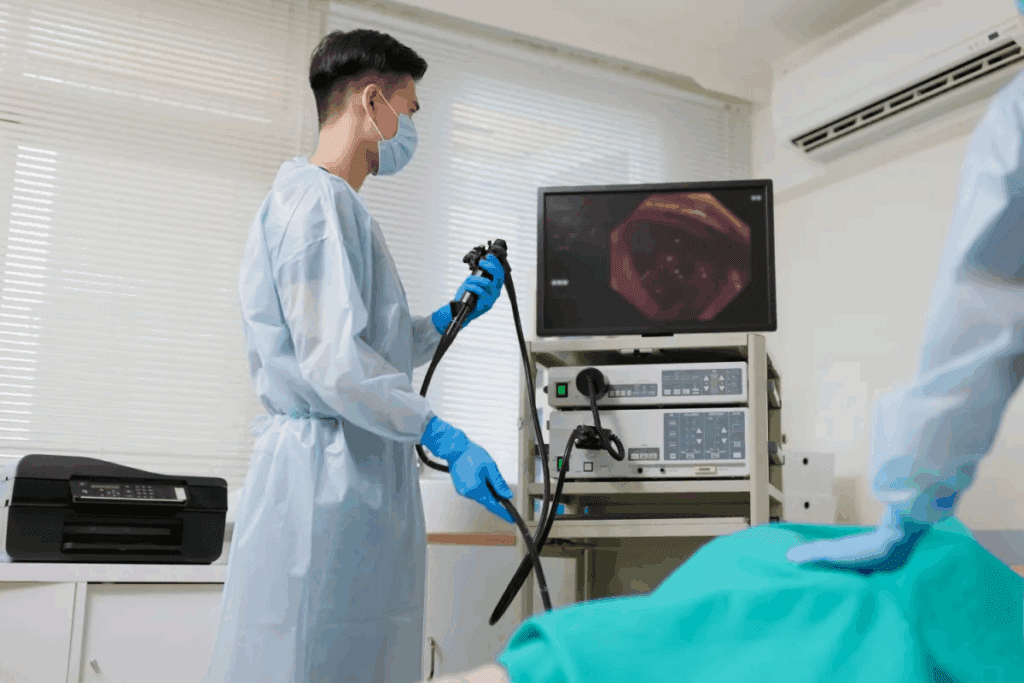
A colonoscopy uses a flexible tube with a camera to look inside the colon. The camera shows images on a screen. Doctors can then see polyps, ulcers, or other issues.
Before starting, patients get sedation to relax. The colon is cleaned for a clear view. The whole process happens in a hospital or outpatient center.
Polyp Removal and Prevention Benefits
One big plus of a colonoscopy is it can remove polyps right away. Polyps are growths that might not be harmful but can turn into cancer. Taking them out helps stop cancer from forming.
“The removal of precancerous polyps during a colonoscopy is a critical step in preventing colorectal cancer.”
Medical Expert, Gastroenterologist
Duration and Recovery Time
A colonoscopy usually lasts 30 to 60 minutes. But, you should plan for a few hours for everything. Most people can go back to their usual activities the next day.
| Procedure Step | Duration |
| Preparation | 1-2 hours |
| Colonoscopy | 30-60 minutes |
| Recovery | 1-2 hours |
Potential Risks and Complications
Colonoscopy is mostly safe, but there are risks. These include bleeding, a tear in the colon, and reactions to sedation. But these are rare.
- Bleeding from the site of a removed polyp
- Perforation or tear in the colon lining
- Reaction to the sedative used during the procedure
Talking about any worries or risks with your doctor is very important before a colonoscopy.
Benefits of Timely Colonoscopy Screening
Getting a colonoscopy early has many benefits. It helps find cancer early and can prevent it. This can greatly improve your chances of living longer and feeling better.
Early Detection of Colorectal Cancer
One big plus of colonoscopy screening is finding cancer early. Cancer often starts with polyps that can be removed during a colonoscopy. “The earlier colorectal cancer is detected, the better the patient’s chances of survival.” The American Cancer Society says early detection is key to better survival rates.
Prevention Through Polyp Removal
Preventing cancer is another big plus of early colonoscopy screening. Doctors can remove polyps that could turn into cancer. “Removing these polyps can prevent colorectal cancer from developing in the first place.” This approach saves lives and avoids more serious treatments later.
Survival Rates When Caught Early
Early detection of colorectal cancer greatly improves survival chances. The National Cancer Institute says the five-year survival rate is about 90% if caught early.
“Screening is key to detecting colorectal cancer at an early stage when it is more treatable.”
This shows why sticking to screening guidelines is so important.
Quality of Life Considerations
Early colonoscopy screening also improves life quality. It helps avoid harsh treatments and keeps you feeling good. “Early detection and prevention can lead to less aggressive treatment options and better outcomes.”
In summary, early colonoscopy screening offers many benefits. It leads to early detection, prevention, better survival rates, and a better quality of life. It’s vital to follow screening guidelines to get these benefits.
Colonoscopy Recommendations After Age 75
Deciding on colonoscopy screening after 75 is complex. It depends on many health factors. As people live longer and healthier, making this choice gets harder.
Factors Influencing Continued Screening
Several things decide if someone should keep getting colonoscopies after 75. These include their health, how long they might live, past screening results, and any health issues.
- Overall Health: Those with serious health problems or poor health might not need screening.
- Previous Screening History: People with normal results or who have had polyps removed might get different advice.
- Life Expectancy: The benefits of screening are weighed against how long the patient might live.
When to Stop Screening
Stopping colonoscopy screening is a personal choice. It’s usually based on individual assessments. Here are some general guidelines:
- Stop screening if life expectancy is less than 10 years.
- Stop if serious health issues make treatment unlikely.
- Stop if screenings have always shown normal results for a long time.
Personalized Approaches for Elderly Patients
For elderly patients, making decisions is very personal. Doctors consider the patient’s values, health, and preferences. They decide if screening should continue or stop.
Shared decision-making is key. It means patients and doctors work together. They make sure the decision fits the patient’s health goals and priorities.
In summary, colonoscopy advice after 75 is very individual. It depends on health factors and what the patient wants.
Insurance Coverage and Accessibility of Colonoscopies
Getting a colonoscopy depends a lot on insurance. As health costs go up, knowing what your insurance covers is key. This is true for screenings like colonoscopies.
Coverage Under the Affordable Care Act
The Affordable Care Act (ACA) has made it easier to get preventive care. Most plans under the ACA cover colonoscopies without extra costs for those at average risk. This has helped many people afford these screenings.
Medicare and Medicaid Coverage
People 65 and older can get colonoscopies covered by Medicare. Medicare pays for colonoscopies for those at average risk. It also covers them for those at higher risk or showing symptoms. Medicaid coverage for colonoscopies varies by state. But, many states include them in their preventive services.
Options for Uninsured Patients
Getting a colonoscopy without insurance is tough. But, there are ways around it. Some doctors offer discounts or fees based on income. Community health centers and non-profits also offer free or low-cost screenings.
Navigating Prior Authorization Requirements
Getting a colonoscopy can be hard because of prior authorization. Insurance needs approval for some procedures, like colonoscopies. Patients should talk to their doctors about this process. This helps make sure they get the care they need.
In short, insurance is key for colonoscopy access. But, there are ways to get help. Knowing your insurance and looking for resources can make sure you get the care you need.
Alternative Colorectal Cancer Screening Methods
Colorectal cancer screening has grown to include many methods beyond colonoscopy. Colonoscopy is very effective, but other options are better for some people. This is because of things like cost, ease of access, or personal choice.
Stool-Based Tests
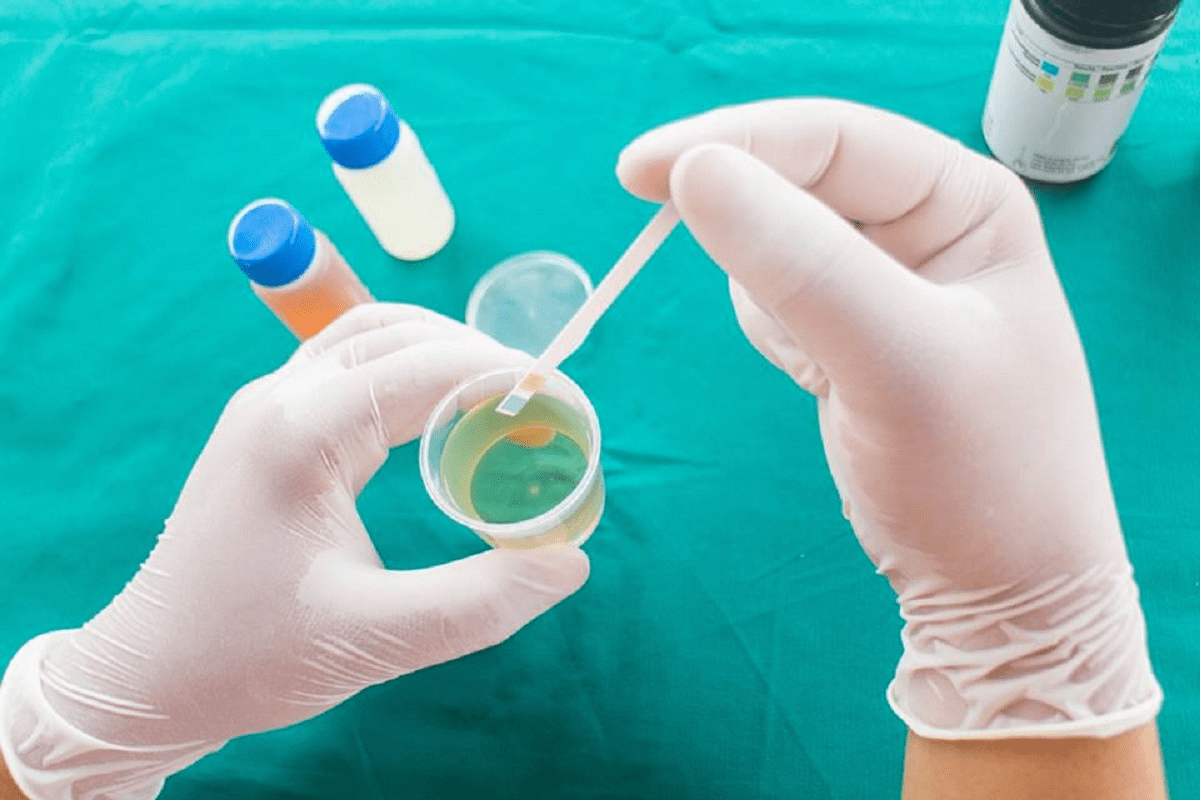
Stool-based tests are easy and don’t hurt. They look for hidden blood or DNA changes in stool. These signs can mean colorectal cancer or polyps. You do these tests at home and send them to a lab.
Types of Stool-Based Tests:
- Fecal Occult Blood Tests (FOBT): Find hidden blood in stool.
- Fecal Immunochemical Tests (FIT): Look for human hemoglobin in stool.
- Stool DNA Tests: Find DNA changes linked to cancer or polyps.
Flexible Sigmoidoscopy
Flexible sigmoidoscopy looks at the lower colon and rectum with a camera tube. It’s not as full as colonoscopy but can find polyps and cancer in the lower colon.
Benefits include: It needs less prep than colonoscopy and can be done without sedation.
CT Colonography
CT colonography, or virtual colonoscopy, uses CT scans to see the colon. It’s a less invasive choice than colonoscopy.
Advantages: It doesn’t need sedation and can spot polyps and cancers. But, if polyps are found, a colonoscopy is needed to remove them.
Comparing Effectiveness with Traditional Colonoscopy
Each screening method has its own strengths and weaknesses compared to colonoscopy. Stool tests are good for early cancer detection but not as good for polyps. Flexible sigmoidoscopy works well for the lower colon but misses the upper parts. CT colonography can see the whole colon but might miss small polyps.
| Screening Method | Effectiveness | Invasiveness |
| Stool-Based Tests | Less sensitive for polyps | Non-invasive |
| Flexible Sigmoidoscopy | Effective for lower colon | Less invasive |
| CT Colonography | Visualizes entire colon | Non-invasive |
| Traditional Colonoscopy | Highly effective | Invasive |
Knowing the good and bad of each method helps pick the best one. This depends on risk, preference, and medical history.
Conclusion: The Importance of Following Screening Guidelines
Following screening guidelines is key for catching colorectal cancer early. This can greatly lower the number of cases and deaths from this disease.
It’s very important to stick to these guidelines. Early screening can remove polyps before they turn into cancer. Knowing your risk and following the recommended schedule helps prevent colorectal cancer.
Choosing to get screened for colon cancer can greatly improve your health. Early detection and prevention are huge benefits. So, it’s a must for keeping your health in check.
FAQ
At what age should I get my first colonoscopy if I have no family history of colorectal cancer?
You should get your first colonoscopy at age 45 if you’re at average risk for colorectal cancer.
What does “average risk” mean in terms of colorectal cancer screening?
“Average risk” means you don’t have a personal or family history of colorectal cancer. It also means you don’t have other risk factors that could increase your chance of getting the disease.
How often should I get a colonoscopy after the initial test?
If your first colonoscopy at age 45 is normal, you’re considered at average risk. Your next screening is usually in 10 years, at age 55.
Should men and women get their first colonoscopy at the same age?
Yes, guidelines say both men and women at average risk should have their first colonoscopy at age 45.
Are there any risk factors that would require me to have a colonoscopy before age 45?
Yes, having a family history of colorectal cancer, certain health conditions, or genetic syndromes may mean you need to get screened earlier.
What are the benefits of having a colonoscopy?
Colonoscopy can find and remove precancerous polyps early. This greatly reduces the risk of colorectal cancer and improves survival chances.
What happens during a colonoscopy procedure?
A flexible tube with a camera is inserted into the colon during a colonoscopy. It allows doctors to see inside, remove polyps, and take tissue samples if needed.
Are there alternative screening methods to colonoscopy?
Yes, there are alternatives like stool-based tests, flexible sigmoidoscopy, and CT colonography. Each has its own benefits and limitations.
Will my insurance cover the cost of a colonoscopy?
Many insurance plans, including those under the Affordable Care Act, Medicare, and Medicaid, cover colonoscopy screenings. But, the details can vary.
At what age can I stop getting colonoscopies?
Stopping colonoscopy screening depends on your health, life expectancy, and past screenings. It’s usually considered around age 75 or older.
How long does it take to recover from a colonoscopy?
Most people can go back to normal activities within a day after a colonoscopy. Some might feel bloated or gassy temporarily.
What are the possible risks or complications of a colonoscopy?
Though rare, possible complications include bleeding, perforation of the colon, and reactions to sedation.
References
Shaukat, A., Kahi, C. J., Burke, C. A., Rabeneck, L., Sauer, B. G., & Wani, S. (2020). ACG Clinical Guidelines: Colorectal Cancer Screening 2021. The American Journal of Gastroenterology, 116(3), 458-479. https://pubmed.ncbi.nlm.nih.gov/33734320/