Last Updated on November 25, 2025 by Ugurkan Demir
At Liv Hospital, we know how key a healthy heart is. We focus on atherosclerosis of the aorta. Understand atherosclerosis of aorta, how it affects blood flow, and what you can do to prevent serious complications.
Aortic atherosclerosis happens when fatty deposits, or plaque, build up inside the aorta. This is the biggest artery in the body. This buildup can cause many heart diseases, affecting your health and happiness.
Knowing what aortic atherosclerosis definition means is very important. We will look into how it affects your body. And why getting top-notch care is so important for those dealing with it.
Key Takeaways
- Understanding atherosclerosis of the aorta is vital for maintaining cardiovascular health.
- Plaque buildup in the aorta can lead to serious cardiovascular issues.
- Aortic atherosclerosis is a condition that requires advanced medical care and support.
- Liv Hospital provides complete care for patients with aortic atherosclerosis.
- Early understanding and management of the condition can significantly impact health outcomes.
The Nature and Significance of Aortic Atherosclerosis

Aortic atherosclerosis is about plaque buildup in the aorta, the main artery. It’s a key part of the heart’s system. This buildup can affect blood flow to important organs.
Definition and Basic Concepts
Aortic atheromatosis is another name for aortic atherosclerosis. It’s when fatty deposits, called plaques, build up inside the aorta. This can make the artery hard and narrow, which can block blood flow.
The aorta is the biggest artery and is vital for blood flow. Atherosclerosis in the aorta can harm this function. It’s important to know the causes and risk factors of this condition.
Global Impact on Cardiovascular Health
The impact of atherosclerosis on heart health is huge. Thoracic aorta atherosclerosis is very dangerous because it can lead to serious problems. It’s a big reason for heart disease and death around the world.
Understanding aortic atherosclerosis is key to fighting heart disease. Doctors can help by spotting risk factors early. The global impact of atherosclerosis shows we need more research and health efforts to fight it.
Aortic atherosclerosis is a serious issue with big effects. By learning about it, we can work to improve heart health for everyone.
Anatomy of the Aorta and Its Vital Functions

Knowing how the aorta works is key to keeping our hearts healthy. It’s the main artery that comes out of the heart. It goes into the belly and brings oxygen-rich blood to our bodies.
Structure and Importance of the Body’s Main Artery
The aorta is a vital artery that plays a crucial role in our blood flow. It has different parts, each with its own job. Its design helps it handle the heart’s high pressure, making sure blood keeps flowing.
The aorta is super important because it carries blood from the heart to the rest of us. If it gets damaged, like by plaque buildup, it can really hurt our health.
Different Segments: Thoracic and Abdominal Aorta
The aorta splits into two main parts: the thoracic aorta and the abdominal aorta. The thoracic aorta is in the chest and has three parts. The abdominal aorta goes from the diaphragm down into the belly, splitting into two common iliac arteries.
Each part of the aorta has its own job. The thoracic aorta sends blood to the upper body, like arms and head. The abdominal aorta supplies the lower body, including the belly and legs.
It’s important to know about these parts to understand and treat aorta problems. Doctors can then help patients better by knowing how each part works.
Pathophysiology of Atherosclerosis of Aorta
Understanding atherosclerosis of the aorta is key to knowing how it affects the body’s main artery. This condition involves the buildup of plaque in the arterial walls. This buildup can start early and worsen over time, leading to serious health problems.
Plaque Formation and Composition
Plaque starts forming in the aorta with the buildup of lipids, like LDL cholesterol, in the arterial wall. This buildup triggers inflammation, attracting macrophages that engulf the lipids. Over time, the plaque grows, adding smooth muscle cells, fibrous elements, and other debris.
The stability of the plaque is very important. Stable plaques have a thick fibrous cap. On the other hand, vulnerable plaques have a thin cap and are more likely to rupture. This can lead to heart attacks or strokes.
Progression from Early to Advanced Disease
The disease progresses as lipids accumulate, inflammation grows, and the artery remodels. As it advances, the plaque grows, potentially narrowing the artery and reducing blood flow. Advanced lesions can also become calcified, ulcerated, or hemorrhaged.
Knowing what drives atherosclerosis progression is vital for prevention and treatment. We will look at both risk factors that can be changed and those that cannot. This will help us understand how to manage and slow this disease.
Risk Factors for Developing Aortic Atheromatosis
Knowing the risk factors for aortic atheromatosis is key to preventing and managing it. This condition, marked by plaque buildup in the aorta, is influenced by several factors. These can be divided into modifiable and non-modifiable risk factors.
Modifiable Risk Factors
Modifiable risk factors are those that can be changed through lifestyle or medical treatment. Key modifiable risk factors include:
- High Cholesterol: High levels of LDL cholesterol help form plaque.
- Hypertension: High blood pressure damages the aorta’s inner lining, making it prone to plaque buildup.
- Smoking: Tobacco use harms the cardiovascular system and raises atherosclerosis risk.
- Diabetes: Diabetes increases atherosclerosis risk due to high blood sugar and insulin resistance.
- Physical Inactivity: A sedentary lifestyle leads to obesity, high blood pressure, and other heart risks.
- Diet: Eating too much saturated fats, trans fats, and cholesterol raises atherosclerosis risk.
| Modifiable Risk Factor | Impact on Aortic Atheromatosis |
| High Cholesterol | Increases plaque formation |
| Hypertension | Damages aortic lining, increasing plaque buildup risk |
| Smoking | Damages cardiovascular system, increasing atherosclerosis risk |
Non-Modifiable Risk Factors
Non-modifiable risk factors are those that cannot be changed. These include:
- Age: The risk of aortic atheromatosis increases with age.
- Gender: Men are generally at higher risk than women, though women’s risk increases after menopause.
- Genetic Predisposition: Family history of heart disease can increase an individual’s risk.
Understanding both modifiable and non-modifiable risk factors is vital for effective prevention and management of aortic atheromatosis. By tackling modifiable risk factors, individuals can greatly reduce their risk of this condition.
Clinical Presentation of Atherosclerotic Aortic Disease
It’s key to understand the signs of aortic atherosclerosis early. This disease often grows quietly, without clear symptoms, until it causes big problems.
The Silent Progression of Aortic Atherosclerosis
Aortic atherosclerosis can hide for a long time, making it hard to catch early. The silent progression means people might not feel symptoms until it’s too late.
Not having symptoms early makes it tough for people to get help. But, some risk factors can show who might get this disease. This makes it important for people to watch their health closely.
Recognizing Warning Signs and Symptoms
Even though aortic atherosclerosis often hides, there are signs to watch for. These include:
- Chest pain or discomfort, known as angina, which can be a sign of reduced blood flow to the heart.
- Leg pain or cramping during physical activity, which can indicate peripheral artery disease.
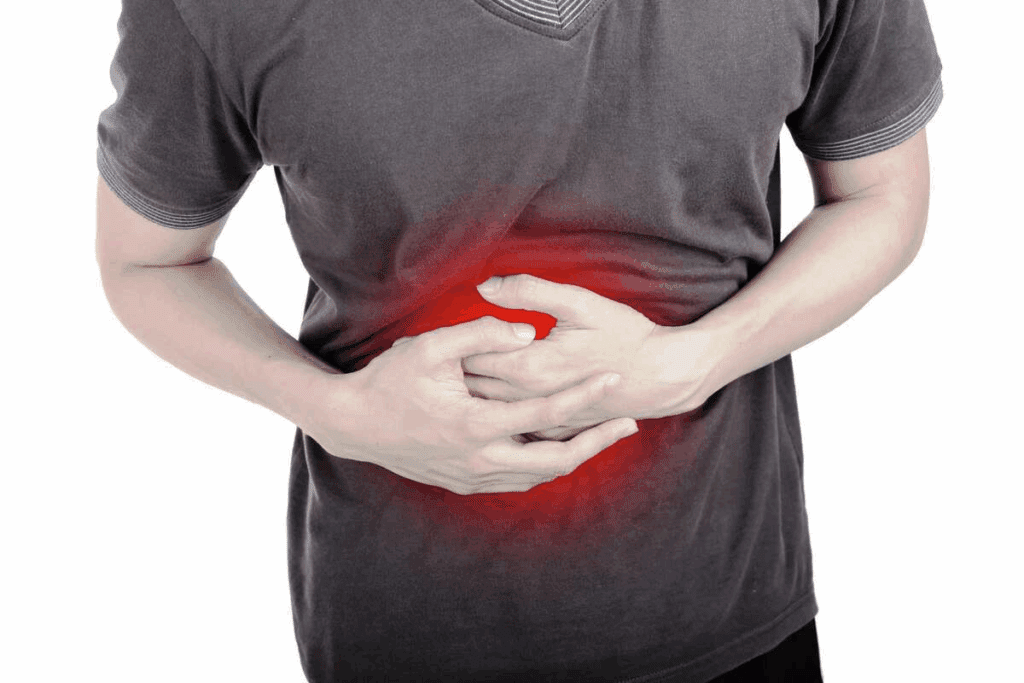
- Abdominal pain or discomfort, which can be associated with involvement of the abdominal aorta.
Spotting these symptoms early can lead to quick diagnosis and treatment. We stress the need to know these signs to avoid serious issues.
In some cases, aortic atherosclerosis can cause severe symptoms. This includes aortic aneurysms or embolic events. Knowing about these risks helps people get medical help fast.
Serious Complications of Arteriosclerosis of the Aorta
Arteriosclerosis in the aorta can lead to severe and life-threatening problems. As the disease gets worse, the risk of these complications grows. This can greatly affect how well a patient does.
Aortic Aneurysms and Dissection
Aortic aneurysms are a major issue caused by arteriosclerosis. An aneurysm is when the aorta bulges out because the wall weakens. If not treated, it can burst. Aortic dissection is another serious problem, where a tear in the aorta’s inner layer lets blood flow between its layers.
Aortic aneurysms and dissections are medical emergencies that need quick action. Factors that increase the risk include how severe the arteriosclerosis is, high blood pressure, and genetics.
“The presence of an aortic aneurysm or dissection significantly complicates the management of arteriosclerosis, necessitating a multidisciplinary approach to treatment.” – A Cardiovascular Surgeon
Embolic Events and Thrombosis
Arteriosclerosis of the aorta can also cause embolic events and thrombosis. Plaques in the aorta can break off and travel to other parts of the body, causing embolism. Thrombosis is when a blood clot forms in the aorta, which can block blood flow to important organs.
| Complication | Description | Clinical Impact |
| Embolic Events | Break-off of plaque fragments | Ischemia in target organs |
| Thrombosis | Formation of blood clots within the aorta | Obstruction of blood flow |
Impact on Other Organ Systems
The problems caused by arteriosclerosis of the aorta can affect other organ systems. Reduced blood flow from thrombosis or embolism can cause ischemia in vital organs like the kidneys, intestines, and lower limbs.
It’s important to understand these complications to manage arteriosclerosis of the aorta effectively. Early detection and treatment can greatly improve patient outcomes.
Diagnostic Approaches for Atherosclerotic Thoracic Aorta
Healthcare professionals use many tools to diagnose atherosclerosis of the thoracic aorta. These include imaging technologies and clinical assessments. Accurate diagnosis is key to managing the disease and preventing complications.
Imaging Techniques
Imaging is vital for diagnosing atherosclerosis of the thoracic aorta. Tools like ultrasound, CT scans, and MRI help see the aorta clearly. This lets doctors check for plaque buildup and disease extent.
Ultrasound is often the first choice because it’s non-invasive and easy to get. CT scans give detailed views of the aorta’s complex shape. MRI offers high-quality images without radiation, perfect for frequent checks.
Laboratory Tests and Clinical Evaluation
Laboratory tests are key for checking risk factors and overall heart health. They include lipid profiles, blood sugar, and inflammatory markers. These tests help doctors understand the patient’s situation and plan the best course of action.
Clinical evaluation involves a detailed medical history and physical exam. It helps spot symptoms and signs of atherosclerotic disease.
Treatment and Management Strategies
Managing atherosclerosis of the aorta requires a detailed plan. This plan includes medical treatment, surgery, and lifestyle changes. We will dive into these methods to help you understand how to manage this condition.
Medical Management Approaches
Medical management is key in controlling atherosclerosis risks. It involves managing high blood pressure and high cholesterol through medicine and lifestyle. Antihypertensive medications and statins are used to control these levels.
It’s also important to watch and manage other risk factors like diabetes. Keeping blood sugar levels in check can slow down atherosclerosis.
Surgical and Interventional Procedures
Surgery is needed for atherosclerosis complications like aortic aneurysms or severe stenosis. Endovascular repair is a less invasive way to treat aneurysms, leading to faster recovery than open surgery.
For severe aortic stenosis, surgical aortic valve replacement or transcatheter aortic valve replacement (TAVR) might be needed. These procedures help improve blood flow and reduce symptoms.
Lifestyle Modifications and Prevention
Lifestyle changes are essential in managing and preventing atherosclerosis. Eating a diet full of fruits, vegetables, and whole grains, along with regular exercise, is recommended. Smoking cessation is also vital, as smoking increases atherosclerotic disease risk.
Keeping a healthy weight and managing stress through meditation or yoga also helps heart health.
By following these strategies, people with atherosclerosis of the aorta can improve their life quality and lower complication risks.
Conclusion: Living with and Managing Atherosclerosis of the Aorta
Managing atherosclerosis well means using medicine, changing your lifestyle, and keeping an eye on your health. It’s all about stopping bad things from happening and making life better.
It’s key to follow your treatment plan, make healthy lifestyle choices, and get regular check-ups. This helps lower the chance of serious problems from atherosclerosis.
Dealing with atherosclerosis is a big job that needs hard work and commitment. But with the right steps, people can live full and happy lives. We aim to offer the support and advice needed to face the challenges of atherosclerosis.
FAQ
What is atherosclerosis of the aorta?
Atherosclerosis of the aorta is when plaque builds up in the aorta. This is the main artery in the body. It can lead to serious heart problems.
What are the risk factors for developing aortic atheromatosis?
Risk factors include things you can change like diet and smoking. They also include things you can’t change like age and gender.
How does atherosclerotic aortic disease progress?
This disease often starts quietly, without symptoms. It can lead to serious health problems. Early detection and treatment are key.
What are the complications of arteriosclerosis of the aorta?
Complications include aortic aneurysms and dissections. They also include embolic events and thrombosis. These can harm other organs and cause multi-organ dysfunction.
How is atherosclerotic disease in the thoracic aorta diagnosed?
Diagnosis uses imaging to see the aorta and plaque. It also includes lab tests and clinical evaluation. These help understand the disease.
What are the treatment and management strategies for atherosclerosis of the aorta?
Treatment includes managing risk factors with medicine. It also includes surgery and lifestyle changes. These help prevent the disease from getting worse.
Can atherosclerosis of the aorta be prevented?
While some risks can’t be changed, lifestyle changes can help. Changing diet, quitting smoking, and being active can lower risk.
What is the significance of understanding atherosclerosis of the aorta?
Knowing about this condition is vital. It can cause serious problems and is a big reason for death and illness worldwide.
How does the anatomy of the aorta relate to atherosclerosis?
The aorta’s structure is important. It helps us understand how atherosclerosis affects different parts.
What is the impact of atherosclerosis on overall health?
Atherosclerosis of the aorta can cause serious heart problems. It can also affect other organs. This can lead to multi-organ dysfunction.
References
World Health Organization. (2025). What Is Atherosclerosis of the Aorta and How. Retrieved from https://www.who.int/news-room/fact-sheets/detail/cardiovascular-diseases-(cvds)>