Last Updated on November 27, 2025 by Bilal Hasdemir
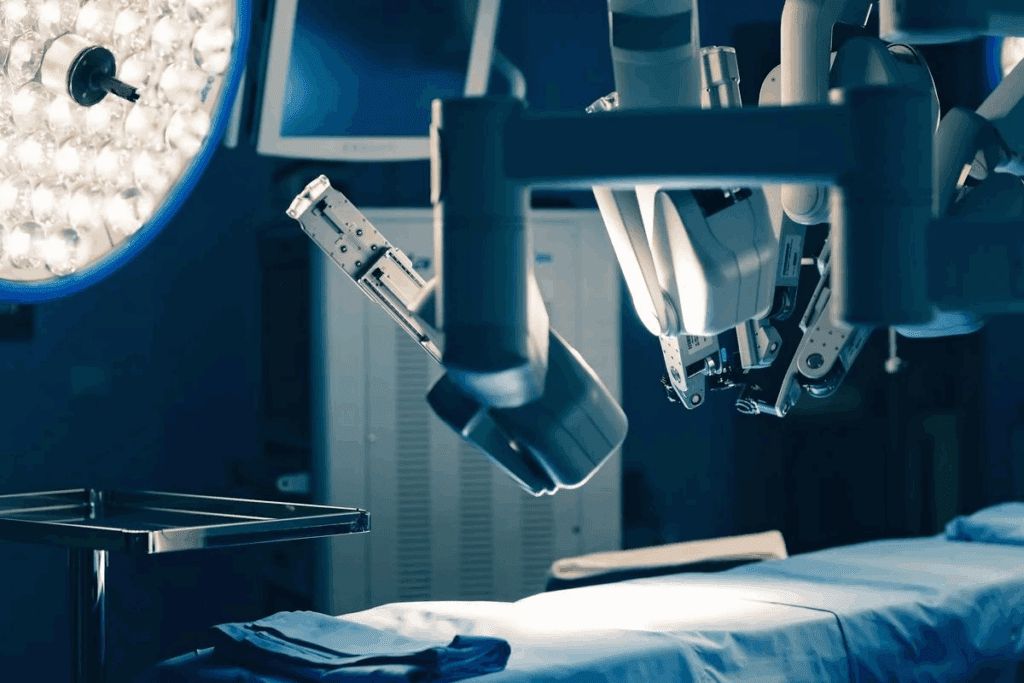
Robotic surgery has changed the medical world, with over 1.2 million procedures done worldwide in 2022. At the heart of this change is autonomous robotic surgery. It lets robots do surgeries with little help from humans. This new area mixes advanced robotics, AI, and medical skills to better care for patients and change healthcare’s future.
The use of autonomous robots in surgery could make surgeries more precise, cut down recovery times, and improve care quality. As this tech grows, it’s key to grasp its possibilities and its impact on doctors and patients.
Key Takeaways
- Autonomous robotic surgery combines robotics and AI for better surgical precision.
- Over 1.2 million robotic surgeries were performed worldwide in 2022.
- This technology aims to reduce recovery times and improve patient outcomes.
- Autonomous robots can perform surgical procedures with minimal human intervention.
- The future of healthcare is being transformed by advancements in robotic surgery.
Understanding Autonomous Robots in Healthcare

The use of autonomous robots in healthcare is changing surgery. Autonomous robotic systems work on their own, making choices based on their programming and sensor data.
These robots have advanced tech for precise tasks. They help make surgeries more accurate and safer.
Defining Autonomous Robot Systems
Autonomous robot systems are robots that work alone. In healthcare, they help with surgeries, patient care, and rehab.
These robots can decide on their own based on real-time data. They use smart algorithms and sensors to understand and act on their environment.
Levels of Autonomy in Surgical Robotics
Surgical robotics have different levels of autonomy. Some need human help, while others work alone.
| Level of Autonomy | Description | Examples |
| Semi-Autonomous | Requires human input for certain tasks | Robot-assisted surgery with human oversight |
| Fully Autonomous | Operates independently without human intervention | Automated surgical procedures with robotic systems |
Knowing the levels of autonomy in surgical robotics is key. As tech gets better, we’ll see more advanced autonomous robotic systems in healthcare.
The Technology Behind Autonomous Robotic Surgery
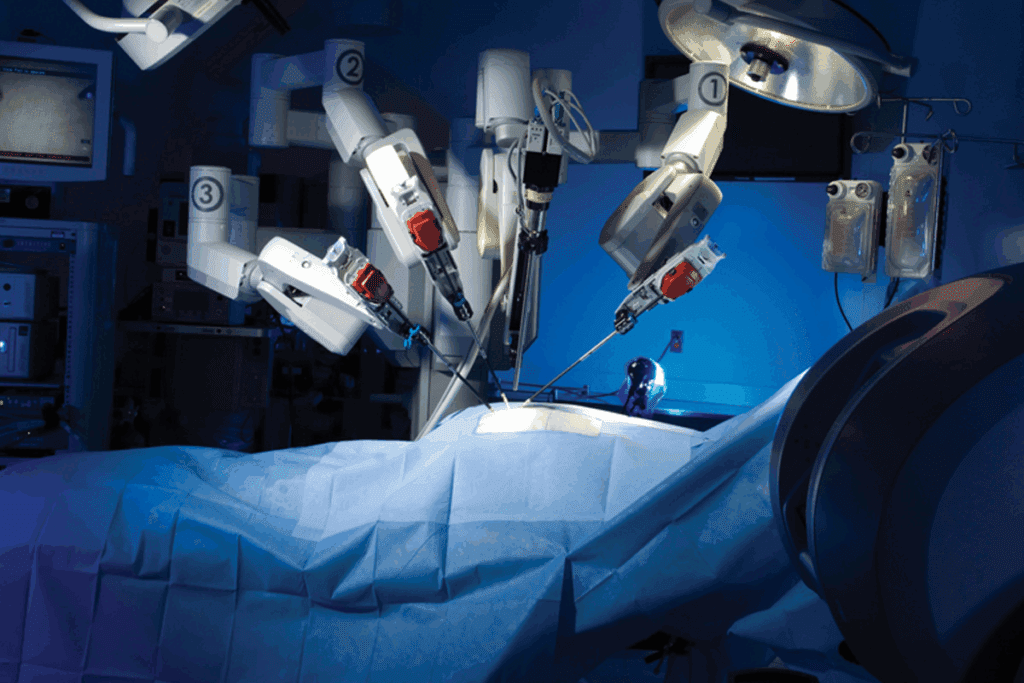
The technology behind autonomous robotic surgery is complex. It involves robotic technology and advanced surgical robots. This combo makes surgeries precise and less invasive.
Core Components of Surgical Robots
Surgical robots have several core components that work together. These include:
- High-definition cameras for clear views
- Manipulator arms for exact movements
- Advanced control systems for navigation
| Component | Function |
| High-definition cameras | Provide clear visualization of the surgical site |
| Manipulator arms | Enable precise movement and dexterity |
| Advanced control systems | Facilitate navigation and control of the robotic instruments |
Sensing and Perception Systems
Sensing and perception systems are key for surgical robots. They use sensors to understand the surgery area. This lets the robot make smart choices.
The sensing systems include:
- Force sensors for touch feedback
- Position sensors for tracking
- Visual sensors for live images
With these technologies, robotic surgery is more precise and reliable. This improves patient results.
Artificial Intelligence and Machine Learning in Surgical Robotics
Artificial intelligence and machine learning are key in making robotic surgery better. They help robots do complex tasks with more accuracy and reliability.
Computer Vision for Surgical Navigation
Computer vision is a big part of AI in surgical robotics. It lets robots understand visual data from the surgery site. This is key for navigating complex anatomy and spotting important structures during surgery.
- Enhances the robot’s ability to track surgical instruments
- Improves accuracy in tissue identification
- Facilitates real-time feedback during surgery
Decision-Making Algorithms
Decision-making algorithms are also important in AI for surgical robotics. They help robots make smart choices based on real-time data. This makes them better at adapting to changes during surgery.
“The use of AI-driven decision-making algorithms in surgical robotics represents a significant step towards achieving full autonomy in surgical procedures.”
Creating these algorithms is a complex task. It involves analyzing data and recognizing patterns. This ensures the robot can handle different surgical situations well.
Current Autonomous Robotic Surgery Systems
Surgical robotics has made a huge leap with the arrival of autonomous systems. These systems aim to improve surgical precision. They are being used more in operating rooms around the world, changing how we do surgery.
Da Vinci Surgical System
The Da Vinci Surgical System is a top robotic surgery tool. It gives surgeons a clear, 3D view of the area being operated on. The robotic arms allow for precise movements, making complex surgeries easier.
ROSA Robotic Platform
The ROSA Robotic Platform is known for its versatility and accuracy. It helps surgeons with tough neurological and orthopedic surgeries. The ROSA platform has advanced navigation and tracking, improving surgical accuracy.
Autonomous Robots Examples in Surgery
Autonomous robots in surgery can do tasks like suturing or tissue manipulation on their own. They follow preoperative plans and adjust based on real-time data. The use of these robots in surgery is growing, with many possible uses.
The introduction of these autonomous robotic systems is a big step forward. It means surgeries can be more precise, reliable, and efficient. As technology gets better, we’ll see even more improvements in robotic surgery, leading to better patient care and more access to robotic surgery.
How Do Robots Operate in Surgical Procedures
Robots in surgery have changed healthcare a lot. They make surgeries more precise and flexible for doctors.
Pre-operative Planning and Simulation
Before surgery, robots go through detailed planning and simulation. This includes 3D modeling of the patient’s body to find the best surgical path. Surgeons can try out the surgery beforehand, solving problems and making changes.
- Detailed imaging and modeling
- Surgical simulation for optimal planning
- Risk assessment and mitigation
Intra-operative Execution and Monitoring
When it’s time for surgery, the robot follows the plan with great accuracy. It has advanced sensors and cameras for real-time feedback. This lets doctors make intra-operative adjustments as needed.
- High-definition visualization
- Precise robotic manipulation
- Continuous monitoring and feedback
This makes sure the surgery is done right and safely. The robot helps the surgeon every step of the way.
Clinical Applications of Autonomous Robotic Surgery
Autonomous robotic systems have made surgery more precise and flexible. They are being used in many medical fields. This is because they can help patients get better faster and recover sooner.
Specialty-Specific Applications
Robots are being made for specific surgeries, making them more precise. For example, in neurosurgery, the ROSA Robotic Platform helps with delicate tasks. It gives surgeons real-time data and better control.
In orthopedic surgery, robots help with bone and joint work. They do it with great accuracy, lowering the chance of problems.
In urology, robots have changed surgeries like prostate removals. They help patients recover faster by preserving more tissue.
General Surgery Applications
Autonomous robots are also changing general surgery. They help with surgeries like gallbladder removals and hernia fixes. Robots make these surgeries more precise and less invasive.
Robots in general surgery mean less pain and shorter stays in the hospital. As the tech gets better, more surgeries will be done with robots. This will lead to even better results for patients.
Benefits of Autonomous Robot Surgery
Autonomous robotic surgery offers many advantages, making surgical care better. It combines advanced robotics and artificial intelligence to improve results.
Enhanced Precision and Control
One big plus of autonomous robot surgery is the enhanced precision and control it provides. Robotic systems can do complex tasks with great accuracy. This means less chance of human mistakes.
Reduced Recovery Time and Complications
Autonomous robotic surgery also means reduced recovery time and fewer problems. These surgeries are less invasive, causing less damage and trauma. This leads to quicker healing.
Standardization of Surgical Procedures
Autonomous robotic systems help make surgeries more consistent. They follow set protocols, ensuring better results and less variation. This standardization improves outcomes for all patients.
In summary, autonomous robot surgery has many benefits. It offers better precision, shorter recovery times, and more consistent results. As technology advances, robotic surgery will play an even bigger role in improving patient care.
Challenges and Limitations in Autonomous Surgical Robotics
Autonomous surgical robotics is growing, but it faces many technical and regulatory hurdles. It needs a deep understanding of both the technical and ethical sides of things.
Technical Challenges
One big challenge is making the sensing and perception systems better. These systems must understand the surgical area in real-time. Sensor accuracy and reliability are key, as mistakes can harm patients. Also, using artificial intelligence (AI) and machine learning (ML) algorithms helps these systems get smarter over time.
The robotic hardware must also be tough and precise. Problems like latency, jitter, and signal noise need to be fixed for smooth work.
Regulatory and Ethical Considerations
Autonomous surgical robotics also has big regulatory and ethical issues. Regulatory frameworks must be made or updated for these systems. This includes rules for pre-market approval, post-market surveillance, and ongoing monitoring.
Ethical concerns include patient safety, privacy, and consent. It’s important to tell patients and doctors about what these systems can do. Patients must be able to make choices based on full information.
Creating autonomous surgical robotics needs to be careful and ethical. It requires teamwork from developers, regulators, and healthcare workers.
The Human-Robot Collaboration in Surgery
The team-up of humans and robots in the operating room is changing surgery for the better. Robotic tech keeps getting better, making it a key part of surgery today. It helps surgeons work more precisely and efficiently.
Surgeon’s Role in Robot-Assisted Procedures
In robot-assisted surgery, the surgeon is key. They control the robot and make important decisions. Their skills and judgment are vital, as they interpret the robot’s data and adjust as needed. The robot doesn’t replace the surgeon but boosts their skills, making complex surgeries more precise.
Before surgery, surgeons plan using imaging data. During the surgery, they guide the robotic arms. The robot gives real-time feedback, helping the surgeon work more accurately.
Training Requirements for Robotic Surgery
Learning robotic surgery is essential for surgeons. Training mixes theory and hands-on practice. Surgeons must know the robot’s limits and how to use its data.
There are detailed training programs for robotic surgery. These include simulation training, where surgeons practice in a safe space. This training is key for surgeons to master robotic surgery.
Safety and Risk Management in Autonomous Robotic Surgery
Safety and risk management are key in making autonomous robotic surgery work. As these systems grow, making sure they are safe and reliable is very important. This helps avoid bad outcomes.
Autonomous robotic surgery is complex. It needs strong safety steps. This includes fail-safe mechanisms that catch problems and fix them. These are vital for keeping patients safe during surgery.
Fail-Safe Mechanisms
Fail-safe mechanisms stop or lessen failures in these systems. They include:
- Redundant systems that can take over if the main system fails
- Advanced sensors for watching the surgical area in real-time
- Automated shutdown in emergencies
Quality Assurance Protocols
Quality assurance is key to making sure these systems are safe. It involves:
| Protocol | Description | Frequency |
| System Checks | Thorough checks of the robotic system | Pre-operatively |
| Software Updates | Regular updates for the latest safety features | Quarterly |
| Training and Drills | Training for surgeons and staff on safe use | Bi-annually |
With these safety steps and risk management, autonomous robotic surgery can be much safer and more reliable.
Autonomy in Surgical Robotics: Current State and Future Direction
Surgical robotics is on the verge of a big change, thanks to new advancements in autonomy. These changes could make surgeries more precise, cut down on recovery time, and make procedures more standard.
Degrees of Autonomy in Today’s Systems
Today’s surgical robots have different levels of autonomy. Some need a surgeon to control them, while others can do some tasks on their own. For example:
- The Da Vinci Surgical System lets surgeons make precise movements but they control it.
- ROSA Robotic Platform can help in surgeries by holding instruments steady, with some autonomy.
These examples show how surgical robotics is moving towards more autonomy. Each new version brings more advanced autonomous features.
Pathway to Full Autonomy
To reach full autonomy in surgical robots, we need to solve a few big challenges. Key steps include:
- Improving artificial intelligence and machine learning to help robots make smart decisions.
- Enhancing sensing and perception systems so robots can understand their surroundings.
- Creating fail-safe mechanisms to keep patients safe during robot-assisted surgeries.
The journey to full autonomy is complex and involves many people. Engineers, surgeons, and regulatory groups must work together. As we tackle these challenges, we’ll see big improvements in surgical robotics.
The Future of Robotic Surgery
Robotic surgery is on the verge of a new era. This is thanks to advancements in robotics and telemedicine. These changes will make robotic surgery more precise, accessible, and effective.
Emerging Technologies and Robotics Technology
The future of robotic surgery will be influenced by artificial intelligence (AI), machine learning (ML), and advanced sensor systems. These technologies will make robotic surgery systems more autonomous and precise. They will also adapt to different surgical situations.
AI and ML can analyze data from past surgeries. This helps surgeons make better decisions during operations. Advanced sensors will give real-time feedback. This will help surgeons navigate complex structures better.
| Technology | Application in Robotic Surgery | Benefits |
| Artificial Intelligence | Analyzing surgical data, predicting outcomes | Improved decision-making, reduced complications |
| Machine Learning | Enhancing surgical precision, automating tasks | Increased accuracy, reduced surgeon fatigue |
| Advanced Sensors | Providing real-time feedback during surgery | Enhanced situational awareness, improved outcomes |
Integration with Telemedicine and Remote Surgery
Robotic surgery is also merging with telemedicine and remote surgery. This means surgeries can be done remotely, with the surgeon controlling the robot from afar.
This integration could make specialized surgical care more accessible. It’s great for areas that lack medical resources. It also allows surgeons to work together, sharing knowledge and improving patient care.
The future of robotic surgery faces technical, regulatory, and ethical hurdles. But the benefits for patient care and access to surgery are huge. This makes robotic surgery an exciting and rapidly changing field.
Economic and Healthcare Impact of Automated Surgery
Automated surgery is changing the healthcare world. Robotic systems are now common in operating rooms. They are making a big difference in healthcare costs and patient results.
Cost-Benefit Analysis
Looking at the costs and benefits of automated surgery shows both sides. The first costs are high, but they save money in the long run. These savings come from shorter hospital stays and fewer complications.
| Aspect | Traditional Surgery | Automated Surgery |
| Hospital Stay | Longer stays | Shorter stays |
| Complication Rate | Higher rate | Lower rate |
| Initial Cost | Lower | Higher |
Accessibility and Global Adoption
Automated surgery can also make quality surgery more accessible worldwide. It allows for remote surgeries and reduces the need for specialized surgeons everywhere. This helps close the healthcare gap.
As more places adopt automated surgery, costs will drop. This makes it more affordable for more healthcare systems.
Conclusion
Autonomous robotic surgery is changing the medical world. It uses robotic automation, artificial intelligence, and machine learning. This makes surgeries more precise and improves patient care.
The Da Vinci Surgical System and ROSA Robotic Platform show big steps forward. They use computer vision and algorithms for complex surgeries. This helps doctors perform better.
As it grows, more surgeries will use robots. This means better results, less recovery time, and more standard procedures. The future of robotic surgery looks bright, with new tech and remote surgery possibilities.
In short, robotic surgery is set to change healthcare a lot. It will make patient care better. With ongoing research, we’ll see even more ways robots help in medicine.
FAQ
What is autonomous robotic surgery?
Autonomous robotic surgery uses robots to help with surgeries. These robots can work on their own a lot. They use smart tech like AI to make surgeries more precise.
How do autonomous robots operate in surgical procedures?
Robots in surgery do a few things. First, they plan the surgery before it starts. Then, they do the surgery and watch it happen. They use sensors to guide them and do their job well.
What are the benefits of autonomous robot surgery?
Robot surgery is better in many ways. It’s more precise and can make patients recover faster. It also makes surgeries more consistent, which helps patients get better results.
What are the challenges and limitations in autonomous surgical robotics?
There are a few big hurdles for robot surgery. It’s hard to make them work perfectly, and there are rules and ethics to follow. Also, making sure they’re safe is a big task.
How do surgeons collaborate with robots in surgery?
Surgeons work with robots in surgery. They use the robots to help with their tasks. Surgeons need special training to use these robots well.
What is the future of robotic surgery?
The future of robot surgery looks bright. New tech will make it even better. It will also help doctors work from far away, making care more accessible.
What are some examples of autonomous robots in surgery?
There are a few robots used in surgery. The Da Vinci System and ROSA are examples. They show how robots can help in surgery.
How do artificial intelligence and machine learning contribute to autonomous robotic surgery?
AI and machine learning help robot surgery a lot. They help the robots see and make decisions. This makes the robots work better and more on their own.
What are the economic and healthcare implications of automated surgery?
Robot surgery has big effects on money and health care. It’s important to think about how it will change things. This will help us understand its full impact.
References
- Rivero-Moreno, Y. (2024). Autonomous robotic surgery: Has the future arrived? Cureus, 16(1), e33454. https://www.ncbi.nlm.nih.gov/pmc/articles/PMC10862530/