Last Updated on November 25, 2025 by Ugurkan Demir

Heart attacks used to be seen as a problem mainly for older people. But now, research shows more young people are getting heart attacks. At Liv Hospital, we focus on understanding heart attack risks at all ages to help prevent them early.
Discover the average age of heart attack and how early it can occur in men and women.
The idea that heart attacks only happen to the elderly is changing. In the U.S., the average age for a first heart attack is about 65 for men and 72 for women. But more young adults are having heart attacks, showing we need to be aware and take steps to prevent them at any age.
Key Takeaways
- Heart attacks are increasingly affecting younger adults.
- The average age for a first heart attack is around 65 for men and 72 for women.
- Understanding heart attack risk by age is key to prevention.
- Liv Hospital emphasizes patient-centered care and internationally accredited protocols.
- Early prevention strategies can lead to healthier outcomes.
The Silent Killer: Understanding Heart Attacks
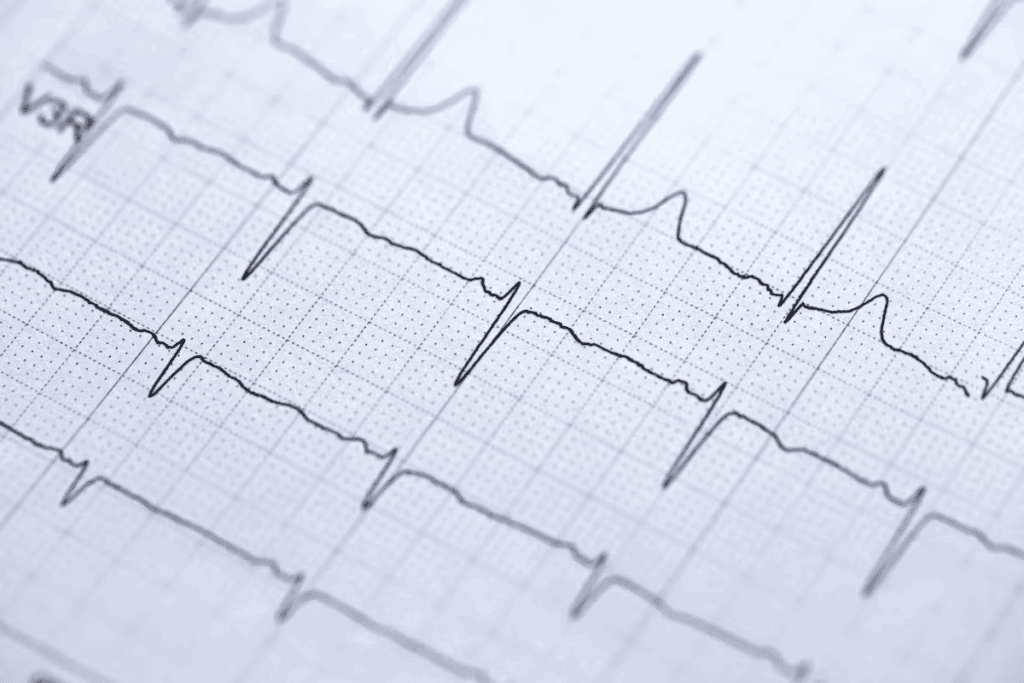
It’s important to know about heart attacks to prevent them and get help quickly. We’ll look at what a heart attack is, its symptoms, and how they can differ by age.
Definition and Mechanism of a Heart Attack
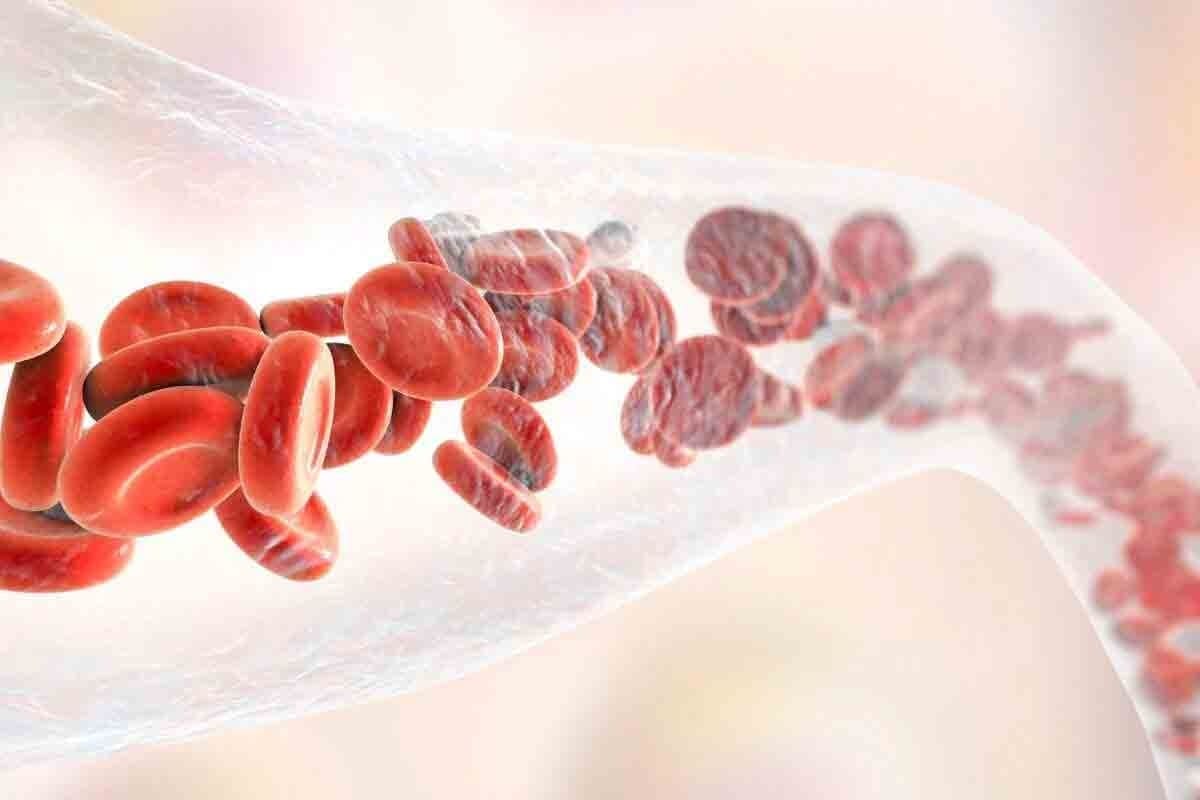
A heart attack happens when blood can’t reach part of the heart. This is often because of a blood clot or plaque in the heart’s arteries. The blockage is usually caused by a combination of factors, including plaque buildup (atherosclerosis) and the sudden formation of a blood clot.
Common Symptoms and Warning Signs
Knowing the signs of a heart attack is key to getting help fast. Symptoms include chest pain, feeling weak, and shortness of breath. It’s important to remember that not everyone has all these symptoms, and how bad they are can vary.
- Chest pain or discomfort
- Shortness of breath
- Pain or discomfort in one or both arms, the back, neck, jaw, or stomach
- Feeling weak, light-headed, or faint
How Symptoms Differ Between Age Groups
Heart attack symptoms can change a lot between younger and older people. Younger folks might feel sharp chest pain or discomfort in the back or jaw. Older adults might have the usual symptoms but also other signs because of other health issues. Knowing these differences is important for quick diagnosis and treatment.
For example, younger women might feel short of breath, nauseous, or tired without chest pain. This can make it harder to get diagnosed. On the other hand, older men are more likely to have the classic chest pain symptoms.
The Average Age of Heart Attack in America

Knowing the average age of heart attacks is key for preventing and treating them in America. Heart attacks happen when blood flow to the heart is blocked, causing heart muscle damage or death. Understanding this age helps us see who is most at risk.
Statistics for Men: Average Age 65
Men usually have their first heart attack around age 65. This is important because it shows men’s risk increases with age. Lifestyle, genetics, and health conditions all play a part in this.
Men tend to have heart attacks younger than women. This difference means we need to focus on preventing heart disease in men, and those with a family history of it.
Statistics for Women: Average Age 72
Women’s first heart attack usually happens at about 72 years old. The age gap between men and women is due to hormones and lifestyle differences.
Even though women are older on average, their risk goes up after menopause. Hormonal changes seem to affect heart health.
Historical Trends in Heart Attack Age
Heart attack ages have been dropping over time. This is worrying because it means heart attacks are happening to younger people. Obesity, less exercise, and other lifestyle changes are likely reasons.
Looking at these trends helps doctors and policymakers find ways to lower risk and improve heart health for everyone.
The Alarming Rise: Heart Attacks in Young Adults
Heart attacks in young adults are happening more often. This is changing how we think about heart disease and age. Young people are now facing this serious health issue more than ever before.
Recent Research Findings
Studies have shown that heart attacks in young adults are not as uncommon as we thought. Heart disease is becoming more common in younger people. This is leading to more hospital visits for heart attacks in this age group.
A study in a top medical journal found heart attacks in young adults are going up. This is due to more obesity, diabetes, and changes in lifestyle among the young.
The 2% Annual Increase in Young Heart Attack Patients
Heart attacks in young adults are going up by 2% every year. This is a worrying trend. It shows we need to focus more on preventing heart disease in the young.
This trend means heart disease is a bigger problem for young adults. Doctors are now watching for heart risks in this age group more closely.
Comparing U.S. Trends to Global Statistics
The rise in heart attacks in young adults is not just a U.S. problem. It’s happening all over the world. Looking at global data shows it’s a widespread issue.
Worldwide, many factors are causing this increase. These include lifestyle changes, diet, and less exercise. This shows we need a global effort to tackle this problem.
Understanding and preventing heart attacks in young adults is key. We must find ways to stop this alarming trend.
How Young Can Heart Attacks Happen?
Heart attacks are not just for older people. They can happen to anyone, at any age. While they are more common with age, young people can also have them. We’ll look at young survivors, the fact that one in five heart attack victims are under 40, and the warning signs often missed in the young.
Documented Cases of Very Young Heart Attack Survivors
Heart attacks have been reported in teens, though it’s rare. These cases get a lot of attention because they’re unexpected. A study in a medical journal showed heart attacks in young adults, stressing the need to watch for risk factors in all ages.
These young victims often have genetic conditions or other risk factors. Their stories show why we need to be aware and take preventive steps for everyone.
The One-in-Five Statistic: Heart Attacks Under Age 40
Research shows that about one in five heart attack survivors are now under 40. This is a big change in who gets heart attacks. It’s due to lifestyle changes, diet, and more risk factors like obesity and diabetes in the young.
- Increased prevalence of obesity and diabetes
- Rise in smoking and substance abuse
- Genetic predisposition
- Changing dietary habits and lack of physical activity
Warning Signs Often Missed in Young People
Young people often think heart attack symptoms are just stress or anxiety. Signs like chest pain, shortness of breath, or fatigue are often ignored. This can lead to serious delays in getting medical help.
“The key to improving outcomes in young heart attack patients is early recognition of symptoms and prompt medical intervention.”
A cardiologist’s statement
Teaching young people about heart attack warning signs is key. It’s important to know to seek help right away if these symptoms happen. This can help lower the number of heart attacks in the young and improve their outcomes.
Risk Factors Contributing to Early-Age Heart Attacks
Heart attacks among young people are becoming more common. It’s important to look at the risk factors behind this trend. Understanding these factors helps us find ways to prevent heart attacks in younger adults.
Traditional Cardiovascular Risk Factors
Even young people can face heart attack risks due to certain factors. These include:
- High Blood Pressure: High blood pressure can harm blood vessels and heart muscle.
- High Cholesterol: High levels of LDL cholesterol can cause artery blockages.
- Diabetes: Diabetes can damage blood vessels and nerves that control the heart.
- Smoking: Smoking harms the heart and increases blood pressure.
These risk factors often work together. For example, someone with diabetes might also have high blood pressure and cholesterol. This makes their heart attack risk even higher.
Genetic Predisposition and Family History
Genetics and family history also play a big role in heart attack risk. If your family has a history of heart disease, your risk goes up. This suggests a possible genetic link.
| Family History | Relative Risk |
| First-degree relative (parent or sibling) with heart disease before 55 (male) or 65 (female) | Increased risk |
| No first-degree relative with early heart disease | Lower risk |
Modern Lifestyle Factors Affecting Younger Generations
Today’s lifestyle also plays a big part in heart attack risks for young people. Factors include:
- Poor Diet: Eating too much fat, salt, and sugar can lead to obesity and high blood pressure.
- Physical Inactivity: Not moving enough can cause obesity and diabetes.
- Obesity: Being overweight increases heart disease risk due to diabetes and high blood pressure links.
Changing these lifestyle habits through education and public health efforts can help prevent heart attacks in young adults.
Substance Use and Its Impact on Young Heart Attack Risk
Substance abuse is a big reason why more young people are having heart attacks. Using recreational drugs can lead to heart problems, including heart attacks.
Recreational Drugs and Cardiovascular Health
Drugs like cocaine or amphetamines can cause blood flow to the heart to drop. This can lead to a heart attack, even if someone has no heart disease history. Young adults are at high risk because they might not know the dangers of these drugs.
Marijuana, Cocaine, and Heart Attack Correlation
Studies have found links between certain drugs and heart attack risks. Cocaine, for example, can put a lot of stress on the heart, leading to attacks in young users. Marijuana’s effects on the heart are less clear, but there are worries about its impact, mainly with frequent or high doses.
Vaping and Emerging Substance Risks
Vaping is a growing concern, with many young people using e-cigarettes without knowing the risks. Vaping can make the heart rate and blood pressure go up, which might lead to heart problems. As new substances and ways to use them come up, we need to watch their effects on the heart and teach people about the dangers.
Substance abuse is more common in young heart attack survivors. This shows we need to focus on prevention and awareness for this age group. By knowing the risks of substance use and heart health, we can lower heart attack rates in young adults.
Gender Differences in Heart Attack Age and Presentation
It’s important to know how heart attacks affect men and women differently. Heart attacks happen at different ages for men and women. Many factors play a role in these differences.
Why Women Experience Heart Attacks Later Than Men
Women usually have heart attacks later than men. The average age for a heart attack in women is about 72 years. Men have heart attacks at an average age of 65. Hormonal and lifestyle differences are key reasons for this gap.
The protective effects of estrogen before menopause help women avoid heart disease earlier. But after menopause, women’s risk of heart disease goes up fast. This makes their risk more like men’s.
Unique Risks for Women in Their 30s and 40s
Younger women don’t get heart attacks as often. But, certain risks can make heart attacks more likely in their 30s and 40s. These risks include high blood pressure, diabetes, and smoking. Pregnancy problems like preeclampsia also raise heart disease risks later on.
- Pregnancy-related hypertension
- Gestational diabetes
- Preeclampsia
Pregnancy and Postpartum Cardiovascular Complications
Pregnancy and after childbirth bring special heart risks for women. Problems like preeclampsia and gestational diabetes can make pregnancy harder. They also raise the chance of heart disease later.
Knowing these differences helps us create better prevention and treatment plans. This way, we can lower heart attack rates in both men and women.
Medical Treatment and Outcomes Across Age Groups
It’s important to know how heart attack treatment works for people of different ages. As we get older, our hearts change, which can affect how well we respond to treatment.
Diagnostic Challenges in Younger Patients
It’s hard to diagnose heart attacks in younger people because doctors often don’t think of heart disease in this age group. Doctors need to watch for unusual symptoms and think about other risk factors in younger patients with chest pain or heart problems.
Key diagnostic challenges include:
- Lower index of suspicion leading to delayed diagnosis
- Atypical presentation of symptoms
- Presence of non-traditional risk factors
Treatment Approaches Based on Age
How we treat heart attacks changes a lot based on the patient’s age and health. Older patients might need more careful treatment because of other health issues. Younger patients might get more aggressive treatments.
Considerations for treatment include:
- Assessing the presence of comorbid conditions
- Evaluating the patient’s overall cardiovascular health
- Tailoring medication and intervention strategies to the individual’s age and health status
Long-term Prognosis After an Early-Age Heart Attack
The outlook for someone who has a heart attack early in life is very important. Studies show that young survivors face big risks, like having another heart problem or other health issues later on.
Factors influencing long-term prognosis include:
- Adherence to prescribed treatment plans
- Lifestyle modifications to reduce cardiovascular risk
- Ongoing monitoring and management of heart health
By understanding these factors and adjusting treatments, we can help improve the health of heart attack survivors of all ages.
Prevention Strategies to Beat the Average Age of Heart Attack
Understanding and using effective prevention strategies is key to lowering heart attack risk. By focusing on heart health, people can make choices that greatly reduce their risk of heart disease.
Heart Health by Decade
Heart health tips change with age. Knowing these tips can help you take action early.
- In your 20s and 30s, start a healthy lifestyle with regular exercise and a balanced diet.
- In your 40s and 50s, keep an eye on your blood pressure and cholesterol, and manage stress.
- In your 60s and beyond, stay regular with check-ups and adjust your lifestyle to any new health issues.
Screening Guidelines
Screening for heart disease is key, more so as you get older or have risk factors.
- Start regular blood pressure checks in your 20s.
- Get your cholesterol checked from age 20, or sooner if you have risk factors.
- Talk to your doctor about your family history to see if more tests are needed.
Lifestyle Modifications
Making lifestyle changes can greatly improve heart health. Key changes include:
- Eating a heart-healthy diet full of fruits, veggies, and whole grains.
- Doing regular physical activity like walking, cycling, or swimming.
- Managing stress with meditation or yoga.
- Avoiding tobacco and drinking less alcohol.
By making these changes, people can lower their heart disease risk and possibly avoid heart attacks at an older age.
Conclusion: Changing the Heart Attack Narrative
Knowing the average age of heart attacks helps us take action for our heart health. We learn that catching it early, managing our lifestyle, and using new treatments can lower heart disease risk. This is true for people of all ages.
We can fight heart attacks by spreading the word about prevention and living healthy. It’s key to teach others about the dangers and signs, and to back research for better treatments. This is important for everyone, but even more so for the young.
To beat heart disease, we need to act together. We should eat right, exercise often, and make healthcare better for everyone. It’s also vital to keep learning and sharing the importance of heart health.
By focusing on prevention, supporting those who have had heart attacks, and aiming for a future with less heart disease, we can make a difference. This not only improves individual lives but also strengthens our communities.
FAQ
What is the average age for a heart attack?
Heart attack ages differ for men and women. Men usually have heart attacks around 65 years old. Women tend to have them at about 72 years old. But, heart attacks can happen to anyone, even the young.
Can you have a heart attack at a young age?
Yes, heart attacks can occur at any age, even in the young and children. Though rare, heart attacks in the very young are documented. They often link to specific risk factors or genetic conditions.
What are the common symptoms of a heart attack?
Symptoms include chest pain or discomfort, shortness of breath, and nausea. You might also feel lightheaded or have pain in your arms, back, neck, jaw, or stomach. Younger people might have different or less typical symptoms.
How do risk factors contribute to early-age heart attacks?
Risk factors like smoking, high blood pressure, and diabetes increase heart attack chances in the young. Lifestyle choices, such as being overweight or inactive, also play a big role.
Are there gender differences in heart attack age and presentation?
Yes, there are differences. Women usually have heart attacks later than men, at about 72 years old. Women in their 30s and 40s face unique risks. Their symptoms can sometimes be less typical or misinterpreted.
How does substance use impact the risk of heart attacks in young adults?
Substance use, like recreational drugs and vaping, raises heart attack risks in young adults. Certain substances can harm the heart, leading to conditions that may cause a heart attack.
What prevention strategies can help reduce the risk of heart attacks?
To prevent heart attacks, live a healthy lifestyle. Eat well, exercise regularly, don’t smoke, and manage stress. Screening based on age and risk can also help identify those at higher risk early on.
At what age should you start worrying about heart health?
It’s never too early to worry about heart health. Start healthy habits and know your risk factors early. Follow healthcare guidelines for screenings based on your individual risk.
Can lifestyle modifications really make a difference in heart health?
Yes, changing your lifestyle can greatly improve heart health. Improving your diet, exercising more, managing your weight, and reducing stress can all help lower heart disease and heart attack risks.
References
- Etudo, M. (2024, July 22). Heart attack age range: The average age of a heart attack is 65.5 years for males and 72 years for females. Medical News Today. https://www.medicalnewstoday.com/articles/heart-attack-age-range
- Lu, J. L., Wang, Y., & Arora, S. (2019). Myocardial infarction in young women: An unrecognized and growing epidemic. Circulation: Cardiovascular Quality & Outcomes. https://www.ncbi.nlm.nih.gov/articles/PMC6472911/
- Centers for Disease Control and Prevention. (2024, May 15). About women and heart disease. https://www.cdc.gov/heart-disease/about/women-and-heart-disease.html