Knowing when perimenopause starts is key for women going through this big change. It usually begins between ages 40 and 47. Most women start around 46 to 47.5 years old. Find out the average age of perimenopause onset. Learn the key hormonal shifts and symptoms that define this transition stage in women.
The Medical organization says perimenopause is the time before menopause. It’s when the body starts to stop having periods. Women can start noticing changes as early as their 30s or as late as their 50s.
Perimenopause is a big change in a woman’s life, marking the end of her childbearing years. Knowing the early signs helps women get the right medical care and support.
Key Takeaways
- Perimenopause typically begins between ages 40-47.
- The onset is usually around 46 to 47.5 years old.
- Symptoms can start as early as the 30s or as late as the 50s.
- Understanding early signs is key for seeking medical care.
- Liv Hospital supports women through this journey with compassionate care.
Understanding the Perimenopausal Transition
The journey to menopause starts with perimenopause. This phase is marked by hormonal changes and irregular menstrual cycles. It’s a significant time because it signals the end of a woman’s childbearing years.
What Defines Perimenopause
Perimenopause is the time before menopause when hormone levels drop. The Medical organization says it starts when the ovaries make less estrogen and progesterone. This phase can last from four to eight years, bringing irregular periods and various symptoms.
Key characteristics of perimenopause include:
- Irregular menstrual cycles
- Hormonal fluctuations
- Symptoms such as hot flashes and night sweats
- Sleep disturbances
- Emotional and cognitive changes
How Perimenopause Differs from Menopause
It’s important to know the difference between perimenopause and menopause. Menopause is when a woman hasn’t had a period for a year. Perimenopause is the time leading up to that.
Understanding this difference helps women prepare for the changes they’ll face. Knowing the difference between perimenopause and menopause helps women manage their symptoms better.
The length of perimenopause varies among women. Some may go through it quickly, while others may take longer. Knowing this helps women navigate this life change more effectively.
The Average Age of Perimenopause
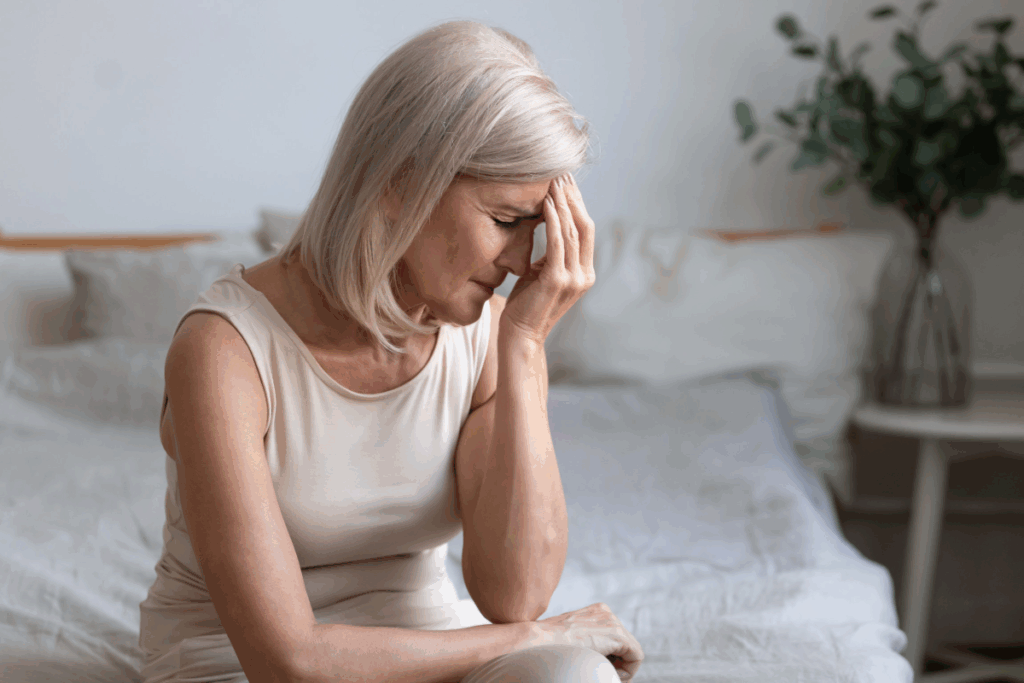
Knowing when perimenopause starts is key for women. It’s a big change in life. The age it starts can vary a lot, but there are patterns and factors to consider.
Statistical Norms: Mid-40s Onset
Most women start perimenopause in their mid-to-late 40s. The average age is around 46 to 47.5 years. This time brings hormonal changes and symptoms that signal menopause is coming.
Age Range for Perimenopause
Perimenopause can start as early as the mid-30s or as late as the 50s. The Office on Women’s Health says this wide range shows how different women’s experiences can be. Lifestyle, medical history, and genetics can affect when it starts.
Factors Influencing When Perimenopause Begins
Several things can affect when perimenopause starts. For example, smoking can make it start earlier. A family history of early menopause can also play a role. Medical treatments and conditions can also change the timing.
By knowing these factors and the average age range, women can prepare for perimenopause and menopause better.
Early-Onset Perimenopause: Starting in Your 30s
For some women, perimenopause starts in their 30s, not the usual mid-40s. This early start can surprise women, bringing physical and emotional changes.
Causes of Premature Perimenopause
Several factors can lead to perimenopause in a woman’s 30s. The Office on Women’s Health says smoking, a family history of early menopause, and cancer treatments can cause it. Genetic predispositions and certain medical conditions also play a part.
- Genetic Factors: Women with a family history of early menopause are more likely to experience early-onset perimenopause.
- Lifestyle Choices: Smoking has been linked to an earlier onset of menopause and perimenopause.
- Medical Treatments: Certain cancer treatments, such as chemotherapy and radiation, can induce early perimenopause.
Recognizing Early Signs Before 40
It’s important to recognize perimenopause signs in your 30s. This helps manage symptoms better. Common signs include:
- Irregular Periods: Changes in menstrual cycle length or heaviness of flow.
- Hot Flashes: Sudden feelings of heat, often accompanied by sweating.
- Mood Changes: Increased irritability, anxiety, or depression.
Knowing these signs and their causes helps women get the right care. This makes the transition smoother.
Hormonal Changes During the Perimenopausal Years
Perimenopause brings big changes in hormone levels, like estrogen and progesterone. These changes are a natural step towards menopause. But, they can really affect a woman’s body.
Estrogen and Progesterone Fluctuations
The ovaries start making less estrogen and progesterone during perimenopause. This leads to irregular periods and many symptoms. The Medical organization says these hormone changes can cause hot flashes, mood swings, and trouble sleeping.
Estrogen levels can swing a lot, sometimes being too high and sometimes too low. This unpredictability can cause symptoms like:
- Irregular periods
- Hot flashes
- Night sweats
- Mood swings
How Hormonal Shifts Affect Your Body
The hormonal changes in perimenopause can affect the body in many ways. For example, less estrogen can weaken bones, raising the risk of osteoporosis. Hormonal shifts can also affect mood, causing anxiety and depression.
Hormonal Change | Potential Symptoms |
Decrease in Estrogen | Hot flashes, Night sweats, Vaginal dryness |
Progesterone Fluctuations | Mood swings, Sleep disturbances, Irregular periods |
Medical Expert, “The hormonal changes of perimenopause can be quite dramatic. Understanding these changes is key to managing symptoms effectively.”
“Hormonal fluctuations during perimenopause can be challenging, but being aware of the changes can help women navigate this transition more smoothly.”
We know every woman’s experience with perimenopause is different. Symptoms can vary a lot. By understanding the hormonal changes, women can prepare for symptoms and get the right medical care.
Common Symptoms That Signal Perimenopause Has Started
Perimenopause starts with a mix of symptoms that differ for each woman. The Medical organization notes symptoms like changes in menstrual cycles, hot flashes, night sweats, and mood swings.
Menstrual Irregularities
One early sign is changes in menstrual cycles. This can mean irregular periods, either more or less often, or changes in how much blood is lost.
- Shorter or longer menstrual cycles
- Heavier or lighter bleeding
- Skipped periods
Hot Flashes and Night Sweats
Hot flashes are sudden feelings of heat, often with sweating and flushing. Night sweats happen during sleep, making it hard to rest.
“Hot flashes are one of the most common symptoms of perimenopause, affecting many women to varying degrees.”
Sleep Disturbances
Sleep problems are common in perimenopause. They can be due to hot flashes and night sweats, or hormonal changes.
- Difficulty falling asleep
- Frequent awakenings
- Poor sleep quality
Emotional and Cognitive Changes
Many women feel mood swings and cognitive changes during perimenopause. This includes irritability, anxiety, and “brain fog.”
- Mood swings and emotional changes
- Difficulty concentrating
- Memory issues
Knowing these symptoms helps women recognize when they’re entering perimenopause. They can then seek the right care.
The Timeline: From Perimenopause to Menopause
Knowing the timeline from perimenopause to menopause is key for women going through this big change. The perimenopausal phase, which can last several years, shows big hormonal changes. These changes signal that menopause is coming.
Average Duration of the Perimenopausal Phase
The perimenopausal phase usually lasts between four to eight years before menstrual periods stop for good. The Medical organization says perimenopause can last from a few months to ten years. The average is about four to eight years.
This range is because of differences in hormonal changes and health among women. Knowing this timeline helps women prepare for the next stage of their menopausal journey. It lets them plan and manage their health better during this time.
When to Expect Menopause After Perimenopause Begins
Menopause is diagnosed after 12 months without menstrual bleeding. The time to menopause varies a lot among women. It depends on genetics, lifestyle, and health.
Duration | Description | Average Age |
Short-term | A few months to 2 years | 45-50 |
Average | 4-8 years | 47-52 |
Long-term | Up to 10 years | 40-55 |
Table: Variability in the Duration of Perimenopause
The table shows how different the duration of perimenopause can be. Some women have a shorter transition, while others have a longer one. Knowing these differences helps women and healthcare providers prepare for menopause.
Does Menopause Happen Suddenly? Debunking Myths
Menopause is not a sudden event. It’s a gradual change that can take years. Women go through perimenopause, a time of hormonal shifts, before menopause starts.
The Office on Women’s Health says menopause is a natural process. It happens slowly as hormone levels, like estrogen, drop. This drop causes the symptoms we know as menopause.
The Gradual Nature of Hormonal Transition
Estrogen levels fall slowly during menopause. This fall can cause hot flashes, night sweats, and changes in menstrual cycles. How fast this happens can vary a lot between women.
Estrogen changes are key to perimenopause symptoms. As estrogen levels go up and down, women may feel mood swings, sleep issues, and changes in sex drive.
Why Some Women Experience Seemingly Sudden Symptoms
Even though menopause is gradual, some women have sudden or severe symptoms. These can happen due to big hormonal changes or other factors like lifestyle changes or health issues. For example, a big drop in estrogen can cause intense hot flashes or night sweats.
“The symptoms of menopause can be unpredictable and vary widely among women. Understanding that these symptoms are part of a gradual process can help women cope better.”
It’s important for women to know about the gradual nature of menopause and the chance for sudden symptoms. By understanding these changes, women can handle their symptoms better and get medical help when needed.
When to Consult a Doctor About Perimenopausal Symptoms
Knowing when to see a doctor about perimenopausal symptoms is key to staying healthy. Many symptoms are normal, but some can really disrupt your life.
Distinguishing Normal Changes from Concerning Symptoms
It’s important to tell normal symptoms from ones that need a doctor’s help. The Medical organization says to see a doctor if you have heavy bleeding, severe symptoms, or if you’re worried about your symptoms. Symptoms that may need a doctor’s visit include:
- Heavy or irregular menstrual bleeding
- Severe hot flashes or night sweats
- Significant changes in mood or cognitive function
These symptoms can really affect your life. Seeing a healthcare provider can help and offer guidance.
Treatment Options for Managing Perimenopause
There are many ways to handle perimenopausal symptoms. Lifestyle changes are a good start, like eating better, exercising, and managing stress. For some, hormone therapy might be suggested to help with severe symptoms.
Other treatments might be needed based on your symptoms. Talking to a healthcare provider can help you get the right care and support.
Perimenopause can be tough, but with the right help, you can manage your symptoms and live better.
Conclusion: Navigating Your Unique Perimenopausal Journey
Every woman’s experience with perimenopause is different. It’s shaped by genetics, lifestyle, and health. The Office on Women’s Health says it’s all about finding what works for you.
Knowing the symptoms, how long it lasts, and what treatments are out there helps. It lets women take charge of their journey. We stress the need to stay informed and get the right care.
Understanding that your journey is your own is key. Knowing what affects perimenopause and menopause helps. Women can then take steps to handle symptoms and feel better.
FAQ
What is perimenopause, and how does it differ from menopause?
Perimenopause is the time before menopause when hormone levels drop. Menopause is when you haven’t had a period for 12 months.
At what age does perimenopause usually begin?
It usually starts between 40 and 47 years old. The average age is around 46 to 47.5.
Can perimenopause start in my 30s?
Yes, it can start in the 30s, but it’s less common. Factors like genetics, smoking, and medical treatments can cause it.
What are the common symptoms of perimenopause?
Symptoms include irregular periods, hot flashes, and mood swings. You might also experience sleep issues and “brain fog.”
How long does perimenopause last?
It usually lasts four to eight years. But it can vary a lot from one woman to another.
Does menopause happen suddenly?
No, it’s a gradual process that takes years. While symptoms can be sudden, menopause itself isn’t sudden.
What factors influence when perimenopause begins?
Lifestyle choices, family history, and medical conditions can affect when it starts.
When should I consult a doctor about perimenopausal symptoms?
See a doctor if you have heavy or irregular bleeding, severe hot flashes, or other symptoms that bother you.
What treatment options are available for managing perimenopause?
Options include lifestyle changes, hormone therapy, and other medical treatments. These can help manage symptoms.
Can lifestyle choices affect the onset of perimenopause?
Yes, choices like smoking can influence when it starts.
How do hormonal changes during perimenopause affect the body?
The drop in estrogen and progesterone causes hormone level changes. This leads to various symptoms.
References
National Center for Biotechnology Information. Evidence-Based Medical Guidance. Retrieved from https://www.ncbi.nlm.nih.gov/pmc/articles/PMC5558404[4