Last Updated on November 20, 2025 by Ugurkan Demir

Sickle cell disease is a group of inherited blood disorders. It affects thousands of people around the world. Knowing how long someone with this condition can live is key to better care and a better life.
At Liv Hospital, patients and families get top-notch care. They work hard to improve life for those with sickle cell disease. The life expectancy for individuals with sickle cell anemia is about 52.6 years in the United States.
Many things can affect how long someone with sickle cell disease lives. It’s important to understand these factors. This helps doctors create better treatment plans.
Key Takeaways
- Life expectancy for individuals with sickle cell anemia is approximately 52.6 years in the United States.
- Sickle cell disease is a group of inherited hemoglobin-related blood disorders.
- Effective medical care and improved quality of life are key for those with sickle cell disease.
- Several factors influence the life expectancy of individuals with sickle cell anemia.
- Understanding these factors is essential for developing effective treatment plans.
What is Sickle Cell Anemia?

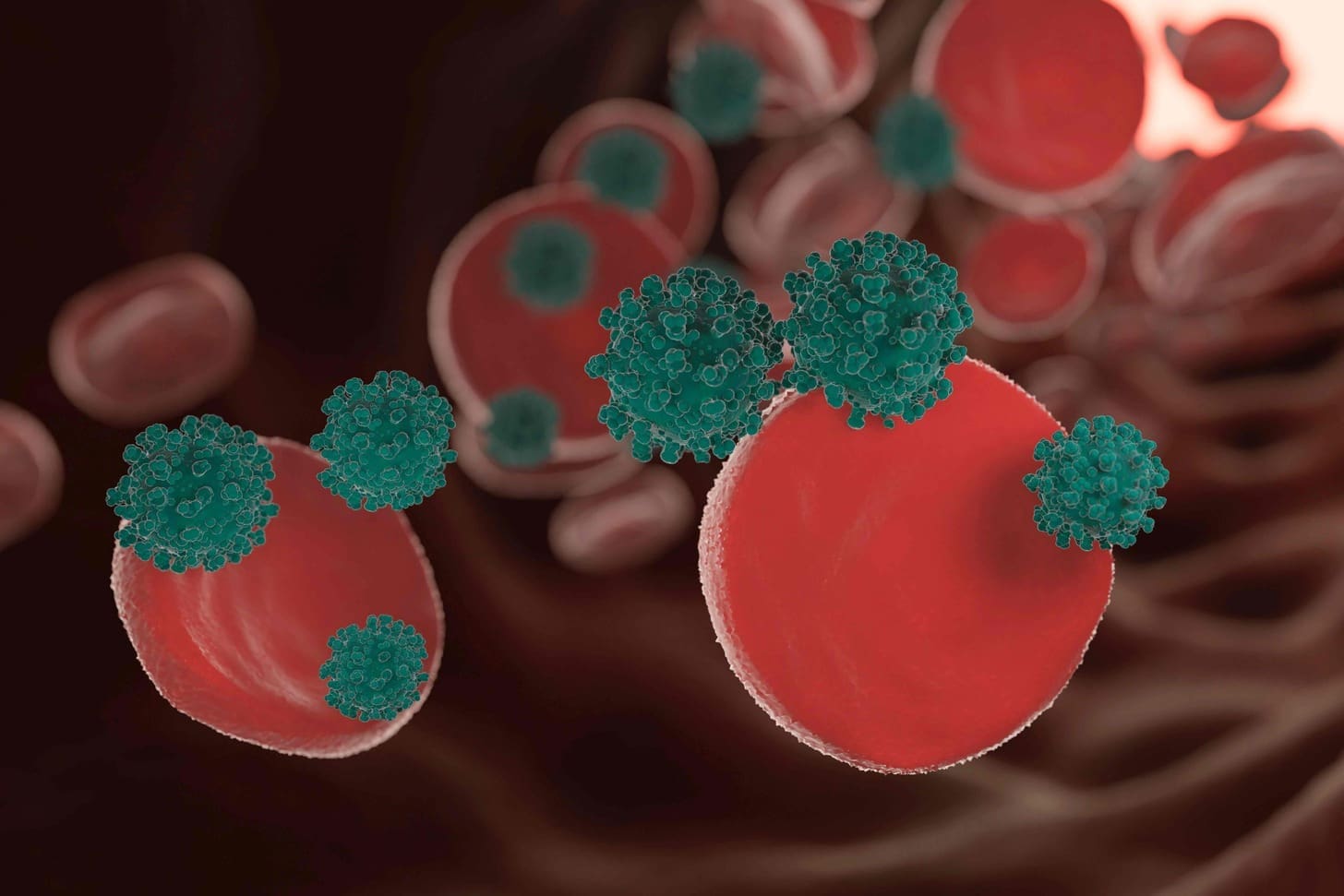
Sickle cell disease is a condition where the body makes abnormal hemoglobin. This leads to red blood cells that are misshapen. It’s a genetic disorder that affects how blood carries oxygen, causing health problems.
The Genetic Basis of Sickle Cell Disease
Sickle cell anemia comes from a mutation in the HBB gene. This gene codes for a part of hemoglobin. The mutation causes the production of abnormal hemoglobin, known as sickle hemoglobin or hemoglobin S.
This genetic defect is inherited in an autosomal recessive pattern. This means a person needs two defective copies of the gene (one from each parent) to have the disease.
How Sickle Cell Affects the Body
Sickle cell disease impacts the body in many ways. The abnormal hemoglobin makes red blood cells misshapen and rigid. This leads to their early destruction, causing anemia.
The misshapen cells can also block small blood vessels. This reduces blood flow and causes pain crises, organ damage, and other issues.
| Organ/System | Effect of Sickle Cell Disease |
| Blood | Anemia, reduced oxygen delivery |
| Vasculature | Vaso-occlusive crises, pain episodes |
| Organs | Damage to spleen, liver, kidneys |
The Average Lifespan for Sickle Cell Anemia in the United States

In the U.S., the life expectancy for those with sickle cell anemia is a key measure. This genetic disorder affects how red blood cells carry oxygen. It leads to health problems like pain crises and organ damage.
Knowing the current life expectancy stats is vital for both patients and doctors.
Current Life Expectancy Statistics
Studies show that people with sickle cell anemia can live between 58 and 66 years with good care. But, the average life span is about 52.6 years. This shows how important quality care is.
Life expectancy statistics also reveal a big gap. On average, sickle cell anemia patients live 20 years less than the general population.
Comparison to General Population
When comparing sickle cell anemia patients to the general population, a big gap is seen. People with sickle cell anemia live about 52.6 years, while the average person lives 72.8 years.
| Population Group | Average Lifespan (Years) |
| Sickle Cell Anemia Patients | 52.6 |
| General Population | 72.8 |
This comparison highlights the need for more research and better healthcare to close this gap.
Historical Perspective: How Life Expectancy Has Improved
The history of sickle cell anemia shows a big jump in life expectancy thanks to medical progress. In recent years, how we treat and manage sickle cell anemia has changed a lot. This change has greatly helped people with this condition live longer.
Life Expectancy in Previous Decades
In the old days, sickle cell anemia meant a much shorter life. People with the disease faced many health problems, cutting their life short. But, over time, life expectancy for sickle cell patients has slowly gone up.
Looking back, we see that sickle cell patients are living longer. This is thanks to better medical care and a deeper understanding of the disease.
Medical Advances That Changed Survival Rates
Many medical breakthroughs have helped sickle cell patients live longer. Improved screening methods help catch the disease early. This makes managing it easier.
- Advances in pain management and crisis intervention
- Increased use of blood transfusions to reduce complications
- Development of medications such as hydroxyurea to reduce disease severity
These changes have all helped increase life expectancy for sickle cell patients. As medical science keeps getting better, we can expect even more improvements in survival rates.
Factors That Influence Life Expectancy in Sickle Cell Patients
It’s important to know what affects life expectancy in sickle cell disease. The life span of those with sickle cell anemia depends on many things. These include genetics, medical care, and social factors.
Genetic Variants and Disease Severity
Genetics greatly affect how sickle cell disease is. Some genetic changes can make the disease worse. For example, having α-thalassemia can change how severe the disease is.
Quality of Medical Care
The care a sickle cell patient gets is very important. New treatments like hydroxyurea and blood transfusions help a lot. Getting the right care and following treatment plans is key.
Socioeconomic Factors
Socioeconomic factors also matter a lot. Things like insurance and social status can affect life expectancy. Better insurance means better health outcomes. Working to fix these issues is vital.
In summary, many factors influence life expectancy in sickle cell patients. Understanding and tackling these factors is essential for better health and life quality.
Gender Differences in Sickle Cell Survival Rates
Sickle cell anemia affects life expectancy differently for males and females. Females usually live longer. Studies show that gender is key in survival rates for sickle cell patients.
Why Females Generally Live Longer
Research finds that females with sickle cell disease live longer than males. Hormonal and genetic factors help females survive longer.
Hormonal influences are a big reason for the survival gap. Estrogen protects the blood vessels. This might lessen sickle cell’s harm.
Hormonal and Biological Factors
Hormonal and biological factors greatly impact sickle cell patients’ lifespan. Sex hormones affect pain crises and disease severity. This is true for both males and females.
Genetic factors, like those on the X chromosome, also play a part. Knowing these factors helps in creating better treatments for sickle cell anemia.
Major Complications That Impact Lifespan
Sickle cell disease brings many serious problems that shorten life. Adults with the disease face dangers like stroke, organ damage, and severe pain. These issues can cut life expectancy down a lot.
Acute Chest Syndrome
Acute chest syndrome (ACS) is a big problem for sickle cell patients. It causes new lung issues, fever, and pain. Managing ACS includes oxygen, pain relief, and sometimes blood transfusions.
Stroke Risk
Stroke is a big worry for sickle cell patients, even in adults. Sickled red blood cells can block brain blood vessels. The National Institutes of Health says stroke can cause lasting brain damage.
Organ Damage
Sickle cell disease harms many organs. It affects the kidneys, liver, and heart. For example, it can cause kidney disease and need for dialysis or transplant.
Pain Crises and Their Long-term Effects
Pain crises are common in sickle cell disease. They happen when sickled cells block blood flow. This can cause long-term pain and affect quality of life.
| Complication | Description | Impact on Lifespan |
| Acute Chest Syndrome | A condition characterized by a new pulmonary infiltrate, often with fever and respiratory symptoms. | Can lead to significant morbidity and mortality, reducing lifespan. |
| Stroke | Vaso-occlusion in cerebral vessels leading to stroke. | Increases risk of long-term neurological deficits and mortality. |
| Organ Damage | Chronic damage to organs like kidneys, liver, and heart due to vaso-occlusion and hemolysis. | Can lead to organ failure, significantly impacting lifespan. |
| Pain Crises | Episodes of pain due to vaso-occlusion. | Frequent crises can reduce quality of life and contribute to chronic pain. |
Modern Treatments Extending Life for Sickle Cell Patients
Modern treatments are changing how sickle cell disease is managed. They offer hope to those affected. Advances in medicine have led to new therapies. These therapies are improving life quality and expectancy for those with the disease.
Hydroxyurea and Other Medications
Hydroxyurea is a drug that helps reduce painful crises and may increase survival in adults with sickle cell anemia. Other drugs like voxelotor and crizanlizumab are also approved. They help by reducing hemolysis and vaso-occlusive crises.
Key Benefits of Hydroxyurea:
- Reduces frequency of painful crises
- May improve survival rates
- Can reduce the need for blood transfusions
Blood Transfusions
Blood transfusions are a key treatment for sickle cell disease. They help lower the risk of stroke and acute chest syndrome. Regular transfusions also manage anemia and improve health.
| Treatment | Benefits | Risks |
| Blood Transfusions | Reduces risk of stroke and acute chest syndrome | Risk of iron overload, transfusion reactions |
| Hydroxyurea | Reduces painful crises, may improve survival | Potential side effects include neutropenia, hair loss |
Stem Cell Transplantation
Stem cell transplantation is the only cure for sickle cell disease. It replaces the patient’s bone marrow with healthy marrow from a donor.
Considerations for Stem Cell Transplantation:
- Requires a compatible donor
- Involves significant risks, including graft-versus-host disease
- Can be curative for eligible patients
Gene Therapy: The Future of Treatment
Gene therapy is a promising area in sickle cell disease treatment. It aims to correct the genetic mutation causing the disease. This could provide a definitive cure.
Though in the experimental phase, gene therapy has shown promising results. It offers a possible cure for this debilitating disease.
Childhood Interventions and Their Impact on Longevity
Early childhood interventions are key in extending the lives of those with sickle cell anemia. By starting preventive care and treatment early, doctors can greatly improve outcomes. This helps patients live longer and healthier lives.
Newborn Screening Programs
Newborn screening programs are vital in catching sickle cell disease early. They use a simple blood test to spot sickle hemoglobin. This early detection lets doctors start care and monitoring, lowering the chance of serious problems.
- Early detection of sickle cell disease
- Timely initiation of preventive care
- Reduced risk of severe complications
Early Preventive Care
Early preventive care is essential for managing sickle cell disease. It includes regular check-ups, watching for signs of trouble, and using medicines like hydroxyurea. Starting care early helps kids with sickle cell disease stay healthier.
Key components of early preventive care include:
- Regular health check-ups
- Monitoring for complications
- Use of preventive medications
Vaccination Protocols
Vaccination protocols are critical for kids with sickle cell disease. They are more at risk for infections because of their condition. Vaccines against pneumococcus, meningococcus, and flu are very important.
By sticking to recommended vaccines, kids with sickle cell disease can greatly lower their risk of serious infections. This improves their health and life expectancy.
Living Well with Sickle Cell: Lifestyle Factors That Affect Prognosis
Lifestyle choices greatly impact the future for those with sickle cell disease. By making smart choices, patients can live better and possibly live longer.
Nutrition and Hydration
Nutrition and hydration are key for managing sickle cell. Eating well and drinking enough water helps keep health up. It also lowers the chance of dehydration crises.
Eat a variety of foods like fruits, veggies, whole grains, and lean meats. Drinking lots of water is also important.
Exercise Considerations
Exercise is good for health, but those with sickle cell must be careful. It’s okay to be active, but don’t overdo it or get too hot or cold.
Try low-impact activities like walking, swimming, or yoga. Always talk to your doctor about your exercise plan.
Stress Management
Stress management is important for those with sickle cell. Techniques like meditation, deep breathing, or mindfulness can help. They can make you feel less stressed.
Doing things you enjoy can also help. Look into support groups or counseling for extra help with stress.
Avoiding Triggers
It’s important to know and avoid triggers that can cause crises. Things like extreme weather, high places, and some medicines can be triggers.
Find out what triggers you and take steps to avoid them. Keeping a health journal can help you track your triggers.
Healthcare Disparities and Access to Care
Healthcare access and quality vary, affecting sickle cell patients’ life expectancy. These disparities impact not just how long they live but also the quality of their lives.
Insurance Coverage and Life Expectancy
Insurance coverage is key to sickle cell patients’ life expectancy. Research shows those with good insurance do better health-wise than those without.
Being able to see doctors regularly is important. This includes getting preventive care and quick treatment for problems. A study in the Journal of General Internal Medicine found Medicaid patients with sickle cell disease had more hospital stays and ER visits than those with private insurance.
| Insurance Type | Average Life Expectancy | Hospitalization Rate |
| Private Insurance | 45-50 years | 20% |
| Medicaid | 40-45 years | 35% |
| Uninsured | 35-40 years | 50% |
Geographic Differences in Care Quality
Where you live affects your care quality. Cities usually have better healthcare and specialists than rural areas.
Regional disparities in healthcare lead to life expectancy differences. For example, city dwellers get more hydroxyurea therapy, a key sickle cell treatment, than rural folks.
Addressing Systemic Inequalities
To fix healthcare disparities, we must tackle systemic inequalities. This means better insurance, more specialized care, and fair healthcare policies.
By addressing these disparities, we can improve life expectancy and quality of life for sickle cell patients.
Psychological Aspects and Quality of Life
Living with sickle cell anemia is tough, both physically and mentally. It can really affect how well someone lives. It’s key to handle the mental side to stay well and live a good life.
Mental Health Challenges
People with sickle cell disease often deal with anxiety, depression, and stress. The disease is ongoing, and pain can come and go without warning. This can really mess with their mental health.
Common mental health issues include:
- Anxiety from pain and hospital stays
- Depression from being sick all the time and not being able to do things
- Stress from not knowing when the disease will act up again
Coping Strategies
It’s important to find ways to deal with the mental side of sickle cell disease. Some good strategies are:
- Cognitive-behavioral therapy (CBT) to change negative thoughts
- Mindfulness and relaxation to lower stress
- Support groups to meet others who get it
Support Systems
Having a strong support system is key for those with sickle cell anemia. This includes family, friends, doctors, and support groups. A good network helps with the emotional and mental parts of the disease.
| Support System | Description | Benefits |
| Family and Friends | Emotional support and help with daily tasks | Less feeling alone, more help with everyday things |
| Healthcare Providers | Medical care and advice | Right treatment, reassurance |
| Support Groups | Meeting others with sickle cell disease | Sharing experiences, feeling less alone |
By tackling the mental side of sickle cell disease and having strong support, people can live better lives. They can handle the tough parts of their condition better.
Conclusion: The Future Outlook for Sickle Cell Life Expectancy
The outlook for people with sickle cell disease is getting better. This is thanks to new medical care and ways to manage the disease. Life expectancy has gone up a lot, and it’s expected to keep getting better.
Medicines like hydroxyurea, blood transfusions, and gene therapy are helping patients live better lives. Early screenings and care are also making a big difference. This has led to more people living longer with the disease.
As scientists learn more about sickle cell disease, the outlook will only get brighter. Knowing how long someone with sickle cell disease lives depends on many things. These include good healthcare, money, and health problems. By working on these areas and using new treatments, the future looks hopeful for those with sickle cell disease.
FAQ
What is the average lifespan of a person with sickle cell anemia?
People with sickle cell anemia can live longer than before. In the U.S., they can live up to 40-60 years. This depends on the quality of their medical care.
How has life expectancy for sickle cell anemia changed over the decades?
Life expectancy has greatly improved. This is thanks to better medical care. Advances include hydroxyurea, improved blood transfusions, and managing complications better.
What factors influence life expectancy in sickle cell patients?
Several things affect how long sickle cell patients live. These include their genetic makeup, medical care, social status, and access to healthcare.
Why do females with sickle cell disease generally live longer than males?
Females tend to live longer due to hormones. Estrogen may protect them from the disease’s effects. This could be why they often outlive males.
What are the major complications of sickle cell disease that impact lifespan?
Serious complications include acute chest syndrome, stroke, and organ damage. These can also cause frequent pain crises, affecting the body long-term.
How do modern treatments extend life for sickle cell patients?
New treatments like hydroxyurea and blood transfusions help. Stem cell transplants and gene therapies are also improving lives. They reduce complications and their severity.
What childhood interventions impact the longevity of sickle cell patients?
Early interventions are key. Newborn screening, preventive care, and vaccinations are vital. They help improve life expectancy and quality of life.
How do lifestyle factors affect the prognosis of sickle cell patients?
Lifestyle choices matter a lot. Eating right, staying hydrated, exercising, managing stress, and avoiding triggers can greatly improve prognosis and quality of life.
How do healthcare disparities affect life expectancy for sickle cell patients?
Disparities in healthcare can harm sickle cell patients. Issues like insurance gaps, care quality differences, and systemic inequalities limit access to necessary care. This can shorten their lives.
What is the importance of mental health support for individuals with sickle cell disease?
Mental health support is vital. Sickle cell disease can cause a lot of stress. Having coping strategies and support systems is essential for a good quality of life.
What is the future outlook for life expectancy in sickle cell disease?
The outlook is hopeful. Advances in treatments, like gene therapy, are expected to improve life expectancy and quality of life for those with sickle cell disease.
References:
- Jiao, B., et al. (2023). Quantifying the life expectancy gap for people living with sickle cell disease. Blood Advances, 7(6), 1568-1578. https://pmc.ncbi.nlm.nih.gov/articles/PMC10336259/
- Kaltwasser, J. (2023). Sickle cell disease cuts 20 years from life expectancy, study finds. The American Journal of Managed Care, 29(4), e134-e140. https://www.ajmc.com/view/sickle-cell-disease-cuts-20-years-from-life-expectancy-study-finds