Last Updated on October 21, 2025 by mcelik
As a parent, making sure your child eats a balanced diet is key. It helps with their growth, play, and brain health. A 7-year-old needs about 1,200“2,000 kcal/day, based on how active they are. It’s important to focus on whole, nutrient-rich foods. When planning meals for older children, understanding portion sizes”like the average size for 14 year old boy meat servings”can help ensure they’re getting the right amount of protein for healthy development.
A children’s meal plan should meet these needs. It should include a serving size of foods chart for portion control. A balanced diet for a child of 5 to 12 years is vital for their health and happiness.
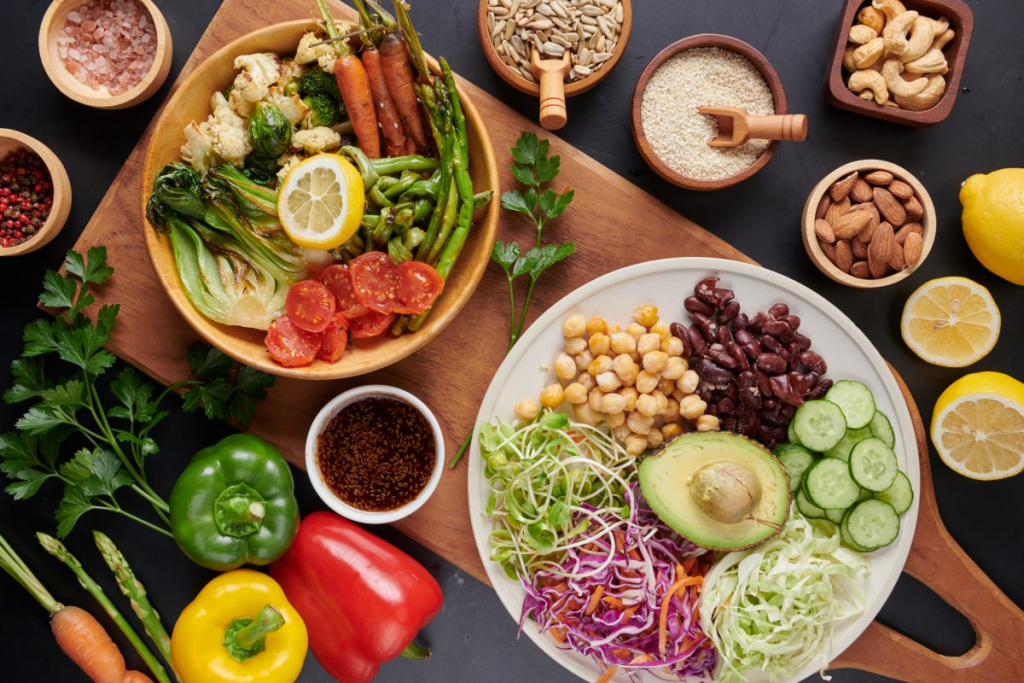
It’s important to give your child the right nutrients for their growth. Eating whole foods and the right amount of calories helps them do well.
Key Takeaways
- A 7-year-old needs 1,200-2,000 kcal/day depending on activity level.
- A balanced diet is key to growth, play, and brain health.
- Eating a variety of whole, nutrient-rich foods is essential.
- A children’s meal plan with serving sizes helps with portion control.
- A well-balanced diet is the basis for lifelong health.
Nutritional Requirements for Growing 7-Year-Olds
It’s important to know what a 7-year-old needs to eat for growth. At this age, kids are always on the move and their bodies are changing. They need a mix of nutrients to stay healthy.
Daily Caloric Needs
Children aged 7 need between 1,200 to 2,000 calories a day. This amount helps them have enough energy for play, growth, and basic needs.
Active kids might need more calories to keep up with their energy use. Parents and caregivers should know this to make sure kids get enough to eat.
Macronutrient Balance
A good diet for a 7-year-old has the right mix of macronutrients. The American Heart Association says kids should get 25-35% of their calories from fat. This fat is important for brain health, vitamin absorption, and energy.
- Carbohydrates: Should be the main energy source, making up 45-65% of total daily calories.
- Protein: Important for growth and repair, protein should be 10-30% of daily calories.
- Fats: As mentioned, 25-35% of daily calories should come from fat, focusing on healthy fats.
Key Vitamins and Minerals
Vitamins and minerals are key for a child’s health and growth. Important nutrients include:
- Calcium: Important for bone growth.
- Vitamin D: Helps with calcium absorption and bone health.
- Iron: Essential for healthy red blood cells.
- Zinc: Supports immune function and growth.
It’s important to make sure kids get enough of these nutrients. A balanced diet or supplements can help with their healthy development.
Essential Food Groups and Serving Sizes
For a 7-year-old, a balanced diet is key to healthy growth. It involves the right serving sizes of various food groups. Ensuring children get the right amounts from each group is vital for their nutrition.
Protein Sources
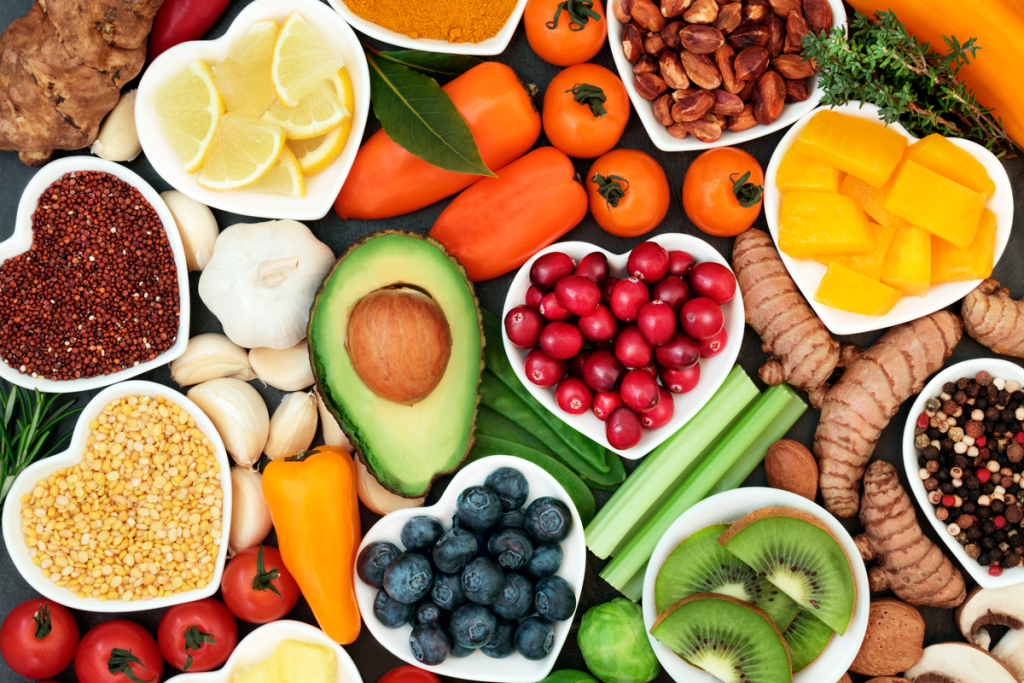
Children aged 7 need 3-5.5 ounces of protein daily. Protein sources include meat, poultry, seafood, beans, peas, eggs, nuts, and seeds. For example, 1 ounce of protein is like 1 ounce of cooked meat, 1 egg, or 1 tablespoon of peanut butter.
Dairy Products
It’s recommended that children have 2.5 cups of dairy products daily. Dairy includes milk, cheese, and yogurt. These are key for bone growth, providing calcium and vitamin D.
Fruits and Vegetables
Children should aim for 1-2.5 cups of fruits and vegetables daily. Eating a variety of colors ensures a range of vitamins and minerals. Dark green, red, and orange vegetables are very nutritious.
Whole and Refined Grains
Daily intake should include 4-6 ounces of grains, focusing on whole grains. Whole grains offer fiber, B vitamins, and minerals. Examples include brown rice, whole wheat bread, and oatmeal.
By understanding and implementing these serving sizes, parents can create a practical healthy eating plan for their children. A balanced diet supports overall health and development.
Comparing Average Size for 14-Year-Old Boy Meat Portions to 7-Year-Old Needs
It’s important to know how much protein kids need at different ages. As they grow, their diet must change to support their development.
Age-Appropriate Protein Portions
Protein needs change with age. A 7-year-old needs about 3-5.5 ounces of protein daily. A 14-year-old boy, being bigger and more active, needs more to support growth and energy.
“Protein is a critical component of a child’s diet, supporting growth and development.” It’s also important to choose high-quality protein sources. Lean meats, fish, eggs, dairy, and legumes are great options.
Growth-Based Nutritional Differences
Nutritional needs change as kids grow. For example, pre-teens around 13 need about 2,200 calories daily. Teenage boys might need up to 3,200 calories due to higher energy needs and growth spurts.
The calorie needs of a 7-year-old and a 14-year-old boy show their different development stages. It’s not just about how much food they eat but also the quality of their diet. A balanced diet is key for their health.
Adjusting Serving Sizes by Age
It’s important to adjust serving sizes as kids get older. As they enter adolescence, their serving sizes should increase to meet their higher caloric and nutrient needs.
- Younger children (around 4 years old) need smaller portions to help establish healthy eating habits.
- Older children (around 10 years old) need larger portions to meet their increased energy needs.
- Teenagers, and boys in particular, need substantial portions to support their high energy expenditure and growth.
Understanding these differences helps parents and caregivers plan meals that meet the nutritional needs of kids at different stages of development.
Hydration and Beverage Choices
Children need enough fluids to keep their bodies working right. Drinking enough water helps them stay energetic and grow well. It also helps their bodies function properly.
Daily Water Requirements
Children should drink about 5 cups (1.2 L) of fluid every day. Water is the best choice. We suggest kids drink water often, like when they’re active or after they’ve played.
It’s key to think about what they eat and drink too. Foods like milk and diluted fruit juices also help them stay hydrated.
Limiting Sugary Drinks
Drinks like soda, sports drinks, and sweetened teas or coffees should be cut down. They have lots of calories and sugar. This can lead to health problems like obesity and tooth decay.
We tell parents to check labels and pick drinks without added sugars. Drinking water is a good habit for kids’ health.
Milk and Dairy Alternatives
Milk is vital for kids, giving them calcium, vitamin D, and protein. Kids aged 7 should have 2.5 cups of dairy products a day. This can be milk, yogurt, or cheese.
For kids who can’t have milk or prefer something else, soy milk or almond milk can work. Just make sure they have calcium and vitamin D added.
By choosing the right drinks, parents can teach their kids to stay hydrated in a healthy way.
Creating Balanced Daily Meals
Creating healthy eating plans for kids is all about their needs, lifestyle, and likes. We’ll show you how to make a balanced meal plan. This includes breakfast, lunch, dinner, and snacks.
Breakfast: The Essential Start
Breakfast is key for kids to start the day right. It gives them the energy they need. Try oatmeal with fruit, whole-grain toast with avocado, or scrambled eggs with veggies. Make sure to mix different food groups for a good start.
Tips for a healthy breakfast:
- Include a source of protein like eggs or Greek yogurt.
- Add whole grains such as whole-wheat toast or oatmeal.
- Incorporate fruits or vegetables for vitamins and fiber.
Nutritious Lunch Options
Lunch should keep energy up all day. A good lunch might be a whole-grain sandwich with lean protein and veggies, a salad with grilled chicken, or lentil soup with whole-grain bread. Let your child help plan meals to encourage healthy eating.
Consider the following for a balanced lunch:
- Whole grains like brown rice, quinoa, or whole-wheat bread.
- Lean proteins such as chicken, fish, or legumes.
- A variety of colorful vegetables for essential vitamins and minerals.
Healthy Dinner Combinations
Dinner is a chance to add nutrients missed during the day. Healthy dinners might be grilled chicken or fish with roasted veggies and quinoa, or a stir-fry with lean protein, mixed veggies, and brown rice. Try to avoid processed foods and added sugars.
Key elements for a healthy dinner:
- Choose lean protein sources.
- Incorporate a variety of vegetables.
- Use whole grains like quinoa, brown rice, or whole-wheat pasta.
Smart Snacking Strategies
Snacks are important for kids, adding extra nutrients. Good snack choices are fruits, carrot sticks with hummus, or nuts and dried fruits. Pick snacks that are full of nutrients but low in added sugars and unhealthy fats.
Tips for smart snacking:
- Offer a variety of fruits and vegetables.
- Include protein-rich snacks like nuts or yogurt.
- Limit processed snack foods.
Foods to Limit or Avoid
Helping kids eat healthier means knowing which foods to avoid. A balanced diet includes many nutritious foods. It also means watching out for foods that can harm their health.
Navigating Added Sugars and Solid Fats
Added sugars and solid fats are bad for kids’ diets. Added sugars are sugars added to foods, found in sweets and sugary drinks. Too much can cause obesity and cavities.
Solid fats are fats that are solid at room temperature, like butter. While some are okay, too much can harm the heart. We should limit foods like fried foods and processed meats.
The Impact of Highly Processed Foods
Highly processed foods are also a concern. They are often full of added sugars, solid fats, and sodium. But they lack important nutrients. Foods like packaged snacks and sugary cereals should be limited.
Avoiding Common Nutritional Pitfalls
Knowing common diet mistakes is key to staying healthy. Some mistakes include:
- Drinking too many sugary drinks and eating too much sugar
- Eating too much fried and processed food
- Not eating enough fruits, vegetables, and whole grains
By avoiding these mistakes and making smart choices, kids can develop good eating habits. These habits will help them stay healthy for years to come.
Conclusion
It’s very important for a 7-year-old to eat a balanced diet. This helps them grow and develop well. A diet full of whole, nutritious foods is key for kids aged 5 to 12.
We’ve talked about what foods and how much kids need to eat. A good meal plan should have protein, dairy, fruits, veggies, whole grains, and healthy fats. You can find more details in a daily nutritional requirements chart pdf.
Parents can make healthy meals and avoid bad foods to teach kids good eating habits. Helping kids eat well is a big step in keeping them healthy and happy.
FAQ
How many calories should a 7-year-old eat daily?
A 7-year-old needs 1,200-2,000 kcal daily. This supports their growth and development.
What are the essential food groups for a 7-year-old child?
Essential food groups for a 7-year-old include protein, dairy, fruits, and veggies. Also, whole and refined grains are important.
How much water should a 7-year-old child drink daily?
Children should drink lots of water daily. The amount depends on their activity and the weather.
What are some healthy snack options for a 7-year-old child?
Healthy snacks for a 7-year-old are fruits, veggies, nuts, and whole grain crackers.
How do nutritional needs change as children grow older?
Nutritional needs change as kids get older. Older kids need more calories and nutrients for growth.
What are some common nutritional pitfalls to avoid in children?
Common pitfalls include too much added sugar, solid fats, and processed foods.
How can I create balanced daily meals for my 7-year-old child?
To make balanced meals, mix foods from different groups. Include protein, dairy, fruits, veggies, and grains.
What are some tips for limiting sugary drinks in children?
To cut down on sugary drinks, encourage water. Limit juice to 100% fruit juice.
How can I ensure my 7-year-old child is getting enough essential vitamins and minerals?
Ensure your child gets enough vitamins and minerals with a balanced diet. Include lots of whole, nutrient-rich foods.
References
- Faizan, U. (2023, August 27). Nutrition and hydration requirements in children and adults. StatPearls. https://www.ncbi.nlm.nih.gov/books/NBK562207/