Last Updated on November 27, 2025 by Bilal Hasdemir
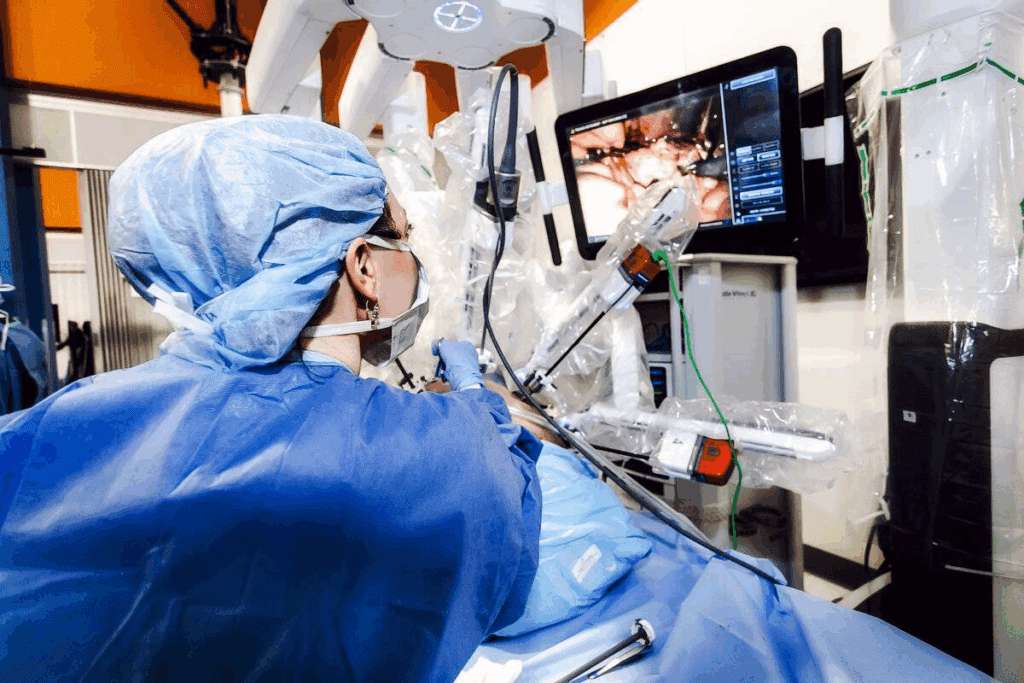
Robotic kidney surgery has transformed urology, offering faster recovery and less invasive procedures. However, patients must follow specific guidelines to ensure proper healing.
After robotic kidney surgery, it is important to avoid strenuous exercise during the early recovery period. Our team provides detailed post-operative care instructions, guiding patients through each step of recovery to promote optimal healing and prevent complications.
Key Takeaways
- Understand the importance of post-operative care after robotic kidney surgery.
- Learn about the recovery restrictions to promote healing.
- Discover how to minimize complications during the recovery period.
- Find out how our team supports patients throughout their recovery journey.
- Know what to expect during the recovery process.
Understanding Robotic Kidney Surgery
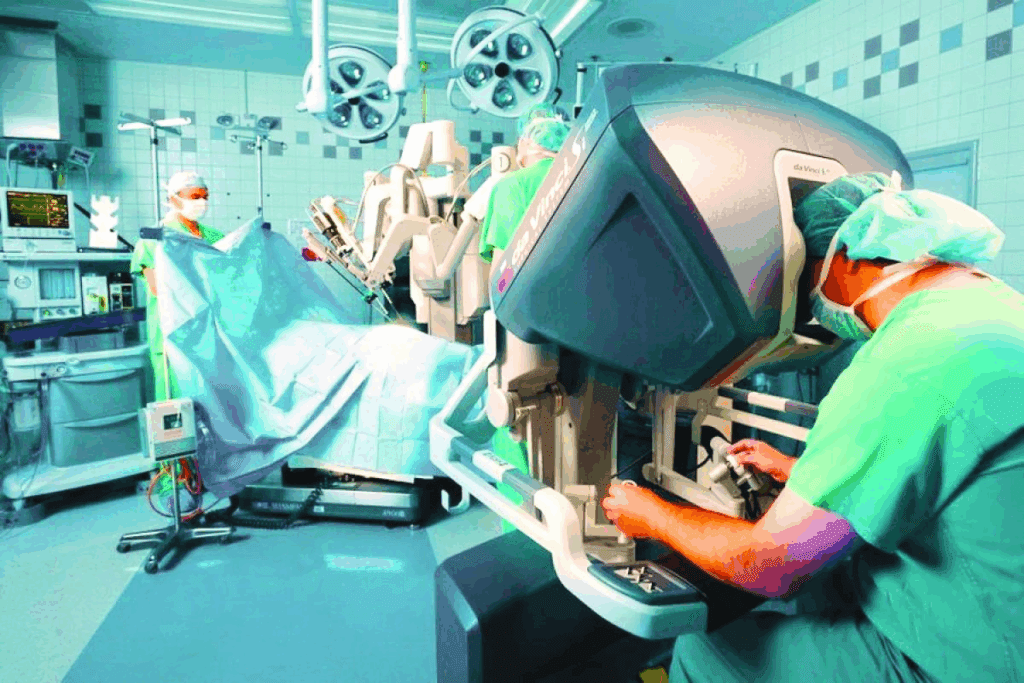
Robotic-assisted kidney surgery is a big step forward in urology. It gives patients a less invasive option than traditional surgery. This method combines a surgeon’s skill with robotic precision, improving results.
What is Robotic-Assisted Kidney Surgery?
Robotic-assisted kidney surgery uses a robotic system for precise operations. It lets surgeons move tiny instruments inside the body with great control. This is thanks to the robotic system’s ability to translate hand movements into precise actions.
This minimally invasive approach means smaller cuts than open surgery. It causes less damage and trauma. The robotic system’s 3D view helps surgeons avoid harming important areas.
Benefits of Minimally Invasive Approach
The benefits of robotic-assisted kidney surgery are many. They help improve patient care and outcomes. Key advantages include:
- Less postoperative pain due to smaller incisions
- Reduced risk of complications and infection
- Minimal scarring
- Shorter hospital stay
- Faster recovery time, enabling patients to return to their normal activities sooner
These benefits come from the precision and flexibility of the robotic system. It makes robotic surgery a good choice for kidney surgery.
Recovery Timeline Overview
Knowing the recovery timeline helps patients plan and follow care instructions. Recovery times can differ, but most follow a general path:
- Immediate postoperative period (first 24-48 hours): Focus on rest and initial healing
- Short-term recovery (1-2 weeks): Gradual return to light activities
- Intermediate recovery (2-6 weeks): Progressive increase in activity levels, including walking and light exercise
- Long-term recovery (6 weeks and beyond): Full recovery and return to normal activities, including work and exercise
Following the postoperative care plan and attending follow-up appointments are key for a smooth recovery.
Immediate Post-Surgery Restrictions
After robotic kidney surgery, knowing the immediate post-surgery rules is key for a smooth recovery. We help our patients through this important time. We make sure they know the precautions and care they need.
First 24-48 Hours After Surgery
The first 24 to 48 hours after surgery are very important. Patients are watched closely for any signs of problems. They are told to rest and avoid hard activities that could harm their recovery.
Hospital Stay Limitations
While in the hospital, patients will be educated about their activity limitations. They are told not to lift heavy things, bend, or do strenuous movements. This helps the surgical area heal. Our healthcare team keeps a close eye on patients to quickly handle any issues.
Early Mobility Guidelines
Moving around early is good to avoid blood clots and help healing. But, it should be gentle and comfortable for the patient. Gentle walking is often recommended to help regain strength and prevent problems.
Incision Care and Wound Healing Precautions
Proper incision care is key for a smooth recovery after robotic kidney surgery. It’s important to follow your surgeon’s instructions. This helps prevent infection and promotes healing.
Proper Incision Site Care
It’s essential to keep your incision site clean and dry for proper care. Avoid using harsh soap or other cleansers that could irritate the skin. Here’s what we recommend:
- Gently wash the area with mild soap and water
- Pat the area dry with a clean towel
- Avoid submerging the incision site in water until it’s fully healed
Showering and Bathing Restrictions
Follow specific guidelines for showering and bathing after robotic kidney surgery. Typically, you can shower 24-48 hours after surgery. Always check with your healthcare provider first. When showering:
- Keep the water lukewarm to avoid irritating the incision site
- Gently clean the area as instructed by your surgeon
- Avoid soaking in bathtubs, hot tubs, or swimming pools until your surgeon advises it’s safe
Signs of Complications to Monitor
It’s important to monitor your incision site for signs of complications. Watch for:
- Increasing redness or swelling around the incision
- Pus or discharge from the incision site
- A fever over 100.4°F (38°C)
- Increasing pain or tenderness around the incision
If you notice any of these symptoms, contact your healthcare provider immediately. Early detection and management of issues ensure a complication-free recovery.
Pain Management and Medication Considerations
Managing pain well is key for a smooth recovery after robotic kidney surgery. We know pain is a big worry for our patients. We aim to give you the best care to make your recovery comfortable and safe.
Prescribed Pain Control Methods
We use many ways to control pain after robotic kidney surgery. Our team works with you to find the best pain management plan. This might include:
- Prescription pain medications tailored to your needs
- Regional anesthesia to numb the surgical area
- Alternative methods like relaxation techniques and breathing exercises
It’s important to stick to your pain management plan. This helps control pain well and lowers the risk of complications.
Over-the-Counter Medication Guidelines
Patients might also need to use over-the-counter (OTC) medications for pain or other symptoms. But, it’s key to follow our guidelines for OTC medications:
- Always talk to your healthcare provider before taking any OTC medication
- Follow the dosage on the label
- Watch out for interactions with your prescribed medications
We suggest being careful with OTC medications. If you have any worries or side effects, tell your healthcare provider.
Medication Restrictions
There are some medication restrictions to know about after robotic kidney surgery. We advise against certain medications that can increase bleeding risk or interact with pain medications. For example:
- Avoid NSAIDs (like ibuprofen) without talking to your healthcare provider
- Be careful with medications that make you feel drowsy or dizzy
- Tell your healthcare provider about all medications and supplements you’re taking
By following these guidelines and working with our team, you can manage your pain well. This helps avoid complications during your recovery.
Dietary and Fluid Intake Restrictions
A well-planned diet and enough water are key to recovering from robotic kidney surgery. Knowing what foods to avoid and how much water to drink is important. It helps your body heal properly.
Initial Diet Limitations
Right after surgery, you’ll only be able to eat clear liquids. These include broth, drinks with lots of electrolytes, and water. Stay away from heavy, spicy, or fatty foods. They can make you uncomfortable or cause problems.
When you can eat more, add foods that are good for you. This means fruits, veggies, lean proteins, and whole grains. They help you get stronger and heal faster.
Hydration Requirements
Drinking enough water is very important. It helps get rid of bad stuff and keeps your kidneys working right. Try to drink at least 8-10 glasses of water a day. Your doctor might tell you to drink more or less.
Check your urine color to see if you’re drinking enough water. It should be pale yellow. This means you’re drinking enough.
Foods to Avoid During Recovery
Some foods can upset your stomach or be hard on your kidneys. Avoid foods high in sodium, processed meats, and those with lots of sugar and unhealthy fats. Also, don’t drink too much caffeine or alcohol. They can dry you out and make recovery harder.
By choosing the right foods and drinking enough water, you can help your recovery go smoothly. It’s all about taking care of yourself.
Why You Must Avoid Strenuous Exercise
Doing too much exercise after robotic kidney surgery can harm the healing area. It’s key to know why we should not do hard workouts during recovery.
Impact of Physical Strain on Surgical Site
Too much strain on the healing area can cause pain and serious issues like bleeding. The area needs time to mend, and too much stress can mess up this process. We tell patients to stay away from activities that could harm the healing.
Avoiding hard activities helps prevent immediate problems and ensures a smooth recovery. Heavy lifting, bending, or intense workouts can stress the body, mainly the healing area.
Timeline for Exercise Restrictions
The time to avoid hard exercise varies based on how well you’re recovering and your doctor’s advice. Usually, patients are told to skip hard exercise for a few weeks after surgery.
| Recovery Phase | Exercise Restrictions |
| 0-2 weeks post-surgery | Avoid all strenuous activities, including heavy lifting and intense exercise |
| 2-4 weeks post-surgery | Gradually introduce light activities, avoiding heavy lifting and bending |
| 4-6 weeks post-surgery | Progress to more strenuous activities as tolerated, under the guidance of a healthcare provider |
Consequences of Overexertion
Doing too much after robotic kidney surgery can cause pain, bleeding, and longer recovery times. In bad cases, it might need more medical help.
Listening to your body and sticking to the exercise limits is very important. If you notice anything odd or worry, reach out to your doctor right away.
Knowing why we should not do hard exercise and following the advice helps patients recover safely and well.
Lifting Limitations After Surgery
After robotic kidney surgery, it’s key to watch your activities for a smooth recovery. You should avoid lifting heavy things to prevent complications. Heavy lifting can strain the surgery area and slow healing.
No Heavy Lifting Guidelines
We tell patients to not lift heavy for weeks after surgery. Heavy lifting means anything over 10-15 pounds. This rule helps avoid putting too much pressure on the surgery area.
Weight Restrictions by Recovery Phase
Weight limits change as you recover. In the first two weeks, lift nothing heavier than a light bag or a small child. As you get closer to 6-8 weeks, you can lift up to 25-30 pounds. But always remember, full recovery takes about 6-8 weeks.
Safe Lifting Techniques
If you must lift, do it safely. Bend at the knees, keep the object close, and lift with your legs. Don’t twist or turn, as this can harm the surgery area.
Avoiding Core Strain and Abdominal Pressure
To help your body heal and avoid problems, it’s key to not strain your core or belly after robotic kidney surgery. During your recovery, watch what you do and how you move. This helps keep the surgical area safe.
Protecting Your Surgical Area
Keeping the surgical area safe from too much strain is very important. Don’t lift heavy things, bend, or do anything that puts pressure on your belly. Be gentle with your body and avoid anything that could harm your recovery.
Avoiding Stretching the Abdomen
Stretching or putting too much pressure on your belly muscles can hurt your recovery. Don’t do activities that stretch, like heavy workouts or sudden moves. Choose gentle, easy activities that help your body heal without straining your belly.
- Avoid heavy lifting or bending
- Refrain from strenuous exercises
- Be cautious with sudden movements
Managing Constipation to Reduce Strain
Managing constipation is also very important to avoid straining your belly. Make sure you have regular bowel movements with a good diet, enough water, and maybe medicine (if your doctor says so). This can help reduce pain and strain while you’re recovering.
Mobility and Movement Restrictions
Following mobility and movement rules is vital for a good recovery after robotic kidney surgery. Some movements can harm the healing process if not done right.
Restricted Movements to Protect Incision
To keep the incision safe, avoid sudden or jerky actions. Move slowly and gently to avoid putting too much pressure on the surgery area. Avoid bending or twisting as these can harm the incision.
Limit Stair Climbing
Stair climbing should be limited in the early recovery phase. Try to stay on one floor to avoid climbing stairs. If you must climb stairs, do it slowly and use handrails for support.
Proper Body Mechanics
Keeping your body in the right position is important during recovery. Be careful with your posture and don’t lift heavy things or bend. Use proper lifting techniques, like bending at the knees, to protect your back and the surgery area.
Following these rules can greatly lower the chance of problems and help you recover safely and well.
Driving Restrictions Following Surgery
Knowing the driving rules after robotic kidney surgery is key for a smooth recovery. After surgery, patients must be careful with their activities, including driving. This is to avoid problems and keep them safe on the road.
When You Can Resume Driving
The time to start driving again varies. It depends on how well you’re recovering and the surgery type. Usually, it’s best to wait 1-2 weeks after surgery. But, this can change based on your surgeon’s advice and how you feel while driving.
Safety Considerations
Before you start driving, think about your safety. You should be able to sit comfortably in the driver’s seat. You should also be able to drive without straining and react fast to road conditions. It’s important to be off narcotic pain meds before driving. These can slow down your reaction time and judgment.
| Safety Aspect | Guideline |
| Comfort Level | Able to sit comfortably without pain |
| Pain Medication | Off narcotic pain medications |
| Reaction Time | Able to react quickly to driving conditions |
Alternative Transportation Options
Having other ways to get around is important during recovery. You can:
- Ask a friend or family member for rides
- Use public transportation
- Try ride-sharing services
Planning your transport needs can help reduce stress. It ensures you get to important follow-up appointments.
Household Activity Limitations
Knowing what activities to limit is important after robotic kidney surgery. It helps avoid straining your body and makes healing easier.
Limit Household Chores
It’s key to limit household chores early on. Avoid bending, lifting, or straining to protect your abdominal muscles and the surgery area. Try to do less cooking, cleaning, or laundry, or ask others to help.
- Postpone tasks that require physical exertion.
- Use assistive devices for tasks that are unavoidable.
- Gradually resume activities as advised by your healthcare provider.
Avoiding Pushing and Pulling Movements
It’s important to avoid pushing and pulling to prevent strain. These actions can cause discomfort and lead to complications. Be careful with vacuuming, mopping, or opening heavy doors.
- Minimize pushing or pulling heavy objects.
- Use alternative methods for tasks, such as using a cart or trolley.
- Take regular breaks to rest and avoid fatigue.
Safe Home Navigation
Safe home navigation is also key during recovery. Clear pathways of clutter and tripping hazards to avoid falls. Make sure your home is well-lit, day and night, to prevent accidents.
- Remove loose rugs or mats that could cause slipping.
- Keep frequently used items within easy reach.
- Consider having someone assist you with mobility.
By following these guidelines, you can reduce complications and have a smoother recovery after robotic kidney surgery.
Sleeping Positions and Rest Requirements
Getting enough rest and choosing the right sleeping positions are key after robotic kidney surgery. Rest helps your body heal, reduces pain, and boosts your overall health.
Recommended Sleeping Positions
It’s important to pick the right sleeping position to avoid discomfort and complications. We suggest sleeping on your back with a pillow under your knees. This reduces back and surgical site strain. Avoid stomach or side sleeping as it can put pressure on the incision area.
Rest Schedule Guidelines
Creating a rest schedule is essential for a smooth recovery. Try for 8-10 hours of sleep each night. Take short naps during the day if you need to. Rest when you feel tired.
| Rest Activity | Recommended Duration | Frequency |
| Night Sleep | 8-10 hours | Daily |
| Daytime Naps | 20-30 minutes | As needed |
Setting Up a Comfortable Recovery Space
Creating a cozy recovery space can improve your rest and recovery. Make sure your bedroom is quiet, dark, and at a comfy temperature. Use supportive mattresses and pillows for a good night’s sleep.
By focusing on rest, choosing the right sleeping positions, and setting up a comfy recovery space, you support your body’s healing. This can make your recovery better overall.
Follow-Up Care and Medical Appointments
After robotic kidney surgery, it’s important to follow up with your healthcare team. This helps ensure a smooth recovery. Regular visits are key to address any concerns and keep your recovery on track.
Importance of Post-Operative Visits
Post-operative visits are vital for your recovery. They let your healthcare provider check on your healing, remove any stitches, and handle any complications. It’s important to stick to your scheduled appointments to catch any issues early.
Key aspects of post-operative visits include:
- Regularly reviewing wound healing and removing any sutures or staples is key.
- Assessing overall recovery progress
- Addressing patient concerns and questions
- Adjusting medication as necessary
When to Contact Your Healthcare Provider
Knowing when to contact your healthcare provider is important. Reach out if you have severe pain, signs of infection, trouble urinating, or any other concerns.
| Symptom | Action |
| Severe pain | Contact healthcare provider for guidance on pain management |
| Signs of infection | Seek immediate medical attention |
| Difficulty urinating | Notify healthcare provider for further instructions |
Monitoring Recovery Progress
Keeping track of your recovery is essential. Keep a log of your symptoms, medication, and any changes. This info helps your healthcare team make the best decisions for you.
By following these guidelines and staying in touch with your healthcare provider, you can have a successful recovery. Our team is here to support you, providing the care and guidance you need for the best outcomes.
Returning to Work: Timing and Limitations
Going back to work after robotic kidney surgery is a big step. It means understanding how to recover and how it affects your job. You need to think about your job type, how to slowly get back to work, and what changes your workplace can make.
Office Work vs. Physical Jobs
The kind of job you have affects when you can go back to work. If you have an office job, you might get back sooner because it’s less physically demanding. But, if you have a physical job, you’ll likely need more time to heal before it’s safe to start again.
Gradual Return Strategies
Coming back to work slowly is often advised. It helps you handle your job without pushing yourself too hard. Starting with part-time hours or easier tasks can help. Gradual return strategies keep you productive while protecting your health.
| Return to Work Strategy | Office Work | Physical Jobs |
| Part-time Hours | Recommended for 1-2 weeks | Recommended for 2-4 weeks |
| Modified Duties | Adjust tasks to reduce strain | Avoid heavy lifting and bending |
Workplace Accommodations
Workplace changes are key for a successful return. These can be ergonomic setup, flexible hours, or tasks that are easier. Employers can help by making the work environment better for your recovery.
Knowing what you need to get back to work after robotic kidney surgery helps plan your recovery. It’s about finding the right balance between getting back to work and staying healthy.
Engaging in safe exercises during recovery is beneficial for your healing process.
Safe physical activities are key in the recovery process. They help in healing and improving overall well-being. After robotic kidney surgery, it’s important to balance rest with gentle activity.
Approved Light Exercises
Light exercises are good to prevent problems and aid in healing. They might include:
- Breathing exercises to improve lung function
- Gentle stretching to keep muscles flexible
- Short walks to boost blood flow
Benefits of Light Exercises:
| Exercise Type | Benefits |
| Breathing Exercises | Improves lung function, reduces pneumonia risk |
| Gentle Stretching | Keeps muscles flexible, reduces stiffness |
| Short Walks | Boosts blood flow, improves overall health |
Walking Program Progression
A walking program is a big part of recovery. Start with short walks and slowly increase the distance and time as you get stronger.
Sample Walking Program Progression:
| Week | Walking Duration | Frequency |
| 1 | 5-10 minutes | 2-3 times a day |
| 2 | 10-15 minutes | 3-4 times a day |
| 3 | 15-30 minutes | 4-5 times a day |
Activity Progression Timeline
The time it takes to increase activity varies for everyone. Generally, it takes a few weeks to start doing more.
General Guidelines:
- Weeks 1-2: Gentle stretching and short walks
- Weeks 3-4: Increase walking time and frequency
- Weeks 5-6: Add more challenging activities as you can
Conclusion
Recovering from robotic kidney surgery needs a full plan. This plan includes postoperative care to help heal well. By following these steps, patients can lower the chance of problems and get the best results.
It’s important to avoid hard work and heavy lifting after surgery. These actions can harm the healing area. Patients should also stick to their diet, move as told, and go to all follow-up visits.
We at our institution are all in on helping you get better. Our team works hard to give top-notch care. We make sure our patients get the best results after surgery.
By sticking to the care plan, patients can have a great recovery. They can then get back to their usual life.
FAQ
What are the immediate restrictions after robotic kidney surgery?
After robotic kidney surgery, you should avoid hard work, heavy lifting, and bending. This helps prevent strain on the surgery area. We give detailed advice on how to move safely to help you recover well.
How do I care for my incision site after surgery?
It’s essential to keep your incision site clean and dry for proper care.
What are the guidelines for pain management after robotic kidney surgery?
Managing pain well is important for getting better. We talk about the pain medicines your doctor might give you, when to use over-the-counter drugs, and any medicine limits to avoid bad side effects.
What dietary limitations should I follow after surgery?
Eating right and drinking enough water are important for healing. We explain what foods to avoid at first, why staying hydrated is key, and which foods to steer clear of while you’re recovering.
When can I resume exercising after robotic kidney surgery?
It’s important to avoid hard exercise to prevent strain and complications. We explain when you can start exercising again and how it affects your healing.
Are there any lifting limitations after surgery?
Lifting heavy things can harm your healing. We give tips on avoiding heavy lifting, how much weight is okay at different times, and safe lifting methods.
How can I avoid core strain and abdominal pressure during recovery?
Strain and pressure in your core and abdomen can slow healing. We offer advice on protecting the surgery area, avoiding activities that stretch your abdomen, and managing constipation to reduce strain.
Can I drive after robotic kidney surgery?
Driving after surgery needs careful thought for safety. We tell you when it’s okay to drive again, important safety tips, and other ways to get around while you’re recovering.
What household activities should I limit or avoid during recovery?
Some household tasks can be risky during recovery if not done right. We advise on which chores to limit, avoiding pushing and pulling, and how to safely move around your home.
How can I ensure proper rest and sleeping positions during recovery?
Getting enough rest and sleeping right is key for healing. We suggest the best sleeping positions, a rest schedule, and how to make your recovery space comfortable.
What is the importance of follow-up care after robotic kidney surgery?
Follow-up care is vital for healing. We stress the need for post-op visits, when to call your doctor, and keeping an eye on your recovery.
When can I return to work after robotic kidney surgery?
Going back to work after surgery needs careful planning. We discuss when to return to office jobs or physical jobs, how to gradually get back to work, and what work accommodations you might need.
What safe physical activities can I engage in during recovery?
Engaging in safe exercises during recovery is beneficial for your healing process. We suggest approved light exercises, a walking plan, and a timeline for increasing activity.
Are there any specific mobility and movement restrictions I should follow?
Some movements can risk your recovery if not done carefully. We talk about restricted movements to protect your incision, avoiding stairs, and keeping your body mechanics right.
Reference
- Tawfic, Q. A., & Bellingham, G. (2003). Postoperative pain management in patients with chronic kidney disease. Canadian Journal of Anesthesia, 50(8), 754-765. https://www.ncbi.nlm.nih.gov/pmc/articles/PMC4353156/