Last Updated on November 4, 2025 by mcelik
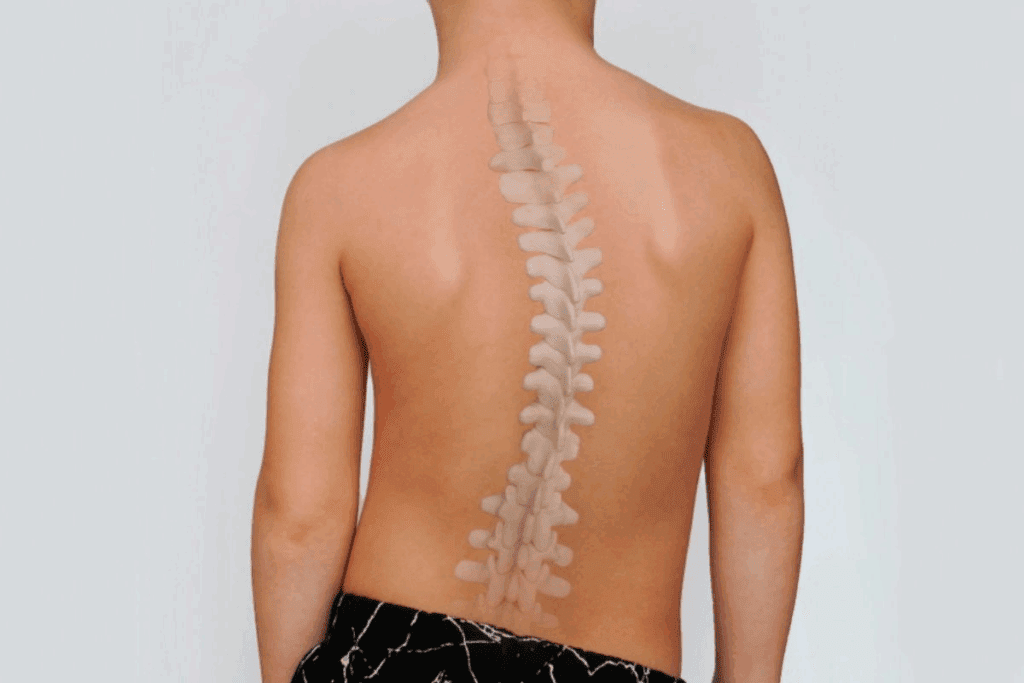
Scoliosis is a condition that affects millions of people worldwide. It causes the spine to curve abnormally. Knowing what to avoid is key to managing it and stopping further curvature. Activities that make the condition worse can lead to more curvature, pain, and discomfort. Learn about avoiding activities with scoliosis that worsen spinal curves or cause discomfort.
People with scoliosis can live active, healthy lives by knowing what to avoid. We will look at the importance of staying away from certain activities and exercises for scoliosis. This will help you manage the condition effectively.
Key Takeaways
- Understanding scoliosis and its effects on the spine is important.
- Certain activities can make scoliosis worse, leading to more curvature.
- Managing scoliosis means knowing which exercises to avoid.
- Effective scoliosis management involves avoiding specific activities.
- Living an active life with scoliosis is possible with the right precautions.
Understanding Scoliosis and Its Impact on Daily Activities
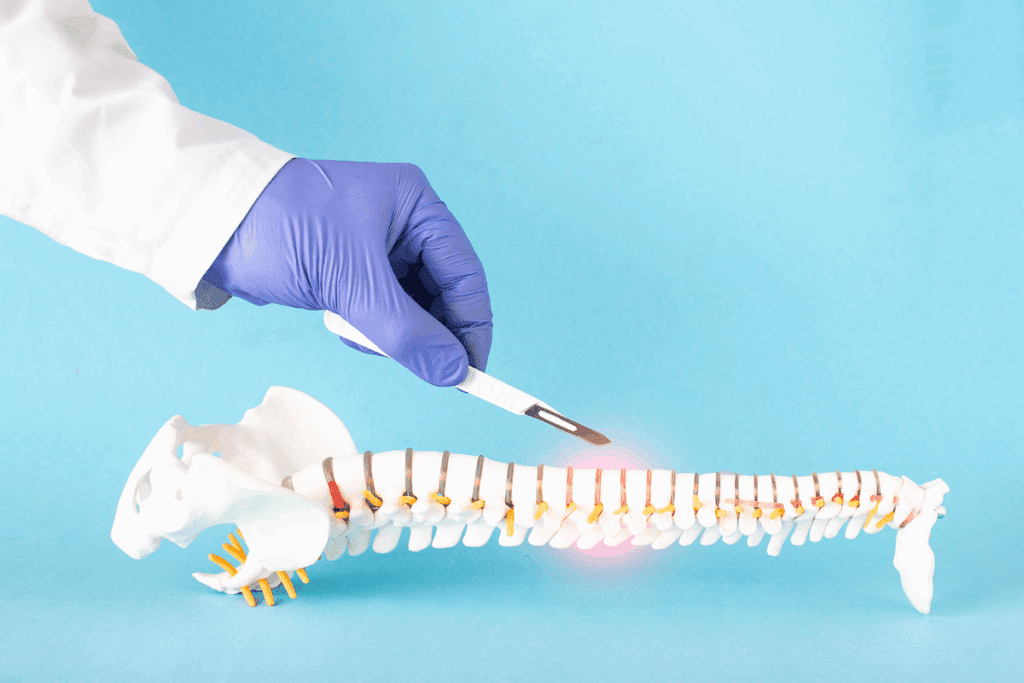
It’s important to know about scoliosis to manage its effects on daily life. Scoliosis is when the spine curves abnormally. It can be mild or severe.
Scoliosis comes in different types, each with its own cause and severity. Knowing this helps figure out what activities to avoid and how to change your lifestyle.
Types of Scoliosis and Their Severity Levels
Scoliosis is divided into types like idiopathic, congenital, and neuromuscular. Idiopathic scoliosis is the most common and usually appears in teens without a known reason.
- Idiopathic Scoliosis: The most common type, with no known cause.
- Congenital Scoliosis: Present at birth, due to abnormal spinal development.
- Neuromuscular Scoliosis: Associated with neurological or muscular diseases.
The severity of scoliosis is measured by the Cobb angle. A higher angle means a more severe curve. Knowing the severity helps manage the condition better.
How Scoliosis Affects Spinal Mechanics
Scoliosis changes how the spine works by altering its normal shape and alignment. This can cause uneven stress on the spinal discs and joints. This can lead to pain and damage over time.
Abnormal spinal mechanics can cause mobility issues and increase the risk of spinal degeneration. Understanding how scoliosis affects the spine is key to preventing problems.
The Importance of Activity Modification
Changing activities is key to managing scoliosis. By avoiding activities that worsen the condition and choosing safe ones, people can improve their quality of life.
Activity modification means knowing which exercises and daily activities are safe and which to avoid. For example, high-impact activities might need to be replaced with low-impact alternatives to protect the spine.
Making smart choices about activities and exercise helps people with scoliosis manage their condition. This way, they can stay active and healthy.
Avoiding Activities with Scoliosis: The Fundamental Guidelines
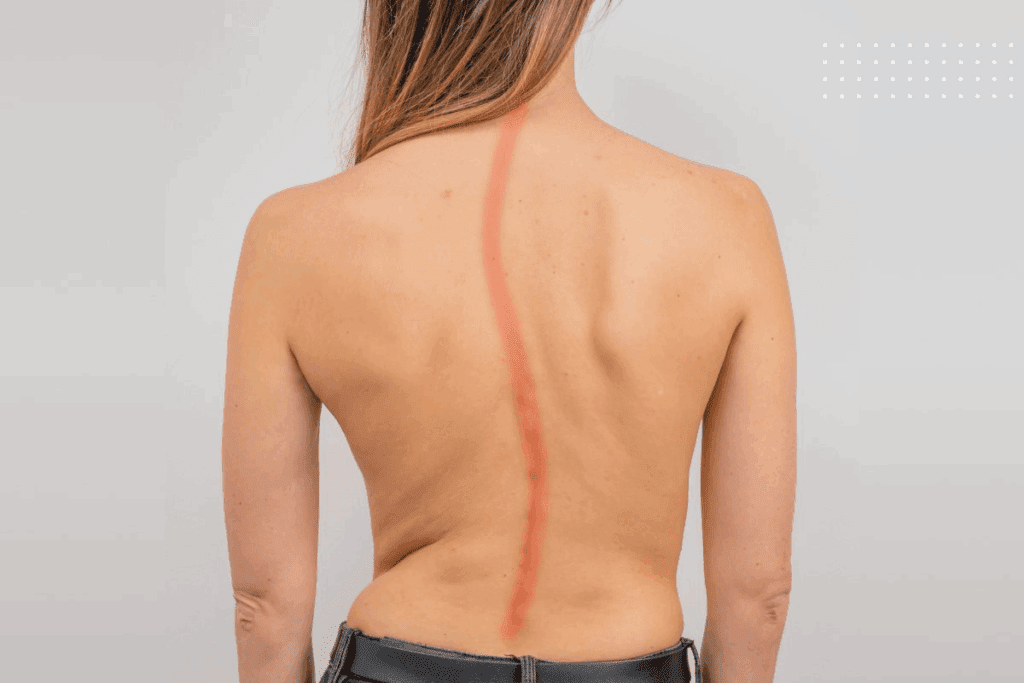
Managing scoliosis means knowing which activities to stay away from. Some activities can make scoliosis worse by putting extra stress on the spine. Knowing which activities are risky helps people make better choices about their lifestyle and exercise.
The Biomechanics of Spinal Stress
The spine is complex and can be affected by many forces. In scoliosis, the spine already has extra stress from its curve. Activities like heavy lifting, bending, or twisting can add more stress. Understanding how spinal stress works is key to managing scoliosis well.
Risk Assessment for Different Activities
Not all activities are the same for scoliosis. Some can make it worse, while others might be safe or even good. It’s important to look at the risks of different activities, like how much they impact, twist, or stress the spine. Talking to healthcare providers can help make the right choices about what activities to do.
Consulting Healthcare Providers Before Activity Restrictions
Before starting or changing any exercise or activity, people with scoliosis should talk to their healthcare providers. They can discuss the good and bad of different activities, how to adjust exercises, and how to watch how their body reacts.
“It’s always better to err on the side of caution when it comes to managing scoliosis. Healthcare providers can offer personalized advice based on the individual’s specific condition and needs.”
By following these guidelines, people with scoliosis can lower the risk of it getting worse and stay active. It’s about making smart choices and being careful about activities that might harm the spine.
High-Impact Exercises to Avoid with Scoliosis
People with scoliosis should avoid certain high-impact exercises. These activities can make their spinal curvature worse. This can lead to discomfort and even long-term damage. We will look at the exercises to steer clear of and why they are not good for those with scoliosis.
Running and Jogging Considerations
Running and jogging are hard on the spine. The constant impact of each step can make scoliosis worse. While they are great for the heart, people with scoliosis might want to try something else.
Here are some alternatives:
- Cycling
- Swimming
- Using an elliptical machine
Jumping Activities and Their Effect on the Spine
Jumping, like in basketball or trampolining, can be harmful. The shock of landing can stress the spine, making scoliosis worse.
Contact Sports That May Worsen Spinal Curvature
Contact sports, like football or hockey, are risky. The hits can make scoliosis worse and cause other problems.
The table below shows exercises to avoid and their risks for scoliosis:
| Activity | Potential Risk |
| Running/Jogging | Repetitive impact exacerbating curvature |
| Jumping Activities | Sudden jarring impact stressing the spine |
| Contact Sports | Physical collisions worsening curvature |
People with scoliosis should talk to their doctor before starting any exercise. Choosing low-impact activities helps keep them fit without making their scoliosis worse.
Twisting Movements That Can Aggravate Scoliosis
Twisting can harm those with scoliosis by making their spinal curve worse. It’s key for them to know which activities can make things worse.
Rotational Sports and Activities
Some sports and activities require twisting, which can hurt those with scoliosis. Golf, tennis, and bowling are examples. It’s not a total no-go, but it’s important to adjust or get a doctor’s okay first.
Golfers can tweak their swing to twist less. Tennis players can pick strokes that twist less. Changing these movements can lessen the risk of harm.
Yoga Poses That Involve Excessive Twisting
Yoga is good for flexibility and strength, even for those with scoliosis. But, some poses twist too much. Marichyasana (Seated Spinal Twist) and Bharadvajasana (Bharadvaja’s Twist) are examples to be careful with.
People with scoliosis should do yoga with a therapist or instructor who knows about scoliosis. They can change poses to keep it safe.
“The key to practicing yoga with scoliosis is to focus on alignment and gentle stretching, avoiding deep twists that can worsen the condition.”
Daily Activities That Include Harmful Twisting Motions
Even everyday actions can twist in ways that are bad for scoliosis. Reaching, turning, or doing chores can twist the spine. It’s smart to find ways to do these things without twisting.
Instead of twisting to sit up from bed, try a log roll. When lifting, bend at the knees and hips to keep your back straight. This helps avoid straining your spine.
Heavy Lifting Techniques and Limitations for Scoliosis Patients
For those with scoliosis, heavy lifting can be a big worry. It might make spinal curvature worse. It’s key to know the risks and how to avoid them.
Weight Limits and Guidelines
Weight limits are a big deal when you have scoliosis. There’s no single rule for everyone. But, it’s wise to not lift things that feel too heavy.
Before lifting, check the weight. Think about getting help or using tools instead.
Lifting Guidelines:
- Lift with your legs, not your back, to reduce strain on your spine.
- Keep the object close to your body to minimize the leverage on your spine.
- Avoid twisting or turning while lifting, as this can exacerbate spinal curvature.
Proper Lifting Form to Protect the Spine
Proper lifting form is key for your spine’s safety with scoliosis. Bend at the knees, keep your back straight, and lift with your legs. This helps avoid back strain and scoliosis worsening.
Tips for Proper Lifting:
- Stand close to the object with your feet shoulder-width apart.
- Bend at the knees and hips, keeping your back straight.
- Lift the object using your leg muscles, keeping it close to your body.
Alternatives to Traditional Strength Training
Traditional strength training with heavy lifting might not be right for scoliosis. But, there are other ways to build strength safely. Try resistance band exercises, water-based workouts, or core exercises tailored for scoliosis.
It’s wise to consult a healthcare professional or physical therapist. They can help create a workout plan that’s safe for you.
Posture Problems: Sitting and Standing Habits to Avoid
Keeping the right posture is key for those with scoliosis. Bad sitting and standing habits can make spinal curves worse. We’ll look at posture mistakes to steer clear of, like work ergonomics, uneven standing, and tech’s effect on neck posture.
Ergonomic Mistakes in Workplace Settings
Many spend a lot of time at work, often sitting at a desk. Poor ergonomic setup can harm the spine. Common errors include:
- Incorrect chair height, leading to improper lumbar support
- Monitor placement that is too high or too low, causing neck strain
- Inadequate desk space, resulting in awkward reaching and twisting
To fix these issues, check your workspace and make changes. It’s wise to get help from an ergonomics expert to ensure your setup supports good posture.
Uneven Weight Distribution While Standing
Standing for long periods can be tough for those with scoliosis. Uneven weight distribution happens when one leg bears more weight, upsetting the spine’s balance. To prevent this:
- Stand with your feet shoulder-width apart to distribute weight evenly
- Avoid leaning on one leg or hip
- Take regular breaks to sit or move around
Technology Use and “Text Neck” Concerns
Smartphones and other devices have caused “text neck,” leading to neck pain and bad posture. To avoid this:
- Hold devices at eye level to reduce neck strain
- Take regular breaks from screen time
- Engage in exercises that strengthen neck muscles
By being aware of these posture issues and making small changes, people with scoliosis can ease spinal strain and enhance their life quality.
| Posture Problem | Consequences | Corrective Measures |
| Poor Ergonomic Setup | Strain on the spine, neck, and back pain | Adjust chair height, monitor placement, and desk space |
| Uneven Weight Distribution | Imbalance in the spine, possible increased curvature | Stand with feet shoulder-width apart, avoid leaning on one leg |
| Excessive Technology Use | Neck pain, “text neck,” and poor posture | Hold devices at eye level, take breaks, exercise neck muscles |
The Dangers of Prolonged Sitting for Scoliosis Patients
Prolonged sitting can harm those with scoliosis, making their spinal curve worse. It’s key to know how sitting long affects scoliosis patients. We’ll look at the risks and how to lessen them.
How Extended Sitting Affects Spinal Curvature
Sitting for a long time can make scoliosis worse. Our spines face more stress when we sit, which can make the curve worse. This can cause pain and make the condition worse over time.
“Sitting for long periods can lead to muscle fatigue, which in turn can cause poor posture and increased strain on the spine,” says a leading orthopedic specialist.
“Maintaining good posture and taking regular breaks to stand and stretch can significantly reduce the risks associated with prolonged sitting.”
Breaking Up Sitting Time Effectively
Breaking up sitting time is a great way to manage sitting risks. We suggest standing, stretching, and moving every 30 to 60 minutes. This helps prevent muscle fatigue, improves blood flow, and reduces spine strain.
- Stand up and stretch every 30 to 60 minutes
- Take a short walk around the office or home
- Perform simple exercises to loosen up tight muscles
Ergonomic Seating Solutions
Ergonomic seating is also important for sitting risks. Ergonomic chairs support the spine, helping maintain good posture and reduce strain. Look for adjustable height, lumbar support, and breathable fabric when choosing a chair.
Combining regular breaks with ergonomic seating helps those with scoliosis. It’s about making a healthier, more comfortable space that supports spinal health.
Sleeping Positions and Mattress Choices for Scoliosis
For those with scoliosis, how they sleep matters a lot. It affects their spine’s alignment and comfort. It’s important to sleep in a way that supports the spine’s natural curve.
Positions That Worsen Spinal Alignment
Some sleeping positions can make spinal curvature worse. Sleeping on your stomach twists your neck, which can harm your spine. Avoiding stomach-sleeping is a good rule for scoliosis sufferers.
Sleeping on your side without support can also mess up your spine’s alignment. Using a pillow between your knees helps keep your hips aligned and reduces spine stress.
Selecting Appropriate Mattresses and Pillows
The right mattress and pillows are key for spinal alignment. A medium-firm mattress is often best because it supports without being too hard or soft. Choose pillows that keep your neck straight.
When picking a mattress, think about its material, firmness, and how well it breathes. Memory foam mattresses are liked for their support and pressure relief. But, make sure to try out the mattress to see if it’s right for you.
Creating a Spine-Friendly Sleep Environment
Creating a good sleep space is more than just the right mattress and pillows. Your bedroom should be cool, dark, and quiet for better sleep. A consistent sleep schedule and a calming bedtime routine also help.
Being aware of your sleeping position and using supportive items like contour pillows or orthopedic mattresses can help keep your spine aligned. It’s important to keep checking and adjusting your sleep space to manage scoliosis well.
Risky Sports and Recreational Activities for Scoliosis Patients
People with scoliosis need to know which sports and activities might harm their spine. Some activities can make scoliosis worse, causing more curvature and pain. We’ll look at risky activities and how to change or avoid them to protect your spine.
High-Risk Sports to Avoid or Modify
Some sports are too risky for those with scoliosis because they can hurt the spine. These include:
- Contact sports like football, rugby, and hockey, which can lead to direct trauma to the spine.
- High-impact gymnastics and activities that involve repetitive jumping or landing, which can stress the spine.
- Weightlifting, which can strain the back and make scoliosis worse if done wrong.
Changing these activities or staying away from them can help avoid more damage and curvature.
Moderate-Risk Activities and How to Adapt Them
Some activities are not as risky but can be harmful if not done right. Examples include:
- Cycling and rowing, which can be good but might involve twisting or bending.
- Dancing, which can be risky if it involves quick movements or twisting.
To make these activities safer, focus on the right technique, use supportive gear, and avoid too much strain.
Low-Impact Alternatives for Active Individuals
There are many low-impact activities that are safe for staying active without harming your spine. These include:
- Swimming and water aerobics, which are gentle and can build muscle without hurting the spine.
- Walking and light jogging on soft surfaces, which are easier on the spine than hard surfaces.
- Yoga and Pilates, which can be modified to avoid twisting or bending too much, and help with flexibility and strength.
These activities can be adjusted to fit your needs and likes, keeping you active safely.
Backpack and Bag Usage: Preventing Uneven Weight Distribution
How we wear our backpacks and bags affects our spines, more so for those with scoliosis. Wearing a backpack wrong can make scoliosis worse. So, it’s key to use the right techniques and follow guidelines to lessen this risk.
Proper Backpack Wearing Techniques
Wearing a backpack right is key to spread the weight evenly and ease spine strain. Here are some tips:
- Wear the backpack on both shoulders to distribute the weight evenly.
- Adjust the straps so the backpack sits snugly against your back.
- Use the hip strap to transfer some of the weight to your hips.
- Pack lightly and avoid overloading the backpack.
Weight Limits for Carried Items
Be careful of the weight you carry to avoid too much strain on your spine. A good rule is to keep your backpack’s weight at 10-15% of your body weight.
| Body Weight (lbs) | Recommended Backpack Weight (lbs) |
| 100 | 10-15 |
| 120 | 12-18 |
| 150 | 15-22.5 |
The American Academy of Pediatrics says, “Backpack safety is a big deal for kids and teens. Using them right can stop back pain and injuries.”
Alternative Carrying Methods
If backpacks are not comfy or you need to carry more, there are other ways:
- Use a messenger bag or a shoulder bag with a wide, padded strap.
- Carry items in a bag with wheels.
- Spread items across multiple bags to avoid overloading one side.
By using these methods, people with scoliosis can lower the chance of making their condition worse. They can also keep their spine healthier.
Footwear Choices That May Impact Scoliosis
The shoes we wear can greatly affect our posture and spinal alignment. This is very important for people with scoliosis. It’s key to think about how our shoe choices can impact our spinal health.
High Heels and Platform Shoes
High heels and platform shoes can change how we stand and walk. Elevated heels can make our lower back curve in an unnatural way. This can make scoliosis worse. We suggest avoiding these shoes to keep our spine aligned right.
For those with scoliosis, wearing high heels often can put extra stress on the spine. This stress comes from the body trying to adjust to the shoes’ effect on our posture.
Uneven Sole Wear and Its Effects
Shoes with uneven soles can show or cause postural imbalances. For scoliosis patients, this uneven wear can make spinal curvature worse by encouraging uneven walking. Regularly checking and replacing shoes with uneven wear can help avoid this problem.
Also, uneven sole wear can be both a cause and a result of gait problems, which are big concerns for scoliosis patients. Fixing this can help keep our posture balanced.
Supportive Footwear Recommendations
It’s important to choose supportive shoes for good spinal alignment. Shoes with good arch support and a comfy fit can lessen spine strain. We suggest picking shoes that encourage a natural stride and don’t change our natural posture.
- Shoes with cushioning to absorb shock
- Footwear that supports the arch and promotes proper foot alignment
- Shoes with a comfortable, roomy toe box
By picking the right shoes, people with scoliosis can make a big step in managing their condition. This helps keep their spinal health in check.
Dietary and Lifestyle Factors That May Influence Scoliosis
Managing scoliosis well means making changes in diet and lifestyle. We’ll look at how daily life can affect scoliosis and spinal health.
Weight Management Considerations
Keeping a healthy weight is key for scoliosis patients. Too much weight can make the spine curve worse. A balanced diet and exercises good for scoliosis can help manage weight.
| Weight Management Tips | Benefits |
| Eating a balanced diet | Supports overall health and weight management |
| Engaging in scoliosis-friendly exercises | Helps maintain a healthy weight and strengthens spinal muscles |
| Avoiding excessive weight gain | Reduces additional strain on the spine |
Nutritional Factors for Bone Health
Eating foods rich in nutrients is important for strong bones and spinal health. Foods like dairy, leafy greens, and nuts are good. They have calcium, vitamin D, and magnesium.
- Calcium: Supports bone density
- Vitamin D: Enhances calcium absorption
- Magnesium: Contributes to bone mineralization
Smoking and Alcohol Effects on Spinal Health
Smoking and drinking too much alcohol harm spinal health. Smoking cuts off blood flow to the spine. Alcohol can hurt bone health. People with scoliosis should not smoke and drink in moderation.
Choosing the right diet and lifestyle can help with scoliosis. It supports spinal health and can lessen the condition’s impact.
Stress Management and Its Relationship to Scoliosis Pain
Stress management is key to easing scoliosis pain and improving life quality. Dealing with scoliosis is tough, affecting both body and mind. It impacts daily life and overall happiness.
How Stress Affects Muscle Tension
Stress makes muscle tension worse, which can increase scoliosis pain. When stressed, our body’s “fight or flight” response kicks in, tightening muscles. This can strain the spine more, making scoliosis pain worse.
Muscle tension also leads to bad posture, making scoliosis harder to manage. By controlling stress, you can lower muscle tension and ease scoliosis pain.
Avoiding Stress-Inducing Situations
It’s important to avoid stress-causing situations to manage scoliosis pain. This might mean changing your work or social life to lower stress.
- Setting realistic goals and prioritizing tasks can help with work stress.
- Having a support network of friends, family, or groups can offer emotional support.
- Good time management helps balance work and fun, reducing stress.
Relaxation Techniques for Scoliosis Patients
Relaxation techniques are great for managing stress and scoliosis pain. Deep breathing, progressive muscle relaxation, and mindfulness meditation can help relax muscles and calm the mind.
| Technique | Description | Benefits |
| Deep Breathing | Focuses on slow, deliberate breaths to calm the mind and body | Reduces stress, promotes relaxation |
| Progressive Muscle Relaxation | Involves tensing and relaxing different muscle groups | Decreases muscle tension, enhances relaxation |
| Mindfulness Meditation | Encourages present-moment awareness to reduce stress | Lowers stress levels, improves overall well-being |
Adding these relaxation techniques to your daily routine can help manage stress and lower pain levels for those with scoliosis.
Scoliosis-Friendly Exercise Alternatives
Exercise is key for managing scoliosis. There are many exercises that help strengthen, flex, and keep healthy without making scoliosis worse.
Core Strengthening Without Spinal Stress
Strengthening the core is vital for those with scoliosis. It improves posture and lowers the chance of more spinal curvature. Exercises that strengthen the core without stressing the spine are best. Some good ones include:
- Planks: Holding a plank position works the core without straining the spine.
- Bridges: This exercise targets the glutes and lower back, helping to stabilize the spine.
- Pelvic tilts: Gentle tilts can strengthen the lower abdominal muscles.
Low-Impact Cardiovascular Options
Cardio is key for health, and scoliosis patients can do low-impact cardio. These activities boost heart health and keep weight in check without straining the spine. Some options are:
- Swimming: Swimming is a low-impact exercise that’s good for the heart without straining the spine.
- Cycling: Stationary cycling or using a recumbent bike is another low-impact cardio option.
- Elliptical trainer: Using an elliptical machine provides a low-impact cardiovascular workout.
Specialized Exercise Programs for Scoliosis
There are special exercise programs for scoliosis. These programs meet the unique needs of scoliosis patients and help manage the condition. Some examples include:
- Schroth Method: This is a conservative management approach with exercises tailored to the individual’s specific spinal curvature.
- SEAS Method: The SEAS (Scientific Exercises Approach to Scoliosis) method involves exercises customized based on the individual’s needs and curve pattern.
- Physical Therapy: Working with a physical therapist can help individuals with scoliosis develop a personalized exercise program.
By adding these scoliosis-friendly exercises to their routine, individuals with scoliosis can stay healthy and fit while avoiding making their condition worse.
When to Seek Medical Advice About Activity Restrictions
Managing scoliosis means knowing when to get medical advice about physical activities. It’s key to understand when to seek help to avoid problems. This helps in preventing complications.
Warning Signs of Activity-Related Scoliosis Progression
Some activities can make scoliosis worse, leading to more curvature. Watch for signs like more pain, changes in your spine, or trouble with daily tasks. If you notice these, see a doctor to adjust your activities.
Regular Monitoring and Assessment
Regular visits to healthcare providers are important for tracking scoliosis. It’s wise to have check-ups to see if your treatment is working. This way, you can catch and fix any issues early.
Working with Physical Therapists and Specialists
Working with physical therapists and specialists can really help with scoliosis. They can guide you on safe exercises and how to improve your posture. Together, you can create a plan that keeps your spine healthy.
Getting medical advice when needed is key to managing scoliosis well. By watching for warning signs and getting regular check-ups, you can avoid problems. This leads to a better life quality.
Conclusion: Creating a Balanced Lifestyle with Scoliosis
We’ve looked at how to manage scoliosis, from understanding it to making lifestyle choices. A balanced lifestyle is key for those with scoliosis. It helps them stay active and happy.
Knowing what activities to avoid and making lifestyle changes can help manage scoliosis. This means choosing exercises that are safe, keeping good posture, and watching what you eat. These steps can make a big difference.
Managing scoliosis well means taking care of yourself in many ways. This includes regular check-ups, managing stress, and getting medical help when needed. By taking a whole-body approach, you can reduce scoliosis’s impact on your life and stay healthy.
FAQ
What are the most common activities that can worsen scoliosis?
Activities that can make scoliosis worse include high-impact exercises and twisting movements. Heavy lifting and poor posture also play a role. Long periods of sitting and wrong sleeping positions are harmful too.
Can I stillexercise if I have scoliosis?
Yes, but choose low-impact exercises that don’t stress your spine too much. Always talk to your healthcare provider to make a safe exercise plan.
Are there any specific sports or activities that I should avoid with scoliosis?
Yes, avoid high-risk sports like contact sports and gymnastics. Also, stay away from activities that involve heavy lifting, bending, or twisting. Modify these activities to reduce the risk of worsening scoliosis.
How can I modify my daily activities to manage scoliosis?
Be mindful of your posture and take breaks to stretch and move. Avoid heavy lifting or bending to reduce spine strain.
What are some scoliosis-friendly exercise alternatives?
Try low-impact cardio and core strengthening exercises that don’t stress your spine. Specialized programs like Schroth Method are also beneficial for scoliosis.
How can I manage stress and reduce scoliosis-related pain?
Use relaxation techniques like deep breathing, meditation, or yoga. These can help manage stress and reduce muscle tension, which can help with scoliosis-related pain.
What are the benefits of working with a physical therapist or specialist for scoliosis management?
A physical therapist or specialist can help you create a personalized exercise plan. They can also monitor your condition and guide you on activities to prevent scoliosis progression.
How often should I monitor my scoliosis condition?
Regular monitoring is key to catch any changes in your spinal curvature. Talk to your healthcare provider to find out the best monitoring schedule for you.
Can dietary and lifestyle factors influence scoliosis?
Yes, a healthy weight and a balanced diet rich in calcium and vitamin D support spinal health. Avoid smoking and excessive alcohol consumption too.
What are some tips for creating a spine-friendly sleep environment?
Choose a supportive mattress and use a contoured pillow. Maintain a neutral spine position while sleeping to reduce spine strain.
How can I prevent uneven weight distribution when carrying bags or backpacks?
Use proper backpack wearing techniques and distribute weight evenly. Avoid heavy loads to prevent uneven weight distribution and reduce scoliosis risk.
Reference:
Medical News Today. (2023). Does scoliosis cause leg pain? https://www.medicalnewstoday.com/articles/does-scoliosis-cause-back-pain