Last Updated on November 17, 2025 by Ugurkan Demir
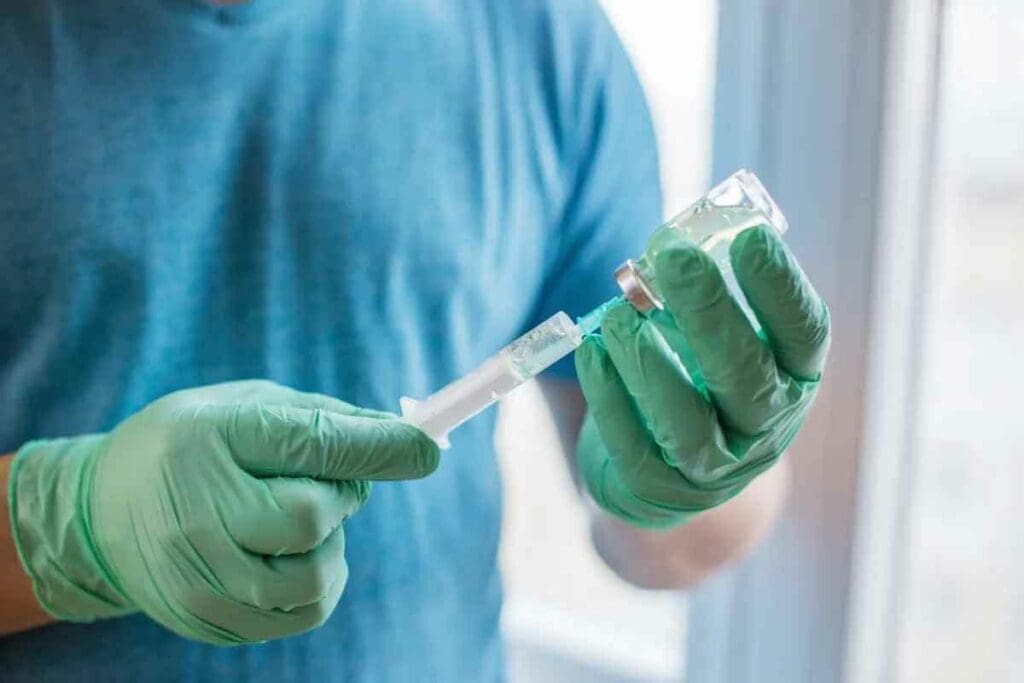
Vitamin B12 is key for energy, nerve health, and making red blood cells. We’ll look at why Vitamin B12 injections are important for treating deficiency. We’ll also talk about what affects the dosage.Learn key facts about b12 shots dosage for adults, including safe injection amounts, frequency, and best dosage practices.
The dosage of B12 injections for adults usually ranges from 100 mcg to 1,000 mcg per shot. At Liv Hospital, we offer detailed advice on Vitamin B12 injection amounts and how to dose them.
Key Takeaways
- Vitamin B12 is vital for energy and nerve health.
- B12 injections help treat deficiency.
- The usual dosage is 100 mcg to 1,000 mcg per shot.
- Age and health status can change the dosage.
- Parenteral administration is often used to treat Vitamin B12 deficiency.
Understanding Vitamin B12 and Its Importance

Vitamin B12 is key for many body functions. It helps make red blood cells, supports nerve health, and aids in DNA creation. We’ll look into why vitamin B12 is vital, its role in our bodies, and what happens if we don’t get enough.
The Role of Vitamin B12 in the Body
Vitamin B12 is vital for making red blood cells. These cells carry oxygen around our bodies. Without enough vitamin B12, we might get megaloblastic anemia. This can cause tiredness, weakness, and shortness of breath.
It also keeps our nervous system healthy. Vitamin B12 helps make myelin, a fatty substance that protects our nerves. It’s also needed for breaking down fatty acids and amino acids, which help us make energy.
Lastly, vitamin B12 is involved in making methionine. Methionine is needed for S-adenosylmethionine (SAMe). SAMe is important for making neurotransmitters and controlling gene expression.
Signs and Symptoms of B12 Deficiency
A lack of vitamin B12 can show in many ways. Symptoms can range from mild to severe. Common signs include:
- Fatigue and weakness
- Numbness or tingling in the hands and feet
- Difficulty walking or balance problems
- Mood changes, such as depression or anxiety
- Cognitive difficulties, including memory loss or confusion
If not treated, a B12 deficiency can cause serious problems. These include neurological damage and a higher risk of heart disease.
Who Needs B12 Supplementation
Some people are more likely to need vitamin B12 supplements. These include:
- Vegetarians and vegans, as vitamin B12 is mainly found in animal products
- Older adults, as they absorb vitamin B12 less well with age
- People with gastrointestinal disorders, like celiac disease or Crohn’s disease, which can block vitamin B12 absorption
- Those taking certain medications, such as proton pump inhibitors or metformin, which can also block vitamin B12 absorption
It’s best to talk to a healthcare professional about whether you need vitamin B12 supplements.
Standard B12 Shots Dosage for Adults

Knowing the standard B12 shots dosage is key for adults. Vitamin B12 injections help treat deficiency. The dosage depends on several factors. We’ll look at typical ranges, units, and concentrations found in commercial shots.
Typical Dosage Ranges
Adults usually get 100 to 1,000 mcg of B12 in shots. A common dose is 1,000 mcg for those with deficiency. This amount is often enough to refill B12 stores. Shots might be given weekly or monthly.
A study in the Journal of Clinical Pharmacology showed 1,000 mcg shots work well. Adults with deficiency saw big improvements in symptoms.
“High-dose vitamin B12 injections have been shown to be safe and effective in correcting deficiency, even in patients with certain underlying medical conditions.”
Measurement Units Explained
It’s important to know the units for B12 shots. Dosage is in micrograms (mcg), and volume in milliliters (mL). These units are not the same. For example, 1,000 mcg is 1 mL if the concentration is 1,000 mcg/mL.
| Concentration (mcg/mL) | Dosage (mcg) | Volume (mL) |
| 1,000 | 1,000 | 1 |
| 500 | 1,000 | 2 |
| 1,000 | 500 | 0.5 |
Standard Concentration in Commercial Preparations
Most B12 shots have 1,000 mcg/mL. This means 1 mL has 1,000 mcg of B12. This concentration is widely accepted in medicine. But, it’s important to check the exact concentration of your shot.
In summary, knowing the standard B12 shots dosage for adults is important. It involves understanding typical ranges, units, and concentrations. This knowledge helps healthcare providers and patients get the best treatment results.
How Much B12 Is in a Typical Injection
Knowing how much B12 is in a typical injection is key for good treatment. B12 injections help those who don’t have enough of this vitamin. It’s important for both doctors and patients to know the B12 amount in these shots.
Standard 1,000 mcg per mL Concentration
A standard B12 injection has 1,000 mcg of vitamin B12 per milliliter (mL). This amount is common in store-bought shots and works well for treating B12 lack. The usual dose is 1 mL, which means 1,000 mcg of B12 per shot.
Variations in Commercial Preparations
Even though 1,000 mcg/mL is the usual amount, different shots can have different levels. Some might have 500 mcg/mL or 2,500 mcg/mL. Always check the label or talk to a doctor to find out the exact B12 amount in your shot.
Calculating Total B12 Content per Dose
To figure out the total B12 in a dose, you need to know the solution’s concentration and the dose size. For example, if it’s 1,000 mcg/mL and you get 1 mL, you get 1,000 mcg of B12. Here’s a simple table to show this:
| Concentration (mcg/mL) | Volume (mL) | Total B12 Content (mcg) |
| 1,000 | 1 | 1,000 |
| 500 | 1 | 500 |
| 2,500 | 1 | 2,500 |
By knowing the B12 concentration and volume, doctors can make treatment plans that fit each patient’s needs. This ensures the B12 shots work well.
B12 Injection Administration Methods
Knowing how to give B12 injections is key. We’ll look at the ways to do it right. This ensures people get the right treatment for their B12 needs.
Intramuscular Injection Technique
Intramuscular injections are a common way to give B12 shots. This method puts the vitamin directly into a muscle. It’s usually done in the deltoid, vastus lateralis, or gluteal muscles.
To do an intramuscular injection:
- Choose the right needle length and gauge.
- Clean the injection site with antiseptic.
- Put the needle at a 90-degree angle into the muscle.
- Check for blood by aspirating.
- Slowly give the B12 solution.
For more details, check out Guys and St Thomas NHS. They have step-by-step guides.
Subcutaneous Injection Options
Subcutaneous injections put the vitamin just under the skin. This method is good for those at risk of bleeding or find intramuscular hard.
To give a subcutaneous injection:
- Pinch the skin to make a fold.
- Put the needle at a 45-degree angle.
- Give the B12 solution.
- Let go of the skin fold.
Common Injection Sites
Where to inject B12 depends on body type, injection size, and personal choice. Common spots include:
- The deltoid muscle in the upper arm.
- The vastus lateralis muscle on the outer thigh.
- The gluteal muscles in the buttocks.
- The abdominal fat for subcutaneous injections.
It’s important to know the different ways to give B12 injections. Choosing the right method is key for treating B12 deficiency. Healthcare providers should think about each patient’s needs and what they prefer.
Treatment Protocols and Frequency
B12 treatment plans vary, but most start with a loading phase followed by regular injections. The schedule and length of B12 shots depend on each patient’s needs. It’s important to know about the treatment’s different stages.
Loading Phase: Weekly Injections
In the loading phase, patients get B12 shots weekly for a few weeks. This helps quickly boost B12 levels in the body. A common protocol involves administering 1,000 mcg of B12 weekly for 4 to 8 weeks, depending on the deficiency’s severity and the patient’s response.
Maintenance Phase: Monthly Injections
After the loading phase, patients move to a maintenance phase. Here, B12 shots are given once a month. This phase is key for keeping B12 levels right and stopping symptoms from coming back. The maintenance dose is often the same as the loading dose, 1,000 mcg per injection, but it’s given less often.
Duration of Therapy Considerations
The length of B12 therapy varies among people. It depends on the cause of the deficiency, ongoing risk factors, and how well the treatment works. Some might need B12 shots for life to keep their levels up.
| Treatment Phase | Frequency | Typical Dosage | Duration |
| Loading Phase | Weekly | 1,000 mcg | 4-8 weeks |
| Maintenance Phase | Monthly | 1,000 mcg | Ongoing, based on individual needs |
Understanding B12 treatment’s phases and how long it lasts helps doctors tailor therapy for each patient. This ensures the best results for everyone.
How Many mL of Vitamin B12 Should Be Injected
Figuring out the right amount of Vitamin B12 to inject is key for good treatment. It’s important to know how to switch between micrograms (mcg) and milliliters (mL) for the right dose.
Converting mcg to mL for Different Preparations
The usual B12 injection dose is 1,000 mcg, which is 1 mL if it’s a 1,000 mcg per mL mix. But, B12 mixes can have different strengths. So, knowing how to change mcg to mL is vital. For example, if it’s 500 mcg/mL, 1,000 mcg is 2 mL. The formula to convert mcg to mL is: mL = mcg / concentration (mcg/mL).
Let’s look at a few examples:
- If it’s 1,000 mcg/mL, 1,000 mcg is 1 mL.
- If it’s 500 mcg/mL, 1,000 mcg is 2 mL.
- If it’s 2,000 mcg/mL, 1,000 mcg is 0.5 mL.
Standard 1 mL Dosing Protocol
The usual B12 injection dose is 1 mL, which has 1,000 mcg of Vitamin B12. This method is common because it makes dosing easier and cuts down on mistakes. “Using a standard concentration simplifies the dosing process.”
Adjusting Volume Based on Concentration
Sometimes, you need to change the amount to inject based on the B12 mix’s strength. For instance, if you need 2,000 mcg and it’s 1,000 mcg/mL, you’ll need 2 mL. It’s important to adjust the amount based on the mix’s strength to give the right dose.
As a general rule, always check the concentration of the B12 preparation and calculate the volume you need. This makes sure the patient gets the right amount, which is key for treatment success.
By knowing how to switch mcg to mL and adjusting for mix strength, doctors can make sure patients get the right Vitamin B12 dose. This leads to better treatment results.
Factors Affecting B12 Injection Dose for Adults
The dose of B12 injections for adults depends on several important factors. Healthcare providers look at these factors to make sure the treatment is safe and works well.
Severity of Deficiency
The level of B12 deficiency affects the dose needed. Those with more severe deficiencies might need higher doses to fill up their B12 stores.
- Mild deficiency: Patients with mild B12 deficiency might only need a small dose.
- Moderate deficiency: Those with moderate cases usually get a standard dose, about 1,000 mcg.
- Severe deficiency: For severe cases, more doses or injections might be needed, even if there are neurological symptoms.
Underlying Medical Conditions
Medical conditions can also change the B12 injection dose needed. Some conditions make it harder for the body to absorb vitamin B12, so the treatment might need to be adjusted.
For example:
- People with gastrointestinal disorders (like Crohn’s disease or celiac disease) might need more B12 because they absorb less.
- Those with liver or kidney disease might need their doses changed because these conditions can affect how B12 is processed and removed from the body.
Age and Weight Considerations
Age and weight are also important for healthcare providers when setting B12 injection doses for adults.
For example:
- Older adults might need more frequent or higher doses because their bodies absorb less and they are more likely to be deficient.
- Body weight might affect the dose in some cases, but it’s not as common for B12 injections.
By taking these factors into account, healthcare providers can customize B12 injection treatment for each patient. This ensures the best results for everyone.
Monitoring and Adjusting B12 Shot Dosage
Effective vitamin B12 therapy needs careful monitoring and dosage adjustments. We focus on regular assessments to meet each patient’s needs.
Laboratory Testing and Follow-up
Regular lab tests are key for checking B12 shot effectiveness. We measure serum vitamin B12 levels before starting and at follow-ups. Laboratory testing helps us see if the dosage is right or if changes are needed.
Follow-up visits let us check if patients are sticking to the treatment. We also address any side effects or concerns. Regular check-ins are every 3-6 months, based on the patient’s condition and how they’re doing.
Clinical Response Assessment
We also look at how patients are feeling after B12 therapy. This includes checking for improvements in fatigue, weakness, and neurological issues. A good response means the dosage is working, but if not, we might need to adjust it.
Checking for side effects is part of the assessment too. Though rare, side effects can happen. We work with patients to handle any issues and adjust the treatment plan as needed.
When to Increase or Decrease Dosage
We adjust dosages based on lab results and how patients are feeling. If B12 levels stay low, we might increase the dosage or how often shots are given. If levels get too high or side effects occur, we might lower the dosage.
We also look at other factors that might change B12 needs. This includes changes in health, medications, or diet. By keeping a close eye on patients and adjusting dosages, we aim for the best results and safety.
Comparing Prescription vs. OTC Vitamin B12 Options
Prescription vitamin B12 injections and over-the-counter oral supplements are two ways to treat B12 deficiency. They differ in dosage, how you take them, and how well your body absorbs them. Knowing these differences helps healthcare providers and patients make better choices.
Prescription Injection Strengths
Prescription B12 injections come in different strengths, from 100 to 1,000 mcg per mL. The most common is 1,000 mcg per mL, used for injections.
Here’s a table showing common prescription B12 injection strengths:
| Concentration (mcg/mL) | Volume (mL) | Total Dose (mcg) |
| 1,000 | 1 | 1,000 |
| 1,000 | 0.5 | 500 |
| 100 | 1 | 100 |
Over-the-Counter Oral Supplement Ranges
OTC oral vitamin B12 supplements have dosages from 500 to 2,000 mcg per serving. They come in tablets, capsules, and sublingual drops.
OTC B12 Supplement Options:
- 500 mcg tablets
- 1,000 mcg capsules
- 2,000 mcg sublingual drops
Bioavailability Differences
The way your body absorbs vitamin B12 varies between injections and oral supplements. Injections go straight into your blood, avoiding gut absorption issues. Oral supplements, on the other hand, must go through your digestive system, which can be affected by your health and other nutrients.
Key differences in bioavailability:
- Prescription injections: High bioavailability due to direct delivery into the bloodstream
- OTC oral supplements: Variable bioavailability due to gastrointestinal absorption factors
Understanding the differences between prescription B12 injections and OTC supplements helps healthcare providers tailor treatments. This ensures the best results for each patient.
Conclusion: Ensuring Optimal B12 Therapy Success
To get the most out of B12 therapy, it’s important to know the right dosage and how to take it. We’ve looked at how much B12 adults need and the different ways to get it. It’s key to stick to the treatment plan and adjust the dose as needed.
Knowing how B12 injections work and keeping an eye on how well they’re working is vital. Whether you’re using prescription or over-the-counter B12, understanding the differences is important. This ensures you’re getting the most out of your B12 therapy.
Lab tests and follow-ups are essential to fine-tune your treatment. This way, you can enjoy the full benefits of B12 supplements. By taking a holistic approach, you can make sure your B12 therapy is working its best.
FAQ
What is the typical dosage range for B12 injections?
B12 injections usually range from 100-1,000 mcg per shot. A common dose for treating deficiency is 1,000 mcg.
How do I convert mcg to mL for B12 injections?
To convert mcg to mL, you need to know the B12 preparation’s concentration. For example, if it’s 1,000 mcg/mL, then 1 mL has 1,000 mcg of B12.
What is the standard concentration of B12 injections?
The usual concentration of B12 injections is 1,000 mcg per mL. But, different commercial preparations may vary.
How often should I take B12 injections?
B12 injection frequency depends on your treatment plan. It usually starts with weekly shots for a loading phase. Then, it switches to monthly shots for maintenance.
What factors influence the B12 injection dose?
Several factors affect the B12 injection dose. These include the severity of deficiency, medical conditions, age, and weight.
How do I monitor the effectiveness of B12 injections?
To check if B12 injections are working, you need lab tests to measure B12 levels. You also assess how you feel and adjust the dose if needed.
What is the difference between prescription B12 injections and OTC oral supplements?
Prescription B12 injections are more effective because they have higher bioavailability. They’re used to treat deficiency. OTC oral supplements have varying bioavailability and come in different strengths, usually 500-2,000 mcg.
Can I adjust the volume of B12 injection based on concentration?
Yes, you can adjust the B12 injection volume based on the preparation’s concentration. This helps achieve the right dosage.
What are the common injection sites for B12 injections?
B12 injections are often given in the deltoid muscle, vastus lateralis muscle, or subcutaneous tissue.
How do I know if I need B12 supplementation?
You might need B12 supplements if you have symptoms like fatigue, weakness, or neurological issues. Or if you’re at risk due to certain health conditions or diet.
References:
- Bo, Y., et al. (2020). Association Between Folate and Health Outcomes: An Umbrella Review of Meta-Analyses. Frontiers in Public Health, 8, 550753. https://pmc.ncbi.nlm.nih.gov/articles/PMC7770110