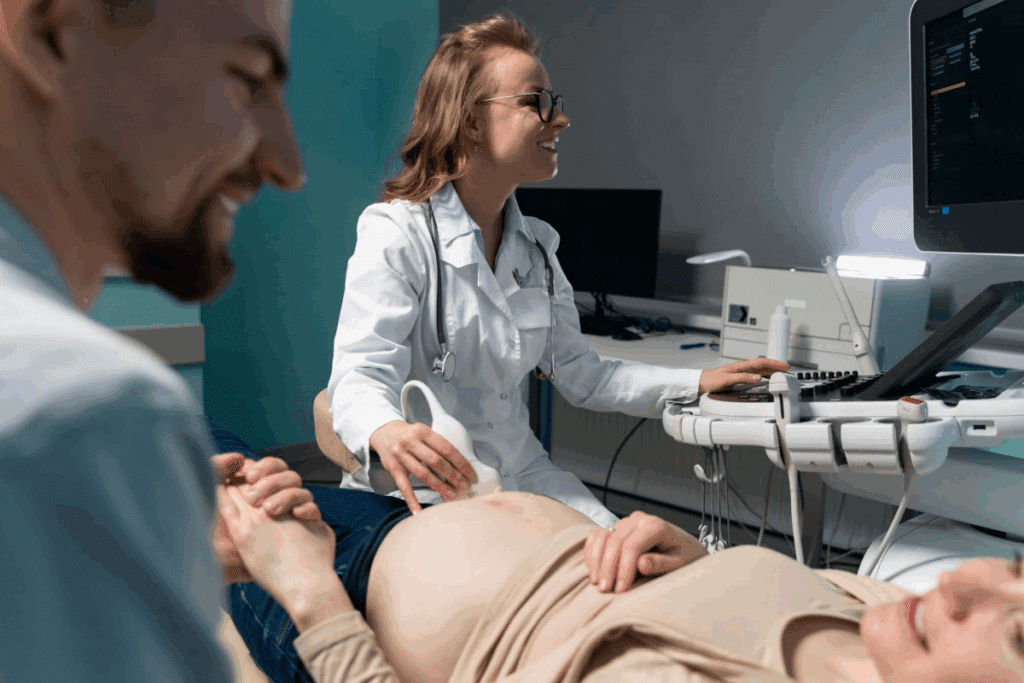
Feeling pain after embryo transfer worries many fertility patients. They are hoping for good news about implantation. Studies show that women who get pregnant through IVF might feel more sacral pain later in their pregnancy.back pain after ivf embryo transferWhat Is the Difference Between Embryonic and Adult Stem Cells?
Medical Expert. He believes it’s often due to hormone changes, not a bad sign. At Liv Hospital, we offer caring and informed fertility care. We help patients understand these important times with confidence.
Key Takeaways
- Back pain after embryo transfer is a common symptom reported by many women undergoing IVF treatment.
- Hormonal changes and individual health conditions can contribute to this discomfort.
- Understanding the causes of back pain is key for managing expectations during the IVF journey.
- Liv Hospital is dedicated to providing complete fertility care and support.
- Expert opinions and research clarify the link between implantation and back pain.
The IVF Journey and Physical Symptoms
The IVF journey is complex, with many physical symptoms to navigate. We help patients through this by understanding common discomforts. Back pain is a big concern that needs extra attention.
Common Discomforts During Fertility Treatment
Fertility treatments, like IVF, cause physical symptoms due to hormonal changes and the process itself. Patients often feel bloated, experience mood swings, and get tired. Some face severe symptoms like ovarian hyperstimulation syndrome (OHSS).
These symptoms differ from person to person. Hormonal medications can lead to muscle cramps and discomfort. Stress and anxiety from fertility treatments also cause muscle tension and pain.
Why Back Pain Deserves Special Attention
Back pain is a big worry for many IVF patients. It can come from the embryo transfer, hormonal changes, or existing back issues. Knowing why back pain happens is key to keeping patients comfortable and calm during IVF.
To understand back pain in IVF patients better, let’s look at some data:
| Symptom | Prevalence Among IVF Patients | Potential Causes |
|---|---|---|
| Back Pain | 40% | Hormonal changes, procedural factors |
| Bloating | 60% | Hormonal medications |
| Mood Swings | 70% | Hormonal fluctuations |
By knowing the causes and how common back pain is, we can support our patients better. We make sure they are informed and comfortable during the IVF journey.
Understanding Back Pain After IVF Embryo Transfer
Back pain after IVF can be different for everyone. It’s important to know why it happens and what it means. We’ll look at how common it is, what it feels like, and why it might be a concern.
Prevalence Among IVF Patients
Women who get pregnant through IVF often feel more back pain in late pregnancy. This is more than women who get pregnant naturally. Back pain after IVF is common among those trying to conceive.
Knowing how common back pain is can help manage it better. It’s important to understand its causes.
Characteristics of Post-Transfer Back Pain
Back pain after IVF can feel different for everyone. Some might just feel a little discomfort, while others might have more severe pain. The pain might be in the lower back or spread to other areas.
Key characteristics include:
- Variability in intensity
- Location, often in the lower back or sacral area
- Potential triggers, such as procedural factors or hormonal changes
Differentiating Normal Discomfort from Concerning Pain
It’s important to tell the difference between normal IVF discomfort and pain that needs medical help. Some discomfort is okay, but severe or ongoing pain should be checked by a doctor.
Patients should be aware of their bodies and seek guidance if they experience:
- Pain that worsens over time
- Severe pain interfering with daily activities
- Additional symptoms such as fever or vaginal bleeding
Understanding back pain after IVF can help us navigate the IVF journey better. It helps us make informed decisions about our care.
The Embryo Transfer Procedure Explained
Understanding the embryo transfer procedure is key for patients going through IVF. It’s a vital step where the embryo is placed in the uterus. This step is important for the IVF journey.
Step-by-Step Process of Transfer
The embryo transfer has several steps. First, the patient is prepared on the procedure table, often in a slightly different position than a standard pelvic exam. The fertility specialist uses ultrasound to place the embryo accurately. The embryo is gently loaded into a catheter, which is then inserted through the cervix into the uterine cavity.
Once the catheter is in place, the embryo is released into the uterus. This process is typically quick and relatively painless.
Physical Impact on the Body
The physical impact of the embryo transfer is usually minimal. Some patients may experience mild cramping during or after the procedure, similar to menstrual cramps. Ultrasound guidance helps keep discomfort low by placing the catheter correctly without much uterus manipulation. After the procedure, patients may be advised to rest for a short period before resuming normal activities.
Immediate Post-Procedure Sensations
After the embryo transfer, patients may feel different things. Some may feel a slight discomfort or mild cramping as the uterus adjusts to the presence of the catheter. Others might feel a feeling of relief or a sense of hopefulness as the procedure marks a significant step towards achieving pregnancy. It’s important to note that any severe pain or heavy bleeding should be reported to the fertility specialist.
Implantation: The Biological Process
Implantation is when an embryo attaches to the uterine lining, starting a pregnancy. This complex process is key for a successful pregnancy, like after IVF embryo transfer.
What Happens When an Embryo Implants
When an embryo implants, it buries itself in the uterine lining. This needs the embryo and the lining to be in sync. The embryo uses enzymes to get into the lining, and the uterus gets ready by thickening and increasing blood flow.
This detailed process is vital for the embryo to get the nutrients it needs to grow.
As the embryo implants, it starts a series of changes that help it grow. This can cause mild cramping and discomfort, but not everyone feels it.
Timeline of Implantation After Transfer
The implantation process usually takes 6 to 10 days after embryo transfer. The embryo moves from the fallopian tube to the uterus, where it implants. The exact time can change based on the embryo’s quality and the lining’s readiness.
Knowing when implantation happens helps manage hopes and track the pregnancy’s progress. It also helps spot any early problems.
Physical Changes in the Uterus During Implantation
During implantation, the uterus changes to support the growing embryo. The lining gets thicker, and blood flow increases to provide nutrients. These changes can cause mild discomfort or cramping, which are usually normal.
It’s important to tell the difference between normal symptoms and signs of trouble. While some discomfort is okay, severe pain or heavy bleeding need a doctor’s attention.
The Connection Between Implantation and Back Pain
Exploring the link between implantation and back pain is key. We look at scientific studies and what IVF patients say. Implantation is when the embryo sticks to the uterine lining. This can cause discomfort and pain.
Scientific Evidence on Implantation-Related Discomfort
Studies are looking into why back pain happens after embryo transfer. Some research suggests a link to implantation. Several factors might play a role in this connection.
Key findings from recent studies include:
- The invasion of trophoblastic cells into the uterine lining during implantation
- Increased blood flow and hormonal changes in the uterus
- Mild inflammation or irritation at the implantation site
How Embryo Attachment May Trigger Pain Signals
We don’t fully understand how embryo attachment causes pain. But, there are a few theories:
| Theory | Description |
|---|---|
| Irritation of uterine nerves | Implantation might irritate nerves in the uterine lining, leading to back pain. |
| Hormonal changes | Hormonal shifts during implantation, like more progesterone, can affect pain perception. |
| Inflammation | Minor inflammation at the implantation site might cause discomfort or pain. |
Patient Experiences and Testimonials
Many IVF patients say they felt back pain after embryo transfer. They think it might be from implantation. Everyone’s experience is different, but some common themes appear:
“I experienced a dull ache in my lower back about a week after my embryo transfer. It wasn’t severe, but it was persistent. I was told it could be related to implantation.” – Sarah, age 32
Stories like Sarah’s offer insights into the possible link between implantation and back pain. Yet, it’s important to remember that everyone’s journey with IVF is unique.
By looking at both scientific studies and patient experiences, we can better understand the connection between implantation and back pain after embryo transfer.
Hormonal Factors Contributing to Back Pain
Hormonal changes are key during IVF, affecting back pain. The body sees big changes due to progesterone and estrogen.
Progesterone Effects on Muscles and Ligaments
Progesterone relaxes muscles and ligaments. This can be good, but also lead to increased flexibility and instability in the lower back. This instability may cause strain or discomfort.
Progesterone also causes water retention and bloating. This can add pressure on back muscles, making pain worse.
Estrogen Fluctuations and Pain Sensitivity
Estrogen levels change a lot during IVF. Research shows estrogen can make pain more sensitive. Some women may feel more pain in their back because of this.
Estrogen also affects neurotransmitters that control pain. So, estrogen changes can change how pain is felt and processed by the body.
The Critical Role of Relaxin in Pelvic and Sacral Pain
Relaxin is important during pregnancy, including IVF pregnancies. It relaxes the pelvic girdle and softens the cervix for childbirth. But, it can also make joints more mobile, leading to pelvic and sacral pain.
The extra flexibility from relaxin can stress the lower back. This can cause discomfort or pain. Knowing about relaxin helps manage these symptoms better.
Non-Implantation Causes of Back Pain After Embryo Transfer
Back pain after embryo transfer isn’t just from implantation. Other factors also play a big role. Knowing these can help manage and ease back pain during IVF.
Procedural Positioning and Resulting Discomfort
The embryo transfer procedure is not very invasive. But, patients must stay in one position for a while. Lying in one spot can strain the back muscles, causing pain. Medical Expert, a fertility expert, says the position can sometimes cause discomfort.
We suggest talking to your healthcare provider about any worries about the position. This can help lessen discomfort.
Psychological Stress and Physical Tension
IVF treatment can be very stressful and anxious. This stress can make muscles tense, including in the back. Using stress management like deep breathing or meditation can help. We recommend trying these to lower stress during IVF.
Pre-existing Back Conditions Exacerbated by Treatment
If you already have back problems, IVF might make them worse. Hormonal changes and treatment aspects can worsen back issues. It’s important to tell your fertility specialist about any back problems you have.
Ovarian Hyperstimulation Syndrome Effects
Ovarian Hyperstimulation Syndrome (OHSS) is a possible side effect of IVF. It causes enlarged ovaries and fluid buildup in the body. OHSS can lead to back pain because of the strain on the abdomen and pelvis.
“OHSS can lead to significant discomfort, including back pain, due to the strain on the abdominal and pelvic regions,” explains Medical Expert, a reproductive endocrinologist.
It’s key to watch and manage OHSS to lessen its effects, like back pain.
In summary, while implantation can cause back pain, it’s not the only reason. Other factors like procedural positioning, stress, existing back conditions, and OHSS also play a big part. Addressing these can offer better care to IVF patients.
Timing of Back Pain: Correlation With Implantation
Understanding when back pain happens after embryo transfer is key. It helps figure out if it’s linked to implantation. The timing and how long the pain lasts can tell us a lot.
Early vs. Late Onset Pain Patterns
Back pain after embryo transfer can show up in different ways. Some people feel early onset pain a few days after the transfer. This might be because the embryo is starting to attach to the uterine lining.
On the other hand, late onset pain happens later, during the two-week wait. This pain could be because the embryo is growing and the uterus is changing. Knowing if pain is early or late can help figure out if it’s related to implantation.
Duration of Implantation-Related Discomfort
How long back pain lasts due to implantation can differ. For some, it’s just a brief discomfort that goes away once implantation is done. Others might feel pain for a few days, which could mean the uterus is adjusting.
It’s important to remember that how long pain lasts doesn’t always mean if implantation was successful. We also need to look at how intense and what the pain feels like.
Distinguishing Between Implantation and Other Causes
It’s important to tell apart back pain from implantation and other reasons. Other things, like how you were positioned during the transfer, stress, or back problems you already have, can also cause pain.
- Procedural factors: The way you were positioned during the embryo transfer can cause temporary discomfort.
- Psychological stress: The emotional stress of waiting can show up as physical tension.
- Pre-existing conditions: Back pain or pelvic issues you already have can get worse because of IVF.
By looking closely at when, how long, and what the back pain feels like, we can understand its cause better. This helps both patients and doctors decide what to do next.
Research Findings on Back Pain in IVF Pregnancies
IVF pregnancies show a unique pattern when it comes to back pain. Research gives us insights into how common it is, what it’s like, and how it affects women long-term.
Comparative Studies with Natural Pregnancies
Studies comparing IVF pregnancies to natural ones are key. They show that IVF pregnancies often lead to more sacral pain in late pregnancy. This difference points to unique factors in IVF pregnancies that might cause more back pain.
One study found that back pain is much more common in IVF pregnancies, mainly in the third trimester. This shows we need special care for IVF patients with back pain.
Statistical Prevalence in IVF Patients
Back pain in IVF patients is a common issue, with studies showing it affects up to 50% of them. This high rate makes it clear we must focus on treating back pain in IVF care.
Many factors contribute to this high rate, like hormonal changes and the IVF process itself. Knowing these can help us create better treatments.
Long-term Outcomes and Resolution
Most back pain in IVF pregnancies goes away after giving birth. But, some women might keep feeling pain after that. They need ongoing care and support.
It’s vital to keep an eye on back pain during and after pregnancy. We should teach patients safe ways to manage pain and stay comfortable.
Managing Back Pain After IVF Embryo Transfer
Managing back pain after IVF embryo transfer is key for patients’ well-being. The two-week wait can be tough due to the wait and any pain. It’s important to take care of yourself during this time.
Safe Pain Relief Methods During the Two-Week Wait
Choosing safe pain relief during the two-week wait is critical. Acetaminophen is often safe for pain. But, always check with your fertility specialist before taking any medication.
Some find relief with heat therapy or cold packs on their back. These methods can ease pain without medication.
Physical Comfort Measures
Keeping physically comfortable is important after the transfer. Proper posture and supportive clothing can help with back pain. Avoid heavy lifting and bending.
A supportive pillow can also help with back pain. Make sure your workspace is set up to avoid back strain.
Gentle Movement and Stretches
Gentle movement and stretching can help with back pain. Pelvic tilts and gentle yoga relax muscles and improve circulation.
Avoid strenuous activities or high-impact exercises during the wait. Instead, do low-impact activities like short walks. This keeps you comfortable without risking the treatment.
When to Contact Your Fertility Specialist
Some pain after IVF is normal, but severe pain or other symptoms need immediate attention. If you have severe back pain, vaginal bleeding, or fever, call your clinic right away.
Knowing when to seek medical advice can ease your mind during the wait. Your fertility specialist can provide personalized advice, ensuring your concerns are addressed quickly.
Conclusion: Navigating Back Pain During Your IVF Journey
Understanding back pain after embryo transfer is key to a better IVF experience. Knowing the causes helps patients manage their treatment better. This includes the procedure, hormonal changes, and implantation.
Managing back pain is vital during IVF. We’ve talked about safe pain relief, physical comfort, and gentle stretches. These methods help reduce back pain’s impact on treatment.
Dealing with back pain in IVF needs a full approach. It’s about both physical and emotional care. Being informed and proactive helps patients work with their healthcare team. This ensures a more comfortable and successful IVF journey. As fertility treatments improve, keeping patients comfortable and well is more important than ever.
FAQ
Does implantation cause back pain after embryo transfer?
Implantation might cause back pain, but it’s not the only reason. Hormonal changes, how you’re positioned during the procedure, and any back issues you already have can also lead to pain.
What are the common discomforts during fertility treatment?
Women often feel bloated, crampy, and experience back pain during fertility treatments. These feelings come from hormonal shifts, the embryo transfer itself, and personal health issues.
How prevalent is back pain among IVF patients?
Studies show that many IVF patients deal with back pain. It affects a big number of women going through fertility treatments.
What are the characteristics of post-transfer back pain?
Back pain after embryo transfer can be mild or severe. It might last a short time or go on for longer. The pain can be steady or come and go.
How can I differentiate between normal discomfort and concerning pain?
If your pain is really bad, doesn’t go away, or gets worse, you should talk to your fertility doctor. They can check your symptoms and help you manage the pain.
Can procedural positioning during embryo transfer cause back pain?
Yes, the way you’re positioned during the embryo transfer can strain your back. This can lead to pain.
How do hormonal changes contribute to back pain?
Hormones like progesterone, estrogen, and relaxin can affect your muscles and ligaments. This can make you more sensitive to pain, leading to back pain. Knowing about these hormones can help you manage your pain.
What is the timeline of implantation after embryo transfer?
Implantation usually happens 6-10 days after the embryo transfer. Knowing this timeline can help you figure out why you might be feeling back pain.
Can pre-existing back conditions be exacerbated by IVF treatment?
Yes, IVF treatment can make existing back problems worse. Hormonal changes, how you’re positioned during the procedure, and other IVF-related factors can all play a role.
What are some safe pain relief methods during the two-week wait?
Safe ways to ease pain during the two-week wait include gentle stretches and approved pain meds. Always check with your fertility doctor first.
When should I contact my fertility specialist about back pain?
If your pain is severe, doesn’t go away, or gets worse, reach out to your fertility doctor. They can offer advice and support.
Is back pain after embryo transfer a sign of successful implantation?
Back pain after embryo transfer doesn’t always mean implantation was successful. While some women might feel back pain during implantation, it’s not a sure sign of IVF success.
Can ovarian hyperstimulation syndrome (OHSS) cause back pain?
Yes, OHSS can cause back pain, along with bloating and stomach discomfort. If you have severe OHSS symptoms, you should see a doctor right away.
How can I manage back pain during IVF treatment?
To manage back pain during IVF, try safe pain relief methods, physical comfort measures, and gentle stretches. Your fertility specialist can give you personalized advice.
References
National Center for Biotechnology Information. Back Pain After Embryo Transfer and Implantation. Retrieved from https://pubmed.ncbi.nlm.nih.gov/35088079