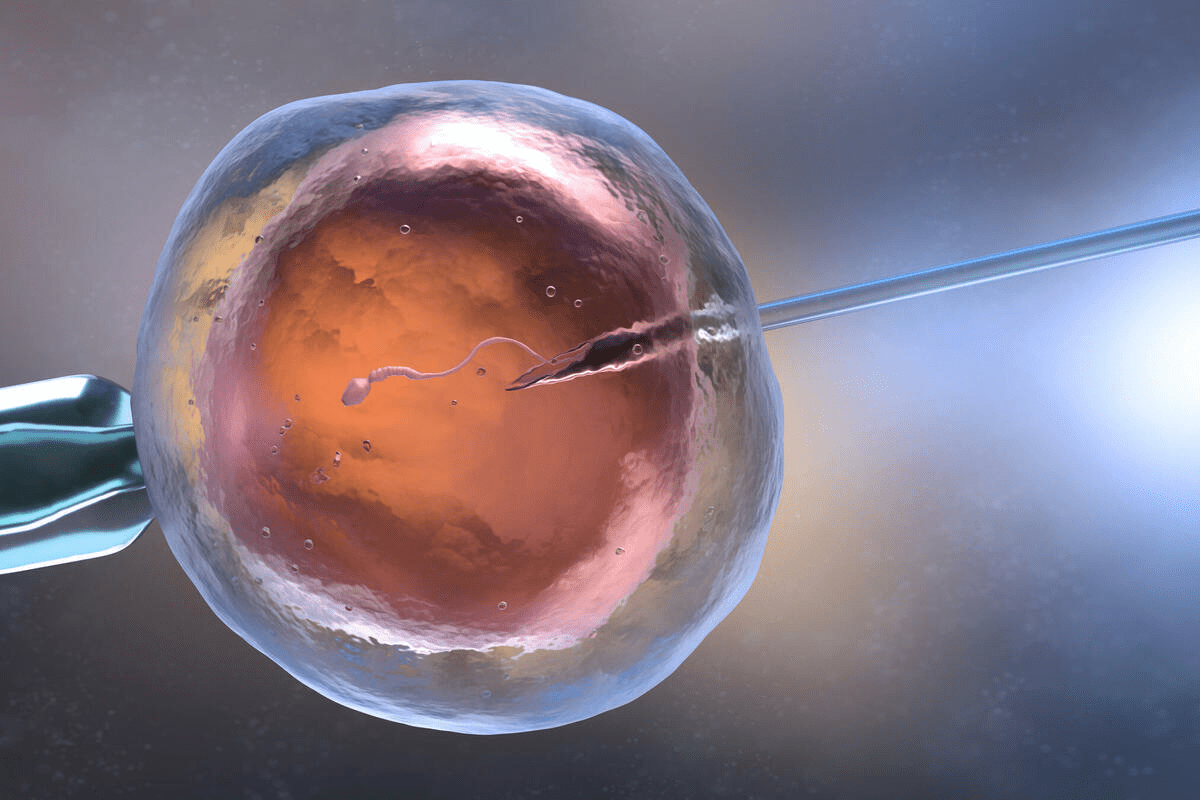
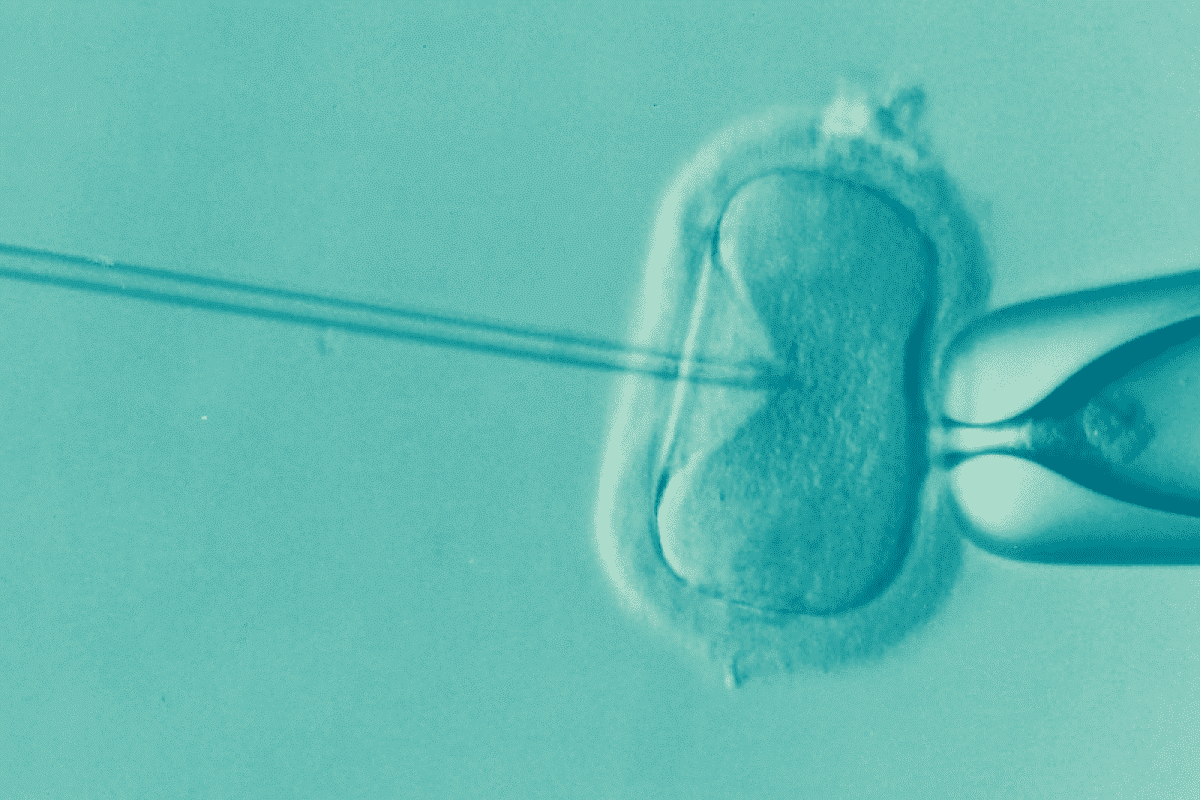
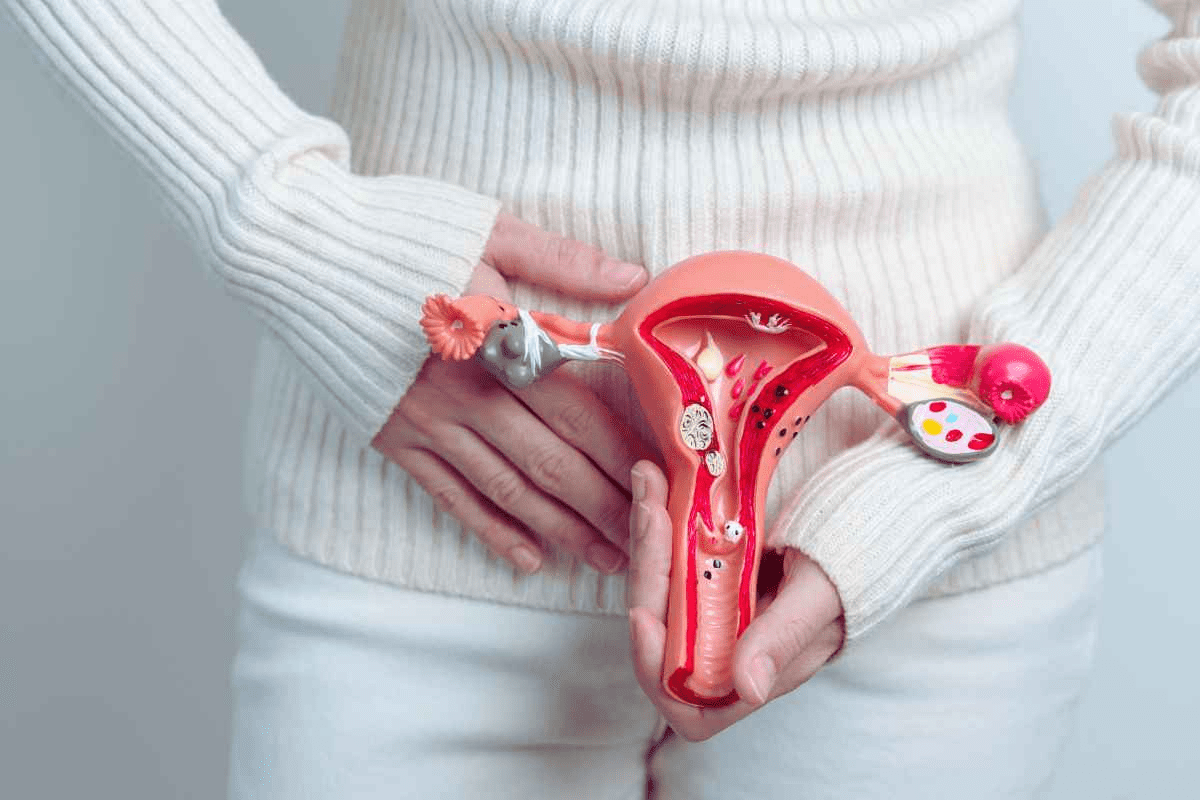
Knowing when implantation occurs after IVF transfer is key for those on their fertility journey. The moment of embryo implantation starts a pregnancy.
Implantation timing can change due to several factors, including the embryo’s stage at transfer. It happens when the embryo sticks to the uterine lining. Many patients also experience back pain IVF after transfer, which can be a normal part of the implantation process.
The time between IVF transfer and implantation is filled with hope. The body goes through important changes. Knowing the timeline from day 1 to day 5 helps manage hopes.
Key Takeaways
- Implantation timing varies depending on the embryo stage and individual factors.
- The embryo attaches to the uterine lining during implantation.
- Understanding the implantation process is key for managing expectations.
- The timeline from day 1 to day 5 post-transfer is critical.
- Physiological changes occur between IVF transfer and implantation.
The IVF Transfer Process Explained
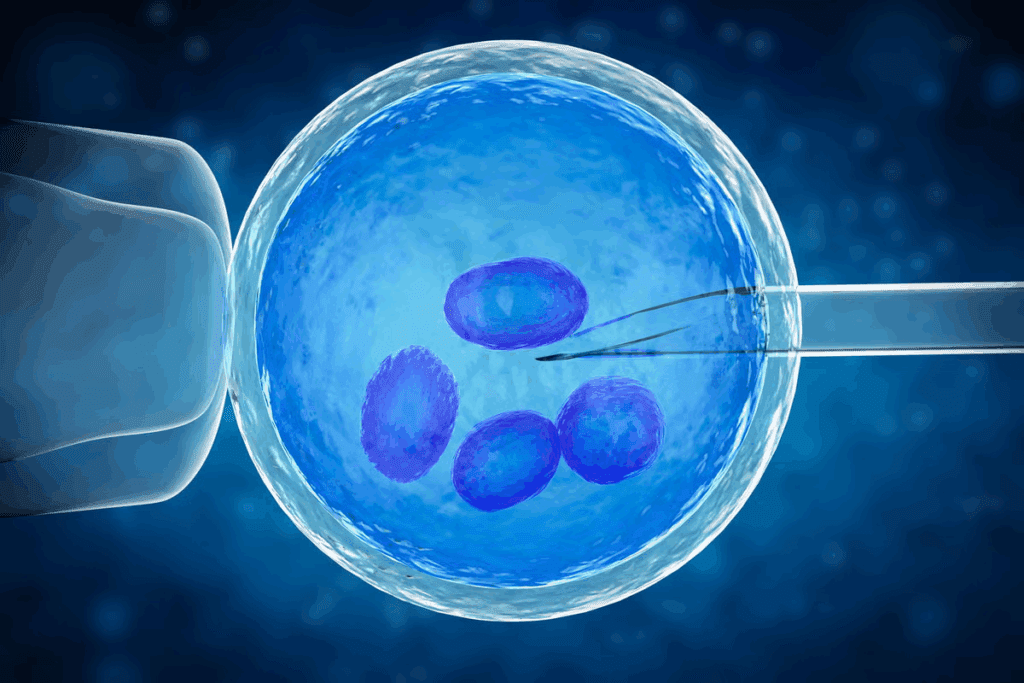
Understanding the IVF transfer process is key for those going through fertility treatments. It’s a step that can greatly affect the success of implantation. The process involves carefully placing an embryo into the uterus.
The method of embryo transfer can greatly impact IVF treatment success. Transfers can use fresh or frozen embryos. The timing of the transfer also varies, with some clinics choosing day 3 and others day 5.
Fresh vs. Frozen Embryo Transfers
Fresh embryo transfers happen when the embryo is placed in the uterus during the same cycle as egg retrieval. Frozen embryo transfers, on the other hand, involve thawing embryos and transferring them in a later cycle. Each method has its benefits and is chosen based on the patient’s needs and medical advice.
Fresh transfers might be better for a more natural cycle. But, they can also raise the risk of Ovarian Hyperstimulation Syndrome (OHSS) for some. Frozen transfers, though, offer a more controlled setting. This might boost implantation rates and lower OHSS risks.
Day 3 vs. Day 5 Blastocyst Transfers
The timing of the transfer is also important. Embryos can be transferred on day 3 or day 5. The choice depends on the number and quality of embryos.
Day 5 transfers are often preferred because they allow for better selection of embryos. This might lead to higher implantation rates. Yet, not all embryos reach the blastocyst stage. The decision on when to transfer should be based on the patient’s and embryo’s specific situation.
Understanding Embryo Development Before Transfer

The journey of an embryo from fertilization to transfer is complex and key to IVF success. This process is both fascinating and intimidating for those undergoing IVF. The development of an embryo greatly affects the chance of successful implantation and pregnancy.
Embryo development starts with fertilization, where a sperm meets an egg. This creates a zygote. The zygote then divides into many cells as it moves through the fallopian tube towards the uterus.
From Fertilization to Blastocyst Stage
After fertilization, the embryo goes through several stages:
- Cleavage stage: The zygote divides into a cluster of cells.
- Morula stage: The embryo becomes a compact cluster of cells.
- Blastocyst stage: Around 5-6 days after fertilization, the embryo reaches the blastocyst stage. It has a fluid-filled cavity and an inner cell mass.
The blastocyst stage is important because it’s when embryos are usually transferred during IVF.
Embryo Grading and Selection
Not all embryos develop at the same rate or have the same implantation chance. Embryologists use a grading system to assess viability. They look at:
- Number of cells
- Evenness of cell division
- Presence of fragmentation
- Quality of the inner cell mass and trophectoderm
Highly graded embryos have a better chance of leading to a successful pregnancy. Our fertility specialists carefully choose the best embryo for transfer. This increases the chances of a successful IVF cycle.
The Biological Process of Implantation
Implantation is a complex process where the embryo attaches to the uterine lining. It involves the embryo hatching and undergoing significant cellular changes. This is key for a successful pregnancy.
Hatching from the Zona Pellucida
The first step is the embryo hatching from its outer layer, the zona pellucida. This step, called hatching, lets the embryo contact the uterine lining. The zona pellucida is a glycoprotein layer that’s vital for fertilization and early development.
As the embryo grows, it divides and changes cells. This leads to the zona pellucida thinning and rupturing. This hatching is vital for the embryo to attach to the uterine lining.
Attachment to the Endometrium
After hatching, the embryo attaches to the endometrium, the uterus lining. The endometrium thickens and gets more blood vessels due to hormonal changes. The embryo’s attachment to the endometrium is a critical step that needs perfect timing.
Cellular Differentiation into Fetal and Placental Structures
After attaching, the embryo quickly differentiates into fetal and placental structures. This differentiation is vital for the fetus’s growth and the placenta’s function. The placenta will provide nutrients and oxygen to the fetus.
The differentiation process creates different cell types, like trophoblast cells for the placenta and inner cell mass for the fetus. This complex process is tightly controlled and essential for a healthy pregnancy.
Implantation Timeline After Day 5 Blastocyst Transfer
Knowing when implantation happens after a day 5 blastocyst transfer is key. It helps manage hopes during IVF. The journey includes the embryo’s hatching and settling into the uterine lining.
Days 1-2: Beginning of Hatching Process
Right after a day 5 blastocyst transfer, the embryo starts to break free from its outer layer. This is a big step towards making contact with the uterine lining.
The hatching process is a complex and highly regulated mechanism that is essential for successful implantation. During days 1-2 after transfer, the embryo starts to escape from its zona pellucida, preparing for implantation.
Day 3 After IVF Transfer: Critical Implantation Window
By day 3, the embryo is in the critical implantation window. It keeps hatching and gets closer to the endometrium, the uterine lining.
This close interaction is key for a successful pregnancy. The embryo starts to implant into the uterine lining. This is helped by special proteins and hormones.
Days 4-5: Completion of Implantation
By days 4-5 after the transfer, implantation is usually done. The embryo is fully in the uterine lining. It starts to grow into a fetus and placenta.
This is a big step in starting a pregnancy. The embryo will keep growing, helped by the mother’s hormonal changes.
| Days After Transfer | Implantation Stage | Description |
|---|---|---|
| 1-2 | Beginning of Hatching | Embryo starts to hatch from the zona pellucida |
| 3 | Critical Implantation Window | Embryo interacts with the endometrium, starts implantation |
| 4-5 | Completion of Implantation | Embryo fully implants into the uterine lining |
When Does Implantation Occur After Frozen Embryo Transfer (FET)
Implantation after Frozen Embryo Transfer (FET) is a key step for a successful pregnancy. The journey to parenthood through IVF is complex. Knowing about FET helps manage expectations.
Differences Between Fresh and Frozen Transfer Implantation
Implantation after FET is different from fresh embryo transfers. The biological process is the same, but preparation and timing vary.
Key differences include:
- The endometrium preparation for FET, which involves hormonal treatment to synchronize the uterine lining with the embryo’s developmental stage.
- The endometrium may be more natural during FET cycles, as they don’t have the same ovarian stimulation as fresh cycles.
Endometrial Preparation for FET
Preparing the endometrium is vital in FET. We use estrogen and progesterone to make the uterine lining ready for the embryo.
The preparation typically involves:
- Monitoring the thickness and quality of the endometrial lining.
- Administering hormones to mimic the natural cycle, ensuring the endometrium is ready for implantation.
The goal is to match the embryo transfer with the best time for endometrial receptivity.
Timeline Variations with FET
The timeline for implantation after FET can differ from fresh embryo transfers. It’s important for FET patients to understand these variations.
| Day | FET Process | Implantation Stage |
|---|---|---|
| 1-2 | Embryo thawing and preparation | Beginning of hatching process |
| 3 | Embryo transfer | Critical implantation window |
| 4-5 | Post-transfer | Completion of implantation |
Understanding FET differences and preparations helps anticipate implantation timing. This knowledge is key for a successful outcome.
Day-by-Day After IVF Transfer: What to Expect
Knowing what happens each day after IVF transfer can ease worries and set realistic hopes. Everyone’s experience is different, with unique symptoms and feelings.
Day 1 Post Embryo Transfer
The first day after the transfer, the embryo is getting ready to hatch from its shell. This is a key time for implantation. At this point, you might not feel anything different.
Days 3-4 After IVF Transfer
By days 3-4, the embryo is settling into the uterine lining. You might feel some mild cramping or spotting. The embryo is embedding into the endometrium, a delicate but vital step for pregnancy.
What Happens After 5 Day Blastocyst Transfer
After a 5-day blastocyst transfer, the embryo is quite developed. Implantation usually happens around this time. You might notice slight changes, like more cervical mucus or a bit of stomach discomfort.
One Week After Embryo Transfer
By one week after the transfer, implantation is usually done. You might feel more symptoms, like sore breasts or tiredness, because of hormone changes. It’s key to follow your doctor’s post-transfer advice to help the embryo settle.
In summary, the days after IVF transfer bring many physical and emotional changes. Symptoms vary, but knowing what to expect can make the journey easier.
Back Pain After IVF Transfer: Causes and Management
Back pain after IVF transfer is common for many women. Knowing the causes and how to manage it can help ease the discomfort.
Hormonal Influences on Back Discomfort
The IVF process changes hormones a lot. Hormonal changes, like more progesterone, can relax muscles and ligaments. This can cause back pain.
Progesterone used in IVF can also lead to back pain. We’ll look at how to manage these hormonal effects to reduce back pain.
Effects of Ovarian Stimulation
Ovarian stimulation in IVF can also cause back pain. It makes the ovaries bigger, leading to lower back discomfort.
Understanding the link between ovarian stimulation and back pain is key. It helps manage expectations and discomfort during IVF.
When to Be Concerned About Back Pain
Back pain after IVF is usually due to the treatment. But, sometimes it can mean a serious issue. If back pain is severe or lasts a long time, tell your doctor.
We’ll talk about when to worry about back pain. And how to tell if it’s just normal discomfort or something serious.
Common Symptoms During the Implantation Period
During implantation, people often feel symptoms like those in a regular menstrual cycle. These symptoms can differ from person to person. Knowing what to expect can ease the worry of waiting after IVF transfer.
Cramping and Spotting
Cramping is a common symptom during implantation. It’s usually mild and happens as the embryo settles into the uterine lining. Spotting or light bleeding can also occur as the embryo attaches. These signs are often normal parts of the process.
It’s important to tell the difference between normal cramping and severe pain. Severe cramping or heavy bleeding could mean a problem. If this happens, it’s best to talk to your healthcare provider.
Breast Tenderness and Fatigue
Many people feel breast tenderness during implantation. This is due to hormonal changes, like increased progesterone levels. Progesterone can make breasts swell and feel sensitive.
Fatigue is another common symptom. Hormonal changes and the wait for the pregnancy test can make you feel tired. Resting well and staying healthy can help manage this fatigue.
Emotional Changes During the Waiting Period
The two-week wait after IVF can be tough emotionally. The mix of hope and uncertainty can cause anxiety or mood swings. Emotional ups and downs can be as intense as physical symptoms.
Talking openly with your partner, friends, or support groups can help. Sharing feelings can offer relief and make you feel supported.
Knowing about implantation symptoms can make this critical time easier. While everyone’s experience is different, being informed can reassure and help manage expectations.
Factors Affecting How Long It Takes for an Embryo to Implant
Many things can affect how long it takes for an embryo to implant. Knowing these factors helps us understand why implantation times vary for people trying IVF.
Embryo Quality and Development Stage
The quality and stage of the embryo are key in implantation timing. High-quality embryos that are at the right stage are more likely to implant well and on time.
Embryos are usually transferred at the cleavage stage (Day 3) or the blastocyst stage (Day 5). The blastocyst stage is more advanced and often has a better chance of implanting.
| Embryo Stage | Typical Transfer Day | Implantation Potentia |
|---|---|---|
| Cleavage Stage | Day 3 | Lower |
| Blastocyst Stage | Day 5 | Higher |
Endometrial Receptivity Factors
The readiness of the endometrium is also key for implantation timing. The endometrium needs to be ready to accept the embryo, which involves hormonal changes and cell preparations.
Things that affect endometrial readiness include:
- Hormonal balance, mainly progesterone levels
- Endometrial thickness and shape
- Any issues with the endometrium
Individual Biological Variations
Biological differences in individuals also impact implantation timing. These can include genetic factors, immune responses, and overall health.
Everyone’s reproductive system is different. These differences can affect how fast an embryo implants. For example, some people might have a more receptive endometrium or healthier embryos, leading to quicker implantation.
Understanding these factors helps us see the complexity of embryo implantation. It also explains why IVF outcomes can vary.
The Role of Hormones in Supporting Implantation
Knowing about hormonal support for implantation is key for those in IVF. Hormones get the uterine lining ready for the embryo. They also help the embryo grow and implant successfully.
Progesterone Supplementation
Progesterone is a big part of IVF. It thickens the uterine lining to welcome the embryo. This hormone also keeps the uterine lining strong during early pregnancy, preventing miscarriage.
“Progesterone is called the ‘hormone of pregnancy’ for good reason,” says Medical Expert, a fertility expert. “Without enough progesterone, the embryo might not implant well, or the pregnancy could be at risk.”
Estrogen and Other Hormonal Support
Estrogen is also key for implantation. It helps control the menstrual cycle and gets the uterine lining ready. Other hormones like human chorionic gonadotropin (hCG) also support implantation and early pregnancy.
How Hormones Trigger Physical Symptoms
Hormonal shifts during implantation can lead to physical signs. Some people might feel mild cramping, spotting, or breast tenderness because of progesterone and estrogen. These symptoms are usually mild and short-lived but can be uncomfortable.
- Mild cramping due to uterine lining preparation
- Spotting caused by implantation
- Breast tenderness due to hormonal changes
Understanding hormones’ role in implantation helps IVF patients. By knowing how important hormones are, patients can work with their doctors. This can improve their chances of a successful pregnancy.
When to Take a Pregnancy Test After Embryo Transfer
After an embryo transfer, many wonder when to take a pregnancy test. It’s important to wait until the right time to avoid false negatives. False negatives can cause stress and confusion.
There are different ways to test for pregnancy, like beta hCG blood tests and home pregnancy tests (HPTs). Each method has its own timing and accuracy.
Beta hCG Blood Tests Timing
Beta hCG blood tests are the most accurate way to confirm pregnancy after IVF. They measure hCG levels in the blood, showing if you’re pregnant.
These tests are usually done 9 to 14 days after the embryo transfer. This allows for the detection of hCG levels that show a viable pregnancy. Here are some key points to consider:
- Early Detection: Testing too early (before 9 days) may result in false negatives if hCG levels are not yet high enough to be detected.
- Optimal Timing: Testing between 9 to 12 days post-transfer usually provides the most accurate results.
- Follow-Up Tests: In some cases, a follow-up beta hCG test may be necessary to confirm the viability of the pregnancy by monitoring the increase in hCG levels.
Home Pregnancy Test Accuracy
Home pregnancy tests (HPTs) are another option for detecting pregnancy after embryo transfer. While convenient, HPTs are generally less sensitive than beta hCG blood tests and may not detect pregnancy as early.
For the most accurate results with HPTs:
- Wait until after the expected period: This usually corresponds to around 14 days post-transfer or later.
- Use a high-sensitivity test: Some HPTs can detect lower levels of hCG, increasing the chances of an early positive result.
- Test in the morning: hCG levels are typically more concentrated in the morning urine, improving detection sensitivity.
Understanding Early Results
Whether using beta hCG blood tests or home pregnancy tests, understanding the results is key. A positive result is generally a good sign of pregnancy. But, it’s important to follow up with your healthcare provider to confirm the pregnancy’s viability.
A negative result doesn’t always mean there’s no pregnancy, even if the test is taken too early. If you get a negative result but feel pregnant, talk to your healthcare provider for guidance.
In conclusion, the timing and method of pregnancy testing after embryo transfer are critical for accurate results. By knowing when and how to test, patients can better navigate the waiting period and subsequent steps in their IVF journey.
Conclusion
Understanding implantation after IVF transfer is key for those going through fertility treatments. We’ve looked into how embryos grow and the implantation process. We’ve also talked about what affects its success.
Getting an embryo to implant is a big step towards success in IVF. Knowing the timeline and the body’s changes helps people on their IVF path. We’ve covered the differences between fresh and frozen transfers, the importance of hormones, and what to expect while waiting.
Every person’s IVF journey is different. Things like embryo quality, how ready the uterus is, and personal health factors all matter. Being well-informed and ready can help improve the chances of success.
FAQ
When does implantation occur after IVF transfer?
Implantation happens 6-10 days after fertilization. This is 1-5 days after a day 5 blastocyst transfer. The exact timing can change based on several factors, like the embryo’s stage at transfer.
What is the difference between fresh and frozen embryo transfer implantation?
Fresh transfers happen in a natural cycle. Frozen embryo transfers (FET) need programmed cycles with hormones. This affects the timing of implantation.
How long after FET does embryo implantation occur?
Implantation after FET is similar to fresh transfers. It usually happens 1-5 days after transfer, depending on the embryo’s stage.
What are the common symptoms during the implantation period?
You might feel mild cramping, spotting, and breast tenderness. Fatigue and emotional changes are also common.
How long does it take for an embryo to implant after transfer?
Implantation usually takes 1-5 days after a day 5 blastocyst transfer. The timing can vary based on the embryo’s quality, the endometrium’s readiness, and individual factors.
When should I take a pregnancy test after embryo transfer?
Wait until after the beta hCG blood test, 9-14 days after transfer. Home tests can be taken later, but their accuracy may vary.
What is the role of hormones in supporting implantation?
Progesterone and estrogen are key. Progesterone prepares the endometrium. Estrogen supports the hormonal environment for implantation.
What happens after a 5-day blastocyst transfer?
The embryo hatches and implants into the uterine lining. This starts 1-2 days after transfer and is done by 4-5 days post-transfer.
Why do I experience back pain after IVF transfer?
Hormonal changes, ovarian stimulation, and individual factors can cause back pain. While some discomfort is normal, severe pain should be checked by a healthcare provider.
How do I manage expectations and reduce anxiety after IVF transfer?
Knowing the day-by-day process, expected symptoms, and implantation timeline can help. This knowledge can manage expectations and reduce anxiety.
What are the factors affecting embryo implantation after IVF transfer?
Factors include embryo quality, endometrial receptivity, and individual variations. Understanding these can give insights into successful implantation.
References
National Center for Biotechnology Information. IVF Transfer: Implantation Timing and Influencing Factors. Retrieved from https://www.ncbi.nlm.nih.gov/pmc/articles/PMC12249899/