Last Updated on November 27, 2025 by Bilal Hasdemir
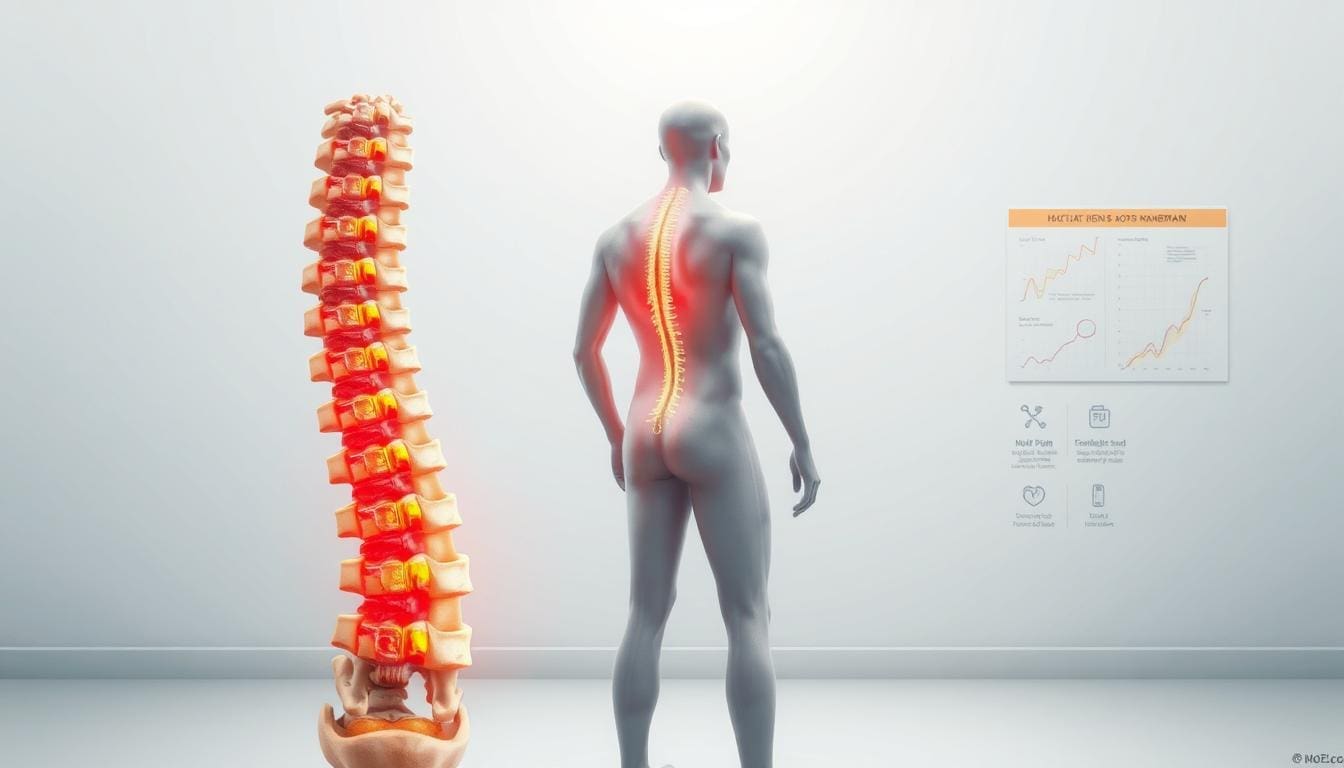
Feeling tingling in back or lower back pain numbness can worry you. It might mean your nerves are involved. At Liv Hospital, we know back pain numbness is more than just a minor issue.
We aim to help you spot the important warning signs. We also want to guide you to relief and recovery. Our mission is to give you the tools to get the right medical care and manage your health.
Key Takeaways
- Identify the warning signs of back pain with numbness
- Understand the possible causes of lower back pain numbness
- Discover practical steps to relief and recovery
- Learn when to seek medical attention for back pain numbness
- Take control of your health with the right knowledge
Understanding the Warning Signs of Back Pain with Numbness
Knowing the warning signs of back pain with numbness is key. It helps people get the right treatment and feel better. Back pain and numbness often mean there’s a problem with the nerves. Spotting these signs early is important for getting help fast.
The Connection Between Back Pain and Nerve Involvement
Back pain with numbness usually means nerves are involved. When nerves get compressed or damaged, they can cause pain, numbness, tingling, or weakness. It’s important to understand this link to find out what’s causing the symptoms.
Nerve problems can happen for many reasons. These include herniated discs, spinal stenosis, or pinched nerves. These issues can press on nerves, causing numbness, pain, or discomfort.
Why Numbness Should Never Be Ignored
Numbness is not just a minor symptom. It can be a sign of a serious problem. Ignoring numbness can lead to permanent nerve damage. This can cause chronic pain, weakness, or even paralysis. If you have persistent or severe numbness, seek medical help, even if it’s just with back pain.
By knowing the warning signs of back pain with numbness, people can act early. This can help prevent long-term damage. It’s important to be aware of the causes of back pain numbness to get the right medical care.
8 Key Symptoms of Back Pain Numbness
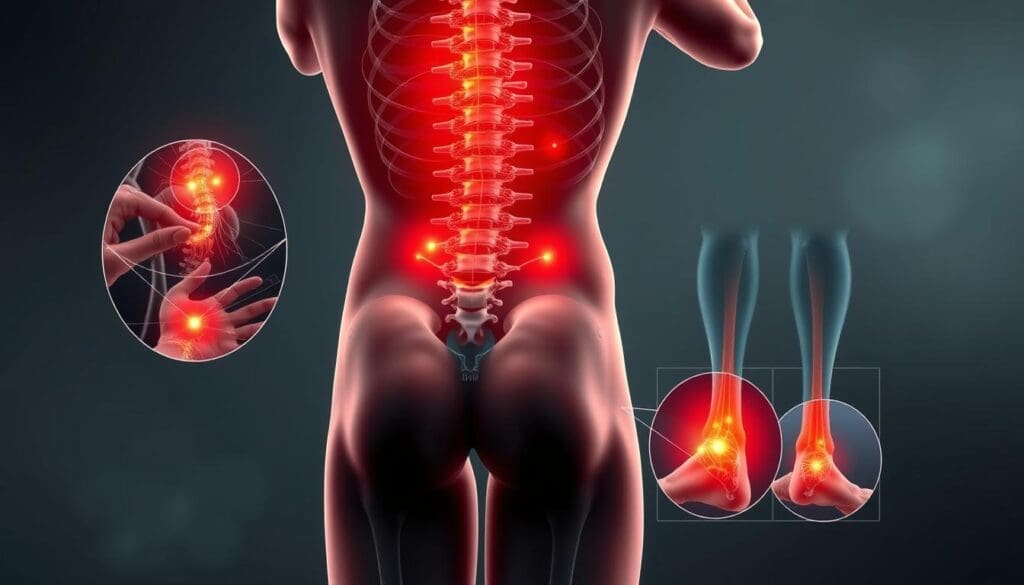
Knowing the signs of back pain with numbness is key to getting help. This kind of pain can mean a serious problem that needs quick attention. Here are the 8 main symptoms to watch for to find relief from back pain numbness.
1. Persistent Lower Back Pain (Lasting Over 2 Weeks)
Back pain that lasts more than two weeks is a big warning sign. It might mean a serious issue like a herniated disc or spinal stenosis. Persistent pain that doesn’t get better with rest or over-the-counter meds needs a doctor’s visit.
2. Pain That Radiates to Arms or Legs
Pain spreading from the back to arms or legs means nerves are involved. This is called radiculopathy, caused by nerve compression or irritation. Radicular pain can feel sharp, shooting, or burning, with numbness or tingling too.
3. Tingling or “Pins and Needles” Sensations
Tingling or “pins and needles” in your arms or legs can mean nerve compression. These feelings happen when a nerve is pinched or irritated, messing with nerve function. These symptoms can come and go or stay constant, getting worse with certain actions or positions.
4. Muscle Weakness in Extremities
Weakness in your arms or legs can signal serious nerve issues. When nerves are compressed, muscles can’t work right, leading to weakness. This is serious if it makes daily tasks or walking hard.
| Symptom | Description | Possible Cause |
|---|---|---|
| Persistent Lower Back Pain | Lasting over 2 weeks | Herniated disc, Spinal Stenosis |
| Radiating Pain | Pain extending to arms or legs | Nerve root compression |
| Tingling Sensations | “Pins and needles” feeling | Nerve compression or irritation |
| Muscle Weakness | Weakness in arms or legs | Significant nerve involvement |
Knowing these 8 symptoms is key to finding the right treatment for back pain numbness. If you’re feeling any of these, see a doctor for a proper diagnosis and treatment plan.
Common Causes Behind Back Pain and Numbness
It’s important to know why back pain and numbness happen. Many conditions can cause these symptoms. They can really affect someone’s life.
Herniated Discs: Pressure on Nerve Roots
A herniated disc happens when the soft center of the disc leaks out. This can press on nerves, causing pain and numbness. The severity of symptoms depends on the location and size of the herniation. Sometimes, herniated discs can be very painful. Other times, they might not cause any noticeable symptoms.
Spinal Stenosis: Narrowing of the Spinal Canal
Spinal stenosis is when the spinal canal gets narrower. This can squeeze the spinal cord and nerves. It leads to pain, numbness, and weakness in the back and limbs. The symptoms often worsen over time if left untreated.
Pinched Nerves: Compression Points
Pinched nerves happen when a nerve gets compressed. This can be due to bones, cartilage, or muscles. It causes pain, numbness, and tingling. Finding and fixing the cause of the compression is important to relieve symptoms.
Other Contributing Conditions
Other conditions like degenerative disc disease, spondylolisthesis, and spinal tumors can also cause back pain and numbness. Each condition affects the spine differently. This can lead to nerve compression and symptoms. A thorough diagnosis is key to finding the cause.
Exercises are important for managing back pain and numbness. Gentle stretches and strengthening exercises can help. They improve flexibility and reduce nerve pressure. Always talk to a healthcare professional before starting any new exercise program. They can make sure it’s right for you.
Upper vs. Lower Back Pain with Numbness
It’s important to know the difference between upper and lower back pain with numbness. This helps doctors find and treat the cause. Back pain with numbness can mean many things, and where the pain is can tell us a lot.
Cervical Spine Issues and Upper Extremity Symptoms
The cervical spine is in the neck. It’s a common spot for back pain with numbness. Problems here can cause symptoms in the arms and hands.
Cervical spine issues might come from herniated discs, spinal stenosis, or pinched nerves. Symptoms include numbness or tingling in the arms or hands, weakness, and pain from the neck to the arms. These can really mess up your daily life.
Lumbar Problems and Lower Body Numbness
The lumbar region, or lower back, is another common spot for back pain with numbness. Problems here usually affect the legs. Issues like herniated discs, degenerative disc disease, or spinal stenosis can cause numbness and pain.
Symptoms of lumbar problems include numbness or tingling in the legs or feet, pain down the legs (sciatica), and muscle weakness in the lower limbs. These can make it hard to move and balance.
Differentiating Between the Two
Telling upper from lower back pain with numbness is key for the right diagnosis and treatment. The location and type of symptoms give important clues about what’s going on.
Upper back pain with numbness usually affects the arms and hands. Lower back pain with numbness affects the legs and feet. Knowing this helps doctors choose the right tests and treatments for each patient.
When to Seek Immediate Medical Attention
Knowing when to get medical help is key to avoiding long-term harm from back pain and numbness. Back pain can be very tough, but some signs need urgent care.
Red Flag Symptoms Requiring Emergency Care
There are certain red flag symptoms that mean you need to see a doctor right away. These include:
- Severe pain that doesn’t get better with rest
- Numbness or tingling in your arms or legs
- Weakness in your arms or legs
- Loss of bladder or bowel control
- Getting worse neurological problems
If you have these symptoms with back pain and numbness, act fast. Going to the emergency room is a good idea to check for serious problems.
Severe Spine Pain Combined with Numbness
Severe spine pain with numbness means nerves are likely involved. This could be due to a herniated disc or spinal stenosis. Don’t ignore these signs, as quick action can stop nerve damage.
Progressive Neurological Symptoms
Getting worse neurological symptoms, like more numbness, tingling, or weakness, are serious. They show the problem is getting worse and could cause permanent damage if not treated quickly.
Here’s a table to help you understand your symptoms better:
| Symptom | Possible Indication | Recommended Action |
|---|---|---|
| Numbness in limbs | Nerve compression or damage | Seek medical evaluation |
| Progressive weakness | Neurological deterioration | Immediate medical attention |
| Loss of bladder control | Cauda equina syndrome | Emergency medical care |
If you’re experiencing severe symptoms, don’t wait. Get relief from back pain numbness by seeing a doctor. Quick treatment can greatly improve your situation and prevent lasting harm.
Communicating Effectively with Your Doctor
Telling your doctor about your symptoms clearly is key to a good treatment plan. When you have back pain and numbness, describing your symptoms well is very important. This helps your doctor figure out what’s wrong.
Describing Your Symptoms Precisely
To help your doctor understand you, describe your symptoms in detail. Talk about where, how bad, and for how long you’ve had the pain and numbness. For example, you might say, “I’ve had sharp pain in my lower back that goes down my left leg. It’s been there for three weeks and makes my toes numb.”
Keeping a symptom journal can also help. It tracks when and how long your symptoms last. It also notes what makes them better or worse. This info is very useful when you see your doctor.
Important Details to Share About Pain Location and Triggers
Your doctor will also want to know what makes your symptoms better or worse. This could be things like lifting, bending, or sitting for a long time. Sharing these details can help find out why you have back pain and numbness.
| Symptom | Details to Share |
|---|---|
| Pain Location | Exact area of pain or numbness |
| Triggers | Activities or positions that worsen or improve symptoms |
| Severity | Scale of 1-10 for pain intensity |
Questions to Ask During Your Appointment
Being prepared with questions is important. Ask about the causes of your back pain and numbness, treatment options, and how to manage symptoms at home.
“The quality of the doctor-patient relationship is key. Patients should feel empowered to ask questions and get clear on their diagnosis and treatment plan.”
Some questions to ask include:
- What are the possible causes of my back pain and numbness?
- What tests will be needed to find the cause?
- What treatment options are there, and which do you suggest?
- Are there any lifestyle changes or exercises that can help my symptoms?
By talking well with your doctor, you can get a correct diagnosis and a good treatment plan for your back pain and numbness.
Diagnostic Approaches for Back Pain Numbness
Understanding how to diagnose back pain numbness is key to finding the right treatment. When someone has back pain and numbness, doctors use a detailed process to find the cause. This includes physical checks, imaging tests, and tests to see how nerves work.
Physical Examination Techniques
The first step in diagnosing back pain numbness is a thorough physical exam. Doctors check muscle strength, reflexes, and how sensitive the affected areas are. They might also do special tests to see if nerves are being squeezed or if there are muscle problems.
Imaging Studies: X-rays, MRI, and CT Scans
Imaging tests are very important in finding what’s causing back pain numbness. X-rays show the bones of the spine. MRI (Magnetic Resonance Imaging) gives detailed pictures of soft tissues like discs, nerves, and the spinal cord. CT (Computed Tomography) scans show more detail of bones than X-rays do.
| Imaging Modality | Primary Use | Key Benefits |
|---|---|---|
| X-ray | Bony structures | Quick, widely available |
| MRI | Soft tissues (discs, nerves, spinal cord) | High detail, sensitive to soft tissue abnormalities |
| CT Scan | Bony structures, some soft tissue detail | Detailed bone imaging, useful for complex cases |
Nerve Conduction Studies and EMGs
Nerve conduction studies (NCS) and electromyography (EMG) help check how nerves and muscles work. NCS use electrodes to see how fast and strong nerve signals are. EMG puts small needles in muscles to record their electrical activity. These tests can find nerve damage or compression and see how much of the nerve is affected.
Conservative Treatment Strategies
Conservative treatments are a first step against back pain numbness. They use non-invasive methods to ease symptoms. These methods help improve mobility and prevent future pain.
Rest and Activity Modification
Starting with back pain numbness is to change daily activities. This means taking breaks, avoiding heavy lifting, and changing how you sleep.
It’s wise to avoid activities that strain your back. Also, using ergonomic practices can help reduce discomfort.
Physical Therapy Interventions
Physical therapy is key in conservative treatment. It strengthens muscles, improves flexibility, and corrects posture. A physical therapist can create a plan just for you.
Some common physical therapy methods include:
- Exercises to strengthen core muscles
- Stretching to boost flexibility
- Manual therapy to improve joint mobility
Over-the-Counter Pain Management Options
OTC medications can help with back pain numbness. They include pain relievers and anti-inflammatory drugs.
| Medication Type | Examples | Primary Use |
|---|---|---|
| Pain Relievers | Acetaminophen | Relieving pain |
| Anti-inflammatory Drugs | Ibuprofen, Naproxen | Reducing inflammation and pain |
Heat and Cold Therapy Applications
Heat or cold on the affected area can ease pain and numbness. Heat, like a warm bath, relaxes muscles and boosts blood flow. Cold, from ice packs, reduces swelling.
It’s important to use these therapies right to get the most benefit and avoid risks.
By using these conservative treatments daily, people can find relief from back pain numbness. They can also take steps to prevent future episodes.
Practical Steps for Back Pain Relief at Home
Back pain with numbness can really hurt. But, there are simple steps you can take at home to feel better. We’ll show you easy ways to ease your symptoms and boost your back health.
Proper Posture Techniques
Good posture is key to easing back pain and numbness. When sitting, make sure your feet are flat or on a footrest. Your knees should be at or below hip level. Keep your back straight, using a chair or a lumbar roll if needed.
Standing right is also important. Stand with your weight evenly on both feet, shoulders back, and avoid slouching. Checking and adjusting your posture often can help a lot.
Ergonomic Adjustments
Work and home spaces should be set up for good posture. Your computer monitor should be at eye level. Your keyboard and mouse should be close and easy to reach.
For better sleep, use a supportive mattress. A pillow between your knees can also help keep your spine aligned. These changes can ease pressure on your spine and numbness.
Gentle Stretches
Simple stretches can ease nerve pain and boost flexibility. Here are a few:
- Knee to Chest Stretch: Lie on your back, bring one knee towards your chest, and hold for 30 seconds. Switch legs.
- Cat-Cow Stretch: On your hands and knees, arch your back (like a cat), then round it (like a cow). Repeat for several minutes.
- Seated Twist: Sit with your feet on the floor, twist your torso to one side, and hold for 30 seconds. Repeat on the other side.
Strengthening Exercises
Strengthening your back muscles can help prevent future back pain. Here are some good exercises:
| Exercise | Description | Repetitions |
|---|---|---|
| Plank | Hold a push-up position with your body in a straight line from head to heels. | 3 sets of 30-second hold |
| Bridges | Lie on your back with knees bent, lift your hips towards the ceiling. | 3 sets of 15 repetitions |
| Pelvic Tilts | Lie on your back with knees bent, tilt your pelvis upwards and then back down. | 3 sets of 10 repetitions |
By adding these steps to your daily life, you can make a big difference in your back pain and numbness. You’ll also improve your overall well-being.
Advanced Treatment Options for Persistent Symptoms
When simple treatments don’t work, more advanced options can help. It’s important to talk to doctors to find the best solution. These treatments aim to fix the root cause of back pain and numbness, improving life quality.
Prescription Medications and Their Effects
For some, prescription drugs are key to managing back pain and numbness. These can include stronger pain relievers, muscle relaxants, and nerve pain meds. It’s vital to follow a doctor’s guidance when using these, as they can have serious side effects.
- Pain relievers: Such as opioids, though used cautiously due to dependency risks.
- Muscle relaxants: Helpful for acute muscle spasms.
- Nerve pain medications: Like gabapentin or pregabalin, which are effective for nerve-related pain.
Each type of medication has its own uses and possible side effects. For example, nerve pain meds can make you dizzy or sleepy, so it’s important to take them carefully.
Interventional Procedures: Injections and Nerve Blocks
Interventional procedures are another treatment option. They include injections and nerve blocks that can greatly reduce pain.
- Corticosteroid injections: Reduce inflammation around the spinal nerves.
- Facet joint injections: Target pain in the facet joints of the spine.
- Nerve blocks: Interrupt pain signals to the brain, providing relief.
These procedures are done under imaging to ensure they’re done right. They can offer a lot of relief, but their effects might not last forever and may need to be done again.
Surgical Approaches: When They’re Necessary
Surgery is considered when other treatments have failed and the cause of back pain and numbness can be fixed surgically. The type of surgery needed depends on the diagnosis.
“Surgery should always be a last resort, undertaken after thorough evaluation and discussion with a specialist.”
| Surgical Option | Condition Treated | Goal |
|---|---|---|
| Discectomy | Herniated disc | Relieve pressure on nerves |
| Laminectomy | Spinal stenosis | Decompress spinal canal |
| Spinal fusion | Instability or deformity | Stabilize the spine |
Knowing about these advanced treatments helps patients make better choices. It’s important to talk about the risks, benefits, and expected results with a healthcare provider.
Conclusion: Taking Control of Your Back Health
Understanding the symptoms of back pain with numbness is key. Taking action to manage your back health is essential. By recognizing warning signs and getting medical help when needed, you can avoid back pain numbness from ruining your life.
Start by taking preventive steps. Keep good posture, do gentle stretches, and do exercises to strengthen your spine. Working with healthcare experts can help ease back pain and improve your overall health.
Being proactive about your back health can lower the chance of future back pain numbness. We aim to give you the knowledge and tools to manage your health. We’re dedicated to providing top-notch healthcare and full support.
FAQ
What are the common causes of back pain with numbness?
Back pain with numbness can come from many sources. This includes herniated discs, spinal stenosis, and pinched nerves. These conditions put pressure on nerves.
How can I differentiate between upper and lower back pain with numbness?
Upper back pain with numbness often points to cervical spine issues. It can spread to the arms. Lower back pain with numbness usually stems from lumbar problems. It might affect the legs.
What are the red flag symptoms that require immediate medical attention for back pain numbness?
Severe spine pain with numbness is a red flag. So is progressive neurological symptoms. Also, sudden numbness or weakness in the extremities needs immediate care.
How can I effectively communicate my symptoms to my doctor?
To share your symptoms well, describe them clearly. Talk about where the pain is and what triggers it. Don’t forget to ask questions during your visit.
What diagnostic approaches are used to evaluate back pain numbness?
Doctors use physical exams, X-rays, MRI, and CT scans to diagnose. They also do nerve conduction studies and EMGs.
What are some conservative treatment strategies for back pain numbness?
Treatments include resting and modifying activities. Physical therapy and over-the-counter pain relief are also options. Heat and cold therapy can help too.
What practical steps can I take at home to alleviate back pain numbness?
To ease back pain numbness, maintain good posture. Make ergonomic changes at work and in your sleep. Do gentle stretches and strengthen your spine.
When are advanced treatment options considered for persistent back pain numbness?
If simple treatments don’t work, doctors might suggest stronger options. This includes prescription meds, interventional procedures, and surgery for severe cases.
Can exercises help alleviate back pain numbness?
Yes, exercises like gentle stretches and strengthening can help. They relieve nerve pressure and support your spine.
How can I prevent back pain numbness from recurring?
To avoid back pain numbness, live a healthy lifestyle. Exercise regularly, maintain good posture, and make ergonomic changes. Also, manage any conditions that might lead to back pain.
References
Medical News Today: Pinched Nerve in the Back: Symptoms, Causes, and Treatments