Last Updated on November 26, 2025 by Bilal Hasdemir

If you have blocked arteries or heart symptoms, knowing about a simple procedure like a balloon in artery treatment is key. At Liv Hospital, we offer top treatments for blood vessel problems. We’re here to help you understand it all.
Balloon angioplasty, or balloon catheterization, is a way to open blocked arteries. A small balloon is put in the artery through a catheter. Then, it’s inflated to widen the artery and improve blood flow. “Angioplasty makes more room inside an artery that’s blocked by plaque.”
Our team does this treatment well, making it a good choice for those with narrowed arteries. Learning about balloon angioplasty is the first step to better blood flow in your body.
Key Takeaways
- Balloon angioplasty is a minimally invasive procedure to open narrowed arteries.
- The procedure involves inserting a small balloon into the affected artery via a catheter.
- Inflating the balloon improves blood flow by creating more space in the artery.
- Liv Hospital’s experts perform balloon angioplasty with a high success rate.
- This treatment is a reliable option for patients with vascular conditions.
Understanding Balloon Angioplasty: A Minimally Invasive Procedure
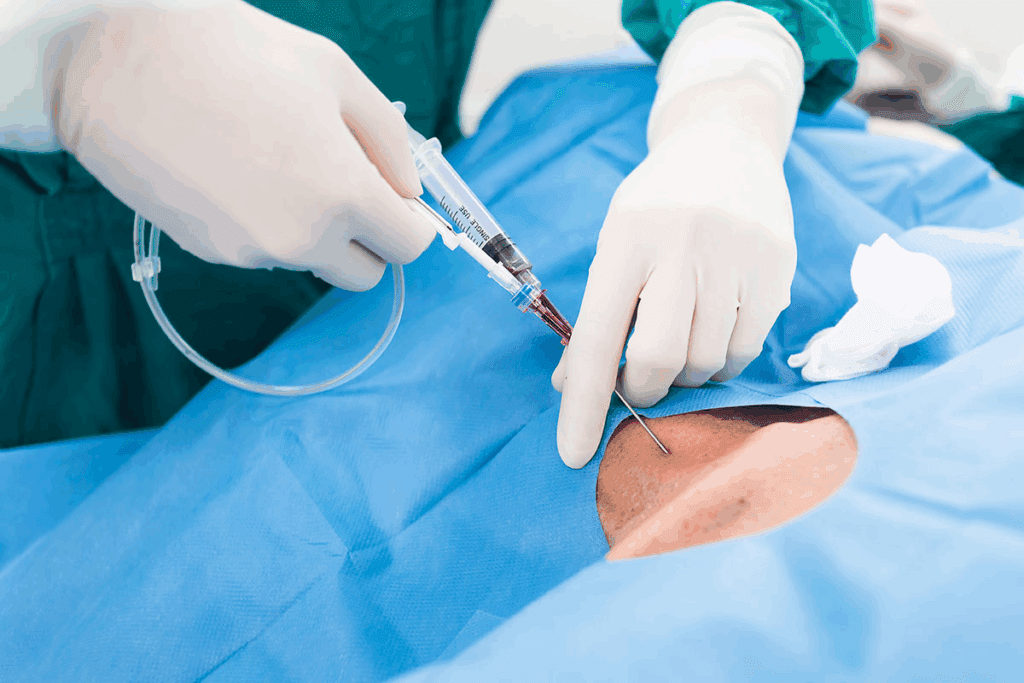
Balloon angioplasty is changing how we treat heart diseases. It’s a less invasive way to manage coronary artery disease and other vascular issues.
Definition and Purpose of Balloon Angioplasty
Balloon angioplasty, or PTA, is a procedure to open narrowed arteries or veins. It aims to improve blood flow and ease symptoms like chest pain. This reduces the risk of heart attacks.
The method uses a balloon catheter, a thin, flexible tube with a balloon. The balloon is inflated at the blockage site. This pushes aside the plaque, widening the artery.
Historical Development of the Procedure
A German cardiologist first used balloon angioplasty in 1977. He did it on an awake patient in Zurich. This breakthrough started the modern angioplasty era.
Over time, the procedure has seen many improvements. New technologies and materials have made it safer and more effective.
The Impact on Modern Cardiovascular Treatment
Balloon angioplasty has greatly influenced heart disease treatment. It’s a less invasive option than CABG, cutting down recovery times and improving results.
Advances in technology have also led to drug-eluting balloons and other specialized catheters. These improvements have made the procedure even more effective.
As cardiology advances, balloon angioplasty remains a key treatment. It offers patients a safe and effective way to fight cardiovascular disease.
The Medical Conditions Treated with Balloon Angioplasty
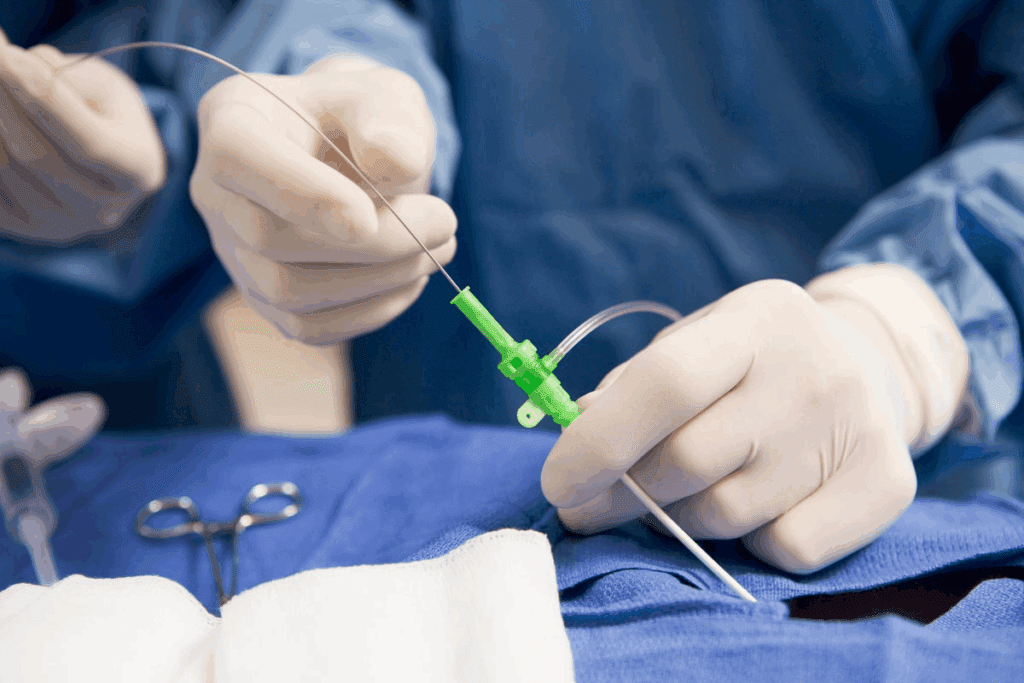
Balloon angioplasty is a key medical procedure. It helps widen narrowed or blocked arteries. This improves blood flow and reduces symptoms of vascular diseases.
Coronary Artery Disease
Balloon angioplasty is mainly used for coronary artery disease. This happens when arteries to the heart get narrowed or blocked. It’s used for unstable angina, NSTEMI, STEMI, and spontaneous coronary artery perforation.
By inflating a balloon in the artery, we restore blood flow. This relieves chest pain and lowers heart attack risk.
Peripheral Artery Disease
Balloon angioplasty also treats peripheral artery disease. This condition narrows or blocks arteries in the legs. Symptoms include leg pain when walking, coldness, or weakness.
By improving blood flow, we relieve symptoms. This enhances the quality of life for those with peripheral artery disease.
Other Vascular Conditions
Balloon angioplasty is used for other vascular conditions, too. This includes renal artery stenosis and carotid artery disease. These affect the arteries to the kidneys and brain.
The procedure ensures blood flow to vital organs. This prevents kidney failure or stroke.
In conclusion, balloon angioplasty is vital for treating many vascular conditions. It shows the importance of this procedure in modern medicine.
How a Balloon in an Artery Works: The Mechanism Explained
Balloon angioplasty uses physics and biology to fix blood flow. It’s a way to open up blocked or narrowed arteries with a mechanical tool.
First, a balloon catheter is put into the artery. It’s then guided to the narrow spot. When inflated, it opens the artery.
The Physics Behind Balloon Dilation
The balloon works by expanding mechanically. When inflated, it presses on the plaque and artery walls. This makes them stretch and expand.
The pressure is controlled to open the artery safely. The balloon catheter angioplasty needs this precise control to work properly.
Effects on Arterial Plaque and Vessel Walls
Balloon angioplasty affects plaque and vessel walls in many ways. It pushes the plaque aside, letting blood flow again. The walls also get stressed, which can hurt them.
But the body heals from this injury. Over time, the artery can change , and the risk of it getting narrow again is lowered. This is helped by stents.
What Is the Ballooning of a Blood Vessel Called?
The ballooning of a blood vessel is known as angioplasty. When a balloon is used, it’s called balloon angioplasty. This includes everything from putting in the balloon to making blood flow better again.
| Aspect | Description | Effect |
| Physics Involved | Mechanical expansion of the artery | Restoration of blood flow |
| Plaque Redistribution | Compression and redistribution of plaque | Improved arterial diameter |
| Vessel Wall Stress | Stress on the vessel walls during inflation | Potential for injury, managed through healing |
In conclusion, balloon angioplasty is a detailed process. It involves inflating a balloon to open narrowed arteries. By understanding the physics and effects on the artery, we see how it saves lives.
The Ballooning Method: Core Principles and Techniques
The ballooning method is key in balloon angioplasty. It needs accuracy and control. This method is vital for opening the artery well without harming the walls.
Science Behind the Ballooning Method
The method uses a balloon in the artery to push plaque away and stretch the wall. A mix of water and dye is used for X-ray visibility. This mix helps the team watch the inflation and place the balloon correctly.
The science is based on fluid dynamics and the balloon and wall materials. Pressure is controlled to avoid damage from too much or too little expansion.
Pressure Control and Monitoring
Keeping the pressure right is key. The balloon gets inflated to 6 to 20 atmospheres, mostly under 10 for heart procedures. This high pressure is needed to push plaque away and improve blood flow.
- Pressure is watched closely for safe inflation.
- Manometers help control the pressure precisely.
- Live images check the balloon’s position and the artery’s response.
A top cardiologist says, “Success in angioplasty depends on controlling and monitoring pressure.” This shows how important precision is in the ballooning method.
Balloon Sizing and Selection
Picking the right balloon size is critical. The size depends on the artery’s diameter and the lesion’s length. The right size ensures the balloon works well without stressing the artery too much.
| Artery Diameter | Balloon Size | Inflation Pressure |
| 2.5 mm | 2.5 mm x 15 mm | 8 atmospheres |
| 3.0 mm | 3.0 mm x 20 mm | 10 atmospheres |
In conclusion, the ballooning method is complex and needs a deep understanding. With precise pressure control, the right balloon size, and constant monitoring, doctors can have good results in balloon angioplasty.
The Step-by-Step Balloon Angioplasty Procedure
Balloon angioplasty happens in a hospital, usually in a cardiac catheterization lab. This place is all about precision and care. Most angioplasties take place here, with advanced imaging to guide the process.
Pre-Procedure Preparation
Before starting, patients get ready thoroughly. This includes:
- Administering local anesthesia to minimize discomfort
- Inserting a sheath into the artery to provide access for the catheter
- Using imaging techniques to identify the exact location of the blockage
These steps make sure the procedure starts well. This increases the chances of success.
Catheter Insertion and Navigation
The next step is inserting and navigating the catheter. This is done under fluoroscopic guidance. The cardiologist can:
- Thread the catheter through the arterial system
- Reach the site of the blockage or narrowing
- Position the balloon correctly across the lesion
Balloon Inflation Technique
With the catheter in place, the balloon inflation technique is used. This involves:
- Inflating the balloon to a specific pressure to compress the plaque
- Restoring blood flow through the artery
- Monitoring the inflation process to avoid over-expansion
The aim is to widen the artery enough without harming the vessel wall.
Post-Inflation Assessment
After inflating the balloon, a detailed check is done. This includes:
- Checking for any residual stenosis or complications
- Assessing blood flow through the treated segment
- Deciding whether additional interventions, such as stent placement, are necessary
This final step is key. It makes sure the artery works right and the procedure was successful.
Balloon Catheterization: Tools and Technology
Balloon catheterization uses special tools and the latest technology. We use these to give our patients the best care during angioplasty.
Types of Angioplasty Balloon Catheters
There are many types of angioplasty balloon catheters. Each is made for different needs. The over-the-wire balloon catheter is most commonly used today.
Key Types of Balloon Catheters:
- Over-the-wire balloon catheters
- Rapid exchange catheters
- Fixed-wire balloon catheters
| Catheter Type | Description | Primary Use |
| Over-the-wire | Guided by a wire throughout the procedure | Complex lesions, tortuous vessels |
| Rapid exchange | Short wire segment, easier to handle | Straightforward cases, simple lesions |
| Fixed-wire | Wire integrated into the balloon catheter | Specific cases requiring precise control |
Balloon Angiogram Techniques
Balloon angiogram techniques help us see the coronary arteries. They also check if the angioplasty worked. We use top-notch imaging to guide our work.
Technological Advancements in Balloon Design
New technology has made balloon designs better. Now we have drug-coated balloons and cutting balloons. These new tools help treat more conditions and improve patients’ outcomes.
Recent Advancements:
- Drug-coated balloons for reducing restenosis
- Cutting balloons for treating complex lesions
- Scoring balloons for precise vessel preparation
Stent Placement Following Balloon Angioplasty
Stent placement after balloon angioplasty is now common. Balloon angioplasty opens narrowed arteries. But stents are often needed to keep the artery open long-term.
Why Stents Are Often Necessary
Stents are small, mesh-like tubes that keep arteries open after angioplasty. The main reason for stents is to stop the artery from narrowing again, called restenosis. Restenosis happens when the body tries to heal by forming scar tissue, which can narrow the artery.
“A stent may be inserted at the time of ballooning to ensure the vessel remains open, and the balloon is then deflated and withdrawn,” as this quote highlights the importance of stenting in maintaining arterial patency.
Types of Stents Used
There are many stent types, each with its own benefits. The main types are bare metal stents (BMS) and drug-eluting stents (DES).
- Bare Metal Stents (BMS): These are made from metal mesh and provide structural support to the artery.
- Drug-Eluting Stents (DES): These stents are coated with medication that is released slowly to prevent cell proliferation, reducing restenosis risk.
Bare Metal vs. Drug-Eluting Stents
The choice between bare metal and drug-eluting stents depends on several factors. These include the patient’s medical history, the artery type, and restenosis risk.
| Characteristics | Bare Metal Stents | Drug-Eluting Stents |
| Restenosis Risk | Higher | Lower |
| Medication | No | Yes |
Drug-eluting stents significantly lower restenosis risk compared to bare metal stents. But, they may need longer antiplatelet therapy to prevent clotting.
In conclusion, stent placement is key in balloon angioplasty for long-term artery patency. The right stent choice depends on many factors. Our medical team works with patients to find the best treatment plan.
Potential Complications and Their Management
Like any invasive medical procedure, balloon angioplasty has its risks. It’s considered safe, but knowing the possible dangers helps prevent them.
Common Minor Complications
Minor issues after balloon angioplasty include bruising, bleeding, and discomfort. Some people might also react to the dye used. These problems are usually easy to handle with the right care after the procedure.
To avoid these minor issues, patients should follow their doctor’s advice. This includes not lifting heavy things or doing too much for a while.
When an Angioplasty Balloon Sticks
Sometimes, the balloon can get stuck or be hard to pull out. This needs quick action. Doctors might use special tools or perform surgery if needed.
This problem is more likely with complex blockages or if the balloon doesn’t fit right. Newer technology and techniques have made this less common.
Serious Complications and Emergency Protocols
Though rare, serious problems like severe bleeding or heart attacks can happen. There are emergency plans in place. These include having a surgical team ready to act fast.
If a serious issue arises, acting quickly is key. This might mean giving emergency drugs, doing more tests, or even emergency surgery.
Healthcare providers need to know about these risks and how to handle them. This ensures the best results for patients having balloon angioplasty.
Success Rates and Patient Selection
Studies show that balloon angioplasty works well for many patients, with success rates over 90%. It’s a key treatment for heart disease and other vascular issues. It’s a less invasive option that works well.
Statistical Success Rates Exceeding 90%
The success of balloon angioplasty is clear. Percutaneous coronary intervention (PCI) for stable coronary disease greatly reduces symptoms like angina. This improves how well patients can function and their quality of life. Success rates range from 90% to 95% in certain groups of patients.
- High success rates in restoring blood flow
- Significant reduction in angina symptoms
- Improved quality of life for patients
Advances in technology, like better balloon designs and drug-eluting stents, have helped. These improvements have led to better results and fewer complications.
Ideal Candidates for Balloon Treatment
Finding the right patients for balloon angioplasty is key. Those with symptoms from heart disease and big blockages in the main arteries are often good candidates. Also, patients who can’t have surgery or haven’t gotten better with medicine might benefit.
“The decision to proceed with balloon angioplasty should be based on a thorough evaluation of the patient’s clinical profile, including the severity of symptoms, extent of coronary disease, and overall health status.”
American Heart Association
Factors Affecting Procedure Success
Many things can affect how well balloon angioplasty works. These include the patient’s health, how bad the blockages are, and if they have other health issues like diabetes or kidney disease. Choosing the right patients and planning carefully are key to good results.
| Factor | Impact on Success |
| Patient Health | Overall health status affects recovery and outcome |
| Blockage Severity | More severe blockages may reduce success rates |
| Comorbid Conditions | The presence of diabetes or kidney disease can complicate outcomes |
By knowing these factors and choosing patients wisely, doctors can get the best results from balloon angioplasty. This leads to high success rates and better health for patients.
Balloon Angioplasty vs. Coronary Bypass Surgery
Balloon angioplasty has changed how we treat heart disease. It’s a less invasive option compared to coronary bypass surgery. Each method has its own benefits and things to consider.
The Decline in Bypass Surgery Rates
The rise of balloon angioplasty has led to fewer bypass surgeries. Studies show that more people are choosing angioplasty over surgery. This is because angioplasty is less invasive, leading to quicker recovery and fewer complications.
Research backs up the idea that angioplasty is preferred for some patients. This is true for those with severe lower limb ischemia. It shows a move towards less invasive treatments whenever possible.
Comparing Recovery Times and Outcomes
Balloon angioplasty and coronary bypass surgery differ in recovery times and outcomes. Angioplasty allows for quicker return to normal activities, often in just a few days. Bypass surgery, on the other hand, takes longer, sometimes weeks or months.
Results also differ. Bypass surgery might offer better long-term results for some. But angioplasty is a good alternative with similar effectiveness for many. The choice depends on the patient’s specific situation and health.
When Bypass May Be Preferred
Even with angioplasty’s progress, bypass surgery is sometimes the better choice. It’s preferred for complex heart anatomy or when angioplasty doesn’t work. People with diabetes or severe heart disease might also benefit more from bypass surgery.
Choosing between angioplasty and bypass surgery is a personal decision. It depends on the patient’s health, the heart disease’s specifics, and personal preferences.
Conclusion: The Future of Balloon Angioplasty
Medical technology is always getting better, and balloon angioplasty is no exception. The use of drug-eluting stents has already made a big difference. These stents help prevent the artery from narrowing again, improving the treatment.
We’re looking forward to even more improvements in balloon angioplasty. Better balloon designs and materials will likely be key. Also, new imaging technologies will help doctors do their jobs better, leading to better results for patients.
The future of balloon angioplasty is bright. With ongoing research, we’ll see even more progress. This means patients with heart disease will have even better treatment options.
FAQ
What is balloon angioplasty?
Balloon angioplasty is a procedure to open narrowed arteries. It uses a balloon catheter to widen the artery. This improves blood flow.
What is the ballooning of a blood vessel called?
The ballooning of a blood vessel is called angioplasty. When a balloon is used, it’s called balloon angioplasty.
How does a balloon in an artery work?
A balloon in the artery inflates to push plaque against the walls. This widens the artery and improves blood flow. After the balloon is deflated and removed, often with a stent left behind.
What are the benefits of balloon angioplasty?
Balloon angioplasty is minimally invasive and has a high success rate. It relieves symptoms like chest pain. Recovery times are also quicker than surgery.
What conditions can be treated with balloon angioplasty?
It treats conditions like coronary artery disease and peripheral artery disease. It’s for when arteries are narrowed or blocked.
What is the success rate of balloon angioplasty?
The success rate is over 90% in many cases. Success depends on the blockage’s location and severity, and the patient’s health.
What are the possible complications of balloon angioplasty?
Minor complications include bruising or bleeding. Serious ones include artery rupture or the need for emergency surgery. Rarely, the balloon can stick in the artery.
How is balloon angioplasty different from coronary bypass surgery?
Angioplasty is a minimally invasive procedure. Bypass surgery is a more invasive surgery using grafts. Both treat coronary artery disease, but differently.
What is the role of stents in balloon angioplasty?
Stents keep the artery open after angioplasty. They can be bare metal or drug-eluting, reducing the risk of re-narrowing.
What is balloon catheterization?
It’s the use of a catheter with a balloon tip for angioplasty. The catheter is guided to the narrowed artery, where the balloon inflates to widen it.
What is the future of balloon angioplasty?
The future will see advancements in technology. Improvements in balloon design, stent technology, and imaging will make the procedure safer and more effective.
References
Lawton, J. S., Tamis-Holland, J. E., Bangalore, S., Bates, E. R., Beckie, T. M., Bischoff, J. M., Bittl, J. A., Cohen, M. G., DiMaio, J. M., Don, C. W., Fremes, S. E., Gaudino, M. F., Goldberger, Z. D., Grant, M. C., Jaswal, J. B., Kurlansky, P. A., Mehran, R., Metkus, T. S., Nnacheta, L. C., … Zwischenberger, B. A. (2022). 2021 ACC/AHA/SCAI Guideline for Coronary Artery Revascularization: Executive Summary: A Report of the American College of Cardiology/American Heart Association Joint Committee on Clinical Practice Guidelines. Circulation, 145(3), e4–e17. https://www.ncbi.nlm.nih.gov/pmc/articles/PMC9880562/