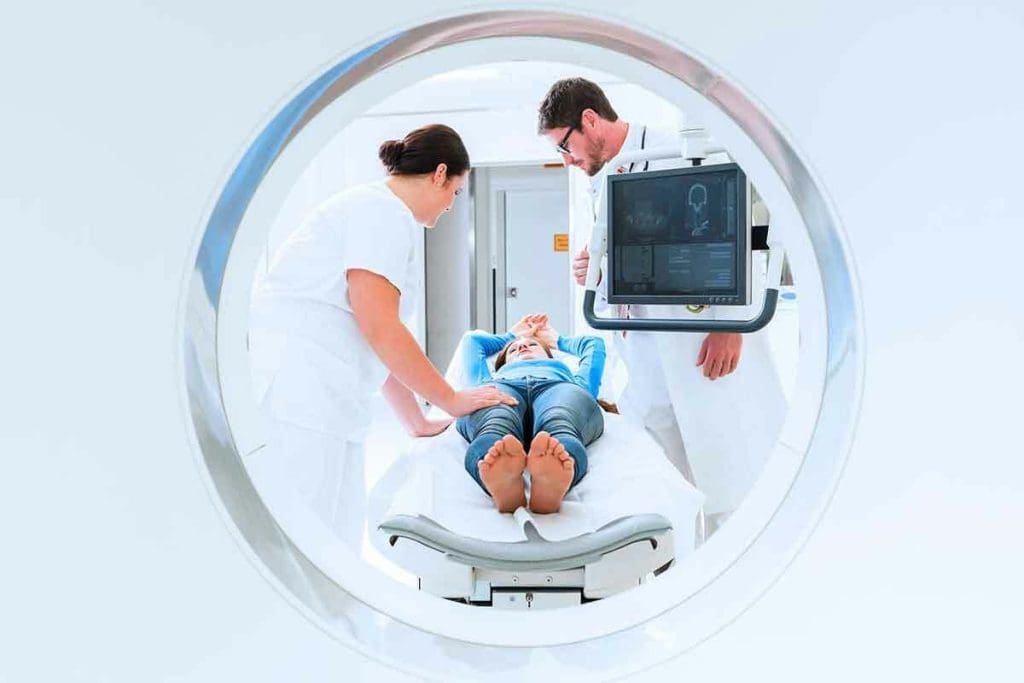
At Liv Hospital, we know that getting a CT scan with barium sulfate contrast can worry you. It’s natural to think about the possible side effects.
Barium sulfate, used as a barium contrast CT agent, makes the gastrointestinal tract show up better on CT scans. It’s usually safe but can lead to side effects such as stomach cramps, diarrhea, nausea, vomiting, and constipation.
We are dedicated to giving you the best care and advice. We want to make sure you’re safe and comfortable during your tests.
Key Takeawaysf
- Barium sulfate is used as a contrast agent in CT scans to visualize the gastrointestinal tract.
- Common side effects include stomach cramps, diarrhea, nausea, vomiting, and constipation.
- Severe symptoms such as hives, itching, and difficulty breathing require immediate medical attention.
- Certain conditions, like cystic fibrosis and intestinal blockage, may increase the risk of adverse reactions.
- At Liv Hospital, we prioritize patient-centered care and safety during diagnostic procedures.
Understanding Barium Sulfate as a Contrast Agent
In medical imaging, barium sulfate is key as a contrast agent for CT scans. It helps spot various gastrointestinal problems. We use it to make images clearer, which is vital for correct diagnoses.
What is Barium Sulfate for CT Scans?
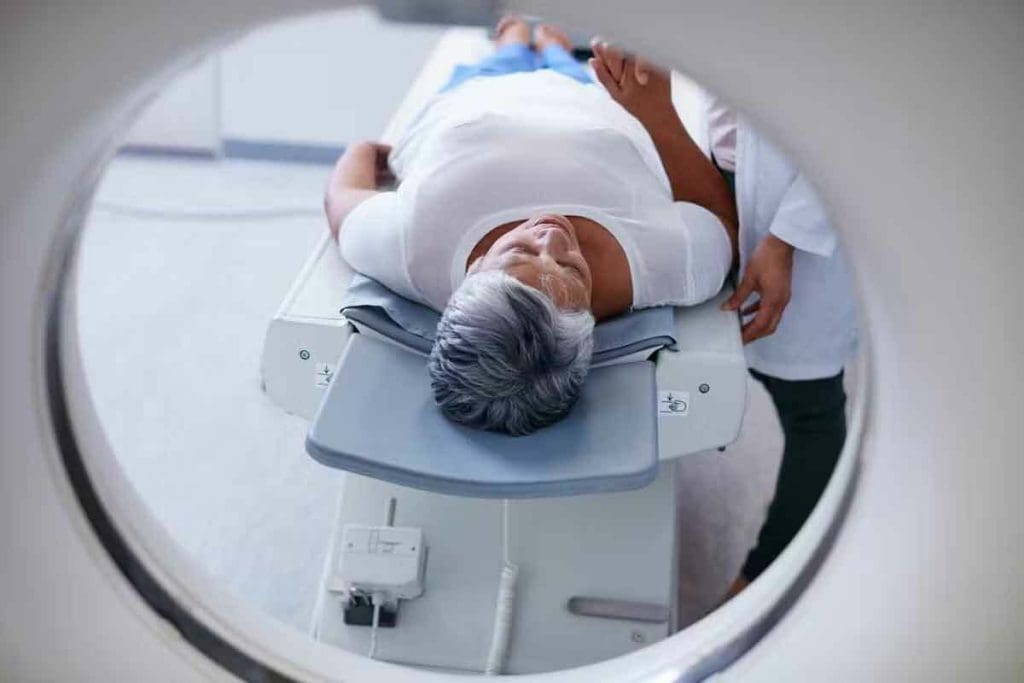
Barium sulfate is a contrast agent for the esophagus, stomach, and bowels. It blocks X-rays, making areas with it stand out. This is great for seeing the GI tract on a CT scan.
Doctors say barium sulfate is good because it coats the GI tract. This gives clear images for diagnosis.
| Property | Description |
| Chemical Composition | Barium sulfate (BaSO4) |
| Function | Blocks X-rays, making the GI tract visible |
| Administration | Orally or rectally, depending on the procedure |
How Barium Enhances Medical Imaging
Barium sulfate coats the GI tract, making it visible on a CT scan. This helps find issues like ulcers or tumors.
Experts say barium sulfate makes CT scans clearer. This is Ketoor making accurate diagnoses.
“The contrast provided by barium sulfate allows for the detailed examination of the gastrointestinal tract, aiding in the diagnosis of various conditions.”
Knowing how barium sulfate works helps us see its value in medical imaging. It’s essential for improving CT scan diagnostics.
The Purpose of Barium Contrast CT Scans
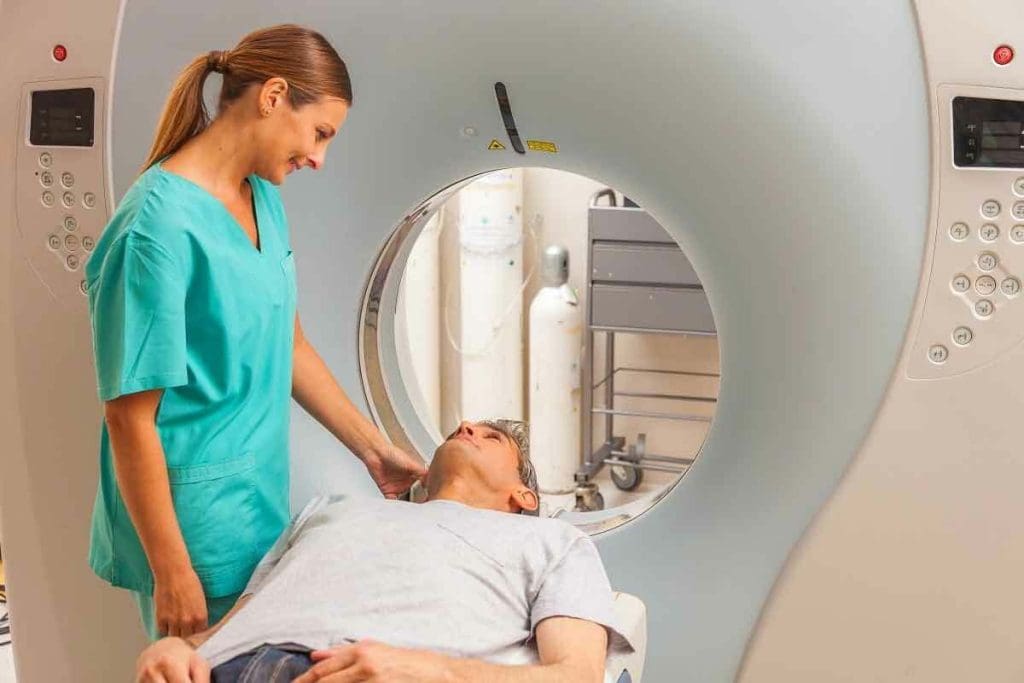
Barium CT contrast is key for doctors to see the gastrointestinal tract. We use barium sulfate in CT scans to improve medical imaging. This agent helps show the inside of the digestive system clearly, leading to better diagnoses.
Diagnostic Applications of Barium CT
Barium contrast CT scans help find problems like inflammation, obstruction, and tumors in the gut. These scans give doctors detailed images. They can see how serious these issues are and plan the best treatment.
Visualization Benefits in Gastrointestinal Imaging
Using barium sulfate in CT scans makes the digestive system easier to see. It coats the inside of the digestive system, creating a clear contrast. This makes it simpler to find and diagnose problems.
This improved visualization is vital for deciding if surgery or other treatments are needed. It also helps track how diseases progress and if treatments are working.
Types of Barium Contrast CT Procedures
There are many types of barium contrast CT procedures. Each one is used for a specific purpose. They help doctors see different parts of the digestive system. This helps in diagnosing and treating various health issues.
Upper GI Series with Barium
An upper GI series uses barium sulfate to see the upper digestive tract. This includes the esophagus, stomach, and small intestine. Patients drink a barium sulfate solution, which coats the digestive tract lining.
CT scans are then taken to get detailed images. This method is great for finding ulcers, tumors, and other problems in the upper GI tract.
Doctors say, “The use of barium in upper GI series provides a clear visualization of the mucosal surface, aiding in the detection of subtle lesions.”
Lower GI and Barium Enema Procedures
Lower GI series, including barium enema procedures, focus on the large intestine. In a barium enema, barium sulfate is put into the colon through the rectum. This provides contrast for clear CT images of the colon.
This procedure is key for spotting colon cancer, diverticulitis, and inflammatory bowel disease. The barium enema is great for seeing the colon’s outline and finding issues like strictures or polyps.
“Barium enema remains a valuable diagnostic tool, providing detailed images of the colon that guide further treatment decisions,” say radiology experts.
Preparation for a Barium Contrast CT Scan
Getting ready for a barium contrast CT scan involves several important steps. These steps are key to getting accurate results. We know it might seem overwhelming, but with the right guidance, you’ll feel more at ease.
Dietary Restrictions Before the Procedure
Before your barium contrast CT scan, you’ll need to follow certain diet rules. Fasting is often required for a while before the scan. This helps the barium sulfate coat your digestive tract well. The fasting time can vary based on the scan type and your doctor’s advice.
It’s very important to stick to these diet rules. This helps avoid any issues or the need to reschedule your scan.
For more detailed info on CT scan prep, check out the URMC Encyclopedia. It offers a lot of helpful tips on getting ready.
Administration Methods for Barium Sulfate
Barium sulfate can be given in different ways, depending on the CT scan type. For an upper GI series, you’ll drink a barium sulfate mix. This coats the upper digestive system, giving clear images of the esophagus, stomach, and small intestine.
For a lower GI series or barium enema, the barium sulfate goes in through the rectum. This method helps see the large intestine and rectum. The way it’s given is important for getting the right results, and your healthcare team will guide you.
By knowing and following these prep steps, you can help make sure your barium contrast CT scan goes smoothly and safely.
The Barium CT Scan Procedure: What to Expect
Understanding the barium CT scan process is key to a smooth experience. We’ll walk you through preparation and post-procedure care. This way, you’ll know exactly what to expect.
During the CT scan with Barium
You’ll lie on a table that slides into a CT scanner for the scan. First, you’ll get barium sulfate, a contrast agent. It makes the digestive system show up well in images.
After getting the barium, you’ll be positioned on the table. The scan will then take X-ray images from different angles. These images help create detailed pictures of your gastrointestinal tract.
Duration and Post-Procedure Care
A barium CT scan usually takes 30 minutes to an hour. After it’s done, you’ll wait a bit while the images are checked.
After the scan, you can go back to your normal activities right away. You might need to drink lots of water to get rid of the barium. Also, eating a light meal or snack is often suggested to help the barium move through your system.
| Procedure Step | Description | Duration |
| Preparation | Administration of barium sulfate | 10-15 minutes |
| Scanning | CT scan with barium | 15-30 minutes |
| Post-Procedure | Review of images and recovery | 15-30 minutes |
Knowing about the CT scan barium process can make it less scary. By understanding what happens, you can prepare better for the scan and what comes after.
Common Side Effects of Barium Contrast CT
When you get a barium contrast CT scan, you might feel some side effects. These are usually mild but can be uncomfortable. It’s good to know that these side effects are temporary and go away by themselves.
Temporary Digestive Discomfort
Many people feel temporary digestive discomfort after a barium contrast CT scan. This can be bloating, cramping, or feeling full. Barium sulfate can irritate your digestive tract, causing these symptoms. Doctors say these effects don’t last long and go away once the barium is out of your body.
“These side effects are usually short-lived,” a radiologist notes. “But it’s important to follow the instructions after the scan to feel better.”
Changes in Bowel Movements and Stool Color
Another common side effect is changes in bowel movements and stool color. Barium sulfate can make stools white or light-colored, which is usually temporary. Some people might also get constipation or, less often, diarrhea after the scan. Remember, these changes are usually not a worry and go away once the barium is out of your system.
As we’ve talked about, the side effects of barium contrast CT scans are usually okay and don’t last long. But it’s always smart to talk to a healthcare provider if you’re worried. They can give you advice and support to make sure you’re comfortable and safe during and after the scan.
In short, while barium contrast CT scans are important for diagnosis, they can have some side effects. Knowing about these can help you prepare for the scan and the time it takes to recover.
Does Barium Sulfate Cause Diarrhea?
Many patients experience stomach issues like diarrhea after getting a CT scan with barium sulfate. We will look into how often this happens and why it might occur.
Incidence Rates of Diarrhea After Barium Studies
The rate of diarrhea after using barium sulfate can vary a lot. Some studies say it affects 10% to 40% of people.
| Study | Incidence of Diarrhea | Number of Patients |
| Study A | 15% | 100 |
| Study B | 30% | 200 |
| Study C | 25% | 150 |
This shows we need to care for each patient differently after a barium sulfate CT scan.
Mechanisms Behind Barium-Induced Diarrhea
Why barium sulfate might cause diarrhea is not clear. But, it’s thought to be due to its osmotic effect, changes in gut movement, and how sensitive a person is to it.
Knowing these reasons can help us deal with the stomach problems caused by barium sulfate CT scans.
Other Gastrointestinal Side Effects of Barium for CT Scan
When you get a barium contrast CT scan, you might feel some stomach issues. Barium sulfate is safe and helps see your gut better on scans. But it can have some downsides.
Constipation Following Barium Administration
Constipation is a side effect of barium sulfate. It can make your intestines hard and block them. Drinking lots of water after the scan helps get rid of the barium and lowers this risk.
- Drink more water after the scan.
- Eating foods high in fiber can help with bowel movements.
- Doctors might give laxatives to help clear the barium.
Nausea, Vomiting, and Abdominal Pain
Nausea and vomiting can happen after a barium CT scan. These are because of the barium sulfate in your gut. Some people might also feel stomach pain or cramps. These symptoms usually go away by themselves, but sometimes they don’t, a nd you need to see a doctor.
How you react to barium sulfate can depend on your health and any stomach problems you have. It’s important to follow the instructions before the scan and tell your doctor about any past problems with barium.
Watch out for these symptoms:
- Severe stomach pain
- Not being able to stop vomiting
- Signs of dehydration
Knowing about these side effects helps you prepare for your barium CT scan. It also tells you what to expect when you’re recovering.
Rare but Serious Barium Sulfate CT Scan Side Effects
Barium sulfate is usually safe for CT scans. But there are rare but serious side effects to know about. We’ll cover these to make sure patients are well-informed.
Allergic Reactions and Their Symptoms
Some people might have an allergic reaction to barium sulfate. Symptoms can be mild or severe. They include hives, itching, swelling, and trouble breathing.
In bad cases, it can cause anaphylaxis. This is a serious condition that needs quick medical help.
It’s key to know the signs of an allergic reaction. If you have these symptoms after a CT scan, get medical help right away.
Barium Aspiration and Intestinal Blockage Risks
Barium aspiration happens when barium sulfate goes into the lungs instead of the stomach. This can cause serious lung problems, like pneumonia. Intestinal blockage occurs when barium sulfate builds up in the intestines, causing a blockage. Both are rare but serious.
| Condition | Symptoms | Potential Complications |
| Barium Aspiration | Coughing, difficulty breathing, chest pain | Pneumonia, respiratory failure |
| Intestinal Blockage | Severe abdominal pain, constipation, vomiting | Bowel perforation, infection |
Following pre-procedure instructions carefully can lower the risk of these problems. If you have symptoms after your procedure, call your healthcare provider.
Risk Factors for Adverse Reactions to Barium Contrast
It’s important to know the risk factors for bad reactions to barium contrast during CT scans. This knowledge helps us keep patients safe when using barium sulfate.
Pre-existing Medical Conditions
Some medical conditions can make bad reactions to barium contrast more likely. For example, issues like inflammatory bowel disease or bowel obstruction can change how barium sulfate works in the body.
Also, people with allergies or sensitivities might have a higher risk. We need to look at each patient’s medical history to spot these risks.
| Pre-existing Condition | Potential Risk |
| Gastrointestinal disorders | Increased risk of bowel obstruction or impaction |
| Allergies or sensitivities | Higher risk of allergic reactions to barium contrast |
| Kidney disease | Potential for contrast-induced nephropathy |
Medication Interactions with Barium Sulfate
Some medicines can react with barium sulfate, making bad reactions more likely. For instance, drugs that slow down bowel movement, like anticholinergics or narcotics, can affect how barium sulfate is absorbed.
We check each patient’s medicines to find any that might interact with barium contrast. This helps us make sure treatment is safe and effective.
Understanding these risks helps us use barium contrast in CT scans more safely. This way, we can make sure patients have a better experience.
Managing Side Effects After a Barium CT Scan
Dealing with side effects after a barium CT scan can be tough. But there are ways to handle them. After the scan, you might feel some discomfort. Luckily, there are strategies to make these feelings better.
Home Remedies for Digestive Discomfort
Digestive discomfort is a common side effect. To tackle this, drink lots of water. This helps get rid of the barium sulfate. Also, eating foods high in fiber can help with bowel movements.
Other home remedies include:
- Drinking warm liquids to soothe the digestive tract
- Eating small, frequent meals to ease digestion
- Avoiding foods that can irritate the stomach, such as spicy or fatty foods
Keeping a symptom journal can also help. It helps you see what works best for you.
When to Seek Medical Attention
While many side effects can be handled at home, some need medical help. If you have severe abdominal pain, vomiting, or constipation that lasts more than a few days, get medical help.
Other symptoms that need immediate medical attention include:
- Difficulty breathing or swallowing
- Severe allergic reactions, such as hives or itching
- Blood in your stool or vomit
| Symptom | Action |
| Mild digestive discomfort | Manage with home remedies |
| Severe abdominal pain or vomiting | Seek medical attention |
| Difficulty breathing or swallowing | Seek immediate medical help |
Knowing about the side effects of a barium CT scan and how to manage them can make recovery easier. If you’re unsure about any symptoms, always talk to your healthcare provider.
Conclusion: Weighing the Benefits and Risks of Barium Contrast CT Scans
Barium contrast CT scans are a key tool for doctors. They help see inside the gastrointestinal tract. But knowing the side effects of barium sulfate is important.
We’ve looked at barium contrast CT scans in detail. This includes their purpose, how to prepare, and possible side effects. The good points, like clearer images, must be balanced against the bad, like stomach upset.
If you’re thinking about a barium contrast CT scan, talk to your doctor. Share your concerns and any risks you might have. This way, you can decide if the scan’s benefits are worth the risks.
Barium contrast CT scans are a big help in medicine. They are safe and work well when used ricorrectlyKnowing about barium sulfate scans helps patients make smart choices during their medical tests.
FAQ
What is barium sulfate used for in CT scans?
Barium sulfate is used as a contrast agent. It makes the gastrointestinal tract visible during CT scans. This helps doctors make more accurate diagnoses.
Does barium sulfate cause diarrhea?
Yes, barium sulfate can cause diarrhea. The rate of this side effect varies. It’s a known effect of barium contrast CT scans.
What are the common side effects of barium contrast CT scans?
Common side effects include temporary digestive discomfort. You might also see changes in bowel movements and stool color. Some people experience constipation, nausea, vomiting, and abdominal pain.
How can I prepare for a barium contrast CT scan?
To prepare, you’ll need to follow dietary restrictions. Avoid certain foods and drinks. You’ll also get instructions on how to take barium sulfate.
What should I expect during a barium CT scan procedure?
You’ll be given barium sulfate to drink or through an enema. Then, you’ll have a CT scan. This might take a few minutes. Afterward, you’ll get advice on post-procedure care.
Are there any serious side effects associated with barium sulfate CT scans?
Yes, rare but serious side effects can happen. These include allergic reactions, barium aspiration, and intestinal blockage. Always talk to your healthcare provider about any concerns.
Can pre-existing medical conditions affect my reaction to barium contrast?
Yes, pre-existing conditions can increase the risk of adverse reactions. Tell your healthcare provider about any medical conditions you have.
How can I manage side effects after a barium CT scan?
To manage side effects, stay hydrated and eat a balanced diet. If symptoms don’t improve or get worse, seek medical help.
Can barium sulfate interact with other medications?
Yes, barium sulfate can interact with certain medications. Tell your healthcare provider about any medications you’re taking to avoid interactions.
What are the benefits of using barium contrast CT scans?
Barium contrast CT scans provide detailed images of the gastrointestinal tract. They help diagnose various conditions and guide treatment plans.
Are there alternative contrast agents to barium sulfate?
Yes, there are alternatives like iodine-based contrasts. Your healthcare provider will choose the best contrast agent for you.
References
- Blood, C.E. et al. (2013). Contrast alternatives for iodinated contrast allergy and nephrotoxicity: carbon dioxide, gadolinium, and dilute iodinated contrast media. Journal of Vascular and Interventional Radiology.https://pubmed.ncbi.nlm.nih.gov/23246079/



 Departments
 Related Videos
 Our Doctors
 News
News