Last Updated on November 20, 2025 by
Parents and doctors are now using weighted blankets to help kids with ADHD. They think these blankets can improve sleep and daily life. Studies show they might really help young patients.
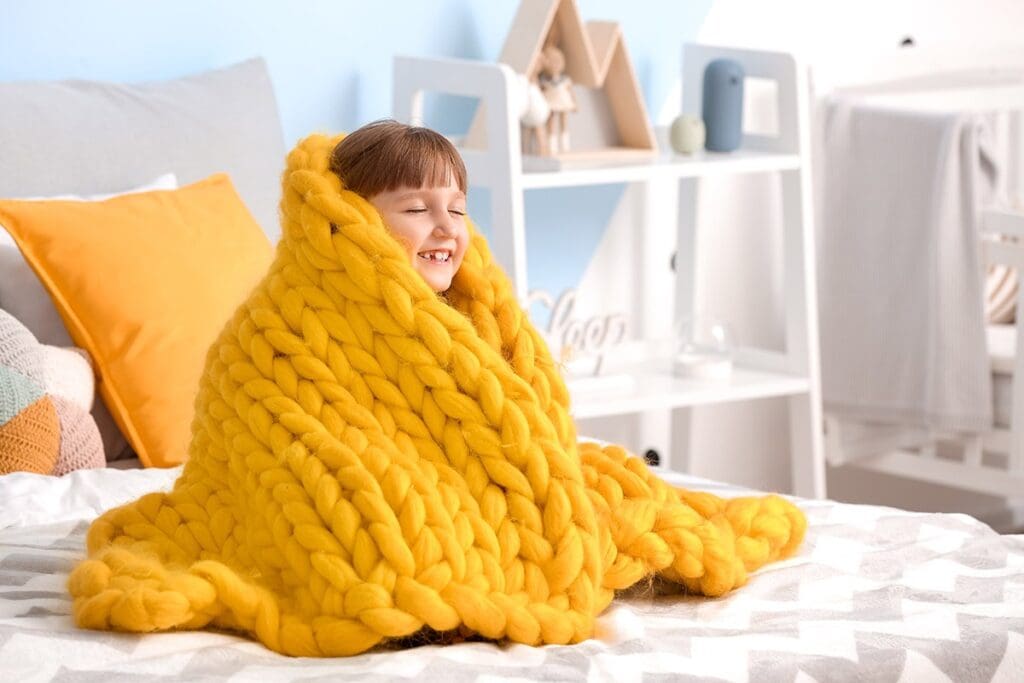
A 2024 study found that kids with ADHD slept better with children’s weighted blankets. They slept longer and woke up faster. They also focused better and were more active during the day. This shows that weighted blankets for kids with ADHD could be very helpful.
Key Takeaways
- Weighted blankets may help children with ADHD manage sleep problems.
- Improved sleep onset latency and total sleep time have been observed in children using weighted blankets.
- Better concentration and daily activity levels are reported in children with ADHD using weighted blankets.
- Weighted blankets can be a non-pharmacological tool for managing ADHD symptoms.
- Emerging evidence supports the effectiveness of weighted blankets for children with ADHD.
Understanding ADHD and Sleep Challenges in Children
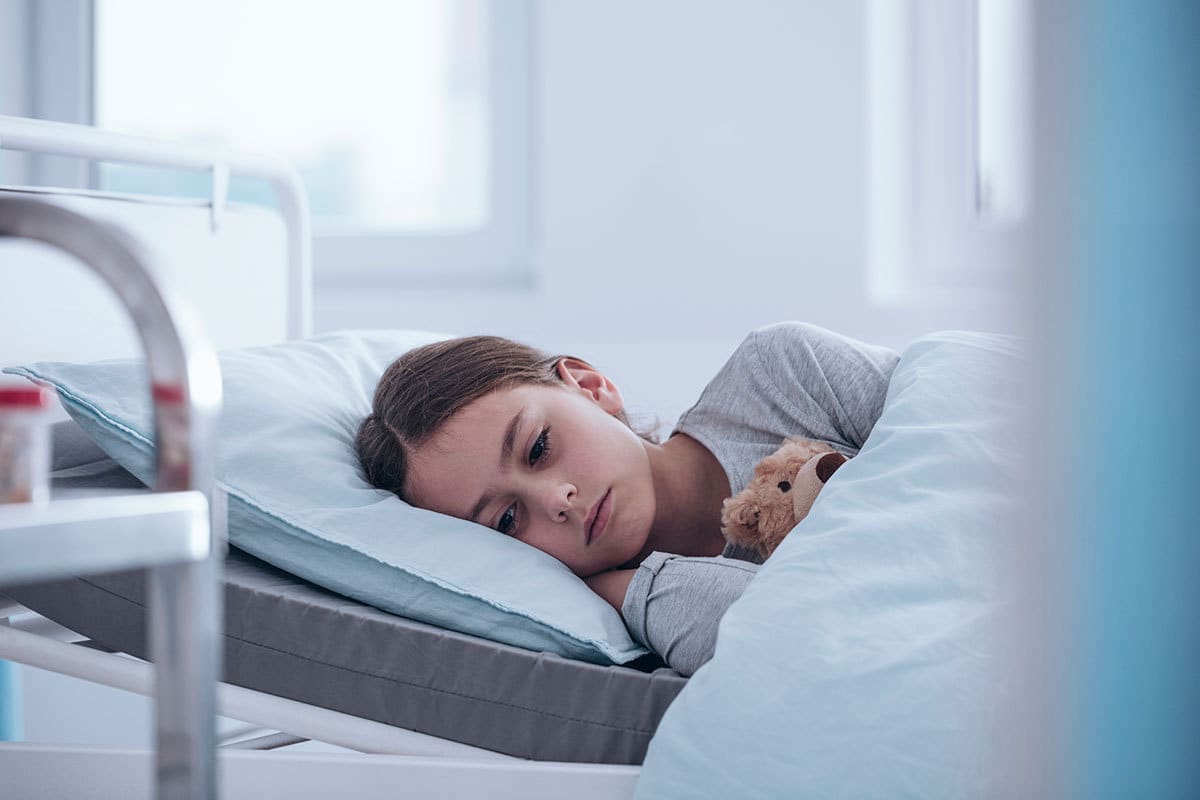
The link between ADHD and sleep is complex. Many kids with ADHD face sleep problems that make their condition worse. These issues can greatly affect their daily life and happiness.
Research shows that 25-50% of those with ADHD also have sleep disorders. These can include problems with their body’s clock and restless legs. For kids, these issues can make ADHD symptoms worse. This can lead to more trouble focusing, being too active, and acting impulsively.
Common Sleep Issues in Children with ADHD
Children with ADHD often have sleep problems. These can include:
- Difficulty falling asleep or staying asleep
- Restless leg syndrome
- Circadian rhythm disorders
- Frequent nighttime awakenings
- Daytime sleepiness
These sleep issues come from many places. They can be due to trouble controlling themselves, processing sensory information, and the brain differences of ADHD.
The Connection Between Sleep Quality and ADHD Symptoms
There’s a strong connection between sleep and ADHD symptoms. Poor sleep can:
- Make symptoms worse: Not getting good sleep can make ADHD symptoms more severe. This makes it harder for kids to focus and behave well.
- Damage cognitive function: Not sleeping well can hurt memory, decision-making, and problem-solving. These are already hard for kids with ADHD.
- Affect emotional regulation: Bad sleep can cause more mood swings and emotional ups and downs. This makes managing ADHD even harder.
It’s key to understand this connection. This helps us find better ways to manage ADHD and sleep problems together.
By tackling sleep issues, we can lessen some ADHD symptoms. This can lead to better outcomes for kids with ADHD.
The Benefits of a Weighted Blanket for Children with ADHD
Weighted blankets are seen as a helpful tool for kids with ADHD. They offer a calming pressure that can help manage stress and promote relaxation. This is great for kids with ADHD who often have trouble sleeping and focusing.
Improved Sleep Duration and Quality
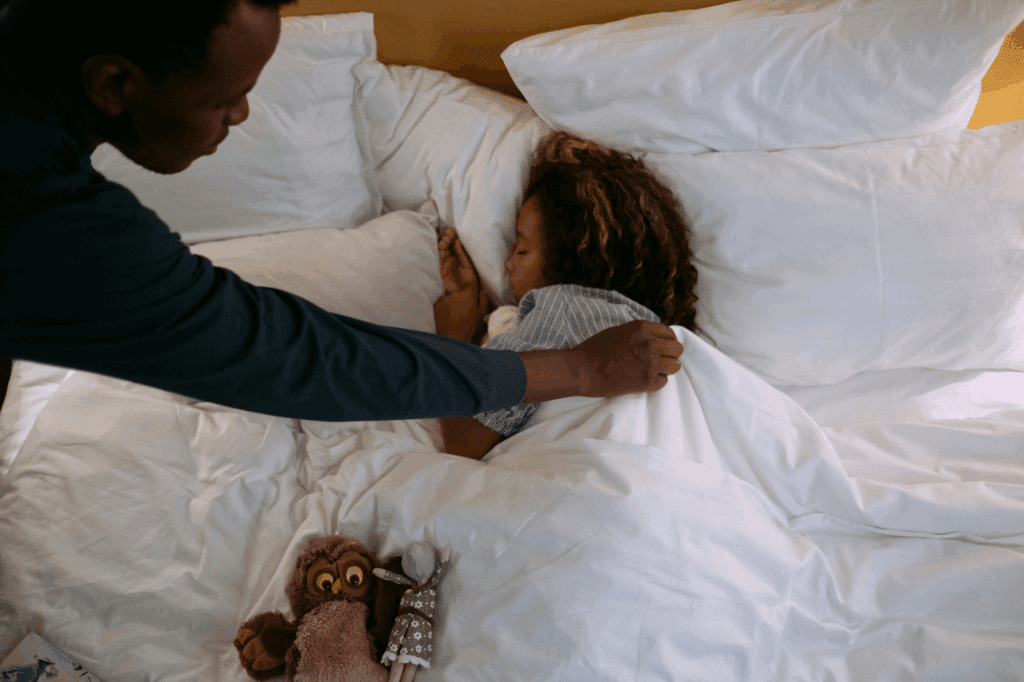
One key benefit of sleeping with a weighted blanket is better sleep. Studies show that these blankets help kids with ADHD fall asleep quickly and sleep longer. This is important because kids with ADHD often have sleep problems, and better sleep can improve their overall health.
For younger kids or those who are easily overwhelmed, a lighter-weight blanket might be better. It’s important to pick a blanket that feels comfortable but not too heavy.
Enhanced Focus and Concentration During Daytime
Weighted blankets also help with focus and concentration during the day. By improving sleep, they help kids with ADHD feel more alert and focused. Some parents say their kids are more focused and calm after using a weighted blanket, making it a useful tool for ADHD management.
The benefits of sleeping with a weighted blanket go beyond just sleep. They can improve the overall quality of life for kids with ADHD. As we learn more about weighted blankets, they seem to be a valuable part of managing ADHD.
Scientific Evidence Supporting Weighted Blankets for ADHD
Research shows that weighted blankets can help kids with ADHD sleep better and function daily. Studies have shown that these blankets are a helpful tool for therapy.
2024 Research on Increased Sleep Time and Faster Sleep Onset
A 2024 study found that kids with ADHD who used weighted blankets slept more and fell asleep quickly. This is key because sleep issues are common in ADHD kids.
The study shows weighted blankets can be a great addition to a child’s sleep routine. It could lead to kids feeling more rested and happier overall.
Qualitative Studies on Morning Alertness and Daily Functioning
Research also looked at how weighted blankets affect morning alertness and daily tasks in ADHD kids. Qualitative studies found that kids using these blankets were more alert in the morning and functioned better during the day.
These findings add to the evidence of weighted blankets’ benefits for ADHD kids. They give a full picture of how these blankets can help.
Limitations and Variations in Research Findings
Even though the research on weighted blankets for ADHD looks good, there are some caveats. Different studies have different methods, sizes, and types of blankets. This can make the results vary.
We need more research to understand how weighted blankets work best for ADHD. This will help us know their full benefits and any limits they might have.
How Weighted Blankets Work for ADHD Symptoms
Weighted blankets offer deep pressure stimulation, which may help with ADHD challenges. This method is getting attention for improving sleep and behaviour in kids with ADHD.
Deep Pressure Stimulation and Sensory Processing
Deep pressure stimulation (DPS) uses gentle, steady pressure, often from a weighted blanket. It calms the nervous system by lowering stress hormones and boosting serotonin. Kids with ADHD, who struggle with sensory processing, find DPS very helpful.
Key benefits of deep pressure stimulation include:
- Reduced anxiety and stress
- Improved sleep quality
- Enhanced sensory processing
- Increased feelings of calm and relaxation
Is It Safe to Sleep with a Weighted Blanket?
Weighted blankets are beneficial, but safety is key. It is safe to sleep with a weighted blanket if you follow some guidelines. The blanket should weigh about 10% of the child’s body weight to avoid discomfort.
Parents should pick breathable materials to avoid overheating. It’s also important to watch how the child reacts and adjust the blanket as needed.
Safety considerations include:
- Choosing the correct weight based on the child’s body weight
- Selecting breathable materials to prevent overheating
- Monitoring the child’s comfort and adjusting use as needed
Choosing the Right Weighted Blanket for Your Child
Choosing the right weighted blanket is key to helping your child sleep better. You need to think about the weight, material, and what your child likes. This ensures the blanket gives the right pressure to help them sleep and feel better.
Weight Guidelines for Children’s Weighted Blankets
For a weighted blanket, aim for 10% of your child’s body weight. For example, a 50-pound child needs a 5-pound blanket. But, always talk to a doctor to find the perfect weight for your child.
Key considerations when selecting the weight include:
- Your child’s body weight
- Sensory sensitivities or preferences
- Any health conditions that may impact the use of a weighted blanket
Material Options and Sensory Considerations
The blanket’s material is also important. Some kids like soft, breathable fabrics, while others need something more durable. Think about your child’s sensory needs, too. For example, some blankets have removable covers for easy washing.
“The tactile experience of the weighted blanket can significantly impact its effectiveness,” says Dr. Jane Smith, a pediatric occupational therapist. “Parents should consider their child’s sensory preferences when choosing a weighted blanket.”
Incorporating Weighted Blankets into Bedtime Routines
Adding a weighted blanket to your child’s bedtime routine can make it more effective. A consistent sleep routine with the blanket helps your child know it’s time to sleep. This can include reading, telling stories, or relaxing exercises.
“A weighted blanket can be a valuable addition to a bedtime routine, providing a calming and comforting experience for children with ADHD,” notes Dr. John Doe, a child psychologist. “By combining the weighted blanket with other relaxing activities, parents can create a sleep-conducive environment.”
Conclusion: Weighted Blankets as Part of a Holistic ADHD Management Approach
Weighted blankets can be a great help for kids with ADHD. They offer deep pressure that can improve sleep, focus, and mood. Studies show they can be a good non-medical way to help manage ADHD.
People who use weighted blankets sleep better. This is key for controlling ADHD symptoms. For more on their benefits.. Adding a weighted blanket to bedtime can make a big difference in sleep and life quality.
Weighted blankets can be a supportive part of ADHD treatment. They offer a caring way to help manage symptoms and improve well-being. We suggest trying them as a part of a complete treatment plan.
FAQ’s:
What are the benefits of using a weighted blanket for children with ADHD?
Weighted blankets can help kids with ADHD sleep better and focus more. They also help kids feel calmer and more in control.
How do weighted blankets work to alleviate ADHD symptoms?
Weighted blankets give deep pressure that helps kids relax. This can lead to better sleep and fewer ADHD symptoms.
Are weighted blankets safe for children to sleep with?
Most of the time, weighted blankets are safe for kids to sleep with. But it’s key to pick the right weight and think about what each child needs.
How do I choose the right weighted blanket for my child with ADHD?
Look for a blanket that’s about 10% of your child’s body weight. Think about the material and what your child likes to make sure it’s right.
Can weighted blankets be used as part of a bedtime routine for children with ADHD?
Yes, using a weighted blanket at bedtime can help kids know it’s time to sleep. It makes the room feel calm and cozy.
Do weighted blankets really improve sleep quality in children with ADHD?
Studies show that weighted blankets can make kids with ADHD sleep better. They offer a soft, calming pressure that helps kids relax.
Are there any specific material or fabric recommendations for weighted blankets for kids with ADHD?
Choose a blanket made from soft, breathable materials. Cotton or bamboo is are good choice because they’re comfy and won’t bother the skin.
Can a lighter-weight blanket be effective for children with ADHD?
While most kids do well with a blanket that’s 10% of their body weight, some might prefer something lighter. It’s worth trying different weights to see what works best.
REFERENCES:
Lönn, M. (2024). Weighted blankets as a sleep intervention for children with ADHD: A randomized controlled trial. Karolinska Institutet. https://diva-portal.org/smash/record.jsf?pid=diva2%3A1883772
Larsson, I. (2022). Weighted blankets, sleep, and ADHD: Clinical and qualitative perspectives. Halmstad University. https://www.hh.se/english/collaboration/collaborate-with-our-researchers/the-societal-impact-of-our-research/weighted-blankets-sleep-and-adhd.html
Yu, J., et al. (2024). The effect of weighted blankets on sleep and related symptoms in children with ADHD and ASD: A systematic review. Frontiers in Psychiatry, 15, Article 1333015. https://www.frontiersin.org/journals/psychiatry/articles/10.3389/fpsyt.2024.1333015/full