Last Updated on November 26, 2025 by Bilal Hasdemir
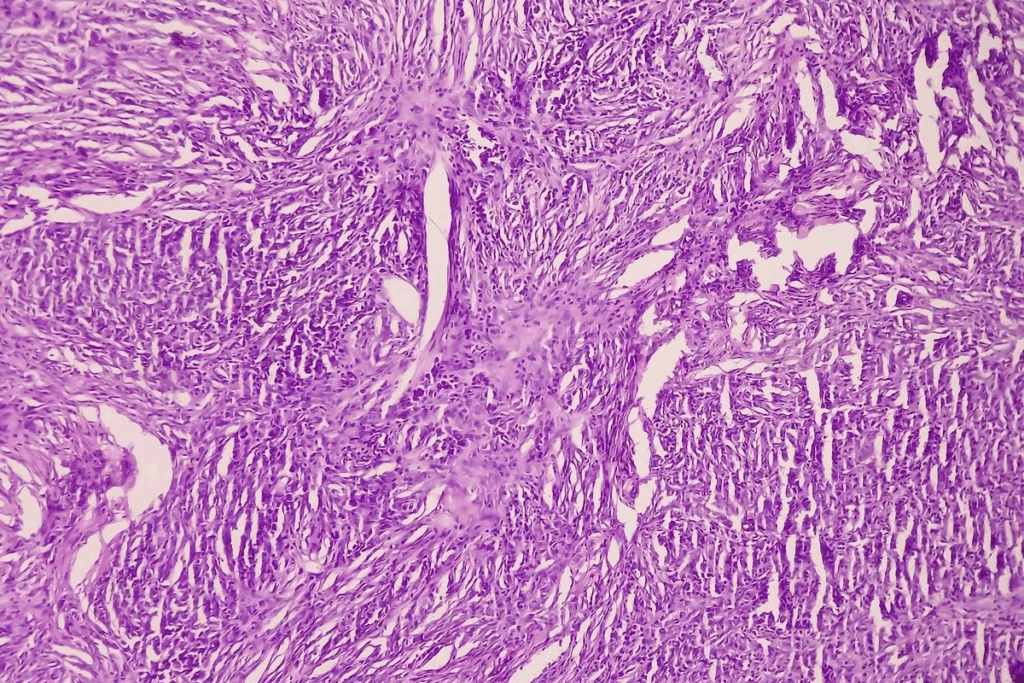
A benign neoplasm of the colon is a non-cancerous growth in the large intestine. It doesn’t invade surrounding tissues or spread to other parts of the body. At Liv Hospital, we know how worried you might be if you find a colonic mass.
Our team is here to help. We focus on giving you the care you need, making sure you get the right diagnosis and treatment.
Discovering a benign growth in the colon can be scary. But at Liv Hospital, we’re here to help. We offer top-notch care and treatment options to make sure you’re healthy again.
We believe in caring for you with kindness and support. We’ll be with you every step of the way, from finding out what’s wrong to treating it.
Key Takeaways
- Benign neoplasms of the colon are non-cancerous growths.
- Accurate diagnosis is key to good treatment.
- Liv Hospital offers patient-centered, internationally recognized care.
- Advanced treatment solutions are available for benign colonic masses.
- Our team provides guidance and support throughout the treatment process.
Understanding Benign Neoplasms of the Colon

It’s important to know about benign neoplasms of the colon. These include adenomas, lipomas, and leiomyomas. They can show up in different parts of the colon, like the sigmoid, transverse, and ascending colon, and even in the rectum.
Definition and Characteristics
Benign neoplasms of the colon are non-cancerous growths. They don’t invade nearby tissues or spread to other areas. Each growth is unique, based on its type and where it is in the colon.
Adenomas are benign tumors that grow from the glandular epithelium of the colon. They can turn cancerous if not removed. Lipomas are benign fatty tumors in the colon wall. They are soft and pliable. Leiomyomas are benign tumors of the smooth muscle of the colon wall. They are firm and can cause symptoms if they’re big or in a bad spot.
Difference Between Benign and Malignant Growths
The main difference is how they behave and affect the body. Benign neoplasms are non-invasive and don’t spread, unlike malignant tumors. Knowing this helps decide the right treatment.
Benign neoplasms might cause symptoms because of their size or where they are. But they’re not as risky as malignant tumors. Some benign neoplasms, like adenomas, can turn cancerous if not treated.
Types of Benign Neoplasms in the Colon

Benign neoplasms of the colon include adenomas, lipomas, and leiomyomas. Each has its own features. These growths are usually not cancerous and can look and act differently.
Adenomas
Adenomas are common in the colon. They grow from the lining of the colon. These tumors can turn into cancer if not removed.
There are several types of adenomas. Each has a different risk of becoming cancerous.
Lipomas
Lipomas are tumors made of fat. They can appear in the colon. Most are not a problem, but they can cause issues if they grow big.
Lipomas are not likely to become cancerous.
Leiomyomas
Leiomyomas grow from the colon’s smooth muscle. They are less common than adenomas. These tumors are usually small and don’t cause symptoms.
But if they grow, they can cause bleeding or block the bowel.
Other Types of Benign Growths in the Large Intestine
There are other rare types of benign tumors in the colon. These include:
- Hyperplastic polyps are usually harmless.
- Juvenile polyps, found in kids but can also appear in adults.
- Inflammatory polyps, linked to inflammatory bowel disease.
The table below lists the main types of benign neoplasms in the colon:
| Type of Neoplasm | Characteristics | Clinical Significance |
| Adenomas | Glandular tumors arising from the epithelial lining | Potential to become malignant; risk varies by type |
| Lipomas | Benign tumors composed of fat tissue | Typically asymptomatic; can cause obstruction or intussusception if large |
| Leiomyomas | Benign tumors arising from smooth muscle | Usually small and asymptomatic; can cause bleeding or obstruction if large |
Benign Neoplasm of Colon: Anatomical Distribution
Knowing where benign colon neoplasms occur is key to good care. These growths can show up in different parts of the colon. Each area has its own traits and health issues.
Benign Neoplasm of Sigmoid Colon
The sigmoid colon often sees benign neoplasms, like adenomas. These can grow without symptoms but may cause pain or bowel changes if big.
Benign Neoplasm of Transverse Colon
Benign neoplasms in the transverse colon are rarer but serious. They’re hard to spot because of their spot.
Benign Neoplasm of Ascending Colon
The ascending colon also sees benign neoplasms. These can come with different risks and symptoms.
Benign Neoplasm of Rectum
Benign neoplasms in the rectum can affect bowel function and quality. Getting a correct diagnosis and treatment is vital.
Benign neoplasms in different parts affect how we screen and treat them. The table below highlights key points for each area.
| Colon Segment | Common Types of Neoplasms | Clinical Considerations |
| Sigmoid Colon | Adenomas, Lipomas | Potential for symptoms like abdominal pain |
| Transverse Colon | Adenomas, Leiomyomas | Challenging to detect, may require advanced imaging |
| Ascending Colon | Adenomas, Lipomas | Associated with different risk factors, varying presentations |
| Rectum | Adenomas, Leiomyomas | Significant impact on bowel function requires an accurate diagnosis |
Healthcare teams can tailor care by knowing where and what benign colon neoplasms are. This helps in diagnosis, treatment, and prevention.
Incidence and Risk Factors
It’s important to know about the incidence and risk factors of benign colon tumors. This knowledge helps in preventing and treating them. Benign neoplasms of the colon are quite common. Their occurrence depends on several factors.
Age-Related Prevalence
Benign colon tumors become more common with age. Over 40 percent of adults develop colon polyps by age 50. This shows why regular screening is key as we get older.
Genetic Factors
Genetics also plays a big role in benign colon neoplasms. People with a family history of colon polyps or cancer are at higher risk. Certain genetic syndromes, like Familial Adenomatous Polyposis (FAP), also raise the risk of multiple colon polyps.
Lifestyle and Environmental Influences
Lifestyle and environmental factors also affect the risk of benign colon tumors. Diet, physical activity, and exposure to toxins are important. For example, a diet rich in processed foods and low in fiber increases the risk of colon polyps.
Key Risk Factors:
- Age: Risk increases after age 50.
- Family History: History of colon polyps or cancer.
- Genetic Syndromes: Conditions like FAP.
- Diet: High intake of processed foods, low fiber.
- Lifestyle: Sedentary lifestyle.
Signs and Symptoms of Colonic Masses
It’s important to know the signs and symptoms of colonic masses for early diagnosis and treatment. We’ll look at both cases where there are no symptoms and common symptoms seen with these masses.
Asymptomatic Presentations
Many benign colon tumors don’t show symptoms, making them hard to find without screenings. These asymptomatic presentations stress the need for regular check-ups and preventive care.
People with these tumors might not know they have them until a doctor finds the tumor during a test.
Common Symptoms When Present
Symptoms can vary based on the mass’s size, location, and type. Common signs include rectal bleeding, changes in bowel habits, abdominal pain, and mucous discharge.
Rectal bleeding is a serious sign that needs quick medical attention. It can point to both benign and cancerous conditions.
Changes in bowel habits, like constipation or diarrhea, might mean there’s a mass in the colon. This is true if the mass blocks the colon.
Abdominal pain can also be a symptom, but it’s not as specific. It can be caused by many things.
Mucous discharge is less common but can happen, mainly with certain benign tumors.
Spotting these symptoms early is key to treatment. If you notice any, see a doctor for the right care and check-up.
Can a Large Mass in the Colon Be Benign?
Large masses in the colon are often found during a routine colonoscopy. While they can be scary, many are not cancerous. These masses raise questions about their nature and what to do next.
Size Considerations of Benign Growths
The size of a colonic mass can hint at its nature. But size alone is not a clear sign. Even big masses can be harmless, and their size doesn’t always tell us if they’re cancerous or not.
To understand a large mass, we must look at other factors. We need to examine its appearance, where it is, and the patient’s health. A detailed check is key to figuring out what the mass is.
When to Be Concerned About a Colonic Mass
We should worry about a colonic mass if it has certain traits. Look out for irregular edges, ulcers, or if it grows fast. Also, symptoms like pain, changes in bowel movements, or bleeding are red flags.
It’s also vital to think about the patient’s health history. This includes past polyps or cancer, family history of colon cancer, and other risk factors.
Distinguishing Non-Cancerous Masses in the Colon
Figuring out if a mass is benign or cancerous takes several steps. Colonoscopy lets us see the mass and take samples. Imaging, like CT scans and MRI, gives more details about the mass.
A biopsy is essential to know the mass’s true nature. By examining the tissue, we can tell if it’s benign or malignant.
| Characteristics | Benign Mass | Malignant Mass |
| Margins | Typically smooth | Often irregular |
| Ulceration | Less common | More common |
| Growth Rate | Usually slow | Can be rapid |
| Symptoms | Often asymptomatic | May cause pain, bleeding, or obstruction |
Diagnostic Approaches for Colonic Masses
Healthcare professionals use many ways to find out about colonic masses. Finding these masses correctly is key to picking the right treatment. This helps patients get the best care.
Medical History Evaluation
We start by looking at the patient’s medical history. We learn about their symptoms, family health, and past treatments. This helps us figure out what might be causing the problem.
Endoscopic Procedures
Endoscopy is a big help in finding colonic masses. We use a colonoscopy to see inside the colon and rectum. This lets us find masses, take samples, and even remove some lesions. Other tests, like sigmoidoscopy, check specific parts of the colon.
Biopsy and Pathological Examination
A biopsy takes a tissue sample from the mass. We look at it under a microscope to see if it’s cancer. Knowing this helps us plan the best treatment.
Imaging Studies
Imaging tests are also important. We use CT scans, MRI, and barium enemas to see the colon and nearby tissues. These tests help us understand the mass’s size, location, and if it has spread.
| Diagnostic Method | Description | Benefits |
| Medical History Evaluation | Gathering patient history and symptoms | Identifies risk factors and guides further testing |
| Endoscopic Procedures | Visual examination of the colon and rectum | Allows for direct visualization and biopsy |
| Biopsy and Pathological Examination | Examining tissue samples for cancer cells | Provides definitive diagnosis of benign or malignant masses |
| Imaging Studies | Using CT, MRI, and barium enemas to visualize the colon | Assesses size, location, and possible spread of the mass |
By using these methods together, we can find out about colonic masses accurately. Then, we can plan the best treatment for each patient.
Treatment Options for Benign Colon Tumors
There are many ways to treat benign colon tumors. These include simple procedures and surgery. The right treatment depends on the tumor’s type, size, and where it is. It also depends on the patient’s health and what they prefer.
Endoscopic Removal Techniques
Endoscopic removal is a common and effective way to treat benign colon tumors. This method uses a flexible tube with a camera and tools to remove the tumor. Endoscopic mucosal resection (EMR) and endoscopic submucosal dissection (ESD) are advanced techniques that remove tumors precisely. This reduces the risk of complications and helps patients recover faster.
EMR is good for removing larger flat lesions. ESD is better for tumors deeply embedded in the colon wall. Both procedures are done under sedation to keep patients comfortable.
Surgical Interventions
When endoscopic removal isn’t possible or the tumor is too big, surgery is needed. There are different surgical options. These include minimally invasive laparoscopic surgery and open surgery. The choice depends on the case’s complexity.
Laparoscopic surgery uses small incisions for instruments and a camera. It leads to less pain, shorter hospital stays, and quicker recovery. Open surgery is for more complex cases or tumors in hard-to-reach areas. It requires a bigger incision but allows for precise tumor removal.
Treatment Selection Based on Tumor Type and Location
Choosing the right treatment for benign colon tumors is very personal. It depends on the tumor’s type, size, and location. It also depends on the patient’s health and what they prefer. For example, adenomas are often removed endoscopically if possible. But lipomas or leiomyomas might be managed differently, depending on their size and symptoms.
The final decision is made with a healthcare provider. They will talk about the risks and benefits of each option. They will choose the best treatment based on the latest medical evidence and the patient’s unique situation.
Management of Benign Rectal Tumors
Managing benign rectal tumors involves different strategies. These include endoscopic removal and localized surgery. The treatment choice depends on the tumor’s size, location, and type. It also depends on the patient’s health.
Specialized Approaches for Rectal Neoplasms
Rectal neoplasms need special care because of their location. Transanal excision removes tumors through the anus. This method avoids the need for big surgeries.
Other methods include endoscopic submucosal dissection (ESD) and endoscopic mucosal resection (EMR). These are used for tumors that don’t go deep into the tissue.
Transanal Excision
Transanal excision is a surgery for tumors near the anus. It’s good for early-stage tumors or benign growths. This method keeps the rectum intact and reduces surgery risks.
- Minimally invasive
- Less risk of complications
- Preserves rectal function
Minimally Invasive Techniques for Benign Rectal Tumor
Minimally invasive methods, like laparoscopic surgery, are used too. These methods have smaller cuts, less pain, and faster healing. They’re better than open surgery.
Choosing a treatment means talking to a doctor about the options. This helps find the best method for each person.
Malignant Potential and Prevention
It’s important to know how benign colon neoplasms can turn malignant. We’ll look at the risks and how to prevent them.
Risk of Transformation from Benign to Malignant
The chance of a benign colon tumor becoming cancerous is a big worry. Regular monitoring helps spot any changes. The size, type, and presence of dysplasia in the tumor affect this risk.
| Risk Factor | Description | Impact on Malignant Transformation |
| Size of Neoplasm | Larger neoplasms are more likely to have malignant components. | Higher risk with increasing size. |
| Histological Type | Adenomas, like villous adenomas, have a higher risk of becoming malignant. | Villous adenomas have a higher malignant potential. |
| Presence of Dysplasia | Dysplasia within a neoplasm indicates abnormal cell growth, which can precede malignancy. | Increased risk with the presence of dysplasia. |
Preventive Strategies
Preventing cancer from benign tumors needs lifestyle changes and medical steps. Regular screening is key. It catches and removes precancerous lesions early.
- Eat a diet full of fruits, vegetables, and whole grains.
- Stay active.
- Don’t use tobacco and drink less alcohol.
- Get colon cancer screenings as recommended.
Importance of Regular Screening
Colon cancer screening is essential for catching tumors early. Screening tests find neoplasms before symptoms start. Following screening guidelines is important for early detection.
Knowing the risks and taking preventive steps can lower colon cancer risk. It’s key to work with healthcare providers for a personalized plan.
Conclusion
It’s important to know about benign neoplasms of the colon for good care. We talked about the different kinds, where they are found, how common they are, and what might cause them. Finding these growths involves using endoscopies and imaging.
These growths can be treated with endoscopy or surgery, based on their type and where they are. It’s key to screen regularly to catch any issues early and prevent problems.
Learning about benign neoplasms of the colon helps us give better care. Knowing how to manage these conditions is essential for the best results for patients.
FAQ
What is a benign neoplasm of the colon?
A benign neoplasm of the colon is a non-cancerous growth in the colon. These growths are usually not dangerous but can cause problems if not treated.
Can a large mass in the colon be benign?
Yes, a large mass in the colon can be benign. The size of a mass doesn’t always mean it’s cancerous. More tests are needed to know if it’s benign or malignant.
What are the signs and symptoms of a colonic mass?
Colonic masses might not show symptoms. But, symptoms like abdominal pain, changes in bowel habits, rectal bleeding, or iron deficiency anemia can happen. It’s important to notice these symptoms for early diagnosis.
How are benign colon tumors diagnosed?
To diagnose benign colon tumors, doctors use several methods. They look at your medical history, do endoscopic procedures, take biopsies, and use imaging studies. These tools help figure out what the tumor is and how to treat it.
What are the treatment options for benign colon tumors?
For benign colon tumors, treatments include endoscopic removal and surgery. The best treatment depends on the tumor’s type, size, location, and your health.
How are benign rectal tumors managed?
Benign rectal tumors are treated with special methods. Doctors use transanal excision and minimally invasive techniques. These methods aim to remove the tumor safely and maintain rectal function.
Can benign neoplasms become malignant?
Yes, some benign neoplasms can turn malignant over time. It’s important to keep an eye on these growths with regular screening. This helps catch any changes early and prevent cancer.
What is the importance of regular screening for colon health?
Regular screening is key to colon health. It helps find and remove benign neoplasms early. It also catches colorectal cancer when it’s easier to treat.
Are benign neoplasms of the colon common?
Benign neoplasms of the colon are fairly common. They become more common with age. Lifestyle and genetics can also play a role in their development.
What is the difference between a benign and a malignant colonic mass?
The main difference is in their behavior. Benign masses don’t invade tissues or spread. Malignant masses can do both. This makes malignant masses more dangerous.
Reference:
(2021). Benign tumors of the colon: Clinical and pathological features. World Journal of Gastroenterology, 27(45), 7761–7774.