Low anti-Müllerian hormone (AMH) levels can worry women trying in vitro fertilization (IVF). They show a lower number of eggs in the ovaries.
Getting a low AMH diagnosis can feel scary. But, new studies give hope. Young women with low AMH can have babies just like those with more eggs, thanks to special treatments.
At Liv Hospital, we mix global best practices with care tailored just for you.best ivf protocol for low amhBrain Tumour MRI Images: 10 Best Datasets We focus on anti-Müllerian hormone and treatments to help you succeed with IVF.
Key Takeaways
- Low AMH levels mean fewer eggs, making IVF harder.
- Special treatments can help women with low AMH have babies.
- Young women with low AMH can have babies like those with more eggs.
- Personal care plans are key for women with low AMH.
- Knowing about anti-Müllerian hormone is vital for IVF success.
Understanding AMH and Its Role in Fertility
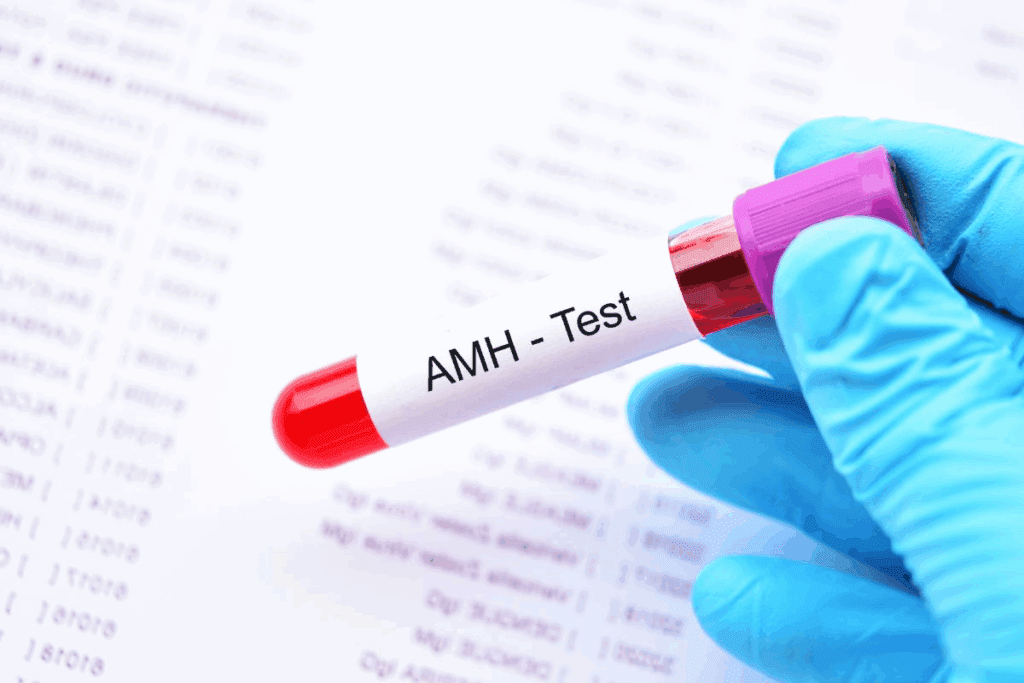
AMH levels give us important clues about a woman’s reproductive health and fertility. It’s key to grasp its role in checking ovarian reserve. This is vital for women thinking about IVF.
What is Anti-Müllerian Hormone?
Anti-Müllerian Hormone (AMH) is a protein made by cells in the ovaries. AMH levels in the blood show how many eggs a woman has. This makes AMH a great tool for checking how many eggs a woman might have.
How AMH Reflects Ovarian Reserve
Studies show that low AMH means fewer eggs during IVF. This is important for planning IVF. AMH tests help doctors make treatment plans that work better for each woman.
Normal AMH Ranges by Age
AMH levels change with age, and knowing these ranges helps women understand their fertility. Here are some general guidelines:
- Women under 35: 1.5-4.0 ng/mL
- Women between 35-38: 1.0-3.0 ng/mL
- Women between 39-40: 0.8-2.0 ng/mL
- Women over 40: 0.5-1.5 ng/mL
Remember, these are just general ranges. Your results might be different. Always talk to a fertility specialist for a personal check-up.
The Impact of Low AMH on IVF Outcomes
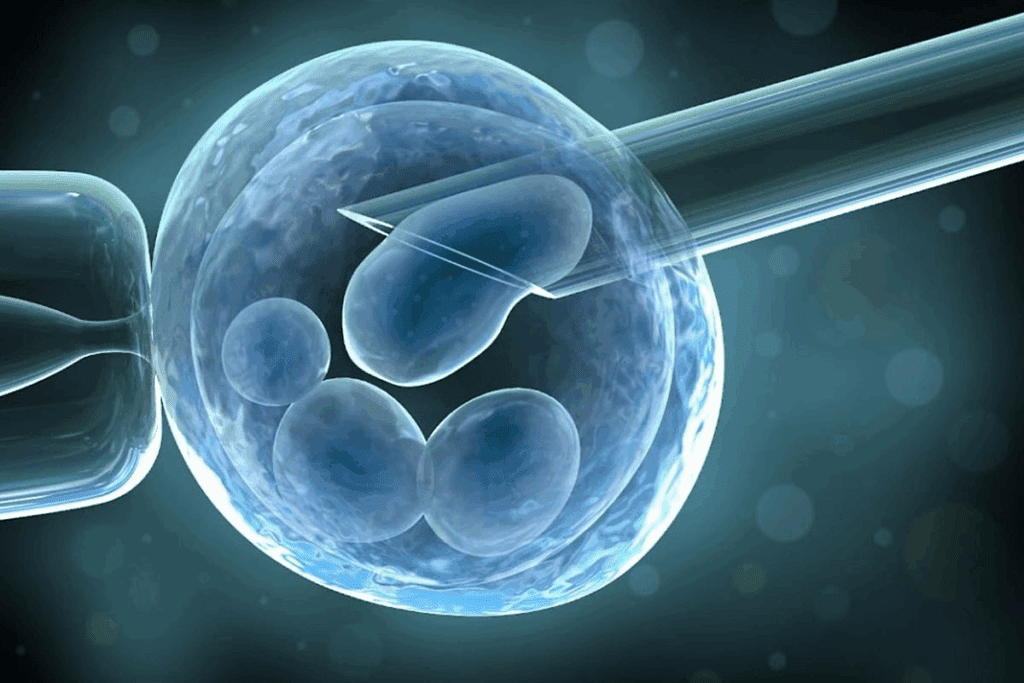
Knowing how low Anti-Müllerian Hormone (AMH) levels affect IVF is key for women thinking about fertility treatments. AMH shows how many eggs a woman might have left. Its levels can greatly affect IVF success.
Correlation Between AMH and Egg Retrieval Numbers
A 2022 study with 665 women found a link between AMH levels and egg numbers in IVF. Women with AMH levels of 1.10 ng/mL or more got more eggs and better egg quality. This means women with lower AMH might have fewer eggs for IVF, affecting success.
Cycle Cancellation Rates with Low AMH
Women with low AMH face a big challenge in IVF: cycle cancellation. Research shows that about 14.5% of cycles are cancelled for women with very low AMH (below 0.5 ng/mL). This is because low AMH often means fewer eggs can be retrieved for IVF.
Live Birth Rates and AMH Levels
Low AMH levels don’t mean IVF won’t work. Studies show that women with AMH below 1 pg/mL can have a 14.7% live birth rate. This is lower than those with normal or high AMH, but success is possible. The trick is to tailor the IVF plan to each woman’s needs.
Dealing with low AMH can be tough, but every woman’s fertility path is different. Working with fertility experts and a custom approach can help women with low AMH achieve IVF success.
Diagnosing Low AMH: When to Be Concerned
Getting a low AMH diagnosis is simple. It involves a blood test that shows a lot about your ovaries. This test is key for women thinking about IVF or worried about their fertility.
AMH Testing Procedures
AMH testing is done with a blood test. You can get it on any day of your cycle. It checks the Anti-Müllerian Hormone in your blood, giving clues about your ovaries.
- The blood test is usually done in the morning.
- No special prep is needed, but some meds might change the results.
- You’ll get your test results in a few days.
Interpreting Your AMH Results
Understanding your AMH results is important. It depends on your age and what’s normal. For women under 35, a level between 1.0 and 3.0 ng/mL is usually okay.
Key points to consider:
- AMH levels change with age, with younger women having higher levels.
- Levels under 1.0 ng/mL might mean you have a low ovarian reserve.
- Levels over 5.0 ng/mL could point to polycystic ovary syndrome (PCOS).
Other Fertility Markers to Consider
AMH is important, but it’s not the only sign of fertility. Other markers include:
- FSH (Follicle-Stimulating Hormone) levels.
- Estradiol levels.
- Antral follicle count (AFC).
Looking at these markers together gives a full picture of your fertility.
Age vs. AMH: Which Matters More for IVF Success?
Age and AMH levels are key in figuring out IVF success. Both are important for fertility. Knowing how they work together helps women planning IVF.
Age-Specific Success Rates with Low AMH
Studies show age is very important for IVF success, even with low AMH. Young women with low AMH can have similar success rates as those with normal AMH. This is because younger women have better egg quality.
Age-specific success rates show why age and AMH matter together. For example, a young woman with low AMH might do better than an older woman with the same AMH.
| Age Group | Low AMH Success Rate | Normal AMH Success Rate |
|---|---|---|
| <35 years | 35% | 40% |
| 35-40 years | 25% | 30% |
| >40 years | 10% | 15% |
Why Younger Women with Low AMH Shouldn’t Lose Hope
Young women with low AMH shouldn’t give up. Good egg quality and the right treatment can boost their chances. Clinics adjust plans to use eggs well.
The Combined Effect of Age and AMH on Fertility
Age and AMH levels are both looked at for fertility. Together, they give a full picture of a woman’s fertility. Low AMH is a challenge, but it’s not the only factor in IVF success.
Understanding age and AMH helps women make better choices for fertility treatment. This knowledge lets them find ways to improve their chances of success.
The Best IVF Protocol for Low AMH: Evidence-Based Approaches
Women with low AMH face unique challenges in IVF. But, new protocols have greatly improved success rates. Understanding these protocols is key to IVF success.
GnRH Antagonist Protocol Explained
The GnRH antagonist protocol is top for low AMH women. It stops early ovulation, allowing for better control over stimulation. This protocol is great for low AMH patients because it lowers OHSS risk and allows for custom dosing.
A 2013 study showed this protocol boosts pregnancy rates in low AMH patients. It offers a tailored approach to stimulation. This can lead to more eggs and better embryos.
Modified Natural Cycle IVF
Modified Natural Cycle IVF is promising for low AMH women. It uses the natural cycle to get one egg. This method is cheaper and has less OHSS risk. It’s good for those sensitive to fertility meds or who’ve had poor responses before.
Minimal Stimulation Protocols
Minimal stimulation IVF uses less medication than regular IVF. It’s cheaper and has fewer side effects. For low AMH women, it can get a few high-quality eggs. This might increase pregnancy chances.
Comparing Protocol Effectiveness
Choosing the right protocol depends on many factors. These include age, ovarian reserve, and past IVF results. While GnRH antagonist protocol is successful, the best protocol varies by patient. A study showed protocol choice greatly affects outcomes for low AMH women.
“The choice of IVF protocol can significantly impact treatment outcomes for women with low AMH. Personalized treatment plans that consider individual patient characteristics are critical for maximizing success rates.”Expert Opinion
In conclusion, finding the best IVF protocol for low AMH requires careful consideration. Understanding protocols like GnRH antagonist, modified natural cycle, and minimal stimulation helps tailor treatment. This approach optimizes IVF success for each patient.
Medication Strategies to Optimize Response with Low AMH
Women with low AMH can see big improvements in IVF success by adjusting their medication. It’s key to tailor the treatment to boost IVF success rates.
Gonadotropin Dosing Considerations
Gonadotropin dosing is vital in IVF, more so for women with low AMH. The aim is to get enough eggs without overdoing it. Right dosing can increase egg count while lowering OHSS risk. We start with a high dose and adjust as needed.
Studies show that custom dosing can lead to better IVF results for women with low AMH. Watching follicle growth and adjusting the dose helps get the best response.
Adjuvant Treatments and Supplements
Adjuvant treatments and supplements can help women with low AMH in IVF. DHEA, for example, has been shown to improve IVF success. DHEA can make eggs better and boost pregnancy chances for those with low ovarian reserve.
Other supplements like CoQ10 and antioxidants are also helpful. They reduce stress and improve egg quality by supporting mitochondria.
Timing and Administration Optimization
When and how IVF meds are given can greatly affect results. Timing gonadotropin with the menstrual cycle can lead to better follicle response. We also use GnRH agonist or antagonist protocols to control ovulation.
Adjusting the way meds are given, like through subcutaneous injections, can be tailored. Good education and support are key to sticking to the treatment plan.
Can You Raise AMH Levels? Research-Based Interventions
Women looking to boost their fertility need to know what affects AMH levels. AMH levels are often seen as a fixed marker of ovarian reserve. But, recent studies have found ways to possibly improve or stabilize AMH levels.
What Science Says About Improving AMH
Research on boosting AMH levels has given mixed results. Some studies suggest that supplements and lifestyle changes can help. For example, Vitamin D supplementation has been linked to higher AMH levels in women who were vitamin D deficient.
Other possible ways to improve AMH levels include dietary changes, reducing stress, and certain treatments in IVF. But, it’s important to be cautious and not get too excited yet. The research is not yet solid.
Realistic Expectations for Treatment
There are ways to possibly boost AMH levels or improve ovarian function. But, it’s important to have realistic hopes. The success of these methods can differ a lot from person to person. This depends on age, starting AMH levels, and overall health.
Women thinking about trying to improve their AMH levels should talk to a fertility specialist. They can help figure out the best options based on the woman’s situation.
Monitoring AMH Changes During Treatment
Women getting treatment to boost their AMH levels need to keep an eye on their levels. This usually means getting blood tests to check AMH levels over time.
| Intervention | Potential Impact on AMH | Monitoring Recommendations |
|---|---|---|
| Vitamin D Supplementation | Positive impact in deficient women | Regular blood tests for Vitamin D and AMH levels |
| Dietary Changes | Potential positive impact | Periodic AMH testing, dietary assessment |
| Stress Reduction Techniques | Potential indirect benefits | Regular stress assessments, AMH testing |
By knowing about possible treatments and watching their effects, women can make better choices about their fertility treatments.
Nutritional Interventions to Support Ovarian Function
Nutritional interventions are key for women with low AMH levels going through IVF. A balanced diet can greatly help ovarian health and fertility.
Some nutrients can boost egg quality and support the ovaries. Foods high in folate and vitamins are good for fertility.
Antioxidant-Rich Foods and Supplements
Antioxidants protect eggs from damage caused by oxidative stress. This can harm DNA and lower fertility. Foods like:
- Berries: Full of vitamin C and antioxidants.
- Leafy Greens: Rich in folate and other nutrients.
- Nuts and Seeds: Good for vitamin E and selenium.
Supplements like CoQ10 and Vitamin C offer antioxidant benefits. But, always talk to a healthcare provider before taking supplements.
Vitamin D and AMH Connection
Vitamin D is linked to better fertility, and it might affect AMH levels. Getting enough vitamin D through diet, sunlight, or supplements can help the ovaries.
Foods high in vitamin D include:
- Fatty Fish: Salmon and mackerel are great sources.
- Fortified Dairy Products: Many are fortified with vitamin D.
- Egg Yolks: A good source of vitamin D.
DHEA and CoQ10 Supplementation
DHEA (Dehydroepiandrosterone) and CoQ10 (Coenzyme Q10) are supplements that might help with fertility. DHEA could improve ovarian response, and CoQ10’s antioxidants protect eggs.
Talking to a healthcare provider is important to see if these supplements are right for you.
By adding these nutrients to their diet, women with low AMH levels might see better ovarian function and IVF results.
Lifestyle Modifications for Women with Low AMH
Lifestyle choices are key to fertility. Making smart choices can help women with low AMH. Healthy habits and stress management can boost fertility chances.
Stress Reduction Techniques
Stress can harm hormonal balance and fertility. Stress reduction techniques like meditation, yoga, and deep breathing can help. These activities reduce stress and improve overall health.
Research shows mindfulness and relaxation can improve IVF success. Adding these to daily life can help women with low AMH prepare better for fertility treatments.
Exercise Recommendations for Fertility
Exercise is good for fertility. Moderate exercise, like brisk walking or cycling, keeps weight healthy and hormones balanced. But too much exercise can be bad.
Try to exercise for at least 30 minutes, most days. Adjust based on your health and fitness. A mix of cardio and strength training is best.
Sleep Quality and Hormonal Balance
Good sleep is key for hormonal balance and fertility. Sleep disturbances can mess with hormones, affecting IVF success. A regular sleep schedule and a cozy sleep space can improve sleep.
Go for 7-9 hours of sleep each night. Use calming bedtime routines. Avoid caffeine and screens before bed to sleep better.
Alternative and Complementary Approaches for Low AMH
Women with low AMH are looking into new ways to boost their fertility. They’re trying alternative and complementary methods to help their overall health. These methods can work alongside traditional fertility treatments to possibly improve results.
Acupuncture and Traditional Chinese Medicine
Acupuncture is a part of traditional Chinese medicine used for fertility support. Studies show it might help IVF by improving blood flow to the ovaries, lowering stress, and balancing hormones.
“Acupuncture may have a positive effect on pregnancy rates when used in conjunction with IVF,” according to a study published in the Journal of Clinical Endocrinology and Metabolism.
For fertility, acupuncture treatments are usually given several times a week, starting early in IVF. While more research is needed, many women find acupuncture helpful in their fertility journey.
Mind-Body Interventions
Mind-body practices like meditation, yoga, and cognitive-behavioral therapy are being recognized for their fertility benefits. They can reduce stress, promote relaxation, and boost overall health.
| Mind-Body Intervention | Potential Benefits for Fertility |
|---|---|
| Meditation | Reduces stress, promotes hormonal balance |
| Yoga | Improves circulation, reduces stress, enhances overall well-being |
| Cognitive-Behavioral Therapy | Manages stress, addresses negative thought patterns |
Herbal Supplements: Evidence and Cautions
Some women use herbal supplements as part of their fertility plan. But, it’s important to be careful with their use.
Key Considerations:
- Consult with a healthcare provider before using any herbal supplements
- Be aware of possible interactions with fertility medications
- Understand that herbal supplement quality and effectiveness can vary a lot
Herbs like Vitex agnus-castus (Chasteberry), Maca, and Turmeric have been studied for fertility benefits. But, the evidence is mostly from animal studies or anecdotal reports. More human clinical trials are needed to confirm their safety and effectiveness.
Exploring these alternative and complementary methods is important. But, it’s key to talk openly with healthcare providers. This ensures these methods are safely and effectively used with traditional fertility treatments.
Low AMH Success Stories: Real-World Inspiration
Low AMH doesn’t mean no chance of getting pregnant. Many women have had successful IVF pregnancies, sharing their stories of hope and strength. These stories offer emotional support and insights into what helps succeed with low AMH levels.
Case Studies of Successful Pregnancies
Case studies show women with low AMH can get pregnant. For example, a 38-year-old woman with an AMH of 0.8 ng/ml got pregnant through IVF. Her story shows that low AMH isn’t a barrier to pregnancy.
These stories often involve medical help, lifestyle changes, and sometimes other therapies. They highlight the need for a treatment plan that fits each person’s health and fertility issues.
Common Factors in Success Stories
Success stories often share common factors. Personalized treatment plans were key. Many women also used adjuvant treatments and supplements to help their fertility.
Changes in lifestyle, like diet and exercise, were also important. These changes improved health and boosted fertility, helping IVF succeed.
Learning from Others’ Experiences
Every fertility journey is unique, but learning from others can offer hope and practical tips. Women with low AMH can learn from others’ successes and challenges.
Understanding what helps succeed in IVF can prepare women for their journey. This includes working with healthcare providers, making lifestyle choices, and staying positive and resilient.
Conclusion: Creating Your Personalized Plan for IVF with Low AMH
A low Anti-Müllerian Hormone (AMH) level can make IVF harder for women. But, knowing what affects IVF success and trying different treatments can help a lot. This way, women can boost their chances of getting pregnant.
Creating a personalized IVF plan is key for those with low AMH. It means looking at your age, AMH levels, and health history. This helps find the best IVF protocol for low AMH. Tailoring the treatment can help women respond better and increase their chances of success.
Research backs up the idea of a custom IVF plan. Studies show that a personalized IVF plan can lead to better results, even for women with low AMH. This might mean changing medication, trying minimal stimulation or natural cycle IVF, or adding therapies to help with ovarian function.
By teaming up with a fertility expert to make a plan just for you, women with low AMH can feel more in control. With the right strategy and low AMH treatment, many women can achieve their dream of starting a family.
FAQ
What is a normal AMH level for IVF?
Normal AMH levels change with age. For women under 35, levels between 1.0 and 3.0 ng/mL are normal. But, the best AMH level for IVF success varies. Women with low AMH can also have successful pregnancies through IVF.
Can low AMH levels be improved before IVF?
There’s no sure way to greatly increase AMH levels. But, lifestyle changes, nutrition, and supplements can help. They might improve ovarian function and IVF success.
What is the best IVF protocol for women with low AMH?
The best IVF protocol for low AMH varies by individual. Options include the GnRH antagonist protocol, modified natural cycle IVF, and minimal stimulation protocols.
How do low AMH levels affect IVF outcomes?
Low AMH levels can lead to fewer eggs, more cycle cancellations, and lower live birth rates. But, the right treatment and care can help women with low AMH achieve success in IVF.
Can lifestyle modifications improve fertility for women with low AMH?
Yes, lifestyle changes can help. Stress reduction, regular exercise, and better sleep can improve fertility and IVF success for women with low AMH.
Are there any nutritional interventions that can support ovarian function?
Yes, certain nutrients can help. Eating foods rich in antioxidants, maintaining vitamin D levels, and taking DHEA and CoQ10 supplements may support ovarian function and improve IVF outcomes.
How does age interact with AMH levels in determining IVF success?
Both age and AMH levels affect IVF success. Younger women with low AMH may have a good chance of success. But, older women face more challenges. Tailored treatment plans are key.
Can alternative approaches like acupuncture improve IVF outcomes for women with low AMH?
Yes, alternative methods like acupuncture and mind-body interventions can be used with conventional treatments. They may support well-being and improve IVF success.
What are the realistic expectations for raising AMH levels through treatment?
Some treatments may support ovarian function, but raising AMH levels is hard. Results vary. It’s important to understand what to expect and work closely with a healthcare provider.
How can women with low AMH maximize their chances of IVF success?
Women with low AMH can increase their chances of success by creating a personalized treatment plan. Considering individual factors and exploring different options is key.
References
National Center for Biotechnology Information. Low AMH and IVF Success in Young Women. Retrieved from https://pmc.ncbi.nlm.nih.gov/articles/PMC4870438/