Last Updated on December 1, 2025 by Bilal Hasdemir
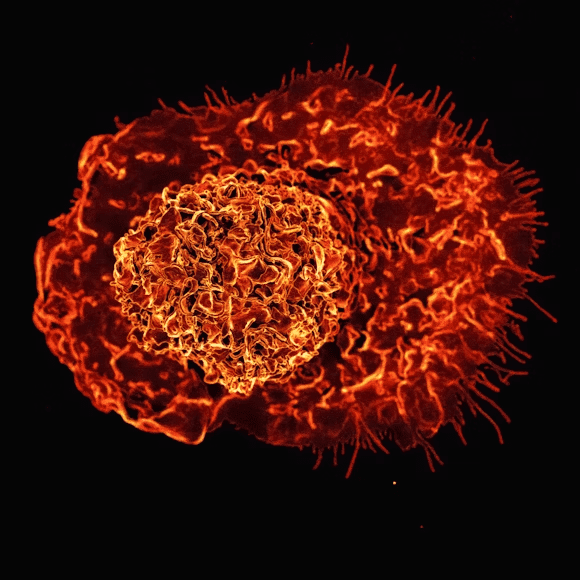
Mesenchymal stem cells (MSCs) have changed the game in regenerative medicine. They bring new hope for treating many diseases. Right now, over 800 clinical trials are looking into how MSCs can fix damaged tissues and organs.
Did you know that over 800 clinical trials are registered worldwide investigating the use of MSCs for various medical conditions? This shows how much interest there is in MSCs as a treatment. MSCs are special because they can turn into many different cell types. This makes them a great source for therapy in regenerative medicine.
Key Takeaways
- Mesenchymal stem cells are key in regenerative medicine.
- Over 800 clinical trials are exploring MSCs for various conditions.
- MSCs can differentiate into multiple cell types.
- The therapeutic promise of MSCs is vast and varied.
- MSCs offer a promising treatment option for degenerative diseases.
The Therapeutic Potencial of Mesenchymal Stem Cells
Mesenchymal stem cells (MSCs) are key in regenerative medicineThey can turn into different cell types, which makes them valuable for repairing and regenerating tissues.
Definition and Biological Properties of MSCs
MSCs can grow and change into many cell types. They have markers like CD73, CD90, and CD105. They also help control the immune system, which can help heal wounds.
MSCs are special because they can find and fix damaged areas. They do this by sending out signals that help repair tissues. This makes them very useful for healing.
Role in Regenerative Medicine
In regenerative medicine, MSCs are used to fix or replace damaged tissues. They can become many different cell types. This makes them good for treating many health issues, from bone injuries to heart problems.
Studies are being done to see if MSCs are safe and work well. Early results look good. They show that MSCs can help grow new tissues and improve health in many ways.
Key Criteria for Evaluating the Best MSC Source for Therapy

Choosing the best MSC source for therapy requires looking at several important factors. The best source should have a good balance of cell yield, ease of access, growth ability, and ability to change into different cell types.
Cell Yield and Accessibility Factors
The number of MSCs you can get from a source is very important. More MSCs mean more cells for treatments. It’s also important how easy it is to get these cells. Some sources might need more complicated procedures.
- Cell Yield: Higher yields are better for treatments.
- Accessibility: Easier ways to get cells are better.
For example, MSCs from fat tissue are easy to get. Getting MSCs from bone marrow is a bit harder but is common because it’s well-known.
Proliferation and Expansion Capacity
How well MSCs can grow and multiply is key for therapy. A source that lets MSCs grow a lot is good because it means more cells for treatment.
Research shows that MSCs from different places grow at different rates. For example, MSCs from umbilical cord tissue grow faster than those from bone marrow.
Differentiation Capacity Across Sources
How well MSCs can change into different cell types is also very important. This affects their ability to fix or replace damaged tissues. MSCs from different sources can change into different types of cells in different ways.
“The differentiation capacity of MSCs is a key factor in their therapeutic application, as it determines their ability to regenerate or repair damaged tissues.”
Expert Opinion
For example, some studies show that MSCs from certain sources are better at becoming bone or cartilage cells. This makes them better for fixing bones or joints.
Bone Marrow-Derived MSCs: The Traditional Gold Standard
For years, bone marrow-derived MSCs have been the top choice in regenerative medicine. They have been studied a lot and used in many treatments. This makes them a solid base for their use.
Extraction and Processing Methodologies
Bone marrow-derived MSCs are usually taken from the iliac crest through bone marrow aspiration. The marrow is then processed to get MSCs. This involves density gradient centrifugation and growing the cells in a lab.
Key steps in processing include:
- Density gradient centrifugation to separate MSCs from other cell types
- Culturing in appropriate media to support MSC expansion
- Cryopreservation for future use
Advantages in Clinical Applications
Bone marrow-derived MSCs are promising for many treatments, like fixing bones and muscles. They can turn into different cell types and help grow new tissue. This makes them very useful.
| Clinical Application | Benefits of Bone Marrow-Derived MSCs |
| Orthopedic Disorders | Supports bone and cartilage regeneration |
| Musculoskeletal Disorders | Enhances muscle and tendon repair |
Limitations and Patient Considerations
Even with their benefits, bone marrow-derived MSCs have some downsides. Taking bone marrow is invasive, and the quality and amount of cells can vary. Patients should think about their age, health, and the risks of the procedure.
It’s important to consider these points when thinking about using bone marrow-derived MSCs for treatment.
Adipose Tissue-Derived MSCs: Abundant and Accessible
Adipose tissue is a rich source of MSCs, a good alternative to bone marrow. It’s easy to get MSCs from adipose tissue, making it great for treatments.
Advanced Harvesting Techniques
Getting MSCs from adipose tissue uses advanced methods like liposuction and enzymatic digestion. These techniques help get more cells that work well. Enzymatic digestion breaks down the tissue to release MSCs, which are then grown in culture.
Comparative Benefits of Adipose-Derived MSCs
Adipose-derived MSCs have many benefits. They are plentiful, easy to get, and grow fast. Here’s a table showing these benefits:
| Source | MSC Yield | Proliferation Rate |
| Adipose Tissue | High | Rapid |
| Bone Marrow | Moderate | Moderate |
| Umbilical Cord | High | Rapid |
Clinical Limitations and Challenges
Adipose-derived MSCs have some challenges. There can be differences in cell quality and the need for standard ways to get and grow them. Variability in donor tissue can change how well MSCs work.
It’s important to work on these issues for MSCs to be used in clinics. Research is ongoing to improve how we get and grow MSCs, making them more reliable.
Umbilical Cord Blood and Tissue MSCs: Youthful Potentials
Umbilical cord blood and tissue MSCs are a new hope for regenerative medicine. They come from a part of the body that’s usually thrown away. This makes them a good choice, unlike some other stem cells.
Non-Invasive Collection Procedures
Getting MSCs from umbilical cord blood and tissue is easy and safe. It happens right after a baby is born. This method is safe for the donor and makes more MSCs available for treatments.
Umbilical Cord Stem Cell Advantages
MSCs from umbilical cord blood and tissue have many benefits. They grow well, help the immune system, and can become different types of cells. These traits make them great for fixing many health problems.
Accessibility and Availability Challenges
But, getting these MSCs can be hard. The quality and amount of MSCs vary. They need special care and storage. Also, rules about using them are changing, which slows down their use in hospitals.
In summary, MSCs from umbilical cord blood and tissue are a big hope for fixing health problems. But, we need to make them easier to get and use in hospitals.
Wharton’s Jelly Mesenchymal Stem Cells: Primitive Potency
Wharton’s Jelly MSCs are getting a lot of attention in regenerative medicine. They come from the umbilical cord and have special traits. These traits make them great for many treatments.
Specialized Extraction Techniques
Getting MSCs from Wharton’s Jelly needs special methods. These methods keep the cells alive and strong. First, enzymes are used to get the MSCs. Then, they are grown in the right conditions to increase their number.
Developmental Advantages and Properties
Wharton’s Jelly MSCs have big advantages. They are in a primitive state, which means they can become many different cell types. They also grow well and can help fix damaged tissues. Plus, they can calm down the immune system, which is good for treatments.
Therapeutic Applications and Limitations
Wharton’s Jelly MSCs can be used for many things, like fixing damaged tissues and treating diseases. They are good at helping the body heal and can even help with heart and joint problems. But, we need to work on making more cells, making sure they are the same, and figuring out the rules for using them.
In short, Wharton’s Jelly MSCs are a big hope for regenerative medicine. They have great power and can help in many ways. But, we must keep studying to use them fully in medicine.
Placental Stem Cell Benefits in Regenerative Medicine
Placental stem cells are a new hope for regenerative medicine. They come from the placenta, which is often thrown away after birth. These stem cells can help in many ways.
Ethical Harvesting Approaches
Getting stem cells from the placenta is seen as ethical. It uses a part of the body that is usually wasted. Safe and efficient ways to collect these cells are key.
A study in the Journal of Translational Medicine says these stem cells are very promising. They can turn into many different cell types.
“The placenta is an attractive source of MSCs due to its non-invasive procurement and the abundance of cells available.”
Unique Biological Properties
Placental stem cells have special immunomodulatory properties. They help with inflammatory and autoimmune diseases. They can calm down the immune system, reducing inflammation and helping tissues heal.
| Property | Description | Benefit |
| Immunomodulation | Modulates immune response | Reduces inflammation |
| Differentiation Ability | Can turn into various cell types | Helps in tissue repair and growth |
Clinical Translation Challenges
But, there are hurdles to using these stem cells in medicine. Ensuring the cells are consistent and of high quality is one. Scaling up production and dealing with rules are others.
To use these stem cells in medicine, we must tackle these challenges. Research is ongoing to solve these problems. This will help move regenerative medicine forward.
Comparative Analysis: MSC Yield by Source
It’s key to know how MSCs from different sources compare for better treatments. MSCs are vital in regenerative medicine. They can turn into many cell types and help control the immune system.
Quantitative Assessment Across Tissues
The amount of MSCs varies a lot depending on the tissue. Bone marrow and adipose tissue are top choices. But, adipose tissue usually gives more MSCs than bone marrow.
| Tissue Source | MSC Yield (Cells per Gram of Tissue) |
| Bone Marrow | 100-500 |
| Adipose Tissue | 1,000-5,000 |
| Umbilical Cord | 500-2,000 |
This info helps pick the best tissue for certain treatments.
Donor-Dependent Variability Factors
How much MSCs you get can change a lot based on the donor. Things like age, health status, and genetic background play a big role. They affect how well MSCs grow and change into different cells.
Knowing these factors is key to making MSC treatments work better. It helps create better ways to get and grow MSCs.
MSC Proliferation Rate: Source-Dependent Variations
It’s key to know how MSCs from different sources grow. Their ability to grow outside the body is vital. This affects how many cells can be used for treatments.
Ex Vivo Expansion Capabilities
MSCs from different places grow at different rates. For example, those from umbilical cord blood and Wharton’s jelly grow faster. This is because of their unique traits, like how long their telomeres are and their cell cycle genes.
- Umbilical cord blood MSCs: High proliferation rate, making them suitable for large-scale expansion.
- Wharton’s jelly MSCs: Exhibits robust proliferation capabilities, potentially due to their primitive state.
- Bone marrow MSCs: Moderate proliferation rate, influenced by donor age and health.
- Adipose tissue MSCs: Variable proliferation rates, dependent on the harvesting technique and donor factors.
Culture Condition Optimization by Source
It’s important to fine-tune how MSCs are grown. Things like the growth medium, oxygen levels, and how many cells are started with matter a lot. For instance, MSCs from bone marrow might need different food than those from fat tissue.
- Growth media: Supplements such as fibroblast growth factor (FGF) can enhance MSC proliferation.
- Oxygen tension: Low oxygen levels can promote the proliferation of MSCs, particularlly those from hypoxic niches.
- Seeding density: Optimal seeding density varies by MSC source, influencing their expansion rate.
By tweaking these details, scientists can make MSCs grow better outside the body. This boosts their use in treatments.
Immunomodulatory Properties of MSCs from Different Origins
MSCs from different sources have unique ways to affect the immune system. They can calm or change how the immune system reacts. This makes them a great hope for treating many inflammatory and autoimmune diseases. MSCs work by interacting with immune cells like T cells, B cells, and dendritic cells.
MSCs use many ways to change the immune system. They release substances like cytokines and chemokines. These can either stop immune cells from getting too active or help other immune cells work better.
Comparative Immune Suppression Mechanisms
MSCs from different places can affect the immune system in different ways. For example, MSCs from bone marrow, fat tissue, and umbilical cord blood can vary in how well they stop T cells from growing. Some MSCs might be better at this because of what they release.
It’s important to compare how MSCs from different places work. This helps us find the best MSCs for treating certain diseases. It also helps us make better treatments.
Clinical Implications for Inflammatory Conditions
MSCs could be a big help in treating inflammatory and autoimmune diseases. They can calm the immune system and help fix damaged tissues. Clinical trials have shown good results in treating diseases like graft-versus-host disease, Crohn’s disease, and multiple sclerosis.
Understanding how MSCs work in the body is key to using them better. We need more research to know exactly how they affect the immune system. This will help us find the best MSCs for different diseases.
Autologous vs Allogeneic MSCs: Source Selection Strategy
Choosing the right source of MSCs is key for stem cell therapy success. We must consider the pros and cons of autologous and allogeneic sources. This includes patient specificity, treatment effectiveness, and practicality.
Patient-Specific Autologous Considerations
Autologous MSCs come from the patient themselves. This personalized approach lowers the chance of immune rejection. It’s great for those with unique health needs or genetic backgrounds. Yet, getting and growing these cells can be slow and expensive, which might delay treatment.
The quality of autologous MSCs can differ greatly among people. It depends on age, health, and lifestyle. So, it’s important to check the MSCs carefully before starting treatment.
Off-the-Shelf Allogeneic Approaches
Allogeneic MSCs come from donors, making them ready to use and cheaper. They are screened and tested thoroughly, ensuring quality. This makes them available right away.
But, there’s a chance of immune rejection with allogeneic MSCs. This risk is low because MSCs can calm the immune system. To lower this risk, treatments like immunosuppressants or diverse MSC banks are used.
MSC Collection Methods and Quality Impact
Getting mesenchymal stem cells (MSCs) is key in regenerative medicine. Different ways of getting them can change how well they work. The method used can affect how alive and useful the MSCs are.
Minimally Invasive Harvesting Techniques
Less invasive ways to get MSCs are becoming more popular. They are safer and let patients recover faster. For example, taking bone marrow or fat cells through liposuction are common methods.
These methods make patients more comfortable. They also might get more MSCs that work well.
Processing Technologies and Their Effects
How MSCs are processed after getting them is very important. Different technologies, like breaking down cells with enzymes, spinning them, and filtering, help get more MSCs. The method used can change how many MSCs you get and how well they work.
Cryopreservation and Banking Influence
Freezing and storing MSCs for later use is now common. Freezing can affect how well MSCs work when thawed. But, new freezing methods are helping MSCs survive better.
Storing MSCs for a long time means they can be used in the future. This is very useful for medicine.
| Collection Method | MSC Yield | Viability |
| Minimally Invasive Aspiration | High | 90% |
| Open Surgery | Moderate | 85% |
| Cryopreserved MSCs | Variable | 80% |
The Best MSC Source for Therapy: Application-Specific Considerations
Mesenchymal stem cells (MSCs) are promising in many therapies. But, the best MSC source depends on the application. It’s important to choose the right source for each medical condition.
Orthopedic and Musculoskeletal Applications
For bone and muscle issues, MSCs from bone marrow and fat are top choices. They are easy to get and work well. MSCs from bone marrow can turn into bone and cartilage cells, helping with repairs.
| MSC Source | Orthopedic Application | Efficacy |
| Bone Marrow | Bone and Cartilage Repair | High |
| Adipose Tissue | Soft Tissue Repair | Moderate to High |
Neurological and Neurodegenerative Disorders
For brain and nerve problems, MSCs from umbilical cord blood and Wharton’s jelly are promising. They help with brain repair and support nerve growth. They are good for diseases like Parkinson’s and multiple sclerosis.
Cardiovascular and Pulmonary Indications
For heart and lung issues, MSCs from different places are being studied. They might fix damaged heart tissue and improve lung health. Fat-derived MSCs could help with blood vessel repair and treat lung diseases like COPD.
Knowing the strengths of each MSC source helps doctors choose the best one for each patient. This ensures the therapy is tailored to the individual’s needs.
Conclusion: Selecting the Optimal MSC Source for Clinical Success
Choosing the right MSC source is key in regenerative medicine. It affects how well MSC therapy works. Different sources, like bone marrow and umbilical cord blood, have their own benefits and drawbacks.
The type of MSC source depends on the treatment needed. For example, bone marrow MSCs are good for bone issues. But, umbilical cord MSCs might be better for brain problems because they are younger.
It’s important for doctors to know what each MSC source can do. This helps them pick the best one for each patient. By doing so, they can make MSC therapy more effective. This leads to better care and results for patients.
FAQ
What are the key factors to consider when evaluating the best source of MSCs for therapy?
Important factors include cell yield, how easy they are to get, how well they can grow, and how well they can change into different cell types. These help find the best MSC source for certain treatments.
How do bone marrow-derived MSCs compare to other sources in terms of therapeutic potentials?
Bone marrow MSCs are often seen as the top choice because of their well-known extraction and use in treatments. But, they also have some downsides, like how they might not work for every patient.
What are the benefits of using adipose tissue-derived MSCs?
MSCs from fat tissue are plentiful and easy to get, making them great for treatments. New ways to get them have made them even better.
How do umbilical cord blood and tissue MSCs differ from other sources?
MSCs from umbilical cord blood and tissue are easy to get without hurting anyone. They also have a young, fresh quality. But, getting them can be hard.
What are the advantages of Wharton’s Jelly MSCs?
Wharton’s Jelly MSCs are special because of their early development stage and how they’re taken out. They have great healing abilities and are promising for treatments.
What are the benefits of using placental stem cells in regenerative medicine?
Placental stem cells have special traits and can be taken out in a way that’s okay with everyone. But, using them in treatments can be tricky.
How does MSC yield vary across different sources?
How many MSCs you can get varies a lot, with some sources giving more than others. How the donor is can also affect this.
What are the differences in MSC proliferation rates depending on the source?
How fast MSCs grow can differ based on where they come from. Some grow faster than others. How well they grow in the lab and the conditions they’re in are key.
How do MSCs from different sources compare in terms of immunomodulatory properties?
MSCs from different places can affect the immune system in different ways. Some are better at calming down the immune system. This is important for treating inflammation.
What are the strategic considerations for choosing between autologous and allogeneic MSCs?
Choosing between MSCs from the patient themselves or from someone else depends on the patient’s needs. Autologous MSCs are tailored to the patient, while allogeneic MSCs are always available.
How do MSC collection methods impact cell quality?
How MSCs are collected, including new, gentle ways and how they’re stored and kept, affects how well they work and stay alive.
What are the application-specific considerations for selecting the best MSC source for therapy?
The best MSC source depends on what you’re treating, like bones, nerves, or heart issues. Different sources work better for different problems.
What is the significance of MSC differentiation potentials in regenerative medicine?
MSCs’ ability to change into different cell types is key in fixing and growing new tissues. It’s what makes them useful in regenerative medicine.
How do MSCs contribute to tissue repair and regeneration?
MSCs help fix and grow new tissues by changing into different cells, calming the immune system, and helping healing.
References
- Berebichez-Fridman, R., & Montero-Olvera, P. (2018). Sources and clinical applications of mesenchymal stem cells: a review. Stem Cell Research & Therapy, 9(213).