Last Updated on November 4, 2025 by mcelik

Spinal stenosis is a common problem that affects millions globally. It causes a lot of pain and makes everyday tasks hard. A condition where the spinal canal gets narrower, it leads to long-term pain, numbness, and weakness in the back and legs. Learn about the best muscle relaxer for spinal stenosis and how it helps reduce nerve pain.
Finding the right treatment is key to feeling better. Medications like muscle relaxers are often given to help with spinal stenosis symptoms. The hard part is finding a medication that works well without causing bad side effects.
Key Takeaways
- Spinal stenosis is a condition that narrows the spinal canal, causing pain and discomfort.
- Muscle relaxers are commonly used to treat symptoms of spinal stenosis.
- Effective treatment requires identifying the right medication for spinal stenosis relief of pain.
- Understanding the available treatment options is important for managing spinal stenosis.
- Relief from spinal stenosis symptoms can greatly improve your quality of life.
Understanding Spinal Stenosis: Causes and Symptoms
Spinal stenosis is a condition where the spinal canal narrows. This can cause pain, numbness, and weakness in the back, legs, and arms. It’s a challenge for both patients and healthcare providers.
Definition and Types of Spinal Stenosis
Spinal stenosis is when the spinal canal narrows abnormally. It can happen for many reasons. There are two main types: congenital and acquired. Congenital is present at birth, while acquired develops later in life.
It can also be divided into different types based on where and how it narrows:
- Lumbar spinal stenosis: Affects the lower back.
- Cervical spinal stenosis: Affects the neck region.
- Central spinal stenosis: Involves narrowing of the central canal.
Common Causes of Spinal Stenosis
Spinal stenosis can be caused by many things, like degenerative changes or injuries. Some common causes include:
- Degenerative disc disease: Wear and tear on the spinal discs.
- Osteoarthritis: Bone spurs and joint inflammation.
- Spondylolisthesis: Slipping of one vertebra over another.
- Trauma: Injuries that affect the spine.
Knowing these causes helps in creating a good treatment plan.
Recognizing Symptoms of Spinal Stenosis
The symptoms of spinal stenosis can differ from person to person. They depend on where and how much the narrowing is. Common symptoms include:
- Pain, numbness, or tingling in the back, legs, or arms.
- Weakness in the legs or arms.
- Difficulty walking or standing for long periods.
- In severe cases, bowel or bladder dysfunction.
Spotting these symptoms early is key to getting medical help quickly.
Different Types of Spinal Stenosis and Their Impact
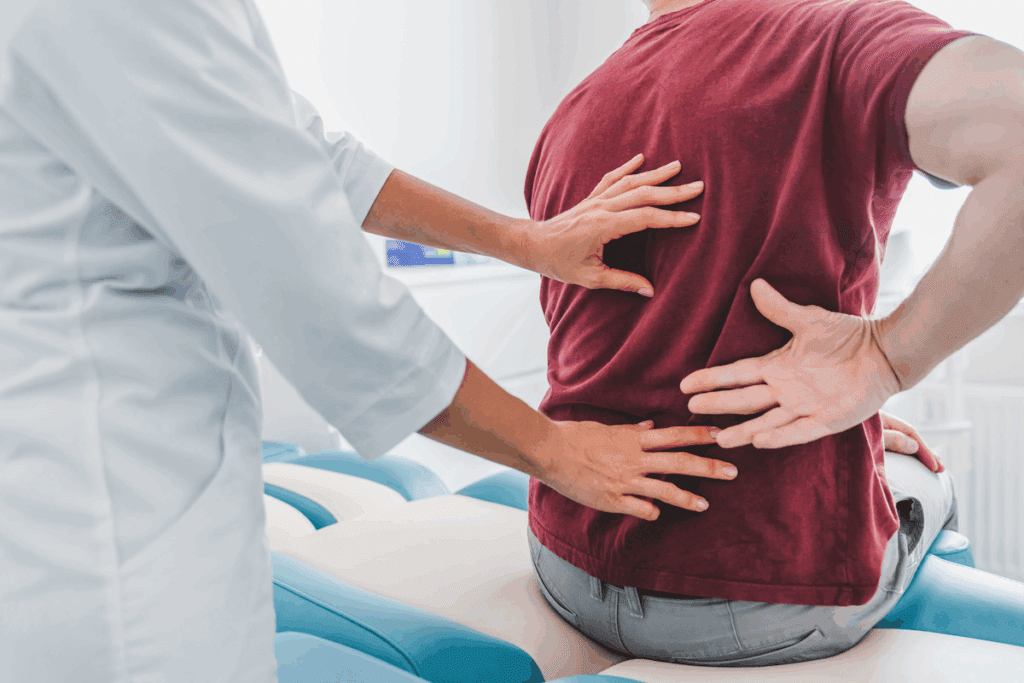
It’s important to know the different types of spinal stenosis to manage and treat it well. Spinal stenosis is when the spinal canal gets narrower. This can press on nerves and cause symptoms.
Lumbar Spinal Stenosis
Lumbar spinal stenosis happens in the lower back. It’s a common type. It can cause pain, numbness, or weakness in the legs, calves, or buttocks.
Symptoms get worse when you walk or stand. But they might feel better when you sit or lean forward.
Cervical Spinal Stenosis
Cervical spinal stenosis affects the neck. It’s serious because it can press on the spinal cord. Symptoms include neck pain, numbness, or weakness in the arms or legs.
In severe cases, it can make walking or balancing hard.
Central Spinal Cord Stenosis
Central spinal cord stenosis narrows the central part of the spinal canal. This can directly affect the spinal cord. It can cause significant symptoms like weakness or paralysis in the arms or legs.
Every type of spinal stenosis has its own challenges. It needs a specific treatment plan. Knowing the differences is essential for effective management.
How Spinal Stenosis Affects the Body
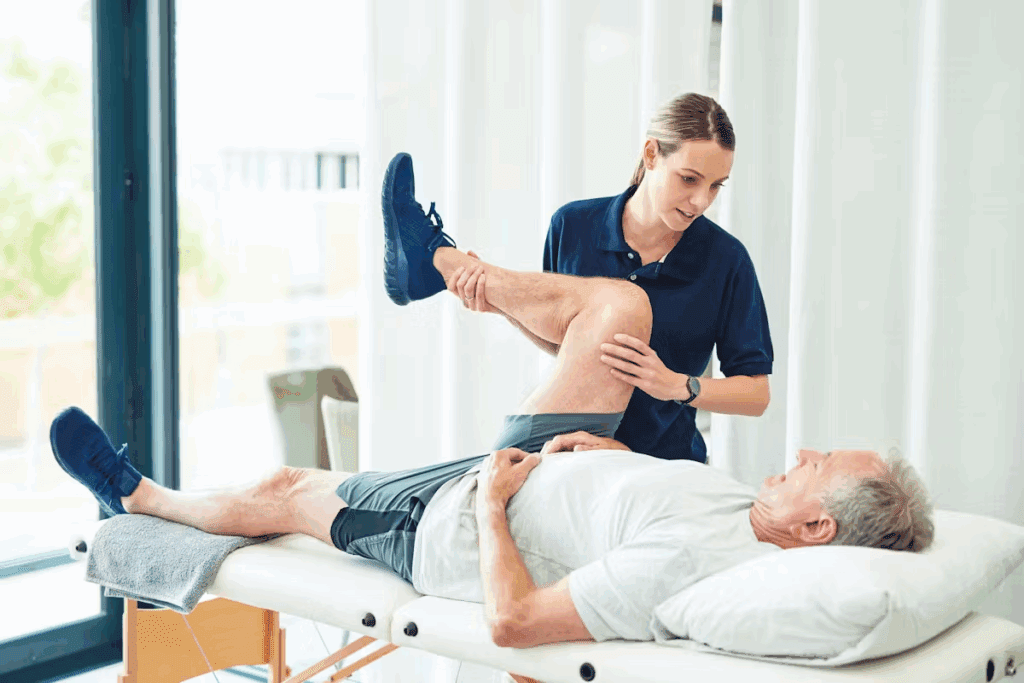
It’s important to know how spinal stenosis impacts the body. This condition narrows the spinal canal. It affects many bodily functions.
Impact on Mobility and Daily Activities
Spinal stenosis greatly affects mobility. As it worsens, it causes pain and discomfort. This makes everyday tasks hard.
Common mobility issues include:
- Difficulty in walking or standing for long periods
- Reduced flexibility and range of motion
- Increased pain during physical activities
How Stenosis Affects the Bowels and Bladder
Spinal stenosis also impacts bowel and bladder functions. Nerve compression can cause:
- Urinary incontinence or retention
- Constipation or difficulty in bowel movements
- Loss of control over bowel or bladder functions in severe cases
It’s essential to address these issues promptly to prevent further complications.
Connection Between Stenosis and Headaches or Dizziness
Spinal stenosis can also cause headaches and dizziness. This happens when nerves are compressed. It affects balance and neurological function.
Symptoms may include:
- Frequent headaches due to nerve compression or tension
- Dizziness or loss of balance
- Numbness or tingling sensations in the extremities
Understanding these connections is key to managing spinal stenosis well.
How Medications Help Manage Spinal Stenosis
Medications are key in managing spinal stenosis. They help reduce pain and improve life quality. Spinal stenosis narrows the spinal canal, causing pain and mobility issues. The right medications can significantly relieve symptoms associated with spinal stenosis, improving overall well-being.
The Role of Medications in Pain Management
Medications are often the first choice for spinal stenosis pain. Pain relief medications can be OTC or prescription, based on pain level. They aim to reduce inflammation and pain, helping with daily activities.
Some patients need a mix of medications for best pain relief. This might include non-steroidal anti-inflammatory drugs (NSAIDs), muscle relaxers, and corticosteroids. Each type targets different parts of the condition, providing full relief.
Treatment Goals for Spinal Stenosis
The main goals for treating spinal stenosis are to reduce pain, improve mobility, and enhance life quality. Medications are chosen to meet these goals, addressing specific symptoms. This helps people stay independent and active.
It’s vital for patients to work with their healthcare provider to find the right treatment. This ensures the medications are effective, safe, and right for the patient’s needs.
Non-Steroidal Anti-Inflammatory Drugs (NSAIDs) for Spinal Stenosis
NSAIDs are a common treatment for spinal stenosis pain. This condition narrows the spinal canal, causing discomfort and limiting daily activities. NSAIDs reduce inflammation, which is key in spinal stenosis pain.
How NSAIDs Work for Stenosis Pain
NSAIDs target the root cause of spinal stenosis pain: inflammation. They block enzymes that cause swelling, easing pressure on spinal nerves. This makes NSAIDs a valuable first-line treatment.
Over-the-Counter NSAID Options
Several OTC NSAIDs help manage spinal stenosis pain. Common ones include:
- Ibuprofen (Advil, Motrin)
- Naproxen (Aleve)
- Aspirin
These medications offer relief for mild to moderate pain. It’s important to follow the recommended dosage to avoid side effects.
Prescription-Strength NSAIDs
For severe symptoms, prescription NSAIDs are needed. These include stronger doses of ibuprofen or naproxen, and other NSAIDs like diclofenac. They provide more pain relief but come with a higher risk of side effects. Always use them under a doctor’s watch.
In summary, NSAIDs are key in managing spinal stenosis pain. Knowing how they work and the options available helps patients make informed treatment choices.
Best Muscle Relaxers for Spinal Stenosis
Muscle relaxers are often used to treat spinal stenosis. They help ease muscle spasms that come with this condition. By relaxing muscles, these drugs can greatly improve life for those with spinal stenosis.
How Muscle Relaxers Alleviate Stenosis Symptoms
Muscle relaxers act on the central nervous system to relax muscles. This is very helpful for spinal stenosis patients. The condition causes muscle spasms and tension due to the spinal canal narrowing and nerve pressure.
Key benefits of muscle relaxers for spinal stenosis include:
- Reduced muscle spasms
- Decreased pain
- Improved mobility
Prescription Muscle Relaxers for Spinal Stenosis
Several prescription muscle relaxers are used for spinal stenosis. These include:
| Medication | Dosage | Common Side Effects |
| Cyclobenzaprine | 5-10 mg, 3 times a day | Drowsiness, dry mouth |
| Carisoprodol | 250-350 mg, 3 times a day | Dizziness, headache |
| Methocarbamol | 500-1000 mg, 3-4 times a day | Nausea, drowsiness |
It’s important to talk to a healthcare provider to find the right medication and dosage. Everyone’s needs are different.
Over-the-Counter Muscle Relaxant Options
Some over-the-counter (OTC) options can also help. These include:
- Magnesium supplements
- Topical creams containing capsaicin or arnica
Always follow the recommended dosage and talk to a healthcare provider before starting any new medication.
Over-the-Counter Pain Relief Options for Back Pain
For those with lower back pain, OTC meds are a quick fix. Back pain can really mess up your day. OTC meds help ease pain and swelling, so you don’t need to see a doctor right away.
Best OTC Medications for Lower Back Pain
Acetaminophen (Tylenol) and NSAIDs like ibuprofen (Advil, Motrin) and naproxen (Aleve) are top choices. Acetaminophen helps with pain. NSAIDs do the same but also cut down on swelling.
Think about why your back hurts to pick the right one. NSAIDs are better for swelling. But if you can’t take them, acetaminophen is a good backup.
Strongest Over-the-Counter Back Pain Medications
High-dose NSAIDs and combo products are the strongest OTC options. Naproxen lasts up to 12 hours. Products with both pain relief and anti-inflammatory help too.
Always stick to the dosage to avoid side effects. Too much NSAIDs can upset your stomach. Too much acetaminophen can harm your liver.
Topical Pain Relief Products
Topical pain relief products offer direct relief. You apply creams, gels, or patches to the sore spot. Menthol, capsaicin, and arnica can ease pain.
They’re great for those who can’t take pills or want to target pain. You can use them alone or with pills for better relief.
Prescription Pain Medications for Severe Stenosis
Prescription pain medications can help those with severe spinal stenosis pain. When pain is too much and stops daily activities, doctors often suggest stronger medicines.
When Stronger Pain Relief Is Needed
When over-the-counter medicines don’t work, prescription drugs are needed. These medicines can greatly improve life for those with severe spinal stenosis. They help patients do daily tasks without pain.
Doctors choose prescription medicines when pain is very bad and stops normal function. These drugs help patients move better and feel less pain.
Strongest Non-Narcotic Pain Relievers
Non-narcotic medicines are often chosen because they work well and are safer. Gabapentin, usually for seizures, is also used for spinal stenosis pain.
“Non-narcotic pain relievers are a key part of managing chronic pain like spinal stenosis. They offer relief without the dangers of narcotics.” –
Other non-narcotic medicines include some antidepressants that help with pain. The right medicine depends on the patient’s condition, medical history, and doctor’s advice.
It’s important for patients to work with their doctors to find the best pain medicine. Regular checks and changes to the treatment plan help manage pain better.
Nerve Pain Medications for Spinal Stenosis
Managing nerve pain from spinal stenosis can be tough, but there are good medicines out there. Spinal stenosis can press on nerves, causing pain that spreads to different parts of the body. To tackle this pain, a mix of treatments might be needed, including medicines for nerve pain.
Gabapentin for Spinal Stenosis
Gabapentin is often given for nerve pain from spinal stenosis. It was first made for epilepsy but now helps with nerve pain too. It changes how nerves talk to your brain.
When thinking about gabapentin for spinal stenosis, knowing its good and bad sides is key. Side effects like dizziness, tiredness, and sleepiness are common. But, many find gabapentin helps more than it hurts.
Medications for Pinched Nerve Pain
Other medicines can also help with pinched nerve pain from spinal stenosis. These include:
- Anticonvulsants: Like gabapentin, other anticonvulsants can manage nerve pain.
- Tricyclic Antidepressants: Though mainly for depression, they can also help with nerve pain.
- Corticosteroids: Not for long-term use, but can give quick relief by reducing swelling.
It’s important to talk to a doctor to find the right medicine and dose for spinal stenosis.
| Medication | Primary Use | Common Side Effects |
| Gabapentin | Neuropathic pain, epilepsy | Dizziness, fatigue, drowsiness |
| Tricyclic Antidepressants | Depression, neuropathic pain | Dry mouth, constipation, drowsiness |
| Corticosteroids | Inflammation reduction | Weight gain, mood changes, insomnia |
Knowing the options for nerve pain from spinal stenosis is key to a good treatment plan. With the help of doctors, patients can find the best medicine or mix of treatments to ease their pain.
Corticosteroids and Anti-Inflammatory Injections
Corticosteroid injections are a common way to ease spinal stenosis symptoms. They are great for cutting down inflammation and easing pain caused by spinal stenosis.
Epidural Steroid Injections
Epidural steroid injections (ESIs) are a type of corticosteroid injection for spinal stenosis. They put steroids around the spinal cord. This can lessen swelling and pressure on the nerves.
Benefits of Epidural Steroid Injections:
- Significant pain relief for many patients
- Reduced inflammation around the spinal nerves
- Minimally invasive procedure
Benefits and Limitations of Steroid Treatments
Corticosteroid injections, like epidural steroid injections, can offer a lot of relief. But, they have their downsides. Knowing both sides is key to managing what to expect.
| Benefits | Limitations |
| Effective pain relief | Temporary solution, may require repeated injections |
| Reduced inflammation | Potential side effects, such as weight gain or mood changes |
| Minimally invasive | Limited number of injections recommended per year |
A medical expert says, “Corticosteroid injections can be a big help for spinal stenosis patients, giving them a lot of pain relief. But, it’s important to think about the good and bad sides.”
“The use of corticosteroids in spinal stenosis treatment represents a valuable therapeutic option, providing relief when other treatments fail.”
Medical Expert
Combination Therapy Approaches for Spinal Stenosis
Spinal stenosis is complex and often needs a mix of treatments. This way, doctors can create plans that fit each patient’s needs. They use different methods to get the best results.
Painkiller and Muscle Relaxant Combinations
Using both painkillers and muscle relaxants is a common method. Painkillers cut down on pain. Muscle relaxants help with muscle spasms and tightness.
- Over-the-counter pain relievers like acetaminophen can be used alongside muscle relaxants.
- Prescription pain medications may be combined with muscle relaxants for more severe cases.
- It’s essential to follow a healthcare provider’s guidance when combining these medications.
Multi-Modal Pain Management Strategies
Multi-modal pain management uses different treatments for spinal stenosis. This can include:
- Medications: pain relievers, muscle relaxants, and anti-inflammatory drugs.
- Physical therapy: exercises to improve flexibility and strength.
- Alternative therapies: such as acupuncture or chiropractic care.
By mixing these strategies, patients can manage their symptoms better. They also enjoy a better quality of life.
Working closely with a healthcare provider is key. They help create a treatment plan that fits each person’s needs.
Physical Approaches to Spinal Stenosis Relief
Spinal stenosis relief comes from specific exercises and physical therapy. These methods help ease symptoms, boost mobility, and improve life quality for those with spinal stenosis.
The Three Best Exercises for Spinal Stenosis
Exercises are key in managing spinal stenosis. Here are three exercises that help a lot:
- Flexion Exercises: These stretch the spine and boost flexibility. Try knee-to-chest stretches and pelvic tilts.
- Core Strengthening Exercises: Strengthening the core muscles supports the spine and lessens pain. Planks and bridges are great for this.
- Aerobic Exercises: Low-impact activities like walking or swimming are good for the heart without making stenosis worse.
Physical Therapy Techniques for Stenosis
Physical therapy is vital for managing spinal stenosis. It includes:
- Manual Therapy: Hands-on methods like massage and joint mobilization reduce pain and enhance mobility.
- Modalities: Therapists use heat, cold, or electrical stimulation to ease pain and swelling.
- Exercise Programs: Customized exercise plans improve strength, flexibility, and posture, helping manage stenosis symptoms.
Adding these physical methods to treatment plans can greatly help those with spinal stenosis. It leads to significant relief and better life quality.
Natural and Alternative Remedies for Spinal Stenosis
There are natural ways to help with spinal stenosis pain. Many people use these methods to feel better.
Herbal Anti-Inflammatories and Supplements
Some herbs and supplements can help with spinal stenosis. They can lessen pain and swelling, making life better.
- Turmeric/Curcumin: It has anti-inflammatory properties that can reduce pain and swelling.
- Ginger: Gingerols in ginger may help lessen pain.
- Omega-3 Fatty Acids: These fats are anti-inflammatory and found in fish oil.
- Glucosamine and Chondroitin: These supplements may help with pain and joint health.
Spinal Stenosis Treatment Natural Remedies
There are more natural ways to ease spinal stenosis symptoms. These include:
- Acupuncture: It uses needles to help with pain.
- Physical Therapy: It’s not natural, but it can help a lot with pain and movement.
- Yoga and Stretching Exercises: They can make you more flexible and less stiff.
- Heat and Cold Therapy: Heat or cold packs can help with pain and swelling.
Always talk to a doctor before trying new supplements or therapies. They need to make sure they’re right for you.
When to Consider Surgical Interventions
When treatments like medication don’t work for spinal stenosis, surgery might be needed. This condition can cause a lot of pain and weakness. It affects the back, legs, and arms. For some, surgery is the only way to feel better.
Indications That Medication Is Not Sufficient
Some signs show that medicine alone can’t help with spinal stenosis. These include:
- Severe or getting worse weakness or numbness in the limbs.
- Pain that makes it hard to do daily tasks and can’t be controlled with medicine.
- Cauda equina syndrome, which causes numbness, weakness, or paralysis in the legs, and sometimes affects bowel or bladder function.
If you have these symptoms, seeing a surgeon is usually a good idea. They can figure out the best treatment.
Types of Surgical Procedures for Spinal Stenosis
There are many surgeries for spinal stenosis, each with its own benefits. The most common ones are:
- Laminectomy: This involves removing part or all of the lamina to relieve pressure on the spinal cord or nerves.
- Spinal Fusion: This surgery fuses two or more vertebrae together to stabilize the spine and reduce pain.
- Microdiscectomy: A small, less invasive surgery to remove a herniated disc that’s pressing on a nerve.
- Interspinous Process Decompression: This involves putting a device between the spinous processes to distract the vertebrae and relieve nerve pressure.
The right surgery depends on how bad the stenosis is, where it is, and the patient’s health and wishes.
Creating an Effective Treatment Plan with Your Doctor
To manage spinal stenosis well, you need to work closely with your doctor. Together, you can create a treatment plan that fits your needs and medical history. This approach makes sure the plan is right for you.
Questions to Ask Your Healthcare Provider
When making your treatment plan, it’s important to ask the right questions. This helps you understand your condition and the treatment options. Here are some key questions to ask:
- What are the underlying causes of my spinal stenosis?
- What treatment options are available, and which ones are most suitable for my condition?
- What are the benefits and risks of each treatment option?
- How will my treatment plan be monitored and adjusted over time?
These questions will help you understand your treatment plan better. This way, you can make informed decisions about your care.
Monitoring Treatment Effectiveness
After your treatment plan is set, it’s important to check how well it’s working. You should track your symptoms, pain levels, and overall quality of life. Keeping a symptom journal can help you see any changes or concerns.
| Monitoring Criteria | Description | Frequency |
| Pain Levels | Track pain intensity using a pain scale | Daily |
| Symptom Severity | Record the frequency and severity of symptoms | Weekly |
| Quality of Life | Assess daily activities and overall well-being | Monthly |
By working closely with your healthcare provider and monitoring your treatment, you can get better results. This will help improve your quality of life.
Conclusion: Finding the Right Medication Approach for Your Stenosis
Spinal stenosis is a complex condition that needs a personalized treatment plan. The right medication can greatly help ease symptoms and improve life quality. Understanding the different types of spinal stenosis helps individuals work with their healthcare providers to find the best treatment.
Medications like NSAIDs, muscle relaxers, and nerve pain medications can help manage symptoms. The best treatment often combines these, tailored to the individual’s needs. Corticosteroids and anti-inflammatory injections might also be considered in some cases.
Finding the right medication for spinal stenosis treatment is a team effort. Working together, individuals and their healthcare providers can adjust treatments as needed. This way, people can find the best relief from symptoms and stay independent.
FAQ
What is spinal stenosis?
Spinal stenosis is a condition where the spinal canal narrows. This can put pressure on the spinal cord and nerves. It leads to pain, numbness, and weakness.
What are the symptoms of spinal stenosis?
Symptoms include back pain, leg pain, and numbness or tingling in the legs. You might also feel weakness in your legs. Standing or walking can become hard.
What is the best muscle relaxer for spinal stenosis?
The best muscle relaxer depends on your needs. Cyclobenzaprine and tizanidine are common choices. They help with muscle spasms and pain.
Can over-the-counter medications help with spinal stenosis pain?
Yes, over-the-counter NSAIDs like ibuprofen and naproxen can help. Topical pain relief creams and ointments also offer relief.
What is gabapentin used for in spinal stenosis?
Gabapentin is used to manage nerve pain from spinal stenosis. It helps with numbness, tingling, and pain in the legs.
Are there any natural remedies for spinal stenosis?
Yes, herbal anti-inflammatories like turmeric and ginger might help. Omega-3 fatty acids are also used. But their effectiveness varies.
When should surgical interventions be considered for spinal stenosis?
Surgery is considered when other treatments don’t work. This includes medications and physical therapy. It’s also needed for significant nerve damage or loss of bladder or bowel control.
How can I create an effective treatment plan with my doctor?
Work closely with your doctor to create a treatment plan. Ask questions and monitor how well it works. Adjust the plan as needed.
Can spinal stenosis cause headaches and dizziness?
Yes, it can cause headaches and dizziness. This is more common if it affects the cervical spine or puts pressure on the spinal cord.
What are the three best exercises for spinal stenosis?
The best exercises vary by individual. But gentle stretching, strengthening, and aerobic activities like walking or swimming are often recommended.
Can spinal stenosis affect bowel and bladder function?
Yes, it can affect bowel and bladder function. This is more likely if it puts pressure on the spinal cord or nerves controlling these functions.
What is the difference between lumbar and cervical spinal stenosis?
Lumbar stenosis affects the lower back. Cervical stenosis affects the neck. Both can cause pain, numbness, and weakness, but symptoms vary by location and severity.
Are there any non-narcotic pain relievers for spinal stenosis?
Yes, non-narcotic pain relievers like NSAIDs, gabapentin, and other medications can help. They manage pain without the risk of opioid addiction.
Can physical therapy help with spinal stenosis?
Yes, physical therapy can help. It improves flexibility, strength, and range of motion. It also teaches proper body mechanics and posture.
Reference:
- Kehlet, H., et al. (2019). An algorithmic approach to treating lumbar spinal stenosis. PMCID: PMC7101167. https://pmc.ncbi.nlm.nih.gov/articles/PMC7101167