Last Updated on November 26, 2025 by Bilal Hasdemir
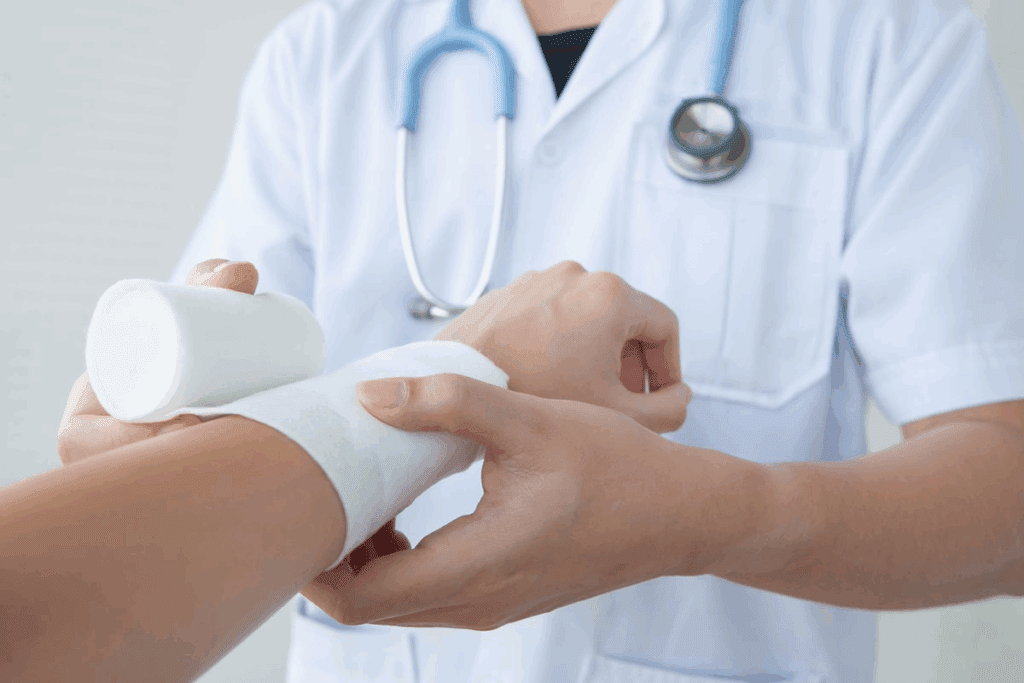
Choosing the right ointment is key to the healing of surgical wounds. We know how important wound care is in getting better. Stories from patients like Maya and Maria Menounos show this.
At Liv Hospital, we offer a trusted guide to the top 7 ointments for wounds. These are made to help you heal well and feel comfortable. The right ointment can really make a difference in your recovery.
Key Takeaways
- Selecting the right ointment is key to surgical wound healing.
- Topical creams and ointments are very important in the recovery process.
- Liv Hospital’s guide gives expert advice for the best wound care.
- Patients like Maya and Maria Menounos show how important good wound care is.
- Our guide aims to help patients on their recovery path.
The Science of Surgical Wound Healing
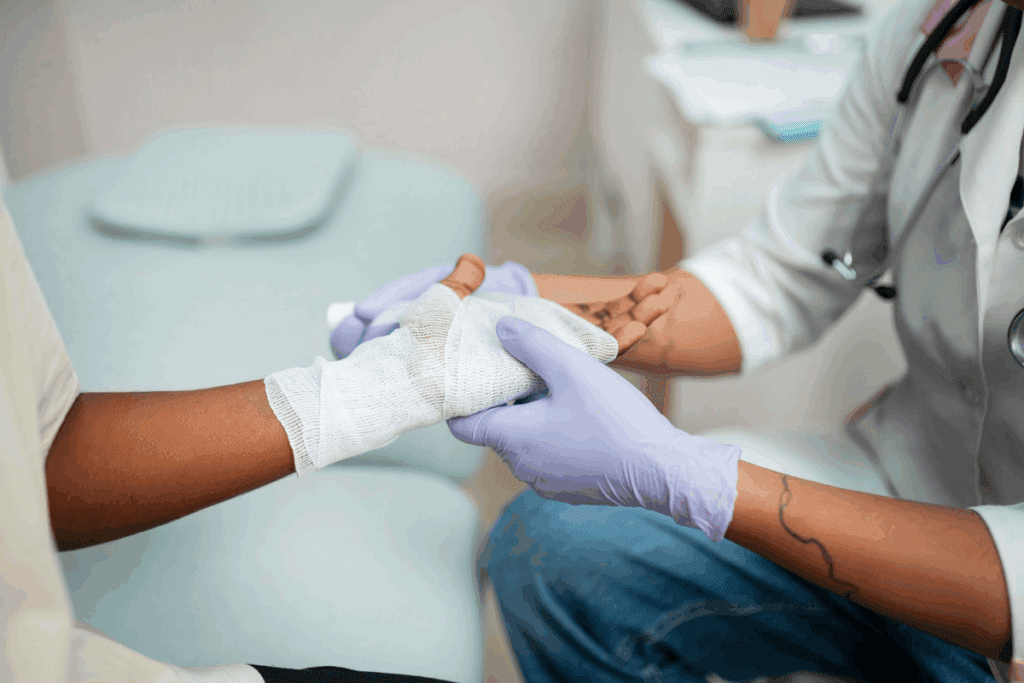
Surgical wound healing is a complex process with many stages. It needs proper care for the best recovery. Let’s dive into the details to understand how to help wounds heal well.
Stages of Wound Healing
The healing of surgical wounds goes through stages: hemostasis, inflammation, proliferation, and remodeling. Knowing these stages is key to giving the best care.
- Hemostasis: The first stage, where bleeding stops.
- Inflammation: The body’s injury response, marked by redness, swelling, and warmth.
- Proliferation: New tissue forms, and the wound starts to close.
- Remodeling: The last stage, where new tissue is reorganized to match the original tissue.
Why Proper Wound Care Is Critical
Proper wound care is vital for preventing infection, promoting healing, and reducing scarring. Moist wound healing ointments are key in this process. They keep the wound moist, speeding up cell regeneration and lowering scab risk.
| Stage | Description | Care Tips |
| Hemostasis | Bleeding stops | Apply gentle pressure |
| Inflammation | The body’s response to injury | Keep the wound clean |
| Proliferation | New tissue forms | Use a moist wound healing ointment |
| Remodeling | Tissue reorganization | Protect the wound |
Procedures like the Fontan Procedure for children with a single functioning heart ventricle show the complexity of surgical wound healing. Modern moist wound healing ointments aim to keep the wound moist. This helps in faster cell regeneration and less scarring.
How to Choose the Best Ointment for Surgical Wound Healing
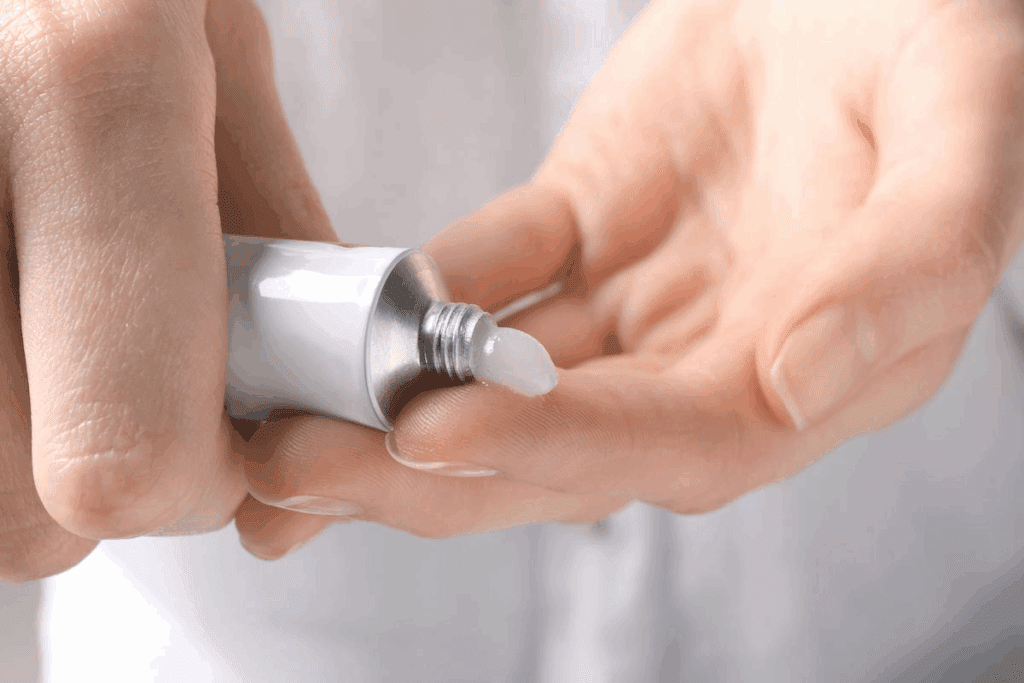
Choosing the right ointment is key to wound healing. Maria Menounos showed us the importance of being proactive in health. The right ointment can make a big difference in recovery.
Matching Ointments to Wound Types
Different wounds need different care. Dry wounds need moisture, while infected ones need antibacterial ointments. Knowing your wound type is the first step.
- Dry wounds do well with moisturizers like Aquaphor or petroleum jelly.
- Infected wounds need antibacterial ointments, like Neosporin or Polysporin.
- Wounds at risk for scarring might benefit from silicone or aloe vera ointments.
Beneficial Ingredients to Look For
Some ingredients help wounds heal better. Look for:
- Antibacterial agents like neomycin and bacitracin are used to prevent infection.
- Moisturizing ingredients like petroleum jelly and dimethicone to keep wounds moist.
- Anti-inflammatory agents,, as aloe vera, to reduce swelling and aid healing.
Ingredients That May Hinder Healing
Some ingredients can slow healing or cause problems. Be careful of these when picking an ointment.
| Ingredient | Potential Issue |
| Certain fragrances | Can cause skin irritation |
| Harsh chemicals | May damage tissue or cause allergic reactions |
| Some dyes | Can lead to skin discoloration or allergic reactions |
By thinking about your wound and the ointment’s ingredients, you can make better choices. This can help your wound heal faster.
The Importance of Moist Wound Healing
Moist wound healing is key to treating surgical wounds well. It keeps the wound moist, which helps it heal faster. This method also reduces scarring.
Cell Regeneration and Moisture
Moisture is essential for wound healing. It helps cells grow back faster. This makes wounds heal quickly.
For example, Taylor Selfridge’s daughter Maya had open-heart surgery. Using moist wound healing, Maya healed much faster. This shows how effective it can be.
Minimizing Scarring through Moist Healing
Moist wound healing also helps avoid scarring. It keeps the wound moist, preventing scabbing. This leads to smoother healing and less scarring.
| Benefits | Moist Wound Healing | Dry Wound Healing |
| Cell Regeneration Rate | Faster | Slower |
| Scab Formation | Reduced | Increased |
| Scarring | Less Noticeable | More Pronounced |
In summary, keeping wounds moist is vital for healing. Using a moist wound healing ointment or open wound cream can greatly improve healing. Moist wound healing speeds up healing and reduces scarring, making it a must for post-surgery care.
Aquaphor Healing Ointment
Looking for a healing ointment for open wounds? Aquaphor is a great choice. It’s known for helping wounds heal.
Aquaphor creates a protective layer on your skin. This keeps moisture in, helping wounds heal faster. Studies show it improves wound healing.
People love Aquaphor for its gentle, non-irritating formula. It’s also fragrance-free, which is good for sensitive skin.
Aquaphor helps wounds heal by keeping them moist. This speeds up cell growth and reduces scarring. It’s a top pick for wound care.
Petroleum Jelly (Vaseline)
Vaseline, or petroleum jelly, is a key item in many first-aid kits. It’s known for its ability to heal wounds. As a ointment for sores, it creates a barrier on the skin’s surface. This barrier keeps moisture in and keeps dirt and bacteria out.
Using petroleum jelly helps wounds heal faster. It keeps the wound moist, which is important for healing. This moisture helps cells grow back and reduces scarring.
When comparing petroleum jelly to other ointments like Aquaphor, we see some similarities. Both create a protective barrier on the skin. But petroleum jelly is more occlusive, locking in moisture better. Some people find it less comfortable because of its thick, greasy texture.
Applying petroleum jelly is easy. Just put a thin layer on the wound and cover with a bandage if needed. It’s good for treating wounds but doesn’t have antibacterial properties. This makes it less suitable for wounds at risk of infection.
Petroleum jelly is a popular choice for wound care. It protects the skin and promotes moist healing. But it’s important to consider its limitations compared to other options.
Neosporin Antibiotic Ointment
Neosporin Antibiotic Ointment is a top choice for treating open wounds. It’s made to stop infections in minor cuts, scrapes, and burns. This makes it a key item in many first-aid kits.
Key Ingredients and Their Roles
Neosporin has three strong antibiotics: neomycin, polymyxin B, and bacitracin zinc. These work together to fight many types of bacteria that can infect wounds. Neomycin and polymyxin B target gram-negative bacteria well. Bacitracin zinc is great against gram-positive bacteria.
The mix of antibiotics in Neosporin makes it a top pick for open wound ointment. Using Neosporin on a wound can greatly lower infection risk. This helps wounds heal faster and smoothly.
In summary, Neosporin Antibiotic Ointment is a reliable way to prevent infections in open wounds. Its mix of three antibiotics offers wide protection. It’s a must-have for wound care.
Polysporin Antibiotic Ointment
Looking for a good ointment for healing wounds? Polysporin is worth considering. It helps prevent infection and aids in wound healing.
Polysporin Antibiotic Ointment has two main antibiotics: bacitracin and polymyxin B. Bacitracin stops bacteria from making their cell walls. Polymyxin B breaks down the bacterial cell membrane. Together, they fight off many types of bacteria.
When comparing Polysporin to Neosporin, it’s key to look at the ingredients. Neosporin has neomycin, which can irritate the skin. But Polysporin doesn’t have this, making it safer for sensitive skin.
- Effective against a broad spectrum of bacteria
- Less likely to cause skin irritation compared to some other antibiotic ointments
- Promotes a moist environment conducive to wound healing
In summary, Polysporin Antibiotic Ointment is a solid choice for wound healing ointment. It’s strong against infection and gentle on the skin. It’s good for many types of wounds.
Bacitracin Zinc Ointment
Bacitracin Zinc Ointment is a common topical antibiotic. It’s key in stopping infections in surgical wounds. We suggest using it as part of a full wound care plan.
This ointment works well because it stops bacteria from growing. When patients use it, they lower the chance of getting an infection. This helps the wound heal faster.
Key Benefits of Bacitracin Zinc Ointment:
- Effective against a broad spectrum of bacteria
- Easy to apply
- Promotes a clean environment for wound healing
To show how good Bacitracin Zinc Ointment is, let’s compare it with other ointments.
| Ointment | Antibiotic Properties | Application Frequency |
| Bacitracin Zinc | Yes | 1-3 times daily |
| Neosporin | Yes | 1-3 times daily |
| Polysporin | Yes | 1-3 times daily |
The table shows Bacitracin Zinc Ointment is as good as others in how often to use it. But, its special mix makes it a top pick for some.
Medihoney Wound and Burn Dressing
Medihoney Wound and Burn Dressing is great for chronic or complex wounds. It’s a wound care cream known for its healing power. It works well on different types of wounds.
Medihoney is special because it’s made from medical-grade honey. This honey is sterilized for safety. It fights bacteria, helping wounds heal better.
- Creates a moist environment for healing
- Has antibacterial properties to prevent infection
- It is gentle on the wound, reducing pain
- Helps remove dead tissue, speeding up healing
Medihoney is great for long-term wounds like diabetic foot ulcers and venous leg ulcers. Here’s how to use it:
- Clean the wound well before applying
- Put a layer of Medihoney on the wound
- Use a dressing to keep the Medihoney in place
By following these steps, healthcare teams and patients can help wounds heal better. Medihoney Wound and Burn Dressing is a key part of this process.
Aloe Vera-Based Healing Creams
We look into how aloe vera creams help with skin regeneration and healing wounds. Aloe vera is known for its healing powers. It’s now used in creams for wound care because it soothes naturally.
Aloe vera creams have many benefits. They have anti-inflammatory and antimicrobial properties. These help prevent infections and create a good healing environment. A study found that aloe vera gel boosts wound healing by increasing collagen and improving tissue strength.
“Aloe vera’s bioactive compounds play a significant role in accelerating the wound healing process.”
Using aloe vera creams is easy. You can apply them directly to the wound or as a dressing. They keep the wound moist, which is key for healing. Moist environments help wounds heal faster and prevent scarring.
The benefits of aloe vera creams include:
- Promoting skin regeneration
- Reducing inflammation
- Preventing infection
- Enhancing collagen synthesis
In summary, aloe vera creams are great for wound care. Their natural benefits make them a soothing and effective way to heal wounds and regenerate skin.
Expert Tips for Optimal Surgical Wound Care
To get the best recovery, following expert advice on wound care is key. Proper care lowers the risk of problems and speeds up healing.
Proper Application Techniques
Using the right ointment correctly is essential for healing. Use a clean cotton swab or gloved hand to apply a thin layer. This prevents infection and keeps the wound moist for healing.
Before applying the ointment, clean the wound area. Use saline solution or water to remove dirt and bacteria. Then, cover the wound with a sterile dressing to protect it.
When to Change Dressings
Changing dressings often is key to wound hygiene and healing. Change the dressing at least once a day or when it gets wet or dirty. This lowers infection risk and keeps the wound moist.
When you change the dressing, check for signs of trouble. Look for increased redness, swelling, or discharge. If you see these, get medical help right away.
Warning Signs of Infection
Knowing the signs of infection is vital for quick action. Look out for increased pain, redness, swelling, warmth, and pus or discharge. If you notice these, get medical help fast.
Other signs include a foul smell, fever, or feeling unwell. Watching your wound closely and telling your doctor about any issues can prevent serious problems.
By following these tips on application, dressing changes, and infection signs, you can greatly improve your wound care. This will help your wound heal better.
Conclusion
Choosing the right ointment for wound healing is key to a smooth recovery. We’ve looked at ointments like Aquaphor Healing Ointment, Petroleum Jelly, Neosporin Antibiotic Ointment, and Medihoney Wound and Burn Dressing. Each has its own benefits for healing surgical wounds.
Good wound care and the right ointment can greatly help the healing process. We talked about keeping the wound moist, avoiding scabs, and watching for signs of infection. Following these tips can help with tissue repair and reduce scarring.
The best ointment depends on the wound’s type and its needs. Knowing about wound healing stages and what ingredients are good can help make better choices. We suggest talking to healthcare experts to find the best treatment for surgical wounds.
FAQ
What is the best ointment for surgical wound healing?
The best ointment for surgical wounds varies by wound type and severity. Look for ointments that keep the wound moist, like Aquaphor. For infection prevention, Neosporin or Polysporin are good choices.
How does moist wound healing promote faster recovery?
Moist wound healing speeds up recovery by helping cells grow back faster. It also prevents scabs, which can lead to scars. Many patients have seen great results with this method after surgery.
Can I use petroleum jelly (Vaseline) on my surgical wound?
Yes, petroleum jelly can be used on surgical wounds. It keeps the wound moist and protects, but it doesn’t have the healing benefits of other ointments. Its effectiveness depends on the wound type.
What are the benefits of using antibiotic ointments on surgical wounds?
Antibiotic ointments, like Neosporin and Polysporin, fight bacteria in surgical wounds. This is key to a healthy healing process.
How often should I change the dressing on my surgical wound?
Changing dressing frequency varies by wound type and the doctor’s instructions. Generally, change dressings when they get wet or dirty, or as your doctor says.
What are the signs of infection in a surgical wound?
Infection signs include redness, swelling, warmth, or pus around the wound. Also, fever or a bad smell. If you see these, contact your doctor right away.
Can aloe vera-based healing creams be used on open wounds?
Aloe vera creams can help skin regeneration and soothe wounds. But use them carefully on open wounds. Always check with a healthcare provider before applying.
What is Medihoney Wound and Burn Dressing used for?
Medihoney Dressing is for chronic or complex wounds. It has antibacterial properties to help wounds heal clean.
How do I choose the right ointment for my wound type?
Choose an ointment based on your wound’s type and severity. Consider if you need to prevent infection or promote moist healing. Talking to a healthcare provider can help find the best option for you.
Reference:
Dagan, S. S., Goldenshluger, A., Globus, I., Schweiger, C., Kessler, Y., Sandbank, G., & Goitein, D. (2017). Nutritional recommendations for adult bariatric surgery patients: Clinical practice. Frontiers in Endocrinology. https://pmc.ncbi.nlm.nih.gov/articles/PMC5347111/