Last Updated on December 1, 2025 by Bilal Hasdemir
Did you know some fruits can help grow stem cells? This could make you healthier and feel better. There’s a lot of research now on stem cell food supplements, and it’s showing great things.
Fruits like apples, berries, and citrus are rich in nutrients and bioactive compounds. They have nutrients and compounds that help stem cell health. For example, apple stem cells are good for your skin. Other fruits might help you feel better overall.
More and more people want natural ways to stay healthy. Learning how to increase stem cells through what we eat is key.
Key Takeaways
- Certain fruits can support stem cell regeneration.
- Apple stem cells have been linked to improved skin health.
- A diet rich in fruits can promote overall well-being.
- Stem cell food supplements are gaining popularity.
- Nutrients and bioactive compounds in fruits support stem cell health.
The Power of Stem Cells in Human Health
Stem cells are special cells that can turn into different types of cells. They help fix and grow tissues in our body. This keeps us healthy and balanced.
What Are Stem Cells and How Are They Formed
Stem cells can grow and change into many cell types. They form through complex processes involving genes and signals.
Both inside and outside factors affect how stem cells are made. Knowing this helps us understand their importance in our health.
The Role of Stem Cells in Tissue Repair and Regeneration
Stem cells help fix and grow tissues by turning into new cells. This is key for keeping tissues working well and our health good.
Stem cell regeneration is a detailed process. It needs many cells and signals working together. It’s vital for fixing damaged tissues and keeping organs working.
Why Natural Stem Cell Activation Matters
It’s important to activate stem cells naturally through lifestyle and nutrition. Diet, exercise, and managing stress help a lot with natural stem cell support.
Understanding stem cell health and how to naturally support it is key. It helps us stay well and may lower disease risks.
How Diet Influences Stem Cell Production
What we eat affects our stem cells’ health and function. The food we choose gives stem cells the tools they need to grow and stay healthy.
Nutritional Pathways That Activate Stem Cells
Some nutrients are key in turning on stem cells. For example, vitamins C and D help stem cells work well. Vitamin C helps make collagen, which fixes tissues. Vitamin D helps stem cells grow more.
Omega-3 fatty acids keep cell membranes healthy. Zinc and magnesium are important for many cell processes.
Bioactive Compounds That Support Stem Cell Function
Food compounds called bioactives boost stem cell health. Polyphenols, found in berries and green tea, activate stem cells. They help these cells turn into different types of cells.
Eating foods full of these compounds helps keep stem cells healthy. Adding these foods to your diet is a good way to support your stem cells.
The Connection Between Antioxidants and Stem Cell Health
Antioxidants protect stem cells from damage. They fight off oxidative stress, which can harm DNA and cell function. Eating foods with lots of antioxidants helps keep stem cells safe.
Fruits and vegetables are full of antioxidants. They help reduce damage and create a healthy environment for cells.
Berries: The Stem Cell Regeneration Champions
Berries are full of nutrients and antioxidants. They help our bodies regenerate stem cells. These fruits add flavor to our meals and boost our health.
Blueberries and Their Effect on Neural Stem Cells
Blueberries are known for their antioxidants, like anthocyanins. These help neural stem cells work better. They reduce stress and inflammation, making it easier for stem cells to regenerate.
Key Benefits of Blueberries for Neural Stem Cells:
- Enhanced cognitive function
- Reduced oxidative stress
- Support for neural tissue regeneration
Strawberries and Cardiovascular Stem Cell Support
Strawberries are great for heart health. They have vitamin C and ellagic acid. These help the heart and support tissue regeneration.
The Role of Strawberries in Cardiovascular Health:
- Supports heart health through vitamin C and ellagic acid
- Aids in the regeneration of cardiovascular tissues
- Maintains stem cell health for tissue repair
Blackberries, Raspberries, and Their Regenerative Properties
Blackberries and raspberries are also good for us. They have antioxidants and bioactive compounds. These berries can improve health and lower disease risk.
Regenerative Benefits of Blackberries and Raspberries:
- Rich in antioxidants
- Supports overall health and well-being
- May reduce the risk of chronic diseases
Citrus Fruits and Their Stem Cell-Activating Compounds
Citrus fruits are packed with vitamin C and other good stuff. They’ve been a big part of diets for centuries. Now, research shows they might help with stem cell health, too.
Oranges, Lemons, and Stem Cell Mobilization
Oranges and lemons are favorites worldwide. They’re full of flavonoids, which are antioxidants. These compounds can help get stem cells moving to where they’re needed.
Oranges and lemons have special flavonoids like hesperidin and eriocitrin. They might make stem cells work better. This could help fix and grow tissues.
Grapefruit and Its Unique Stem Cell Benefits
Grapefruit is getting attention for its stem cell benefits. It has flavonoids like naringenin, which are good for antioxidants and fighting inflammation. These might help stem cells do their job better.
Studies on grapefruit and stem cells are just starting. But early results look promising. Eating grapefruit might help your body fix and grow itself.
The Science Behind Citrus Flavonoids and Stem Cells
The science on citrus flavonoids and stem cells is complex. Flavonoids affect stem cells in many ways. They might help stem cells move, grow, and change into different types.
More research is needed to understand citrus flavonoids and stem cells. But what we know so far is promising. Citrus fruits might be key to keeping stem cells healthy and our bodies in top shape.
Apple Stem Cells: Science-Backed Regenerative Benefits
Recent studies have shown that apple stem cells have unique properties. They play a key role in tissue regeneration. Apple stem cells, like those from the Swiss apple, have remarkable regenerative abilities that support human health.
Unique Properties of Swiss Apple Stem Cells
Swiss apple stem cells are known for their ability to promote longevity and vitality in plants. Research shows these properties can also benefit human health. They support tissue regeneration and may improve overall well-being.
Key benefits of Swiss apple stem cells include:
- Enhanced cellular regeneration
- Improved tissue repair
- Antioxidant properties that protect cells from damage
How Apple Polyphenols Support Human Stem Cell Function
Apple polyphenols are vital for human stem cell function. These compounds help activate and mobilize stem cells. Stem cells are essential for tissue repair and regeneration.
“The antioxidant and anti-inflammatory effects of apple polyphenols contribute significantly to creating a favorable environment for stem cell function.”
Research on Apple Extract and Tissue Regeneration
Studies have shown that apple extracts can stimulate tissue regeneration. The bioactive compounds in apples, like polyphenols, support stem cell health. They help regenerate damaged tissues.
As research continues, it’s clear that apple stem cells and extracts offer significant health benefits. Adding these natural compounds to your diet or supplements could greatly improve your health.
Exotic Fruits With Powerful Stem Cell Regeneration Properties
Exotic fruits are becoming key players in boosting stem cell regeneration. They are full of special compounds that taste great and offer health benefits. Let’s dive into some of these fruits and how they can help with stem cell health.
Pomegranate and Stem Cell Activation
Pomegranate is famous for its antioxidants, which protect stem cells from damage. The ellagic acid and punicalagins in pomegranates also fight inflammation, helping stem cells work better. Studies show that pomegranate juice can boost stem cell activity and heart health.
- Pomegranate juice increases nitric oxide, which is good for blood vessels.
- Its antioxidants reduce stress on stem cells, keeping them healthy.
Dragon Fruit and Its Regenerative Compounds
Dragon fruit is known for its bright color and nutritional value. It’s full of vitamin C and flavonoids, which boost stem cell function. Its antioxidants protect stem cells, helping them regenerate and stay healthy.
- Dragon fruit’s vitamin C boosts the immune system and helps repair tissues.
- Its flavonoids have regenerative effects that are good for stem cells.
Papaya, Kiwi, and Other Tropical Fruits for Stem Cell Health
Papaya and kiwi are not just tasty; they’re also full of nutrients for stem cell health. Papaya has vitamin C and papain, which aid digestion and fight inflammation. Kiwi is loaded with antioxidants and vitamins that keep stem cells healthy.
- Papaya’s vitamin C and papain support the immune system and tissue repair.
- Kiwi’s antioxidants protect stem cells from damage.
Dark Chocolate and Cacao: Surprising Stem Cell Boosters
Dark chocolate and cacao are packed with cocoa flavonoids. These compounds help support stem cell health. They aid in the production and regeneration of stem cells.
How Cocoa Flavonoids Influence Stem Cell Production
Cocoa flavonoids in dark chocolate and cacao boost stem cell production. They help stem cells grow and develop. This leads to better tissue repair and regeneration.
The antioxidant properties of cocoa flavonoids protect stem cells. This keeps them working well. It’s key for maintaining stem cell health and function.
The Optimal Amount of Cacao for Stem Cell Benefits
To get the most stem cell benefits from cacao, the right amount is key. Eating cacao products high in flavonoids is best. Aim for dark chocolate with at least 70% cocoa solids.
- Consume dark chocolate with at least 70% cocoa solids.
- Be mindful of the overall diet and ensure it’s balanced.
- Consider consulting with a healthcare professional for personalized advice.
Scientific Research on Chocolate and Stem Cell Activation
Studies have looked into dark chocolate and cacao’s effects on stem cells. They found that cocoa flavonoids improve stem cell function and regeneration. For example, a study showed cocoa flavonoids boost heart health by improving stem cell function.
More research is needed to fully grasp how cocoa flavonoids affect stem cells. But the current findings suggest dark chocolate and cacao are good for stem cell regeneration.
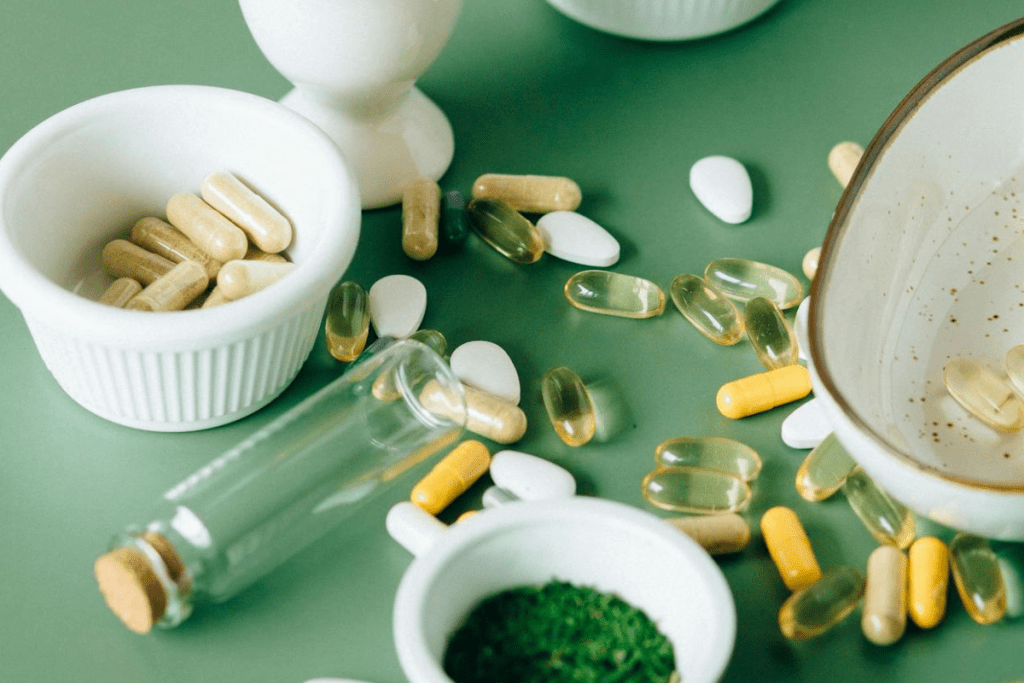
Stem Cell Food Supplements: A Guide
More people are interested in stem cell health and using supplements to help their bodies heal. Stem cell food supplements are popular for boosting health and wellness by supporting stem cells.
Types of Stem Cell Supplements on the Market
The market offers many stem cell supplements, each with its own benefits. You can find them in capsules, powders, and liquids. Some focus on specific stem cells, like those for the brain or heart, while others aim to help all stem cells.
Key Ingredients in Effective Stem Cell Supplements
Good stem cell supplements have ingredients that help stem cells work well. They often include antioxidants, vitamins, minerals, and plant extracts. For example, resveratrol and curcumin are in many supplements because they help cells.
How to Choose Quality Stem Cell Food Supplements
Finding a good stem cell supplement can be hard because there are so many. Look for ones tested by third-party groups and have clear labels. Also, talk to a doctor before starting any supplement.
Expected Benefits and Realistic Outcomes
Stem cell supplements promise to help cells heal and improve health. But it’s important to have realistic hopes. How well they work depends on the supplement’s quality and your health. More research is needed to know their full benefits.
In summary, stem cell supplements are an exciting area in health and wellness. But it’s important to be informed and critical. Knowing what supplements are out there, their ingredients, and how to pick good ones helps make smart choices.
How to Increase Stem Cells Naturally Through Diet
Eating certain foods can help boost stem cell production. This supports regeneration and health. Foods like fruits, vegetables, and others are key for stem cell function.
Creating a Stem Cell-Boosting Meal Plan
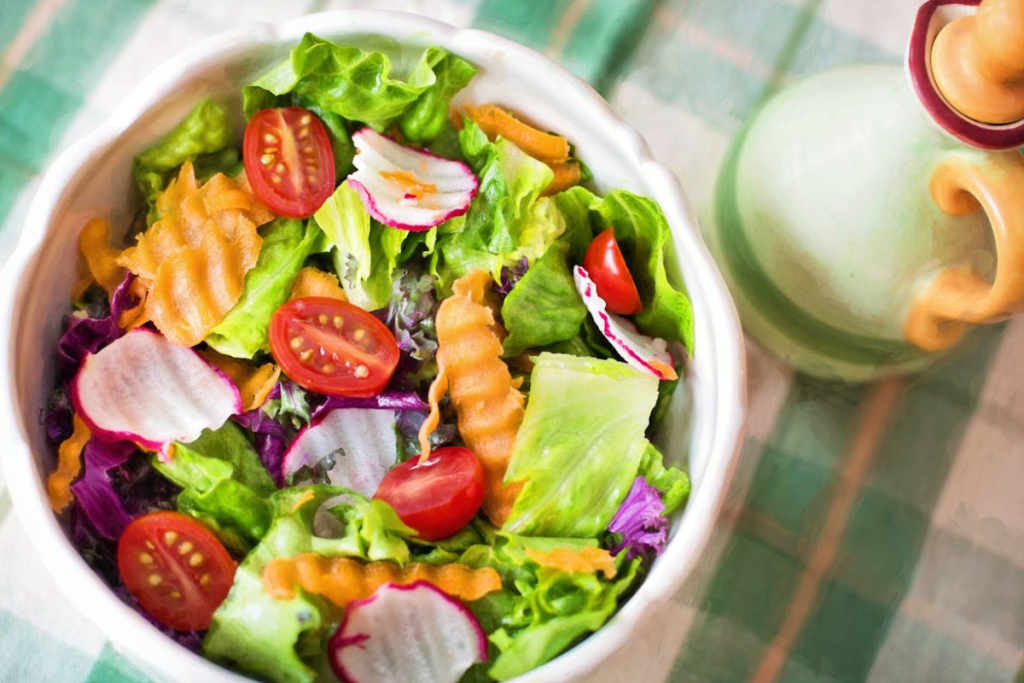
To support stem cell health, eat a variety of colorful fruits and vegetables. They are full of antioxidants, vitamins, and minerals. For example, berries like blueberries and strawberries are great for neural and cardiovascular stem cells.
Include foods rich in bioactive compounds in your meals. These compounds activate stem cells. Citrus fruits like oranges and grapefruits are good examples. They have flavonoids that help mobilize stem cells.
Optimal Food Preparation Methods to Preserve Bioactive Compounds
How you cook your food matters a lot. Steaming is a good method to keep nutrients in vegetables. Raw or lightly cooked foods also have lots of bioactive compounds.
Avoid cooking at high heat to prevent nutrient loss. Choose gentle cooking methods. This keeps your food’s natural goodness and supports stem cell health.
Dietary Patterns That Support Stem Cell Regeneration
Eating a diet rich in whole foods helps stem cell regeneration. The Mediterranean diet is a good example. It includes lots of fruits, vegetables, whole grains, and healthy fats.
It’s also important to focus on the quality of your diet. Avoid processed foods and sugars. Stay hydrated, too. Making smart food choices supports stem cell regeneration and overall health.
Fruit-Based Recipes to Maximize Stem Cell Activation
Adding fruit-based recipes to your meals can be tasty and good for your health. Fruits are full of nutrients that make food taste better and offer health benefits.
Smoothies and Juices for Stem Cell Support
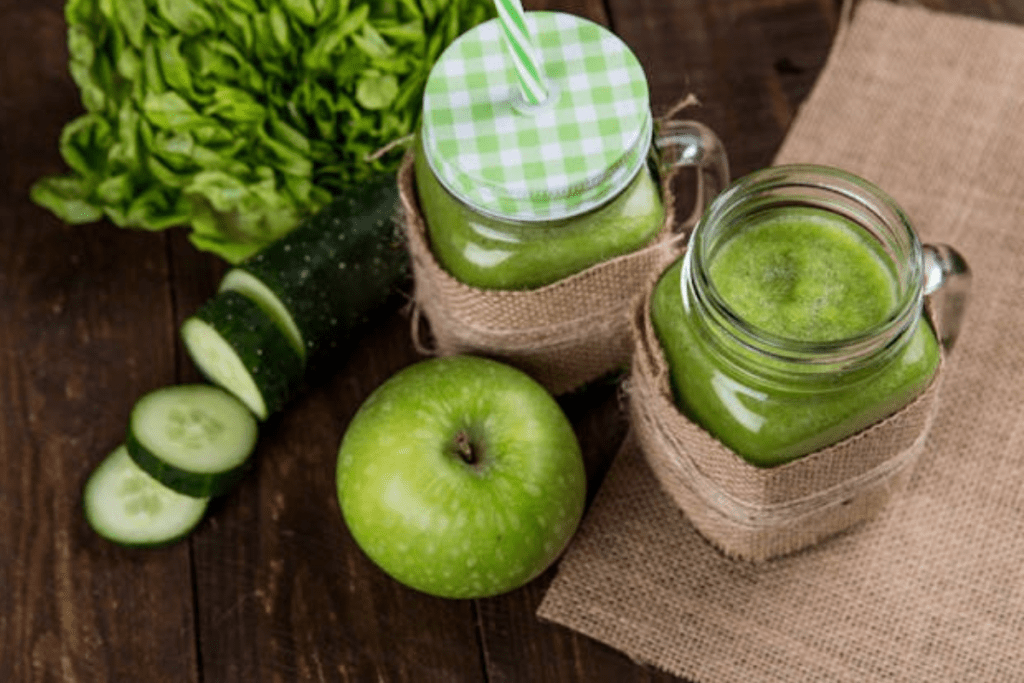
Smoothies and juices are great for eating many fruits that help stem cells. For example, a blueberry and strawberry smoothie is very good. Blueberries have antioxidants, and strawberries are good for your heart.
- Blueberry and Strawberry Smoothie: Blend 1 cup of blueberries, 1 cup of strawberries, 1 banana, and 1 cup of almond milk for a refreshing and healthy drink.
- Citrus Juice: Mix equal parts of freshly squeezed orange, lemon, and grapefruit juice for a vitamin C-packed drink that supports immune function and stem cell activation.
Fruit-Based Desserts With Regenerative Properties
Fruit-based desserts are tasty and good for you. They’re a great way to enjoy something sweet while helping your stem cells.
- Berry Parfait: Layer fresh berries (such as blueberries, raspberries, and blackberries) with Greek yogurt and a sprinkle of granola for a dessert rich in antioxidants.
- Grilled Pineapple: Grill slices of pineapple and serve with a dollop of coconut cream for a dessert that combines the anti-inflammatory properties of pineapple with the healthy fats of coconut.
Combining Fruits With Other Stem Cell-Boosting Foods
To get the most out of stem cell support, mix fruits with foods like nuts, seeds, and leafy greens.
- Fruit and Nut Salad: Mix a variety of fruits (like apples, grapes, and pineapple) with nuts (such as almonds and walnuts) for a snack that combines the benefits of fruits with the healthy fats and proteins of nuts.
- Green Smoothie: Blend spinach, avocado, banana, and pineapple for a nutrient-dense smoothie that supports overall health and stem cell function.
By adding these fruit-based recipes to your meals, you can enjoy tasty food that also helps your body’s stem cells.
Beyond Fruits: Other Foods That Enhance Stem Cell Function
There’s more to stem cell health than just fruits. A wide variety of foods helps support stem cell function. While fruits are known for their benefits, other foods also play a key role.
The Role of Vegetables in Stem Cell Health
Vegetables are packed with vitamins, minerals, and antioxidants. These nutrients are vital for stem cell health. Leafy greens like spinach and kale are great because they have folate and B vitamins.
Cruciferous veggies, like broccoli, contain sulforaphane. This compound helps stem cells function better and boosts overall health.
Key Vegetables for Stem Cell Health:
- Spinach
- Kale
- Broccoli
- Carrots
Herbs and Spices That Activate Stem Cells
Some herbs and spices can positively affect stem cells. Turmeric, for instance, has curcumin, which fights inflammation and supports stem cells. Ginger also benefits stem cells, thanks to its anti-inflammatory properties.
Notable Herbs and Spices:
- Turmeric
- Ginger
- Cinnamon
- Rosemary
Healthy Fats and Their Role in Stem Cell Health
Healthy fats are vital for stem cell function. Omega-3s in salmon and flaxseeds keep cell membranes healthy and reduce inflammation. Avocados and olive oil also provide nutrients for stem cell growth.
Sources of Healthy Fats:
- Salmon
- Flaxseeds
- Avocados
- Olive Oil
Lifestyle Factors That Complement Dietary Stem Cell Support
More than just what we eat, our lifestyle affects stem cell health. This includes staying active, getting enough sleep, and managing stress. These habits, when combined with the right diet, can boost stem cell regeneration.
Exercise and Its Impact on Stem Cell Mobilization
Exercise is key to stem cell health. It helps release growth factors that support stem cell growth and development. This can lead to better health and lower disease risk.
Not all exercises are the same for stem cells. Aerobic activities like running boost heart health by improving stem cells involved in blood vessel repair.
Sleep Quality and Stem Cell Regeneration
Good sleep is vital for stem cell health. While we sleep, our bodies fix and regenerate cells, including stem cells. Lack of sleep can harm stem cell function and reduce their ability to repair.
Research links sleep deprivation to fewer stem cells and impaired function. So, it’s important to prioritize sleep for stem cell health.
Stress Management for Optimal Stem Cell Function
Stress can harm stem cells. Practices like meditation, yoga, and deep breathing can help protect stem cells from stress. These activities also improve overall well-being, supporting stem cell regeneration.
Chronic stress can reduce stem cell numbers and function. But stress-reducing activities can help keep stem cells healthy. Adding these to your daily routine can support stem cell health alongside a healthy diet.
Scientific Evidence: Research on Foods for Cellular Regeneration
Research links food to stem cell activation. It shows how diet affects cellular regeneration. This research highlights how certain foods boost stem cell health.
Clinical Studies on Fruit Consumption and Stem Cell Markers
Clinical studies reveal fruit’s impact on stem cell markers. For example, a study in the Journal of Agricultural and Food Chemistry found blueberries improve cognitive function. They also increase stem cell markers in older adults.
Research on strawberries shows they support heart health. This is achieved by boosting stem cell function.
Key findings from clinical studies include:
- Increased stem cell markers following consumption of berries
- Enhanced cardiovascular health through strawberry consumption
- Improved cognitive function associated with blueberry intake
Laboratory Research on Fruit Compounds and Stem Cell Growth
Laboratory research explains how fruit compounds affect stem cell growth. Polyphenols in fruits like apples and grapes boost stem cell activity. A study on apple polyphenols showed they improve stem cell function and tissue regeneration.
Notable laboratory findings include:
- The role of polyphenols in stimulating stem cell activity
- The ability of fruit extracts to enhance tissue regeneration
- The identification of specific fruit compounds that support stem cell health
Emerging Science in Nutritional Support for Stem Cells
The field of nutritional support for stem cells is growing fast. New research shows how diet affects stem cell biology. It explores how nutrients can support stem cell health and regeneration.
As more evidence comes in, it’s clear that fruits and nutrient-rich foods are key. Ongoing research aims to understand how diet influences stem cell function. This could lead to new ways to boost cellular regeneration.
Potential Limitations and Considerations
It’s important to know the limits of diet in supporting stem cell health. A diet full of fruits, veggies, and nutrients is great. But sometimes diet alone isn’t enough.
When Dietary Approaches May Not Be Sufficient
Some health issues or genes can make a diet less effective for stem cell support. For example, people with chronic diseases or those getting a lot of medical treatment might need more than just food.
Nutritional deficiencies or malabsorption issues can also limit the diet’s benefits. In these cases, supplements or medical treatments might be needed to fix these problems and improve health.
Integrating Natural Methods With Medical Treatments
Many people find the best support for stem cell health by mixing diet and medicine. This mix helps meet specific health needs and boosts overall well-being.
- Adding targeted supplementation to the diet can make it more effective.
- In some cases, medical treatments like stem cell therapies are needed for certain health issues.
- This mix of diet and medicine helps get the best of both worlds for health.
Consulting Healthcare Professionals About Stem Cell Support
Stem cell health is complex, and many factors can affect it. Talking to healthcare professionals is key. They can give advice tailored to your health needs.
They can also figure out when the diet needs to be backed up by other treatments. This ensures a complete plan for stem cell health support.
Conclusion
Stem cell health is key to our overall wellness. It helps our body fix and grow new tissues. By choosing the right foods and living healthily, we can help our stem cells work better.
Eating a variety of fruits, like berries and apples, is good for our stem cells. These foods have special compounds that wake up our stem cells. Adding these foods to our diet helps our bodies stay healthy.
Knowing how stem cell supplements work can help us stay healthy. Adding them to a healthy lifestyle is a smart move. Exercise, sleep, and managing stress also help our stem cells.
As scientists learn more about stem cells, we see how important a healthy lifestyle is. Making smart choices about what we eat and how we live can help our stem cells. This leads to better health and energy for the long term.
FAQ
What are stem cell food supplements, and how do they work?
Stem cell food supplements are special dietary products. They have nutrients and compounds that help stem cells grow and work well. These supplements give stem cells what they need to start and keep working.
Which fruits are rich in stem cell-regenerating compounds?
Apples, berries, citrus fruits, pomegranate, dragon fruit, and papaya are great. They have antioxidants and compounds that help stem cells stay healthy.
How does diet influence stem cell production?
Eating lots of fruits, veggies, and whole grains helps stem cells grow. Nutrients like antioxidants and flavonoids are key to stem cell health.
Can dark chocolate and cacao boost stem cell production?
Yes, they can. Cocoa flavonoids in dark chocolate and cacao help stem cells grow and work better.
How can I increase stem cells naturally through diet?
Eat a balanced diet with fruits, veggies, and whole grains. Cooking methods like steaming or roasting help keep nutrients in your food.
What lifestyle factors complement dietary stem cell support?
Regular exercise, enough sleep, and managing stress help too. These habits support stem cell health along with a good diet.
Are there any limitations to relying on dietary approaches for stem cell support?
Yes, some people might need more than just food. If you have a medical condition, talk to a doctor. They can help you use food and medicine together.
What are the benefits of using stem cell food supplements?
Supplements give you important nutrients for stem cell health. They help your body stay healthy and strong.
How do I choose a quality stem cell food supplement?
Look for supplements with tested ingredients and from trusted brands. Also, check what other people say about them.
Can stem cell food supplements be used in conjunction with other health products?
Yes, you can take them with vitamins and minerals. But always talk to a doctor first. They can help you make sure it’s safe.
Reference
- Hussain, M., & Mohsin, S. (2020). The role of stem cells in regenerative medicine: Current applications and future perspectives. Journal of Stem Cell Research & Therapy, 10(5), 202-210. https://doi.org/10.4172/2157-7633.1000290