Endometritis is an inflammation of the uterine lining that affects many women after childbirth. At Liv Hospital, we prioritize your health and safety. Complete guide to the best treatment for endometritis to improve reproductive outcomes.
Recognizing endometritis early and using antibiotics can save lives. Our guide will help healthcare providers and expectant mothers understand diagnosis, risk factors, and treatment approaches.
Key Takeaways
- Understanding endometritis and its risk factors is key for prevention and treatment.
- Quick diagnosis and antibiotic treatment can greatly improve outcomes.
- Liv Hospital is dedicated to patient-centered care and the latest treatment guidelines.
- Effective treatment can prevent serious health issues for mothers.
- Our guide offers a detailed look at diagnosing and treating endometritis.
Understanding Endometritis
Endometritis is important for women’s health. It affects fertility and overall well-being. It’s when the lining of the uterus gets inflamed, often due to infection.
Definition and Clinical Significance
Endometritis is when the lining of the uterus gets inflamed, usually from bacteria. It can lead to infertility, chronic pain, and pregnancy problems. It’s vital to treat it quickly to avoid lasting damage.
Types: Acute, Chronic, and Puerperal Endometritis
Endometritis can be acute, chronic, or puerperal, depending on its cause and duration.
- Acute Endometritis: This is a short-term inflammation of the endometrium, often occurring postpartum or post-abortion. It is typically caused by bacterial infection and requires prompt antibiotic treatment.
- Chronic Endometritis: Characterized by persistent inflammation of the endometrium, chronic endometritis can lead to long-term reproductive issues, including infertility and recurrent miscarriage.
- Puerperal Endometritis: This type is associated with childbirth and occurs when the uterus becomes infected postpartum. It is a significant cause of postpartum morbidity and requires immediate medical attention.
Prevalence and Impact on Women’s Health
Endometritis affects women of reproductive age. It can harm their health and fertility. The risk is higher in some groups, like postpartum women or those using fertility treatments.
| Type of Endometritis | Prevalence | Impact on Women’s Health |
|---|---|---|
| Acute Endometritis | Common postpartum | Risk of infertility if untreated |
| Chronic Endometritis | Variable, often underdiagnosed | Chronic pelvic pain, infertility |
| Puerperal Endometritis | Associated with childbirth | Postpartum morbidity, possible sepsis |
Knowing about endometritis helps doctors treat it better. This can improve women’s health and fertility outcomes.
Causes of Endometritis
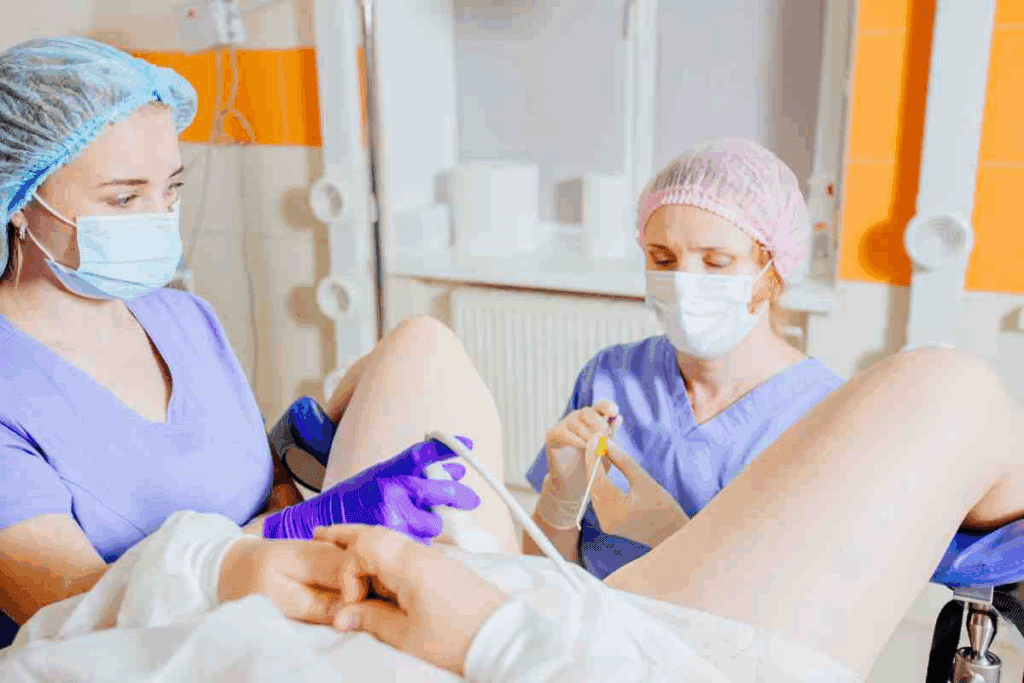
It’s important to know what causes endometritis to treat it well. This condition can come from infections and problems after childbirth.
Bacterial Pathogens and Polymicrobial Infections
Most endometritis cases start with bacterial infections. Bacterial pathogens like Streptococcus and Escherichia coli are common culprits. These germs can move up from the vagina and cause inflammation in the uterus.
Because endometritis often involves many bacteria, finding and treating it can be tough. Knowing which bacteria are involved helps doctors choose the right antibiotics.
Postpartum and Post-Cesarean Factors
After childbirth, women face a higher risk of endometritis. This risk is even higher for those who had a cesarean section. Complications during delivery or long labors can also increase this risk.
| Risk Factor | Description | Impact on Endometritis Risk |
|---|---|---|
| Postpartum | Period after childbirth | Increased risk due to possible infection |
| Post-Cesarean | After cesarean delivery | Higher risk compared to vaginal delivery |
| Prolonged Labor | Extended labor duration | Increases risk of infection |
Non-Pregnancy Related Causes
Endometritis isn’t just a pregnancy issue. It can also happen to non-pregnant women. Things like insertion of intrauterine devices (IUDs), pelvic inflammatory disease (PID), and gynecological surgeries can cause it. This shows why good gynecological care and infection prevention are key.
Knowing all the causes of endometritis helps doctors treat it better. By understanding these causes, we can manage and prevent endometritis more effectively.
Risk Factors for Developing Endometritis
Several factors can increase the risk of endometritis. These include pregnancy-related risks, pre-existing medical conditions, and lifestyle choices. Knowing these factors helps identify who is at higher risk. It also guides preventive measures.
Pregnancy and Delivery-Related Risks
Pregnancy and delivery can raise the risk of endometritis. Key factors include:
- Prolonged rupture of membranes: The longer the rupture, the higher the infection risk.
- Multiple vaginal examinations during labor: More exams can introduce bacteria into the uterus.
- Cesarean delivery: Cesarean deliveries increase the risk of endometritis more than vaginal deliveries.
Pre-existing Medical Conditions
Some medical conditions can raise the risk of endometritis. These include:
- Maternal obesity: Obesity increases the risk of infections, including endometritis.
- Diabetes: Diabetes makes women more prone to infections, like endometritis, due to weaker immune function.
Other health issues that may increase risk include those affecting the immune system or overall health.
Lifestyle Factors
Lifestyle choices also impact the risk of endometritis. For example:
- Tobacco use: Smoking weakens the immune system and raises the risk of infections, including endometritis.
Healthcare providers can offer specific advice and interventions to lower the risk of endometritis. This is based on understanding these risk factors.
Recognizing Endometritis Symptoms
Endometritis symptoms can vary and need careful attention. Women should know how serious it can be and the need to see a doctor.
Common Clinical Presentations
Endometritis symptoms include fever, lower abdominal pain, and pelvic tenderness. Abnormal lochia, or foul-smelling discharge, is also common. These symptoms can affect daily life a lot.
Women might also feel uterine tenderness, fast heart rate, and feel generally unwell. Spotting these symptoms early is key for quick diagnosis and treatment.
Differences in Presentation by Type
The symptoms of endometritis can change based on the type. Acute endometritis has more severe symptoms like high fever and intense pain. On the other hand, chronic endometritis has milder symptoms that last longer, making it harder to diagnose.
Puerperal endometritis, which happens after childbirth, includes fever, uterine tenderness, and foul-smelling lochia. Knowing these differences helps doctors diagnose better.
When to Seek Medical Attention
Women should see a doctor if they have endometritis symptoms, like after childbirth or a cesarean. Prompt medical evaluation can stop complications and improve health.
Signs to see a doctor right away include:
- Severe abdominal pain
- High fever
- Foul-smelling vaginal discharge
- Heavy or prolonged bleeding
Quick action on endometritis symptoms can help recovery and lower long-term risks.
Diagnostic Approaches for Endometritis
To diagnose endometritis, doctors use a mix of clinical checks, lab tests, and imaging. This method helps find the problem quickly and correctly. It lets us start treatment right away.
Clinical Examination and History
First, we do a detailed check-up and ask about the patient’s health history. We look for signs like fever, belly pain, and tenderness in the pelvic area. Knowing about recent childbirth or gynecology procedures is also key.
Key parts of the check-up are:
- Checking for fever and how long it lasts
- Looking at belly and pelvic pain
- Feeling the uterus for tenderness
- Looking at recent gynecology or childbirth history
Laboratory Tests
Lab tests are essential to confirm endometritis. We often do:
- Complete Blood Count (CBC) to check for infection
- Blood cultures to find bacteria
- Endometrial sampling for culture and sensitivity
Imaging Studies
Imaging helps confirm the diagnosis and see how far the disease has spread. Ultrasound is often used to check the uterus, find any leftover tissue, and spot complications like abscesses.
At times, we might need CT or MRI for:
- To find complications like abscesses
- To see how far the disease has spread
By combining clinical findings, lab results, and imaging, we can accurately diagnose endometritis. This helps us create a good treatment plan.
The Best Treatment for Endometritis: Evidence-Based Approaches
The best treatment for endometritis is based on solid evidence. This ensures patients get the best care possible. We will look at the latest recommendations for treating endometritis, focusing on antibiotics and management strategies.
First-Line Antibiotic Therapy
Doctors often start with clindamycin and gentamicin for endometritis. This mix is effective against the many bacteria found in endometritis. Clindamycin fights anaerobic bacteria, and gentamicin targets gram-negative ones.
ACOG Treatment Guidelines
The American College of Obstetricians and Gynecologists (ACOG) sets treatment guidelines for endometritis. They suggest starting with broad-spectrum antibiotics like clindamycin and gentamicin. These guidelines keep up with new research and practices.
Inpatient vs. Outpatient Management
Choosing between inpatient and outpatient care depends on several factors. These include how severe the symptoms are, the patient’s health, and any complications. Inpatient management is best for severe cases. Outpatient management works for milder symptoms.
Treatment Duration and Response Monitoring
Antibiotic treatment for endometritis usually lasts 24 to 48 hours. The patient must be fever-free and symptoms must improve. It’s important to watch how the patient responds to treatment. Adjustments may be needed. Regular follow-ups are key to make sure the infection is gone and to address any issues.
Antibiotic Regimens for Endometritis
It’s key to know the different antibiotic treatments for endometritis. The right choice depends on the infection’s severity, the patient’s health, and any other medical issues.
Intravenous Antibiotic Options
Intravenous antibiotics are often the first choice for severe endometritis. Common intravenous antibiotic regimens include a combination of gentamicin and clindamycin, which fight many bacteria. Ampicillin-sulbactam can also be used alone or with other antibiotics.
Transitioning to Oral Antibiotics
When the patient starts to get better, usually in 24-48 hours, intravenous antibiotics can switch to oral ones. This change is based on how well the patient is doing and the doctor’s decision. Oral antibiotics might be doxycycline or metronidazole, depending on the bacteria.
Managing Antibiotic Resistance
Antibiotic resistance is a big worry in treating endometritis. It’s important to watch for resistance and change the antibiotics if needed. We also need to think about any side effects or drug interactions.
Knowing about the different antibiotic treatments helps doctors give better care to patients with endometritis.
Special Considerations: Endometritis in Pregnancy
Managing endometritis in pregnancy is very important. It affects both the mother and the fetus. This inflammation of the uterine lining can be risky if not handled right.
Risks to Mother and Fetus
Endometritis in pregnancy can cause problems for both the mother and the baby. The mother might face:
- Preterm labor
- Fetal distress
- Increased risk of cesarean delivery complications
- Potential for severe infection
The baby might face:
- Preterm birth
- Low birth weight
- Increased susceptibility to infections
Prompt diagnosis and treatment are key to reduce these risks. This ensures the best outcomes for both.
Safe Treatment Options During Pregnancy
Choosing the right antibiotics is vital when treating endometritis in pregnancy. Typically, broad-spectrum antibiotics are recommended because they work against many bacteria.
Some common antibiotics include:
- Ampicillin
- Gentamicin
- Clindamycin
Following established treatment guidelines is important. Also, closely monitoring the patient’s response to treatment is essential.
Monitoring and Follow-up Care
It’s important to closely watch both the mother and the fetus during treatment. This may involve:
- Regular ultrasound exams to check on the baby’s growth
- Regular check-ups to see how the mother is doing
- Lab tests to check how well the antibiotics are working
Adjustments to the treatment plan may be needed based on these checks.
Impact on Future Pregnancies
Women who had endometritis in a previous pregnancy might worry about it happening again. While risks should be talked about with a healthcare provider, proper prenatal care and monitoring can greatly reduce risks in future pregnancies.
Understanding the risks and taking proactive steps can help minimize the impact of endometritis on reproductive health.
Recovery and Follow-up Care
Recovering from endometritis takes several important steps, including watching your health after treatment. We know that getting better is as important as the treatment itself. We’re here to help you through it.
Expected Recovery Timeline
Most women start feeling better in 48 to 72 hours after starting antibiotics. It’s key to finish all antibiotics as your doctor says to clear the infection.
Key factors influencing recovery time include:
- The severity of the infection
- The effectiveness of the chosen antibiotic regimen
- The presence of any underlying health conditions
Post-Treatment Monitoring
After finishing antibiotics, it’s vital to check in with your doctor. They will make sure you’re fully recovered. We suggest setting up a follow-up appointment.
At this visit, your doctor might do a physical check and order more tests. They want to make sure the endometritis is gone.
Signs of Treatment Failure
While most women get better, sometimes treatment doesn’t work. Knowing the signs of treatment failure is important. These include:
- Persistence or worsening of symptoms
- Development of new symptoms, such as increased pelvic pain or fever
- Failure to improve within the expected recovery timeline
Long-term Health Considerations
After getting better from endometritis, think about your long-term health. Women who had endometritis might face higher risks for future reproductive problems. This includes infertility or ectopic pregnancy.
Talk to your doctor about your risks and any worries. They can help keep your reproductive health in check and address any early concerns.
By knowing the recovery process and following up with your doctor, you can lower the risk of future problems. This ensures the best health outcomes for your reproductive system.
Prevention Strategies for Endometritis
Preventing endometritis requires a few key steps. This includes using prophylactic antibiotics and following infection control practices. By doing these things, doctors can lower the risk of endometritis, which is important during pregnancy and after giving birth.
Prophylactic Antibiotics for Cesarean Delivery
Using antibiotics before a cesarean delivery helps prevent endometritis. Antibiotics given before the surgery have been shown to cut down on infections after the operation.
Infection Control Practices
Keeping infections at bay is key to preventing endometritis. Following strict sterile techniques and washing hands properly are important. Hospitals need strong infection control plans to keep patients safe.
Risk Reduction Measures
To prevent endometritis, several steps can be taken. These include screening for infections before surgery and making sure patients are healthy before surgery. Treating any infections before a cesarean is also important.
Patient Education
Teaching patients about endometritis is critical. They need to know the risks and signs of the condition. They should also know to seek medical help if they notice any symptoms. Good communication between doctors and patients is key to prevention.
By using these prevention strategies, we can lower the number of endometritis cases. This improves health outcomes for women. It takes teamwork between doctors, patients, and healthcare facilities to make sure these best practices are followed.
Conclusion
Understanding endometritis is key to managing it well. Knowing its causes, symptoms, and treatments is important. Quick diagnosis and treatment help avoid long-term health problems.
We’ve covered many aspects of endometritis. This includes its types, risk factors, and how to diagnose and treat it. A complete approach is needed to manage endometritis effectively.
Effective treatment for endometritis includes timely action and the right antibiotics. Follow-up care is also critical for full recovery. By following these steps, healthcare providers can give patients the best care. This improves their health and well-being.
FAQ
What is endometritis?
Endometritis is an inflammation of the endometrium, the lining of the uterus. It’s often caused by infection.
What are the risk factors for developing endometritis?
Risk factors include pregnancy and delivery complications, pre-existing medical conditions, and lifestyle factors.
How is endometritis diagnosed?
Diagnosis involves clinical examination, history taking, and laboratory tests. Imaging studies may also be used to confirm infection or inflammation.
What is the best treatment for endometritis?
The best treatment is usually antibiotic therapy. The specific regimen depends on the severity and cause of the infection. Guidelines from ACOG are often followed.
Can endometritis be treated with oral antibiotics?
Yes, in some cases, oral antibiotics can treat endometritis. This is often after initial treatment with intravenous antibiotics.
How is endometritis managed during pregnancy?
Managing endometritis during pregnancy involves safe treatment options and close monitoring. Follow-up care is also important to protect both mother and fetus.
What are the signs of treatment failure for endometritis?
Signs of treatment failure include persistent or worsening symptoms. These include fever, abdominal pain, or abnormal discharge, despite antibiotic therapy.
How can endometritis be prevented?
Prevention strategies include prophylactic antibiotics before cesarean delivery and infection control practices. Risk reduction measures and patient education are also important.
What is the expected recovery timeline for endometritis?
The recovery timeline varies based on the infection’s severity and treatment effectiveness. Most women start feeling better within a few days of starting antibiotics.
Are there long-term health considerations after endometritis?
Yes, long-term considerations include the impact on future pregnancies and the possibility of chronic pelvic pain or other complications.
What is puerperal endometritis?
Puerperal endometritis occurs in the postpartum period. It’s often related to childbirth or cesarean delivery.
How does post-cesarean endometritis differ from other types?
Post-cesarean endometritis occurs after cesarean delivery. It’s often associated with infection introduced during the surgical procedure.
References
National Center for Biotechnology Information. Endometritis Treatment: A Patient-Centered Guide. Retrieved from https://www.ncbi.nlm.nih.gov/books/NBK553124/[1