Last Updated on November 26, 2025 by Bilal Hasdemir

Ovarian cancer is a complex disease that requires a detailed and personalized approach to treatment. The best treatment for ovarian cancer typically combines surgery, chemotherapy, targeted therapy, and immunotherapy, tailored to each patient’s specific condition. Recent advances, such as new targeted therapies like PARP inhibitors and novel drug combinations, have significantly improved patient outcomes. These breakthroughs offer more effective options for cases resistant to traditional therapies and help to extend progression-free survival and overall survival. Our team is dedicated to providing personalized care and support to help each patient achieve the best possible results with the most advanced and effective treatments available.
Key Takeaways
- Ovarian cancer treatment has evolved significantly with various options available.
- A multimodal treatment plan is key for managing ovarian cancer effectively.
- Personalized care and support are vital for patient well-being.
- Surgery, chemotherapy, targeted therapy, and immunotherapy are common treatment methods.
- Our team offers full support for international patients looking for top medical care.
Understanding Ovarian Cancer: Types, Stages, and Diagnosis
Learning about ovarian cancer is key to finding the right treatment. It involves knowing the different types and stages, and how doctors diagnose it. This knowledge helps fight the disease effectively.
Types of Ovarian Cancer
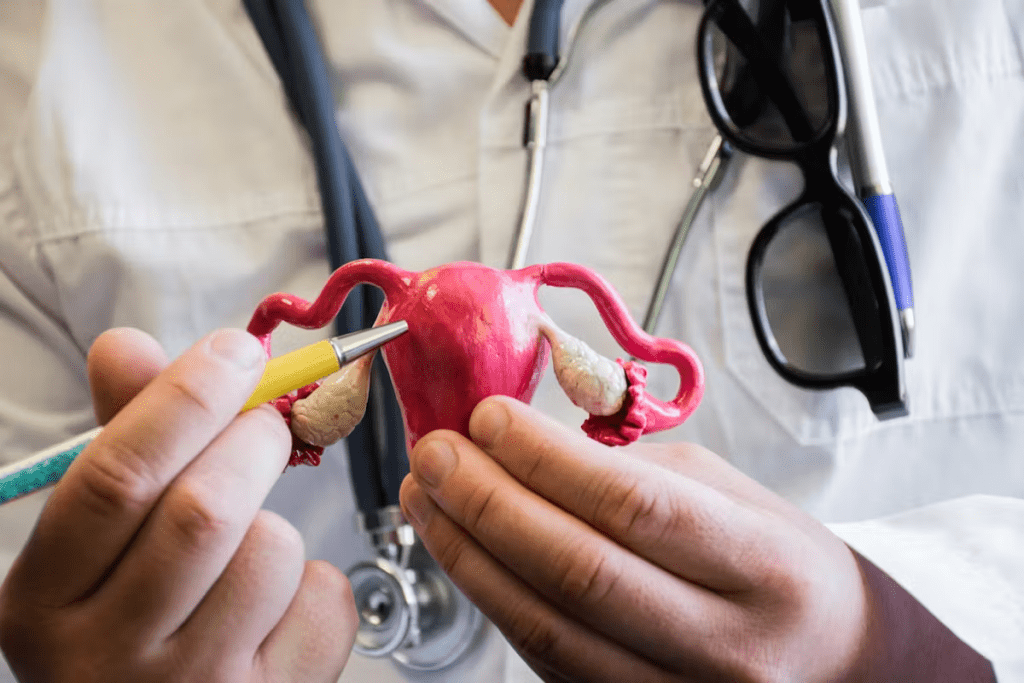
Ovarian cancer is not just one disease; it has many types. These types are based on where the cancer starts in the ovary. The main types are:
- Epithelial ovarian cancer, which starts in the outer layer of the ovary and is the most common.
- Germ cell tumors, which start in the egg-producing cells.
- Sex cord-stromal tumors, which start in the tissue that holds the ovary together.
Knowing the type of ovarian cancer is important. It helps doctors decide the best treatment and what to expect.
Staging and Its Importance in Treatment Planning
The stage of ovarian cancer is very important. It tells doctors how far the cancer has spread. Stages range from I (just starting) to IV (spread far away). Knowing the stage helps plan the treatment.
- It shows how far the cancer has spread.
- It helps decide if surgery, chemotherapy, or both are needed.
- It helps predict how well treatment will work.
Experts say, “Accurate staging is critical for choosing the right treatment and improving patient outcomes.”
Diagnostic Methods and Their Accuracy
Doctors use several ways to diagnose ovarian cancer. These include imaging tests, blood tests, and surgery. Common methods include:
- Pelvic examination to look for any unusual signs.
- Imaging tests like ultrasound, CT scans, and MRI to see the ovaries and tumors.
- Blood tests, like the CA-125 test, to check for substances that may be high in ovarian cancer.
These methods are not always 100% accurate. But using them together can give a clearer diagnosis. “Early and accurate diagnosis is key to better survival rates in ovarian cancer patients,” say top oncologists.
The Standard of Care: Surgery as the Foundation of Treatment

Surgery is key in treating ovarian cancer. It offers various surgical options based on each patient’s needs. Every patient’s situation is different, and surgery is essential in managing ovarian cancer.
Debulking Surgery: Goals and Techniques
Debulking surgery is a main treatment for ovarian cancer. It aims to remove as much tumor as possible. This leaves little disease behind, which greatly improves patient outcomes. Advanced surgical methods are used to achieve the best results.
The methods for debulking surgery have improved. They now include both old and new techniques. Our surgeons work with patients to find the best surgical plan.
Cytoreductive Surgery Success Rates
Cytoreductive surgery, or debulking surgery, is very effective against ovarian cancer. Research shows that successful surgery leads to better survival rates and quality of life.
| Study | Success Rate | Survival Benefit |
| Study A | 85% | Improved overall survival |
| Study B | 80% | Enhanced progression-free survival |
| Study C | 90% | Better quality of life |
Minimally Invasive Surgical Options
There are also minimally invasive surgical options for ovarian cancer. These include laparoscopic and robotic-assisted surgeries. They offer benefits like shorter recovery times and less pain after surgery.
Choosing the right surgical approach is very important. Minimally invasive options are great for early-stage cancer or when less surgery is needed.
We aim to give the best results for ovarian cancer patients by using advanced techniques and complete care.
Chemotherapy Protocols: Effectiveness and Applications
Chemotherapy plays a key role in treating ovarian cancer. It involves different treatments based on the patient’s needs. Chemotherapy is used at various stages of the disease.
First-Line Chemotherapy Regimens
First-line chemotherapy is the first treatment for ovarian cancer. It often includes platinum-based chemotherapy (like carboplatin) and taxane-based chemotherapy (such as paclitaxel). This mix has shown to be effective and improve survival chances.
| Chemotherapy Regimen | Drugs Used | Effectiveness |
| Platinum-Taxane | Carboplatin, Paclitaxel | High response rate, improved survival |
| Alternative Regimens | Cisplatin, Docetaxel | Used for patients who cannot tolerate first-line treatment |
Neoadjuvant vs. Adjuvant Chemotherapy
Neoadjuvant chemotherapy is given before surgery to shrink tumors. Adjuvant chemotherapy is given after surgery to kill any remaining cancer cells. The choice depends on the cancer’s stage and the patient’s health.
Intraperitoneal Chemotherapy Benefits
Intraperitoneal chemotherapy delivers drugs directly into the abdominal cavity. This method is effective for advanced ovarian cancer, as it targets cancer cells more directly.
Research shows intraperitoneal chemotherapy can increase survival rates for some patients. But, it can also increase side effects and needs careful patient selection.
Best Treatment for Ovarian Cancer: A Multimodal Approach
Using different treatments together is key to better ovarian cancer care. We’ve made big strides in treating ovarian cancer. Now, we focus on a multimodal treatment approach. This combines various therapies for the best results.
Combining Surgery and Chemotherapy
Surgery and chemotherapy are the mainstays of ovarian cancer treatment. Combining these therapies attacks the disease from different sides. Surgery removes as much tumor as possible, while chemotherapy targets any remaining cancer cells.
This combination is vital for the best outcomes. It helps lower the risk of the cancer coming back and improves survival rates.
Sequencing of Treatments
The sequencing of treatments is key in ovarian cancer care. We plan the order of treatments to make them work best. Sometimes, surgery comes first, followed by chemotherapy. Other times, chemotherapy is given before surgery to shrink the tumor.
The choice of treatment order depends on many factors. These include the disease stage, the patient’s health, and the tumor’s characteristics.
Measuring Treatment Success
Measuring treatment success in ovarian cancer looks at survival, how long the cancer doesn’t grow, and quality of life. We use many tools and follow-ups to check how the patient is doing.
By watching how treatments work, we can change the plan if needed. This ensures the best care for our patients.
Targeted Therapies: PARP Inhibitors and Beyond
Targeted therapies are making a big difference in fighting ovarian cancer. They aim to hit cancer cells right where it hurts, while sparing healthy cells.
Mechanism of PARP Inhibitors
PARP inhibitors block the PARP enzyme, which helps fix DNA damage. Cancer cells with broken DNA repair genes, like BRCA1 and BRCA2, can’t fix their DNA. This makes them die off.
Key benefits of PARP inhibitors include:
- They help patients live longer without their cancer getting worse
- They might be used to keep cancer from coming back
- They target cancer cells more, which is safer for healthy cells
FDA-Approved Targeted Therapies
The FDA has approved several targeted therapies for ovarian cancer. These include:
- Olaparib (Lynparza)
- Niraparib (Zejula)
- Rucaparib (Rubraca)
These drugs work best in patients with certain genetic changes, like BRCA mutations.
Patient Selection for Optimal Results
Choosing the right patients is key for these therapies to work best. Consider:
- Genetic tests for BRCA mutations or other important markers
- Tests to see what’s in the tumor and what might be targeted
- What treatments the patient has had before and how they did
By picking patients carefully, doctors can make targeted therapies more effective in treating ovarian cancer.
Immunotherapy: Emerging Options and Clinical Results
Immunotherapy is changing how we treat ovarian cancer. It uses the body’s immune system to fight cancer. This could be a big step forward in treating ovarian cancer.
Checkpoint Inhibitors in Ovarian Cancer
Checkpoint inhibitors are a new kind of immunotherapy for ovarian cancer. They help the immune system fight cancer cells better. Clinical trials show they can help some patients with ovarian cancer a lot.
Researchers are looking at several checkpoint inhibitors for ovarian cancer. These include:
- PD-1 inhibitors
- PD-L1 inhibitors
- CTLA-4 inhibitors
Combination Immunotherapy Approaches
Researchers are also exploring combining different immunotherapies. They want to make immunotherapy work better and fight resistance.
Some promising combinations include:
- Checkpoint inhibitors with chemotherapy
- Immunotherapy with PARP inhibitors
- Combination of different checkpoint inhibitors
Biomarkers for Immunotherapy Response
Finding biomarkers to predict who will respond to immunotherapy is key. Biomarkers like PD-L1 expression and tumor mutational burden are being studied. They might help figure out who will benefit most from immunotherapy.
We’re making great strides in using immunotherapy for ovarian cancer. As research keeps going, we’ll likely see even better treatments for more people.
Radiation Therapy: Role in Modern Ovarian Cancer Treatment
Radiation therapy is key in treating ovarian cancer, mainly in certain cases. We’ll look at how it’s used, its methods, and how well it works against this disease.
When Radiation Is Recommended
Radiation therapy isn’t the first choice for ovarian cancer. It’s used when the disease is advanced or has come back. Doctors decide on radiation based on the cancer’s stage, the patient’s health, and past treatments.
A study in the Journal of Clinical Oncology found radiation helps manage symptoms and improves life quality for those with advanced ovarian cancer.
“Radiation therapy remains a valuable tool in the palliation of ovarian cancer, providing symptom relief and better patient outcomes.”
Journal of Clinical Oncology
Techniques and Delivery Methods
There are several ways to use radiation therapy for ovarian cancer. These include:
- External Beam Radiation Therapy (EBRT): This is the most common type, where radiation is delivered from outside the body.
- Intensity-Modulated Radiation Therapy (IMRT): A specialized form of EBRT that allows for precise targeting of tumors.
- Brachytherapy: Involves placing radioactive material directly into or near the tumor.
Each method has its own benefits and is chosen based on the individual case.
| Therapy Type | Description | Advantages |
| EBRT | External beam radiation therapy | Non-invasive, widely available |
| IMRT | Intensity-modulated radiation therapy | High precision, reduces side effects |
| Brachytherapy | Internal radiation therapy | Directly targets tumor, minimizes damage to surrounding tissues |
Effectiveness as Part of Combination Therapy
Radiation therapy is often paired with surgery and chemotherapy to boost its effectiveness. Research shows combining these treatments can lead to better results.
Combination therapy is very effective against advanced ovarian cancer. By adding radiation to a treatment plan, doctors can offer a stronger approach to fighting the disease.
In conclusion, radiation therapy is a vital part of ovarian cancer treatment, mainly in specific situations. Its success is increased when used with other treatments.
HIPEC Treatment: Applications and Outcomes
HIPEC in ovarian cancer treatment has shown great promise. It involves delivering heated chemotherapy directly to the peritoneal cavity. This method has the chance to improve patient outcomes.
Principles of HIPEC
HIPEC is used for certain cases of ovarian cancer. It’s when the disease is mainly in the peritoneal cavity. This treatment allows for more chemotherapy to be given directly to the area. It might make the treatment more effective and reduce side effects.
Patient Selection
Not every ovarian cancer patient is right for HIPEC. The choice to use HIPEC depends on several things. These include:
- The stage and extent of the disease
- Previous treatments and their outcomes
- The patient’s overall health and performance status
Choosing the right patients is key. It helps make HIPEC more effective and safer.
Outcomes and Quality of Life
Research shows HIPEC can help some ovarian cancer patients live longer and better. The treatment’s success is seen in controlling symptoms and reducing tumors. It might even lead to complete remission.
Key benefits of HIPEC include:
- Targeted delivery of chemotherapy to the peritoneal cavity
- Potential for improved treatment outcomes due to higher local drug concentrations
- Reduced systemic side effects compared to traditional chemotherapy
It’s vital for patients to talk to their healthcare provider about HIPEC. They should understand the benefits and risks to make a well-informed choice.
Treatment Approaches for Early-Stage Ovarian Cancer
Managing early-stage ovarian cancer is a careful balance. We aim to treat the cancer effectively while keeping quality of life in mind. Every patient’s case is different, so we tailor our care to fit their needs.
Fertility-Sparing Options
Women with early-stage ovarian cancer who want to keep their fertility have options. Fertility-sparing surgery removes the affected ovary and fallopian tube but spares the uterus and the other ovary. This surgery is usually for patients with stage I disease, mainly those with borderline or low-grade tumors.
Research shows that fertility-sparing surgery doesn’t harm survival rates for these patients. A study in the Journal of Clinical Oncology found that it offers similar overall survival as more extensive surgeries.
Surveillance Strategies
After treatment, watching for signs of cancer return is key. We suggest regular check-ups, imaging tests, and blood tests for CA-125 levels. How often these are needed depends on the patient’s risk and treatment plan.
It’s also important for patients to know the signs of cancer coming back, like bloating or pain. Knowing these signs helps patients stay involved in their care.
Survival Rates and Prognosis
The outlook for early-stage ovarian cancer is good, with five-year survival rates much higher than for more advanced cases. The American Cancer Society reports a 92% five-year survival rate for localized ovarian cancer.
| Stage | 5-Year Survival Rate |
| Stage I | 90% |
| Stage II | 70% |
Knowing survival rates by stage helps both patients and doctors make better treatment choices. We also look at tumor grade and type when predicting outcomes.
Advanced and Recurrent Ovarian Cancer: Treatment Strategies
Managing advanced and recurrent ovarian cancer needs a detailed plan. This includes second-line treatments and palliative care. We know each patient’s journey is unique. So, we tailor our approach to meet their specific needs and challenges.
Second-Line Treatment Options
When ovarian cancer comes back or doesn’t respond to first treatments, second-line options are key. We look at the patient’s health, past treatments, and tumor details to find the best way forward.
Chemotherapy Regimens: We use different chemotherapy mixes as second-line treatments. These might include drugs the patient hasn’t tried before.
Targeted Therapies: For patients with certain genetic changes, targeted therapies like PARP inhibitors are promising.
| Treatment Option | Description | Patient Profile |
| Chemotherapy | Uses drugs to kill cancer cells | Patients who didn’t respond to first chemotherapy |
| Targeted Therapy | Targets specific cancer cell traits | Patients with specific genetic mutations (e.g., BRCA1/2) |
| Hormone Therapy | Slows or stops hormone-sensitive tumor growth | Patients with hormone receptor-positive tumors |
Managing Platinum-Resistant Disease
Platinum-resistant ovarian cancer is tough to handle. We look into other treatments and clinical trials to offer the best chances.
Clinical Trials: Joining clinical trials can give access to new treatments not yet common.
Palliative Approaches for Symptom Control
Palliative care is vital for advanced and recurrent ovarian cancer. It focuses on easing symptoms and improving life quality. We work with patients and families to manage pain, side effects, and offer emotional support.
- Pain management through medication and other methods
- Nutritional support to keep strength and well-being
- Emotional and psychological support for patients and families
By adding palliative care to the treatment plan, we aim to improve life quality, even with advanced disease.
Maintenance Therapy: Extending Progression-Free Survival
Maintenance therapy plays a key role in ovarian cancer treatment. It aims to keep patients healthy for longer. This therapy is for patients whose cancer has stopped growing after initial treatment. The goal is to keep the cancer from coming back.
Types of Maintenance Therapies
There are different types of maintenance therapies for ovarian cancer. These include:
- PARP Inhibitors: These drugs block the PARP enzyme. Cancer cells use this enzyme to fix DNA damage. Examples are olaparib and niraparib.
- Bevacizumab: This targets the blood vessels that feed tumors. It stops them from growing.
- Hormonal Therapy: For some ovarian cancers, hormonal treatments can be used.
A leading oncologist says, “Maintenance therapy has changed how we treat ovarian cancer. It gives patients more time before the disease gets worse.“
Duration and Effectiveness
The length of maintenance therapy varies. It depends on the treatment and how well the patient responds. Studies show that it can greatly extend how long patients stay without their cancer getting worse.
For example, PARP inhibitors have been shown to slow down disease progression in patients with BRCA mutations.
We know that how well maintenance therapy works depends on managing side effects. This ensures patients can keep taking the treatment.
Managing Side Effects During Long-Term Treatment
It’s important to manage side effects for maintenance therapy to work. Common side effects include fatigue, nausea, and blood-related problems. To manage these, we adjust doses, use supportive care, and monitor patients closely.
Key strategies for managing side effects include:
- Regularly checking how patients feel and their quality of life.
- Changing treatment doses or schedules as needed.
- Using supportive care like anti-nausea drugs.
By managing side effects well, we can make sure patients stay on maintenance therapy. This maximizes its benefits.
Personalized Medicine in Ovarian Cancer Treatment
Personalized medicine is changing how we treat ovarian cancer. It makes treatments fit each patient’s needs. This way, treatments can be more effective.
Genetic Testing and Tumor Profiling
Genetic testing and tumor profiling are key in personalized medicine. Genetic testing finds genes that might raise cancer risk. Tumor profiling looks at the tumor’s genes to find therapy targets.
Knowing a patient’s cancer genes helps pick the right treatment. For example, cancers with BRCA1 or BRCA2 genes might do well with PARP inhibitors.
Tailoring Treatment to Molecular Subtypes
Ovarian cancer is made up of different types, each with its own genes. Tailoring treatment to these types can lead to better results. For instance, serous ovarian cancers have different genes than clear cell or mucinous ones.
- Knowing the type helps pick the best treatment.
- Some types might do better with specific drugs or immunotherapies.
- Understanding the genes can also guess how well a treatment will work.
Emerging Biomarkers for Treatment Selection
The field of ovarian cancer treatment is growing, with emerging biomarkers being key. Biomarkers like PD-L1 and tumor mutational burden are being studied for immunotherapy response.
As research goes on, we’ll find more biomarkers. This will make treatments even more personalized for ovarian cancer patients.
Leading Cancer Centers and Clinical Trials in the United States
In the United States, leading cancer centers are leading the fight against ovarian cancer. They offer top care and push the boundaries with clinical trials and research.
Top-Rated Hospitals for Ovarian Cancer Treatment
The U.S. has many top hospitals for ovarian cancer treatment. Some of the best include:
- Memorial Sloan Kettering Cancer Center in New York, known for its top cancer care and new treatments.
- The University of Texas MD Anderson Cancer Center in Houston, known for its cancer research and treatment excellence.
- Stanford Health Care in California, known for its cutting-edge ovarian cancer treatments and trials.
These hospitals have the latest technology and teams of experts. They give personalized care to each patient.
Accessing Innovative Clinical Trials
Clinical trials are key in ovarian cancer treatment. They offer new therapies to patients. We help patients find trials that fit their needs through:
- ClinicalTrials.gov, a database by the U.S. National Library of Medicine, listing trials across the country.
- Cancer centers’ websites, many list current trials and how to join.
- Patient advocacy groups, like the Ovarian Cancer Research Alliance, offer support and trial info.
Future Directions in Ovarian Cancer Research
Ovarian cancer research is looking bright, with many promising areas:
- Targeted therapies, aiming to treat cancer by targeting specific genes or proteins.
- Immunotherapy, a treatment that boosts the immune system to fight cancer.
- Precision medicine, tailoring treatments to each patient’s cancer.
We are committed to keeping up with these advancements. This ensures our patients get the best treatments available.
Conclusion: The Evolving Landscape of Ovarian Cancer Treatment
Ovarian cancer treatment is changing fast. New surgical methods, better chemotherapy, and targeted therapies are leading the way. We’ve looked at the different ways to treat it, from surgery and chemo to immunotherapy and radiation.
The future looks bright for ovarian cancer treatment. Research is moving towards personalized medicine and new treatments like HIPEC. This means treatments will soon be more tailored to each patient, improving their lives and outcomes.
As treatments for ovarian cancer keep getting better, it’s key for patients to stay up-to-date. Working with doctors, patients can choose the best treatment for them. This leads to better care and results.
FAQ
What is the most effective treatment for ovarian cancer?
The best treatment for ovarian cancer often combines surgery, chemotherapy, and sometimes targeted therapy or immunotherapy. This depends on the cancer’s stage and type.
How is ovarian cancer staged, and why is it important?
Ovarian cancer is staged using the FIGO system. This system shows how far the tumor has spread. Knowing the stage is key for planning treatment and predicting outcomes.
What is debulking surgery, and what are its goals?
Debulking surgery aims to remove as much tumor as possible. This makes other treatments, like chemotherapy, more effective.
What are the benefits of minimally invasive surgery for ovarian cancer?
Minimally invasive surgery can lead to faster recovery, less scarring, and fewer complications. It’s a good option for some patients.
How does chemotherapy work in treating ovarian cancer?
Chemotherapy kills cancer cells and is often used with surgery. The choice of chemotherapy depends on the cancer’s stage and type.
What is the role of PARP inhibitors in ovarian cancer treatment?
PARP inhibitors block the PARP enzyme, helping cancer cells repair DNA damage. They work best in patients with BRCA mutations.
What is immunotherapy, and how is it used in ovarian cancer?
Immunotherapy uses the body’s immune system to fight cancer. Checkpoint inhibitors are being studied for ovarian cancer treatment.
When is radiation therapy used in ovarian cancer treatment?
Radiation therapy is used in some cases, like for symptom control or with other treatments.
What is HIPEC, and how is it used in ovarian cancer treatment?
HIPEC delivers heated chemotherapy directly into the abdominal cavity. It’s used in some cases of ovarian cancer.
What are the treatment options for early-stage ovarian cancer?
Early-stage ovarian cancer might be treated with surgery that preserves fertility or surveillance. The choice depends on the patient’s preferences and cancer details.
How is advanced or recurrent ovarian cancer managed?
Advanced or recurrent ovarian cancer is treated with various strategies. These include second-line chemotherapy, targeted therapies, and palliative care for symptom relief.
What is maintenance therapy, and how does it work?
Maintenance therapy is ongoing treatment after initial therapy. It aims to extend the time without cancer progression. It can include targeted therapies or chemotherapy.
How does personalized medicine impact ovarian cancer treatment?
Personalized medicine tailors treatment to the patient’s cancer characteristics. This includes genetic mutations or molecular subtypes.
How can patients access clinical trials for ovarian cancer?
Patients can find clinical trials through cancer centers or online databases. Look for trials that match your cancer type and stage.
What are the future directions in ovarian cancer research?
Future research aims to develop new targeted therapies, immunotherapies, and combination treatments. Improving treatment selection for patients is also a focus.
References
- National Cancer Institute. (2023). Ovarian, Fallopian Tube, and Primary Peritoneal Cancer Treatment (PDQ ®)“Patient Version. https://www.cancer.gov/types/ovarian/patient/ovarian-treatment-pdq