Last Updated on November 27, 2025 by Bilal Hasdemir
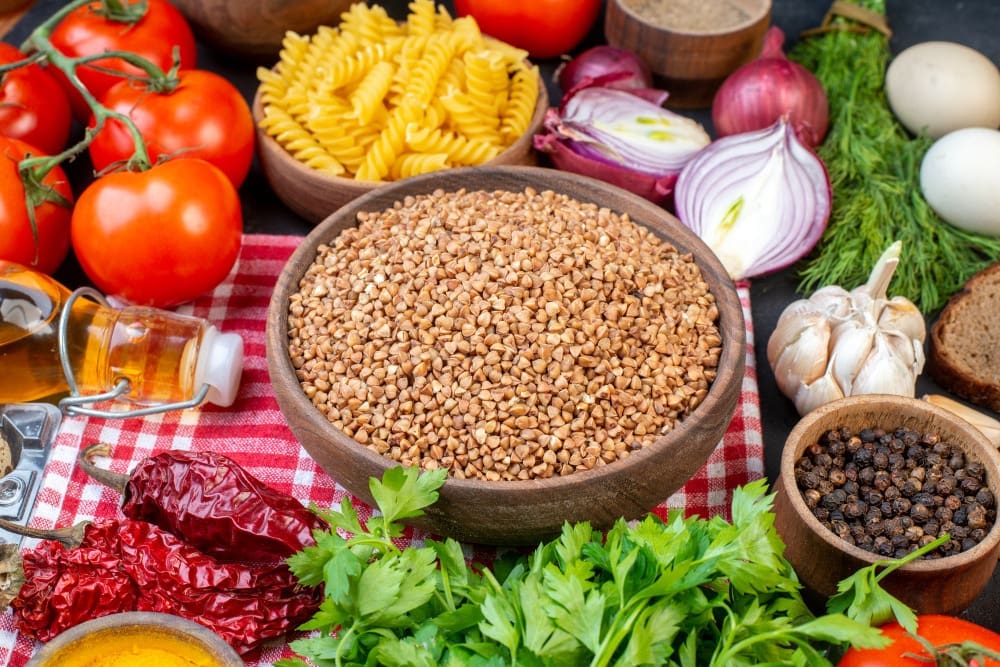
Prostate cancer is a big worry for men all over the world. At Liv Hospital, we think that living a healthy lifestyle is key to reducing the risk of prostate cancer.
Studies show that staying at a healthy weight, exercising often, and eating a diet full of fruits, veggies, and antioxidants can help. By choosing wisely, you can protect your health.
We’re dedicated to giving you the latest advice on preventing prostate gland cancer. In this article, we’ll share eight easy steps to keep you safe and lower your risk.
Key Takeaways
- Maintaining a healthy weight can help reduce prostate cancer risk.
- Regular exercise is associated with a lower risk of prostate cancer.
- A balanced diet rich in fruits, vegetables, and antioxidants plays a critical role in cancer prevention.
- Adopting healthy lifestyle habits can significantly impact overall health.
- Liv Hospital is committed to providing internationally recognized care and guidance on cancer prevention.
Understanding Prostate Cancer and Prevention Possibilities

Prostate cancer is a big problem for men worldwide. It’s not fully preventable, but making lifestyle changes and knowing risk factors can help. This can lower the risk a lot.
What is Prostate Cancer?
Prostate cancer happens when cells in the prostate gland grow out of control. This gland is near the bladder and penis. It’s a common cancer in older men.
Is Prostate Cancer Preventable?
Preventing prostate cancer is tricky. But, some studies show that lifestyle changes can help. “A healthy lifestyle can significantly impact the risk of developing prostate cancer,” experts say.
Risk Factors You Should Know
Knowing the risk factors for prostate cancer is key. Some include:
- Age: The risk goes up after 50.
- Family History: If your family has it, you’re at higher risk.
- Genetics: Some genes raise your risk.
- Ethnicity: African men are at higher risk.
Knowing these can help men lower their risk.
The Science Behind Prostate Cancer Prevention

Preventing prostate cancer involves many factors like lifestyle, genetics, and environment. As research grows, we learn more about these factors and how they affect prostate cancer.
Recent Research Findings
New studies have greatly improved our understanding of preventing prostate cancer. They show that making lifestyle changes can lower the risk of getting prostate cancer. Eating more fruits, vegetables, and whole grains is linked to a lower risk.
Also, research points to the importance of certain nutrients in food. For example, lycopene in tomatoes and omega-3 fatty acids might help protect against prostate cancer.
Modifiable vs. Non-modifiable Risk Factors
Knowing the difference between modifiable and non-modifiable risk factors is key. Non-modifiable risks include age, family history, and genetics. We can’t change these, but knowing them helps us understand our risk.
Modifiable risks, like obesity, lack of exercise, and diet, can be changed. By focusing on these, we can lower our risk of prostate cancer.
How Prevention Differs from Early Detection
Prevention and early detection are different. Prevention tries to stop cancer from happening. Early detection finds cancer early, often with tests like the PSA test.
Prevention aims to lower the risk of getting prostate cancer. Early detection is about finding cancer when it’s easiest to treat, even if prevention fails.
Step 1: Maintain a Healthy Weight
We know that obesity is linked to various health issues, including an increased risk of prostate cancer. Keeping a healthy weight is key to reducing this risk and improving health.
The Obesity-Prostate Cancer Connection
Research shows a link between obesity and a higher risk of prostate cancer, including aggressive forms. Obesity can change hormone levels, like insulin and testosterone, which may help cancer grow. For example, a study in the Journal of Clinical Oncology found obese men were more likely to get high-grade prostate cancer than non-obese men.
Healthy BMI Targets for Men
Body Mass Index (BMI) is used to check if a person’s weight is healthy. For men, a BMI of 18.5 to 24.9 is normal. Staying within this range can lower prostate cancer risk. To find your BMI, use the formula: BMI = weight in kilograms / (height in meters)^2.
| BMI Category | BMI Range | Health Risk |
|---|---|---|
| Underweight | Less than 18.5 | Low |
| Normal weight | 18.5-24.9 | Low |
| Overweight | 25-29.9 | Moderate |
| Obese | 30 or greater | High |
Sustainable Weight Management Strategies
Reaching and keeping a healthy weight needs diet changes, regular exercise, and lifestyle tweaks. Eating a balanced diet with fruits, vegetables, whole grains, and lean proteins supports weight loss and health. For more on diet and prostate cancer risk, visit our page on cancer prevention.
Effective weight management strategies include:
- Eating smaller, more frequent meals to control hunger and boost metabolism
- Incorporating physical activity into your daily routine, such as walking or cycling
- Keeping a food diary to track eating habits and identify areas for improvement
- Avoiding sugary drinks and foods high in saturated fats
By using these strategies and keeping a healthy weight, men can lower their prostate cancer risk and improve their life quality.
Step 2: Embrace Regular Physical Activity
Regular exercise is more than just staying fit. It’s a key step in keeping your prostate healthy. Studies show that it can lower the risk of prostate cancer by boosting overall health and reducing inflammation.
Benefits of Exercise for Prostate Health
Exercise is great for your prostate health. It boosts your immune system, cuts down on inflammation, and helps you stay at a healthy weight. All these benefits help lower the chance of getting prostate cancer.
Key benefits of regular exercise for prostate health include:
- Improved cardiovascular health
- Enhanced immune function
- Reduced inflammation
- Maintenance of a healthy weight
Recommended Exercise Types and Duration
To keep your prostate healthy, mix up your workouts. Include aerobic exercises, strength training, and flexibility exercises. The American Cancer Society recommends at least 150 minutes of moderate-intensity or 75 minutes of vigorous-intensity activity each week.
| Exercise Type | Examples | Recommended Duration |
|---|---|---|
| Aerobic Exercise | Brisk walking, cycling, swimming | At least 150 minutes/week (moderate intensity) |
| Strength Training | Weight lifting, resistance band exercises | 2-3 sessions/week |
| Flexibility Exercises | Yoga, stretching | 2-3 sessions/week |
Starting an Exercise Routine at Any Age
It’s never too late to start exercising. If you’re new to physical activity, start with short, easy sessions. Then, slowly increase the time and intensity. Always talk to a healthcare provider before starting any new exercise program, even more so if you have health concerns.
Tips for starting an exercise routine:
- Start slow and increase intensity over time
- Choose activities you enjoy
- Schedule exercise into your daily routine
- Find a workout buddy or join a fitness group
Step 3: The Best Way to Prevent Prostate Cancer Through Diet
Diet plays a big role in lowering prostate cancer risk. Some foods offer special benefits. We’ll look at how a good diet can help prevent it.
Power of Plant-Based Foods
Plant-based foods are full of good stuff like antioxidants and fiber. They help keep you healthy and might lower prostate cancer risk. Eating lots of veggies, fruits, and whole grains is a smart move.
Some top plant-based foods include:
- Cruciferous vegetables like broccoli and cauliflower
- Leafy greens such as spinach and kale
- Berries, which are rich in antioxidants
Lycopene-Rich Foods and Their Benefits
Lycopene, found in tomatoes, helps fight prostate cancer. Eating foods high in lycopene is tasty and good for your prostate.
Some foods rich in lycopene are:
- Tomatoes and tomato sauces
- Watermelon
- Grapefruit
Isoflavones and Other Protective Nutrients
Isoflavones in soy might help lower prostate cancer risk. Selenium and vitamin D are also key for prostate health.
| Nutrient | Food Sources | Potential Benefits |
|---|---|---|
| Isoflavones | Soybeans, tofu, tempeh | May reduce cancer cell growth |
| Selenium | Fish, nuts, whole grains | Antioxidant properties |
| Vitamin D | Fatty fish, fortified dairy products, sunlight exposure | Regulates cell growth |
Adding these nutrients to your diet can help lower your prostate cancer risk.
Step 4: Avoid Tobacco Products Completely
Avoiding tobacco is key to lowering prostate cancer risk. Tobacco is linked to many serious health issues, including prostate problems.
Smoking’s Impact on Cancer Risk
Smoking raises the risk of prostate cancer. Tobacco smoke’s chemicals harm prostate cells, possibly causing cancer. Quitting smoking greatly lowers this risk.
- Smoking is linked to aggressive prostate cancer.
- Tobacco use can make prostate cancer treatments less effective.
- Quitting smoking boosts overall health and cuts cancer risks.
Secondhand Smoke Considerations
Secondhand smoke, or passive smoke, is a worry for non-smokers. Some studies hint it might raise prostate cancer risk. Minimizing exposure to secondhand smoke is wise.
Resources for Quitting Successfully
Quitting tobacco is tough, but many resources can help. Here are some:
- Nicotine replacement therapy (gum, patches, lozenges)
- Prescription medications (varenicline, bupropion)
- Counseling and support groups
- Hotlines and mobile apps for quitting tobacco
Using these resources and staying committed to quitting can boost success. Healthcare professionals can help find the best quit plan.
By avoiding tobacco, men can greatly reduce prostate cancer risk and improve health.
Step 5: Limit Alcohol Consumption
Reducing alcohol intake is key to keeping the prostate healthy and lowering prostate cancer risk. While a small amount of alcohol is okay, too much can harm the body. It can mess with hormone levels and cell health.
Understanding Safe Consumption Guidelines
To drink safely, knowing the right amounts is important. The Centers for Disease Control and Prevention (CDC) say men and women should not have more than one drink a day. A drink is 12 ounces of beer, 5 ounces of wine, or 1.5 ounces of spirits.
Drinking more than this can cause health problems, like an increased cancer risk. It’s not just about how much you drink, but also how often and in what pattern.
Alcohol’s Effect on Hormones and Prostate Cells
Drinking alcohol can harm the prostate in several ways. It can change hormone levels, like testosterone, which is important for prostate cell growth. Drinking too much can lead to hormonal imbalances, which might raise the risk of prostate cancer.
Also, alcohol breaks down into acetaldehyde, a harmful substance. It can damage DNA and proteins, which might cause cancer in cells, including prostate cells.
Strategies for Reducing Alcohol Intake
If you’re having trouble cutting down on alcohol, here are some tips:
- Set clear drinking limits and track how much you drink
- Choose drinks with less alcohol or alternate with non-alcoholic ones
- Avoid drinking in situations where you might drink too much, like when stressed or out with friends
- Consider getting help from doctors or support groups if you find it hard to cut down
By using these strategies and watching your alcohol intake, you can lower your risk of prostate cancer. This can also improve your overall health.
Step 6: Schedule Regular Prostate Screenings
Prostate cancer screening is key for men’s health. It helps catch cancer early, when it’s easier to treat. Regular checks can find cancer early, leading to better treatment and survival chances.
Prostate-Specific Antigen (PSA) Testing
PSA testing checks for prostate-specific antigen in the blood. High levels might mean cancer, but could also show other issues. It’s important to talk to a doctor about what your test results mean.
Digital Rectal Examination (DRE)
A Digital Rectal Examination (DRE) lets a doctor feel the prostate for any unusual lumps. It’s not as good as PSA testing for catching cancer early. But, it’s useful when used with PSA testing.
Recommended Screening Schedules by Age and Risk Level
Screening plans depend on age, risk factors, and health. Talk to your doctor to figure out the best schedule for you. If you’re at higher risk, you might need to start screening earlier and more often.
- Men with average risk should begin discussions about screening at age 50.
- Men at higher risk (family history, African American descent) should start discussions at age 45.
- Screening decisions should be individualized based on health status, life expectancy, and personal preferences.
Knowing about different screenings and schedules helps men make smart choices for their prostate health. Regular checks, a healthy lifestyle, and being aware of risks are key to lowering prostate cancer risk.
Step 7: Consider Preventive Medications When Appropriate
Preventive medications, like finasteride, might help lower prostate cancer risk. It’s key to understand their role in preventing prostate cancer.
5-Alpha Reductase Inhibitors (Finasteride)
Finasteride is a 5-alpha reductase inhibitor studied for prostate cancer prevention. Clinical trials show it can lower prostate cancer incidence. But, we must also think about its side effects.
“The use of finasteride in prostate cancer prevention is supported by evidence from large-scale clinical trials, demonstrating a significant reduction in prostate cancer incidence.”
Finasteride works by blocking testosterone conversion to DHT, a hormone linked to prostate growth. This might prevent prostate cancer.
Benefits vs. Risks of Chemoprevention
Chemoprevention, using drugs to prevent cancer, is a complex strategy. It’s important to weigh its benefits and risks. Finasteride, for example, might reduce prostate cancer incidence. But, it could also cause sexual problems and affect quality of life.
| Benefits | Risks |
|---|---|
| Reduced incidence of prostate cancer | Sexual dysfunction |
| Potential reduction in prostate cancer mortality | Impact on quality of life |
| Possible reduction in need for aggressive treatments | Financial cost of long-term medication |
Who Should Consider Medical Prevention Options
Not all men will benefit from preventive medications like finasteride. The decision to use chemoprevention should be based on individual risk assessment and consultation with a healthcare provider. Men at high risk, due to family history or genetic markers, might consider these medications.
It’s vital to discuss the benefits and risks with healthcare professionals. This will help decide if preventive medications are right for you.
Step 8: Reduce Exposure to Environmental Risk Factors
When we talk about preventing prostate cancer, cutting down on environmental exposures is key. Some environmental factors can up the risk of getting prostate cancer. By knowing and reducing these risks, we can better protect our health.
Chemical Exposures to Avoid
Some chemicals in our world are linked to a higher prostate cancer risk. These include:
- Pesticides and herbicides, used a lot in farming and gardening.
- Heavy metals like cadmium and lead, found in some industrial places.
- Polychlorinated biphenyls (PCBs), used in many industrial ways.
To lower exposure, wear protective gear when dealing with these chemicals. Also, choose organic food when you can.
Workplace Considerations
For men in jobs that expose them to harmful chemicals, safety at work is very important. This means:
- Always follow safety rules and wear personal protective equipment (PPE).
- Take part in health and safety training at work.
- Speak up for a safe work environment.
Employers should also help by setting up safety measures and checking workers’ health often.
Creating a Healthier Home Environment
Our homes can also have harmful chemicals. To make our homes healthier:
- Use green cleaning products and personal care items.
- Don’t heat food in plastic, as it can release chemicals into the food.
- Make sure there’s good air flow to cut down on indoor pollution.
By making these changes, we can greatly reduce our exposure to harmful chemicals. This helps us live a healthier life.
Conclusion: Building Your Personal Prostate Cancer Prevention Plan
Following eight practical steps can greatly lower your risk of prostate cancer. We’ve talked about the key role of a healthy weight, regular exercise, and a diet full of plants and nutrients. These are the cornerstones of a good plan.
It’s also important to avoid tobacco, drink less alcohol, and get regular prostate checks. Using preventive medicines and avoiding harmful environmental factors are also key. These steps help protect your health.
We urge you to take these steps seriously and make your own prevention plan. By choosing healthy habits and staying on top of your health, you can lower your risk. Begin your plan today and take charge of your prostate health.
FAQ
Can prostate cancer be prevented?
While there’s no guaranteed way to prevent prostate cancer, we can reduce the risk. This can be done by living a healthy lifestyle. This includes keeping a healthy weight, exercising regularly, and eating a balanced diet.
How can I reduce my risk of prostate cancer?
To lower your risk, follow eight practical steps. These include maintaining a healthy weight and exercising regularly. Also, eat a healthy diet and avoid tobacco products.
Can prostate cancer be prevented?
While there’s no guaranteed way to prevent prostate cancer, we can reduce the risk. This can be done by living a healthy lifestyle. This includes keeping a healthy weight, exercising regularly, and eating a balanced diet.
How can I reduce my risk of prostate cancer?
To lower your risk, follow eight practical steps. These include maintaining a healthy weight and exercising regularly. Also, eat a healthy diet and avoid tobacco products.
FAQ
Can prostate cancer be prevented?
While there’s no guaranteed way to prevent prostate cancer, we can reduce the risk. This can be done by living a healthy lifestyle. This includes keeping a healthy weight, exercising regularly, and eating a balanced diet.
How can I reduce my risk of prostate cancer?
To lower your risk, follow eight practical steps. These include maintaining a healthy weight and exercising regularly. Also, eat a healthy diet and avoid tobacco products.
Can prostate cancer be prevented?
While there’s no guaranteed way to prevent prostate cancer, we can reduce the risk. This can be done by living a healthy lifestyle. This includes keeping a healthy weight, exercising regularly, and eating a balanced diet.
How can I reduce my risk of prostate cancer?
To lower your risk, follow eight practical steps. These include maintaining a healthy weight and exercising regularly. Also, eat a healthy diet and avoid tobacco products.
Is there a link between obesity and prostate cancer?
FAQ
Can prostate cancer be prevented?
While there’s no guaranteed way to prevent prostate cancer, we can reduce the risk. This can be done by living a healthy lifestyle. This includes keeping a healthy weight, exercising regularly, and eating a balanced diet.
How can I reduce my risk of prostate cancer?
To lower your risk, follow eight practical steps. These include maintaining a healthy weight and exercising regularly. Also, eat a healthy diet and avoid tobacco products.
FAQ
Can prostate cancer be prevented?
While there’s no guaranteed way to prevent prostate cancer, we can reduce the risk. This can be done by living a healthy lifestyle. This includes keeping a healthy weight, exercising regularly, and eating a balanced diet.
How can I reduce my risk of prostate cancer?
To lower your risk, follow eight practical steps. These include maintaining a healthy weight and exercising regularly. Also, eat a healthy diet and avoid tobacco products.
Can prostate cancer be prevented?
While there’s no guaranteed way to prevent prostate cancer, we can reduce the risk. This can be done by living a healthy lifestyle. This includes keeping a healthy weight, exercising regularly, and eating a balanced diet.
How can I reduce my risk of prostate cancer?
To lower your risk, follow eight practical steps. These include maintaining a healthy weight and exercising regularly. Also, eat a healthy diet and avoid tobacco products.
What are the benefits of physical activity for prostate health?
FAQ
Can prostate cancer be prevented?
While there’s no guaranteed way to prevent prostate cancer, we can reduce the risk. This can be done by living a healthy lifestyle. This includes keeping a healthy weight, exercising regularly, and eating a balanced diet.
How can I reduce my risk of prostate cancer?
To lower your risk, follow eight practical steps. These include maintaining a healthy weight and exercising regularly. Also, eat a healthy diet and avoid tobacco products.
FAQ
Can prostate cancer be prevented?
While there’s no guaranteed way to prevent prostate cancer, we can reduce the risk. This can be done by living a healthy lifestyle. This includes keeping a healthy weight, exercising regularly, and eating a balanced diet.
How can I reduce my risk of prostate cancer?
To lower your risk, follow eight practical steps. These include maintaining a healthy weight and exercising regularly. Also, eat a healthy diet and avoid tobacco products.
Can prostate cancer be prevented?
While there’s no guaranteed way to prevent prostate cancer, we can reduce the risk. This can be done by living a healthy lifestyle. This includes keeping a healthy weight, exercising regularly, and eating a balanced diet.
How can I reduce my risk of prostate cancer?
To lower your risk, follow eight practical steps. These include maintaining a healthy weight and exercising regularly. Also, eat a healthy diet and avoid tobacco products.
How does diet impact prostate cancer risk?
FAQ
Can prostate cancer be prevented?
While there’s no guaranteed way to prevent prostate cancer, we can reduce the risk. This can be done by living a healthy lifestyle. This includes keeping a healthy weight, exercising regularly, and eating a balanced diet.
How can I reduce my risk of prostate cancer?
To lower your risk, follow eight practical steps. These include maintaining a healthy weight and exercising regularly. Also, eat a healthy diet and avoid tobacco products.
FAQ
Can prostate cancer be prevented?
While there’s no guaranteed way to prevent prostate cancer, we can reduce the risk. This can be done by living a healthy lifestyle. This includes keeping a healthy weight, exercising regularly, and eating a balanced diet.
How can I reduce my risk of prostate cancer?
To lower your risk, follow eight practical steps. These include maintaining a healthy weight and exercising regularly. Also, eat a healthy diet and avoid tobacco products.
Can prostate cancer be prevented?
While there’s no guaranteed way to prevent prostate cancer, we can reduce the risk. This can be done by living a healthy lifestyle. This includes keeping a healthy weight, exercising regularly, and eating a balanced diet.
How can I reduce my risk of prostate cancer?
To lower your risk, follow eight practical steps. These include maintaining a healthy weight and exercising regularly. Also, eat a healthy diet and avoid tobacco products.
Can quitting tobacco products really make a difference in prostate cancer prevention?
FAQ
Can prostate cancer be prevented?
While there’s no guaranteed way to prevent prostate cancer, we can reduce the risk. This can be done by living a healthy lifestyle. This includes keeping a healthy weight, exercising regularly, and eating a balanced diet.
How can I reduce my risk of prostate cancer?
To lower your risk, follow eight practical steps. These include maintaining a healthy weight and exercising regularly. Also, eat a healthy diet and avoid tobacco products.
FAQ
Can prostate cancer be prevented?
While there’s no guaranteed way to prevent prostate cancer, we can reduce the risk. This can be done by living a healthy lifestyle. This includes keeping a healthy weight, exercising regularly, and eating a balanced diet.
How can I reduce my risk of prostate cancer?
To lower your risk, follow eight practical steps. These include maintaining a healthy weight and exercising regularly. Also, eat a healthy diet and avoid tobacco products.
Can prostate cancer be prevented?
While there’s no guaranteed way to prevent prostate cancer, we can reduce the risk. This can be done by living a healthy lifestyle. This includes keeping a healthy weight, exercising regularly, and eating a balanced diet.
How can I reduce my risk of prostate cancer?
To lower your risk, follow eight practical steps. These include maintaining a healthy weight and exercising regularly. Also, eat a healthy diet and avoid tobacco products.
How does alcohol consumption affect prostate cancer risk?
FAQ
Can prostate cancer be prevented?
While there’s no guaranteed way to prevent prostate cancer, we can reduce the risk. This can be done by living a healthy lifestyle. This includes keeping a healthy weight, exercising regularly, and eating a balanced diet.
How can I reduce my risk of prostate cancer?
To lower your risk, follow eight practical steps. These include maintaining a healthy weight and exercising regularly. Also, eat a healthy diet and avoid tobacco products.
FAQ
Can prostate cancer be prevented?
While there’s no guaranteed way to prevent prostate cancer, we can reduce the risk. This can be done by living a healthy lifestyle. This includes keeping a healthy weight, exercising regularly, and eating a balanced diet.
How can I reduce my risk of prostate cancer?
To lower your risk, follow eight practical steps. These include maintaining a healthy weight and exercising regularly. Also, eat a healthy diet and avoid tobacco products.
Can prostate cancer be prevented?
While there’s no guaranteed way to prevent prostate cancer, we can reduce the risk. This can be done by living a healthy lifestyle. This includes keeping a healthy weight, exercising regularly, and eating a balanced diet.
How can I reduce my risk of prostate cancer?
To lower your risk, follow eight practical steps. These include maintaining a healthy weight and exercising regularly. Also, eat a healthy diet and avoid tobacco products.
What is the importance of regular prostate screenings?
FAQ
Can prostate cancer be prevented?
While there’s no guaranteed way to prevent prostate cancer, we can reduce the risk. This can be done by living a healthy lifestyle. This includes keeping a healthy weight, exercising regularly, and eating a balanced diet.
How can I reduce my risk of prostate cancer?
To lower your risk, follow eight practical steps. These include maintaining a healthy weight and exercising regularly. Also, eat a healthy diet and avoid tobacco products.
FAQ
Can prostate cancer be prevented?
While there’s no guaranteed way to prevent prostate cancer, we can reduce the risk. This can be done by living a healthy lifestyle. This includes keeping a healthy weight, exercising regularly, and eating a balanced diet.
How can I reduce my risk of prostate cancer?
To lower your risk, follow eight practical steps. These include maintaining a healthy weight and exercising regularly. Also, eat a healthy diet and avoid tobacco products.
Can prostate cancer be prevented?
While there’s no guaranteed way to prevent prostate cancer, we can reduce the risk. This can be done by living a healthy lifestyle. This includes keeping a healthy weight, exercising regularly, and eating a balanced diet.
How can I reduce my risk of prostate cancer?
To lower your risk, follow eight practical steps. These include maintaining a healthy weight and exercising regularly. Also, eat a healthy diet and avoid tobacco products.
Who should consider preventive medications for prostate cancer?
FAQ
Can prostate cancer be prevented?
While there’s no guaranteed way to prevent prostate cancer, we can reduce the risk. This can be done by living a healthy lifestyle. This includes keeping a healthy weight, exercising regularly, and eating a balanced diet.
How can I reduce my risk of prostate cancer?
To lower your risk, follow eight practical steps. These include maintaining a healthy weight and exercising regularly. Also, eat a healthy diet and avoid tobacco products.
FAQ
Can prostate cancer be prevented?
While there’s no guaranteed way to prevent prostate cancer, we can reduce the risk. This can be done by living a healthy lifestyle. This includes keeping a healthy weight, exercising regularly, and eating a balanced diet.
How can I reduce my risk of prostate cancer?
To lower your risk, follow eight practical steps. These include maintaining a healthy weight and exercising regularly. Also, eat a healthy diet and avoid tobacco products.
Can prostate cancer be prevented?
While there’s no guaranteed way to prevent prostate cancer, we can reduce the risk. This can be done by living a healthy lifestyle. This includes keeping a healthy weight, exercising regularly, and eating a balanced diet.
How can I reduce my risk of prostate cancer?
To lower your risk, follow eight practical steps. These include maintaining a healthy weight and exercising regularly. Also, eat a healthy diet and avoid tobacco products.
Are there environmental risk factors that contribute to prostate cancer?
FAQ
Can prostate cancer be prevented?
While there’s no guaranteed way to prevent prostate cancer, we can reduce the risk. This can be done by living a healthy lifestyle. This includes keeping a healthy weight, exercising regularly, and eating a balanced diet.
How can I reduce my risk of prostate cancer?
To lower your risk, follow eight practical steps. These include maintaining a healthy weight and exercising regularly. Also, eat a healthy diet and avoid tobacco products.
FAQ
Can prostate cancer be prevented?
While there’s no guaranteed way to prevent prostate cancer, we can reduce the risk. This can be done by living a healthy lifestyle. This includes keeping a healthy weight, exercising regularly, and eating a balanced diet.
How can I reduce my risk of prostate cancer?
To lower your risk, follow eight practical steps. These include maintaining a healthy weight and exercising regularly. Also, eat a healthy diet and avoid tobacco products.
Can prostate cancer be prevented?
While there’s no guaranteed way to prevent prostate cancer, we can reduce the risk. This can be done by living a healthy lifestyle. This includes keeping a healthy weight, exercising regularly, and eating a balanced diet.
How can I reduce my risk of prostate cancer?
To lower your risk, follow eight practical steps. These include maintaining a healthy weight and exercising regularly. Also, eat a healthy diet and avoid tobacco products.
What are some ways to create a healthier living environment to reduce prostate cancer risk?
FAQ
Can prostate cancer be prevented?
While there’s no guaranteed way to prevent prostate cancer, we can reduce the risk. This can be done by living a healthy lifestyle. This includes keeping a healthy weight, exercising regularly, and eating a balanced diet.
How can I reduce my risk of prostate cancer?
To lower your risk, follow eight practical steps. These include maintaining a healthy weight and exercising regularly. Also, eat a healthy diet and avoid tobacco products.
FAQ
Can prostate cancer be prevented?
While there’s no guaranteed way to prevent prostate cancer, we can reduce the risk. This can be done by living a healthy lifestyle. This includes keeping a healthy weight, exercising regularly, and eating a balanced diet.
How can I reduce my risk of prostate cancer?
To lower your risk, follow eight practical steps. These include maintaining a healthy weight and exercising regularly. Also, eat a healthy diet and avoid tobacco products.
Can prostate cancer be prevented?
While there’s no guaranteed way to prevent prostate cancer, we can reduce the risk. This can be done by living a healthy lifestyle. This includes keeping a healthy weight, exercising regularly, and eating a balanced diet.
How can I reduce my risk of prostate cancer?
To lower your risk, follow eight practical steps. These include maintaining a healthy weight and exercising regularly. Also, eat a healthy diet and avoid tobacco products.
How can I build a personal prostate cancer prevention plan?
FAQ
Can prostate cancer be prevented?
While there’s no guaranteed way to prevent prostate cancer, we can reduce the risk. This can be done by living a healthy lifestyle. This includes keeping a healthy weight, exercising regularly, and eating a balanced diet.
How can I reduce my risk of prostate cancer?
To lower your risk, follow eight practical steps. These include maintaining a healthy weight and exercising regularly. Also, eat a healthy diet and avoid tobacco products.
FAQ
Can prostate cancer be prevented?
While there’s no guaranteed way to prevent prostate cancer, we can reduce the risk. This can be done by living a healthy lifestyle. This includes keeping a healthy weight, exercising regularly, and eating a balanced diet.
How can I reduce my risk of prostate cancer?
To lower your risk, follow eight practical steps. These include maintaining a healthy weight and exercising regularly. Also, eat a healthy diet and avoid tobacco products.
Can prostate cancer be prevented?
While there’s no guaranteed way to prevent prostate cancer, we can reduce the risk. This can be done by living a healthy lifestyle. This includes keeping a healthy weight, exercising regularly, and eating a balanced diet.
How can I reduce my risk of prostate cancer?
To lower your risk, follow eight practical steps. These include maintaining a healthy weight and exercising regularly. Also, eat a healthy diet and avoid tobacco products.
References
National Cancer Institute (NCI). Prostate Cancer Prevention (PDQ®) – Patient Version. https://www.cancer.gov/types/prostate/patient/prostate-prevention-pdq
American College of Preventive Medicine (ACPM). Prostate Cancer Prevention. https://acpm.org/initiatives/cancer-prevention/prostate-cancer-prevention/
American Cancer Society. What’s New in Prostate Cancer Research? https://www.cancer.org/cancer/types/prostate-cancer/about/new-research.html