

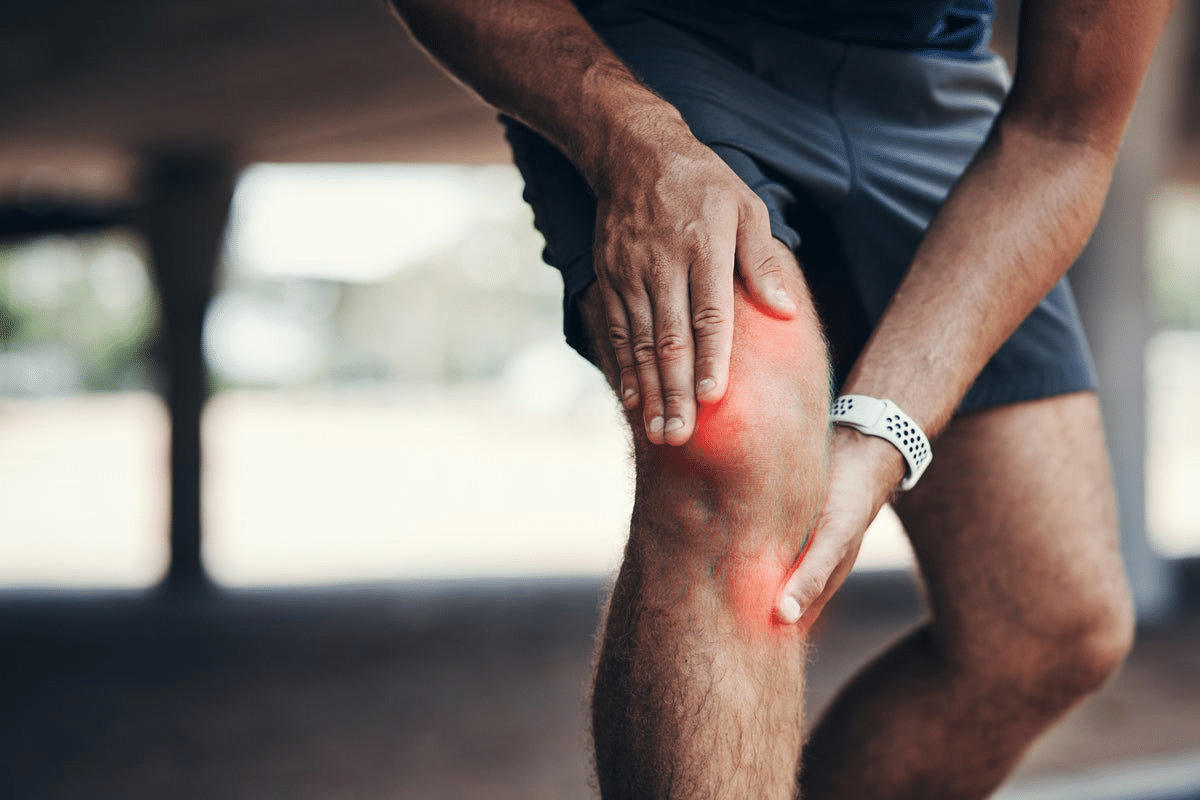
Explaining common causes of bilateral knee joint pain, often due to systemic arthritis or generalized overuse/alignment issues. Feeling pain in both knees at the same time can be scary. It can really affect your daily life. This kind of pain often means there’s a bigger issue that needs to be checked out right away.
Knee pain is common, affecting about 25 percent of adults. Over the last 20 years, it’s gotten almost 65 percent more common. This leads to almost 4 million visits to primary care each year. It shows how important it is to know why bilateral knee pain happens.
At Liv Hospital, we focus on giving you the best care. We use new ways to find out what’s wrong and the best treatments based on science.
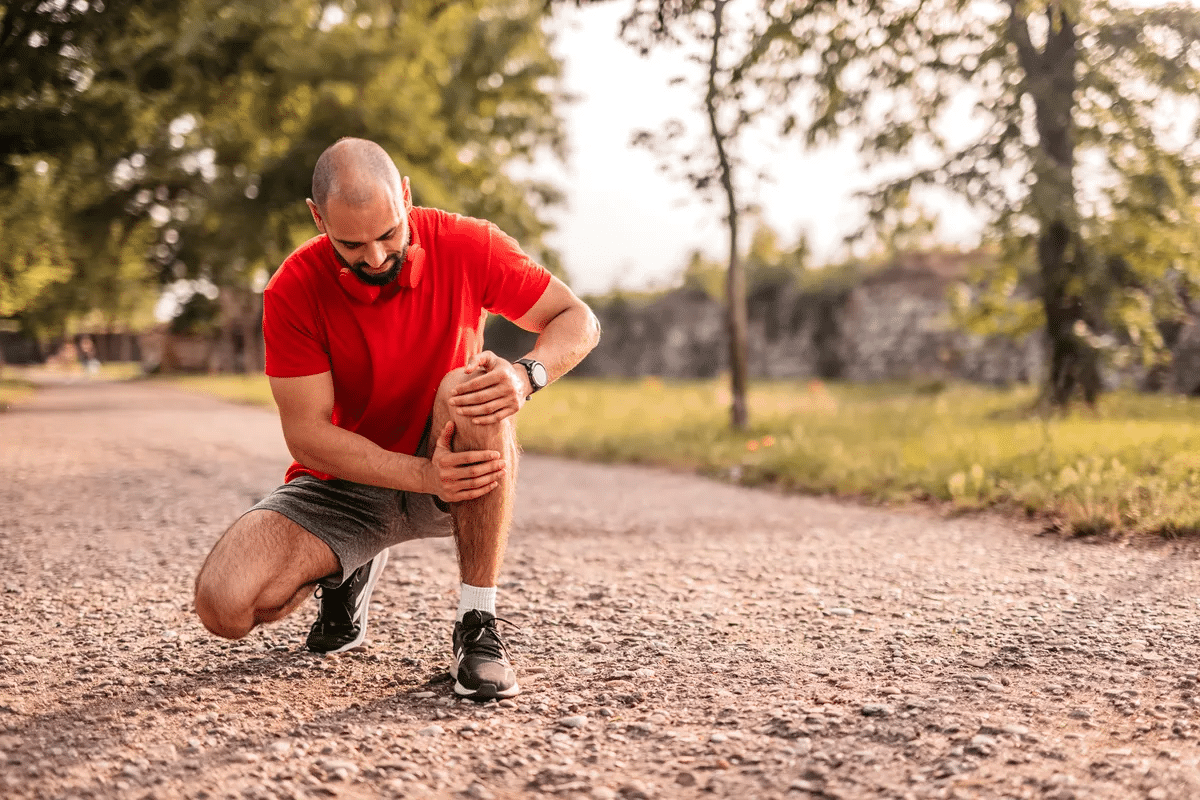
Bilateral knee pain is when you feel pain in both knees. It can make everyday tasks hard. This is different from having pain in just one knee.
Bilateral knee pain means you feel pain, stiffness, or discomfort in both knees. It can last a short time or be ongoing. Older adults and people with certain health issues often experience this.
Studies show that more people over 50 have bilateral knee pain. Obesity, past knee injuries, and genetics also play a role.
Unilateral knee pain affects one knee and is often caused by injury or overuse. Bilateral knee pain, on the other hand, affects both knees. It’s more likely to be due to conditions like arthritis.
Key differences include:
Bilateral knee pain makes simple tasks like walking or climbing stairs tough. People with this pain find it harder to move around than those with pain in just one knee.
|
Activity |
Impact of Bilateral Knee Pain |
Impact of Unilateral Knee Pain |
|---|---|---|
|
Walking |
Significant difficulty due to pain in both knees |
Moderate difficulty, as one knee is unaffected |
|
Climbing Stairs |
Very challenging, often requiring assistance |
Challenging but manageable with some effort |
|
Standing for Long Periods |
Pain and discomfort increase with time |
Pain is present but may be more manageable |
Understanding the impact of bilateral knee pain is key. Getting the right medical care is vital to manage symptoms and improve life quality.

Bilateral knee joint pain can come from many sources. This includes degenerative joint diseases and autoimmune disorders. Knowing these causes helps in finding the right treatment.
Osteoarthritis is a disease where cartilage wears down. This leads to bone rubbing against bone, causing a lot of pain. It’s a big reason for knee pain in older people. Factors that increase risk include age, being overweight, and past knee injuries.
Rheumatoid arthritis is an autoimmune disease. It causes inflammation in the joints, leading to pain, stiffness, and swelling. It can affect any joint, including the knees, and often hits both sides. Treatment usually involves medicine and changes in lifestyle.
Gout and pseudogout are conditions where crystals build up in the joints. This causes sudden, severe inflammation. Gout often starts in the big toe but can also affect the knees. Pseudogout mainly affects the knees and wrists.
Systemic inflammatory conditions like lupus and psoriatic arthritis can also cause knee pain. These conditions need a detailed management plan. This plan must address both the joint pain and the underlying disease.
Getting an accurate diagnosis is key for a good treatment plan. Doctors use imaging, lab tests, and physical exams to diagnose.
Knee pain can come on suddenly or slowly over time. Each type affects how we find and treat the cause. Knowing the type of pain helps us choose the right treatment.
Acute knee pain starts quickly, often from injury, infection, or inflammation. If both knees hurt suddenly, it might be due to infection, gout, or rheumatoid arthritis. Seeing a doctor quickly is key to figure out why and start treatment.
A study in the Journal of Rheumatology found that sudden pain in both knees can signal a bigger problem. This shows why a full check-up is important.
“The presence of acute bilateral knee pain should prompt consideration of infectious or inflammatory etiologies.”
Chronic knee pain builds up over time, often from wear and tear like osteoarthritis. It can be constant or come and go, depending on how active you are and your health.
Here’s a table that shows the main differences between acute and chronic knee pain:
|
Characteristics |
Acute Knee Pain |
Chronic Knee Pain |
|---|---|---|
|
Onset |
Sudden |
Gradual |
|
Common Causes |
Injury, Infection, Gout |
Osteoarthritis, Overuse |
|
Duration |
Short-term |
Long-term |
Acute pain can mean a serious problem, like a bad injury or infection. It’s important to know when to get help right away.
Look out for severe pain, swelling, redness, warmth, fever, or trouble walking. If you see these signs, get medical help fast to avoid lasting harm.
Many things can make both knees hurt. These include genetics, the environment, and lifestyle choices. Knowing what these are can help prevent and manage knee pain.
As we get older, our knees take more wear and tear. This can lead to knee pain. Age-related degeneration damages cartilage, bones, and tissues, causing osteoarthritis.
Being overweight is a big risk for knee pain, in both knees. Extra weight puts more stress on the knees. Losing weight through diet and exercise can help.
Genetics play a big part in some knee pain conditions, like rheumatoid arthritis. Knowing your genetic factors can help catch and treat problems early.
People with past knee injuries or surgeries are more likely to have chronic pain. Knee injuries and surgeries can cause lasting damage, including degeneration.
By understanding and tackling these risk factors, we can prevent or manage knee pain. This improves our overall well-being.
Understanding why bilateral knee pain happens is key to managing it. Many people get knee pain from activities that put too much stress on the joint.
Overuse syndromes are a big reason for bilateral knee pain, mainly in athletes or those doing repetitive tasks. Patellofemoral pain syndrome is common, causing pain around or behind the kneecap. It often happens with activities like running, jumping, or squatting.
Those with bilateral knee pain often feel pain in different spots because of constant stress. To manage this, it helps to take breaks, rest, and do physical therapy to strengthen the knee muscles.
Sports-specific injuries are another big cause of bilateral knee pain. Different sports put different stresses on the knee. For example, runners might get pain from the impact, while soccer players might get ligament sprains or meniscal tears.
It’s important to know the specific demands of your sport to prevent injuries. Training that includes strengthening, flexibility, and proper warm-ups can help reduce the risk of knee pain from sports.
Jobs that involve a lot of standing, kneeling, or heavy lifting can cause knee pain. Work that requires a lot of squatting or climbing can make knee pain worse.
Changing your work setup, like using knee pads or adjusting tasks, can help reduce knee stress. Taking regular breaks and stretching can also help.
Doing exercises wrong can put too much stress on the knee, leading to pain. Deep squats or lunges, if done incorrectly, can be very stressful on the knees.
Learning the right way to do exercises is important to avoid knee pain. Strengthening your core and leg muscles can also support your knee better.
|
Activity |
Potential Risk |
Preventive Measure |
|---|---|---|
|
Running |
Overuse syndromes |
Gradual training, proper footwear |
|
Squatting |
Knee ligament strain |
Proper form, strengthening exercises |
|
Kneeling |
Patellofemoral pain |
Knee pads, regular breaks |
Spotting the signs of pain in both knees is the first step to feeling better. People with this issue often face many symptoms that affect their daily life.
The pain in both knees can feel sharp, dull, or burning. Knowing the pain characteristics and patterns helps doctors diagnose. The pain might be constant or only happen during activities like walking.
Swelling, stiffness, and inflammation are also common. Swelling can be seen or felt, and stiffness makes moving harder. Inflammation makes the knees feel warm. These signs often point to an inflammatory issue.
Bilateral knee pain can make moving harder. Simple tasks like walking or standing become tough. This makes the pain worse, creating a cycle of pain and reduced function.
In some cases, knee pain comes with other symptoms like fever or fatigue. This is often due to an inflammatory or infectious cause. Spotting these symptoms is key for a full diagnosis and treatment.
By knowing the symptoms of bilateral knee pain, people can get the right medical help. They can then create a treatment plan that meets their needs.
It’s important to know when to see a doctor for bilateral knee pain. This is key to avoid more problems and get the right treatment on time.
Some symptoms mean you need to see a doctor right away. Severe swelling, trouble walking, or ongoing pain are signs you shouldn’t ignore. If you notice these, you should talk to a healthcare expert.
At times, knee pain can be a sign of a serious issue that needs quick medical help. Severe pain, redness, or warmth around the knee might mean an infection or another serious problem. If you see these signs, get medical help fast.
Before your doctor visit, make a list of your symptoms. Include when they started and what makes them better or worse. Also, write down any medicines you’re taking and past knee issues or surgeries.
Your doctor will ask many questions to find out what’s causing your knee pain. They might ask about your health history, lifestyle, and pain details. Being ready to share this info helps your doctor make a correct diagnosis.
Healthcare professionals use many ways to find out why both knees hurt. They need to know the cause to treat it right.
A physical check is the first step. Doctors look for swelling, redness, and warmth. They also check how well the knees move and what makes the pain worse.
They might do special tests like the Lachman test or McMurray’s test. These help find injuries to ligaments or tears in the meniscus.
Imaging studies show what’s inside the knee. X-rays help find bone problems like fractures or osteoarthritis. MRI (Magnetic Resonance Imaging) shows soft tissues like ligaments and cartilage. It’s great for spotting sprains, tears, and tendonitis.
CT scans give a detailed look at bones. They’re used when X-rays don’t show enough.
Laboratory tests check for diseases or infections. Blood tests and fluid analysis can spot things like rheumatoid arthritis or gout. They help find the cause of knee pain.
Differential diagnosis is about looking at all possible causes. It’s about ruling out unlikely ones. This is key to finding the right diagnosis and treatment.
|
Diagnostic Method |
Primary Use |
Key Findings |
|---|---|---|
|
Physical Examination |
Initial assessment |
Swelling, redness, range of motion |
|
X-rays |
Bone fractures, osteoarthritis |
Fractures, joint space narrowing |
|
MRI |
Soft tissue injuries |
Ligament sprains, meniscal tears |
|
Laboratory Tests |
Systemic conditions, infections |
Rheumatoid factor, synovial fluid analysis |
Treating bilateral knee joint pain requires a mix of methods. This includes both non-surgical and surgical options. Each plan is made to fit the person’s specific needs, based on the cause, how severe it is, and how it affects daily life.
For many, the first step is non-surgical treatment. This approach aims to lessen symptoms, improve function, and enhance life quality without surgery. Key strategies include:
Physical therapy is key in non-surgical treatment. It helps patients regain strength and mobility. A physical therapist creates a personalized exercise plan to meet specific needs and limitations.
There are many medications for bilateral knee pain. These include:
It’s essential to consult with a healthcare provider before starting any medication regimen to discuss its benefits and risks.
Physical therapy is a mainstay in treating bilateral knee pain. It focuses on exercises that boost strength, flexibility, and range of motion. A well-structured rehabilitation program helps patients get back to their usual activities.
For those who don’t get better with non-surgical methods, injections and minimally invasive procedures are options. These include:
|
Treatment |
Description |
Benefits |
|---|---|---|
|
Corticosteroid injections |
Reducing inflammation and pain |
Quick relief, reduced inflammation |
|
Hyaluronic acid injections |
Lubricating the joint |
Improved joint lubrication, reduced pain |
|
Platelet-rich plasma (PRP) therapy |
Stimulating healing |
Potential for tissue repair, reduced pain |
These treatments can offer significant relief for those with bilateral knee pain. They can greatly improve their quality of life.
Understanding bilateral knee pain is key to managing it well. Keeping a healthy weight and staying active helps a lot. Doing exercises that are easy on the joints also helps.
To live well with bilateral knee pain, you need a plan. This plan should include healthy habits, gentle exercises, and sometimes medical help. Taking care of your knees can make you feel better and move easier.
In short, dealing with bilateral knee pain is possible. With the right steps, you can keep living your life fully and healthily.
Bilateral knee pain is when you feel pain in both knees at the same time. It can happen for many reasons, like osteoarthritis or overusing your knees.
Many things can cause bilateral knee pain. Osteoarthritis, rheumatoid arthritis, and gout are common. Age, being overweight, and past knee injuries also play a part.
Osteoarthritis wears down the cartilage in your knees. This can cause pain and stiffness as the bones rub together.
Acute pain comes on suddenly, often from an injury. Chronic pain builds up over time, like with osteoarthritis.
See a doctor if your pain, swelling, or stiffness is severe. Also, watch for redness, warmth, or if your knees feel unstable.
Doctors use physical exams, imaging tests, and lab tests to find the cause. They look at your symptoms and medical history to diagnose.
Treatments include physical therapy, medicine, and changing your lifestyle. Sometimes, injections or small procedures are needed.
Yes, many cases can be managed without surgery. Physical therapy, medicine, and lifestyle changes can help a lot.
To prevent it, stay healthy, exercise regularly, and avoid too much stress on your knees. Use the right shoes and tools like canes to help.
Physical therapy can make your knees work better, reduce pain, and improve how you move. A therapist will create a plan just for you.
Yes, it can be a sign of something bigger, like rheumatoid arthritis. Always check with a doctor to find out why you’re in pain.
