Last Updated on December 1, 2025 by Bilal Hasdemir

Retinoblastoma is a rare eye cancer that affects about 1 in 15,000 kids worldwide. It’s a big worry for families and doctors.
Getting a retinoblastoma diagnosis is tough. But, thanks to new medical discoveries, treatments have gotten better. This is true, even for kids with bilateral retinoblastoma, where both eyes are affected.
It’s key to know about the genes and how retinoblastoma works. This knowledge helps families and patients dealing with this disease. We’ll look into what bilateral retinoblastoma means and why getting the right care is so important.
Key Takeaways
- Retinoblastoma is a rare form of eye cancer mainly found in children.
- Bilateral retinoblastoma affects both eyes and needs special care.
- Knowing about the genes and how it works is vital for treatment.
- New medical discoveries have made treatments more effective.
- Getting full care is critical for those with retinoblastoma and their families.
What Is Retinoblastoma?
Retinoblastoma is a cancer that starts in the retina, mainly in young kids. It’s important to know what this disease is and how it affects children.
Definition and Basic Characteristics
Retinoblastoma is a cancer of the retina, the part of the eye that catches light. It happens when the RB1 gene, which controls cell growth, mutates. This mutation causes cells to grow out of control, forming a tumor.
Retinoblastoma can affect one eye (unilateral) or both (bilateral). Bilateral cases often have a genetic link. The disease can show up in different ways, like a white pupil, crossed eyes, or vision issues. Finding it early is key to treating it well and saving vision.
Prevalence and Demographics
Retinoblastoma is rare, happening in about 1 in 15,000 to 1 in 20,000 births. It’s most common in kids under five, making it a big deal in pediatric cancer. Boys and girls get it equally, and it can happen in any ethnic group. While it’s mostly seen in kids, it can also be found in older kids and, very rarely, in adults.
To wrap up, here are the main points about retinoblastoma:
- Rare Disease: Affects 1 in 15,000 to 1 in 20,000 live births.
- Pediatric Focus: Primarily diagnosed in children under five years old.
- Genetic Component: Often associated with a mutation in the RB1 gene.
- Variable Presentation: Can be unilateral or bilateral.
Bilateral Retinoblastoma: When Cancer Affects Both Eyes

When retinoblastoma happens in both eyes, it’s called bilateral retinoblastoma. It brings its own set of challenges. This rare eye cancer affects both eyes, often linked to a genetic predisposition.
Distinguishing Features of Bilateral Cases
Bilateral retinoblastoma stands out because of tumors in both eyes. It usually comes from a genetic mutation in the RB1 gene. People with this condition are often diagnosed younger than those with one eye affected.
Each eye may progress differently, needing a unique treatment plan. This personalized approach is key to saving vision and fighting cancer.
Comparative Risk Assessment
Comparing bilateral and unilateral retinoblastoma shows big differences. Those with bilateral are at higher risk for secondary cancers. Vision loss is also a big worry.
But, thanks to new medical tech and treatments, outcomes have gotten better. Early detection and action are vital for better survival and vision.
Regular check-ups and care are essential for managing bilateral retinoblastoma risks.
Genetic Foundations of Retinoblastoma

Retinoblastoma starts with the RB1 gene, which stops cells from growing too much. This gene is a tumor suppressor. It makes sure cells grow, divide, and die properly. If the gene is changed, it can cause retinoblastoma, a cancer in the retina.
The Retinoblastoma Gene (RB1)
The RB1 gene makes a protein called pRB or Rb. This protein helps control cell growth and division. If both copies of the RB1 gene in a cell are changed, the cell can’t control its growth. This can lead to tumors. The RB1 gene is very important in retinoblastoma, as most cases come from its mutations.
Hereditary vs. Sporadic Cases
Retinoblastoma can happen in two ways. Hereditary retinoblastoma comes from inheriting a changed RB1 gene from a parent. This increases the risk of getting retinoblastoma, often in both eyes. Sporadic retinoblastoma happens when a child gets a changed RB1 gene by chance. It usually affects one eye.
| Characteristics | Hereditary Retinoblastoma | Sporadic Retinoblastoma |
| Genetic Cause | Inherited mutation of RB1 gene | Spontaneous mutation of RB1 gene |
| Bilaterality | Often bilateral | Typically unilateral |
| Risk of Secondary Tumors | Higher risk | Lower risk compared to hereditary |
Knowing if retinoblastoma is hereditary or sporadic is key. It helps in treating the disease and checking family members’ risks. Genetic tests can find RB1 gene changes. This helps families with retinoblastoma a lot.
Recognizing Retinoblastoma Symptoms
Spotting retinoblastoma symptoms early is key to managing the disease. Early detection can greatly improve treatment results. Retinoblastoma shows clear signs that can lead to quick medical help.
Common Warning Signs
There are several common signs of retinoblastoma that parents and caregivers should watch for. These include:
- Leukocoria, or the white pupil reflex, which is often the first noticeable sign
- Strabismus, or crossed eyes, due to vision problems caused by the tumor
- Eye redness or swelling, which can be indicative of advanced disease
- Vision impairment, where children may exhibit difficulty seeing or following objects
These symptoms can be subtle and might be mistaken for other issues. But, any unusual eye changes should lead to a doctor’s visit.
The Significance of Leukocoria (White Pupil Reflex)
Leukocoria, or the white pupil reflex, is a critical early warning sign of retinoblastoma. It happens when light is shone into the eye and shows a white reflex instead of the usual red. This is because the tumor reflects light back through the pupil.
Early detection of leukocoria is key to better treatment outcomes. Parents often first notice leukocoria in flash photos, where one eye looks white or different.
Spotting leukocoria and other retinoblastoma symptoms is the first step to effective management. If you think your child shows these signs, see a healthcare professional right away.
Diagnostic Journey for Retinoblastoma
Diagnosing retinoblastoma is a detailed process. It includes eye exams and special tests. We’ll explain each step in diagnosing this complex condition.
Initial Screening Methods
The first step is a thorough eye exam. We look for tumors in the retina with fundoscopy. This is key to spotting signs like a white pupil or crossed eyes.
Key initial screening methods include:
- Fundoscopy: A detailed retina check with an ophthalmoscope.
- Visual acuity tests: Checking the child’s vision for any problems.
- External eye examination: Searching for signs like strabismus or bulging eyes.
Advanced Imaging Techniques
After initial signs, we use advanced imaging to confirm the diagnosis. These tests help us understand the disease’s extent. This info is vital for treatment planning.
Advanced imaging techniques used include:
- Ultrasound: Evaluates the tumor’s size and spread.
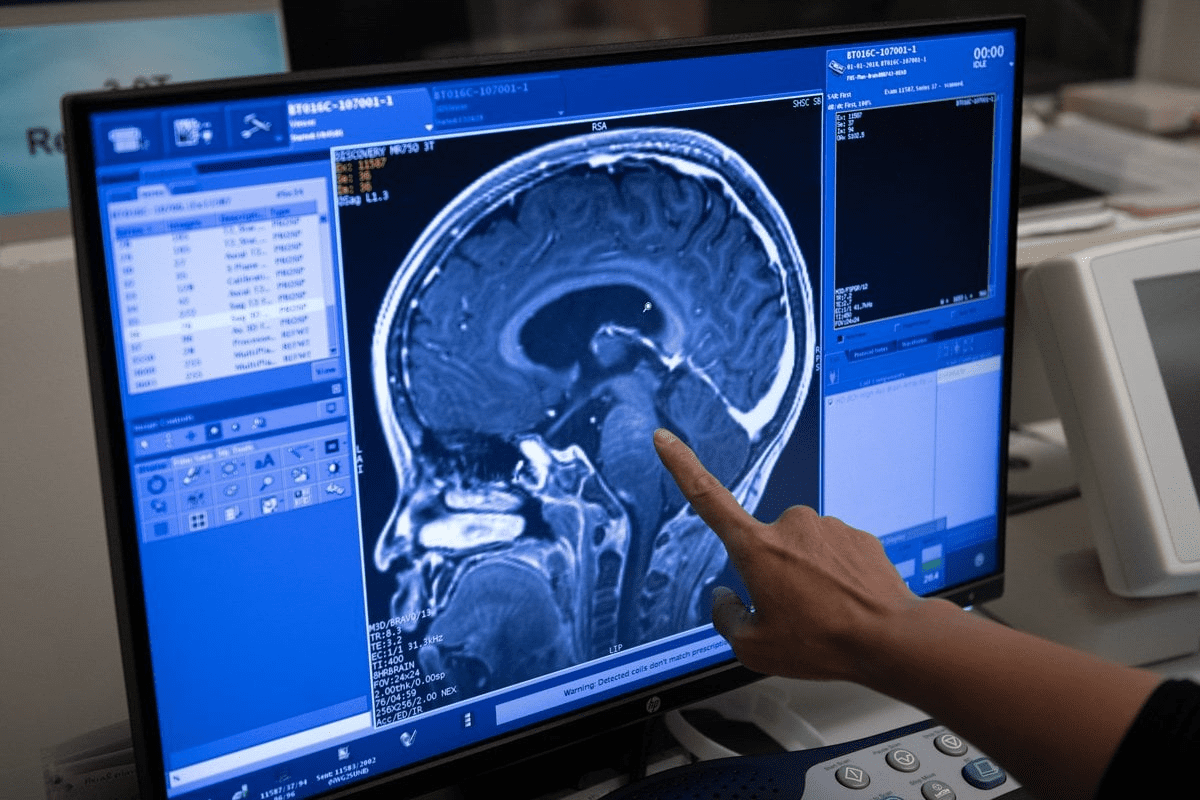
- MRI (Magnetic Resonance Imaging): Gives detailed images of the eye and surrounding areas.
- CT scans: Though less common due to radiation risks, they help assess tumor size and spread.
Genetic Testing Protocols
Genetic testing is key in diagnosing retinoblastoma. It helps find the RB1 gene mutation. We test to see if the condition is inherited or not.
The genetic testing process involves:
- Identifying RB1 gene mutations through DNA analysis.
- Testing family members if a hereditary pattern is suspected.
- Counseling families about the implications of genetic test results.
By using eye exams, imaging, and genetic tests, we can accurately diagnose retinoblastoma. Then, we create a treatment plan that meets each patient’s needs.
Understanding Retinoblastoma Staging
Getting retinoblastoma right means knowing its stage. Staging shows how big the tumor is and if it has spread. This info is key for treatment plans.
The International Intraocular Retinoblastoma Classification System
The International Intraocular Retinoblastoma Classification system is a big help. It sorts retinoblastoma by tumor size, location, and if it’s spread through the eye or under the retina.
Classification Groups:
| Group | Description |
| A | Tumors are small, with a maximum size of 3 mm, and are confined to the retina. |
| B | Tumors are larger than 3 mm, or there are retinal tumors of any size with subretinal fluid. |
| C | Tumors have localized vitreous or subretinal seeding. |
| D | Tumors have diffuse vitreous or subretinal seeding. |
| E | Tumors occupy more than 50% of the globe, or there is neovascular glaucoma, or the tumor is touching the lens. |
A top oncologist says, “The classification system helps tailor treatments to each patient. This improves results.”
“Accurate staging is key in managing retinoblastoma. It leads to more personalized care.”
How Staging Influences Treatment Decisions
The stage of retinoblastoma affects treatment choices. Early stages might get laser or cryotherapy. But, more advanced cases might need stronger treatments like chemotherapy or removing the eye.
Knowing the stage of retinoblastoma helps doctors:
- Understand the prognosis
- Choose the best treatment
- Reduce risks of complications
- Boost patient success rates
Accurate staging means patients get the right care. This boosts their chances of a good outcome.
Survival Rates and Prognosis Factors
Thanks to early detection and effective treatments, retinoblastoma survival rates have gone up. It’s important to know what affects a patient’s prognosis.
Overall Survival Statistics
The survival rate for retinoblastoma has greatly improved. Studies show that in developed countries, the five-year survival rate is over 95%. This boost is mainly due to better treatments and catching the disease early.
| Region | Five-Year Survival Rate |
| Developed Countries | >95% |
| Developing Countries | 70-90% |
Factors That Improve Prognosis
Several things can help a retinoblastoma patient’s chances of survival. These include:
- Early Detection: Finding the disease early can greatly improve treatment results.
- Localized Disease: Patients with the disease only in the eye have a better chance than those with it spreading.
- Effective Treatment: New treatments like chemotherapy and laser therapy have raised survival rates.
- Genetic Testing: Knowing the patient’s genetic status can help tailor treatments for better results.
Factors That Worsen Prognosis
On the other hand, some factors can make a patient’s prognosis worse. These include:
- Delayed Diagnosis: Finding the disease late can make it harder to treat.
- Extraocular Extension: Disease spreading beyond the eye is a bad sign.
- Poor Response to Treatment: If treatments don’t work, the prognosis is worse.
- Presence of Secondary Tumors: Patients with secondary cancers face extra challenges.
Knowing these factors helps doctors and families make better treatment choices. By focusing on early detection and the right treatments, we can keep improving survival rates for retinoblastoma patients.
Comprehensive Treatment Approaches
Today, treating retinoblastoma involves many methods, each chosen based on the patient’s needs. The main goal is to fight the disease well, keep the patient’s vision, and avoid lasting side effects.
Focal Therapies
Focal therapies target the tumor directly. They include laser photocoagulation, cryotherapy, and thermotherapy. Laser photocoagulation uses a laser to kill the tumor by cutting off its blood supply. Cryotherapy freezes the tumor cells, causing them to die. Thermotherapy uses heat to kill the tumor, often with chemotherapy.
Systemic Chemotherapy
Systemic chemotherapy is key for treating retinoblastoma, mainly for advanced cases. It involves giving chemotherapy drugs through an IV to fight cancer cells everywhere in the body.
“Chemotherapy has revolutionized the treatment of retinoblastoma, significantly improving survival rates and reducing the need for enucleation.”
The treatment plan is made carefully, based on the disease’s stage and spread.
Radiation Options
Radiation therapy is also a vital treatment for retinoblastoma. It includes external beam radiation therapy (EBRT) and plaque brachytherapy. EBRT sends radiation from outside the body to the tumor. Plaque brachytherapy places a radioactive plaque on the eye, near the tumor, for targeted radiation.
Surgical Interventions
Surgery is considered when other treatments don’t work or are not possible. The main surgery is enucleation, removing the eye. This is a big decision but can save lives in advanced cases. Prosthetic eyes can help with appearance.
Vision Preservation Strategies in Bilateral Cases
Keeping vision in bilateral retinoblastoma cases is a big challenge. It needs a careful mix of fighting the disease and saving sight. We’ll look at the best ways to do this.
Eye-Salvaging Treatment Protocols
In cases of bilateral retinoblastoma, we aim to save as much sight as we can. Eye-salvaging treatment protocols are made to do this. They use different treatments based on what each patient needs.
- Chemotherapy to shrink tumors
- Local treatments like laser or cryotherapy to target tumors
- Intra-arterial chemotherapy for tough tumors
These treatments are picked based on the tumor, the child’s health, and how much sight we can save.
Managing Visual Impairment
Even with the best treatments, some kids with bilateral retinoblastoma might see things differently. Managing this is key for their happiness. It involves many supportive steps.
| Supportive Measure | Description | Benefit |
| Visual aids | Use of magnifying glasses, large print, and other tools | Helps with what they can see |
| Rehabilitation therapy | Training to live with vision loss, like getting around | Makes them more independent |
| Educational support | Learning plans made just for them | Helps with school and growing |
By using the latest treatments and lots of support, we can really help kids with bilateral retinoblastoma.
Long-Term Health Considerations
Survivors of retinoblastoma face unique long-term health challenges. It’s important to understand the long-term implications for survivors. This helps in managing their health better.
Risk of Secondary Malignancies
Survivors of retinoblastoma are at risk of developing secondary malignancies. This risk is higher for those with a genetic predisposition. Genetic mutations that cause retinoblastoma can increase the risk of other cancers.
Studies show that survivors with hereditary retinoblastoma face a higher risk of secondary cancers. The exact mechanisms are under investigation. It’s believed that the same genetic mutations that predispose individuals to retinoblastoma may also contribute to the development of these secondary malignancies.
Lifelong Monitoring Requirements
Lifelong monitoring is essential for retinoblastoma survivors. This includes regular follow-up appointments and surveillance for new symptoms. It also includes genetic counseling for families.
A follow-up care plan should be tailored to the individual’s needs. This may include periodic imaging studies, screenings for other cancers, and monitoring for any late effects of treatment. By staying vigilant and proactive, we can improve the long-term outcomes for retinoblastoma survivors.
Retinoblastoma in Adult Patients
Retinoblastoma is usually seen in kids, but it can also happen in adults. This requires special treatment plans. Adult cases of retinoblastoma bring their own set of challenges.
Adult-Onset Cases
Adult retinoblastoma is different from the childhood version. Adults might show different symptoms or have unique genetic risks. Key points include:
- Late Diagnosis: Adults are often diagnosed later because it’s rare in this age group.
- Different Tumor Characteristics: Adult tumors may have different genetic changes than those in kids.
Treatment Differences in Adults
Treatment for adult retinoblastoma is different from kids’. Important factors include:
- Overall Health: Adults might have other health issues that affect treatment choices.
- Tumor Characteristics: The tumor’s genetic and pathological features guide treatment.
- Treatment Goals: Saving vision and reducing side effects are top priorities.
It’s vital to understand these differences for effective treatment plans. By focusing on adult retinoblastoma’s unique aspects, doctors can provide better care.
Breakthrough Research and Emerging Therapies
Recent studies have led to new ways to fight retinoblastoma. We’re seeing exciting changes in how we treat this disease. Several promising options are being explored.
Novel Treatment Approaches
Scientists are looking into new ways to help retinoblastoma patients. They’re focusing on targeted therapies. These aim to kill cancer cells without harming healthy ones. For example, treatments targeting the RB1 gene are showing promise in early tests.
Immunotherapy is also being studied. It uses the body’s immune system to attack cancer. Checkpoint inhibitors and CAR-T cell therapy are being tested for retinoblastoma treatment.
Promising Clinical Trials
Many clinical trials are underway to test new treatments for retinoblastoma. These trials are key to understanding the disease better. They help us find more effective ways to treat it.
| Trial Name | Treatment Approach | Status |
| Trial XYZ | Targeted Therapy + Chemotherapy | Ongoing |
| Trial ABC | Immunotherapy | Recruiting |
| Trial DEF | Intra-arterial Chemotherapy | Active |
As these trials continue, we expect to learn more about the best treatments. The future of retinoblastoma treatment is bright. These new therapies offer hope for better outcomes for patients.
Family Support and Resources
Families facing retinoblastoma need more than just medical care. They need strong support systems. The diagnosis can deeply affect their emotional, financial, and social lives.
Psychological Impact on Families
The emotional impact of retinoblastoma on families is huge. Parents and siblings may feel shocked, anxious, or depressed. It’s vital for families to get full psychological support to deal with these feelings.
It’s not just the patient who feels the emotional weight. The whole family needs support. Counseling and support groups offer a place to share and find comfort.
Support Organizations and Resources
Many groups help families with retinoblastoma. They provide emotional support, financial help, and educational materials. These organizations are key in guiding families through retinoblastoma care.
There are support hotlines, online forums, and in-person groups available.
We urge families to use these resources and reach out to support groups. This way, they can get the help they need to face retinoblastoma’s challenges. Together, we can help those affected by this condition.
Conclusion: Living Beyond a Retinoblastoma Diagnosis
Retinoblastoma is a complex disease that needs a lot of care and support. Thanks to new treatments, many people are now living longer after being diagnosed. This shows how important it is to focus on survivorship and keeping an eye on long-term health.
Dealing with retinoblastoma means more than just treating the disease. It’s also about managing its long-term effects and making sure patients get the support they need. Regular check-ups are key to catch any new cancers early and help families cope with the emotional side of the disease.
Understanding retinoblastoma and the help available can make a big difference. Families and patients can face this tough journey with more hope and strength. A team approach to care, combining medical help with emotional support, is the best way to help those affected by retinoblastoma.
FAQ
What is retinoblastoma?
Retinoblastoma is a rare eye cancer in young kids, usually under five. It starts in the retina, the back of the eye.
What are the symptoms of retinoblastoma?
Signs include a white pupil, crossed eyes, vision issues, and sometimes a red, sore eye. Catching it early is key.
Is retinoblastoma hereditary?
Yes, it can run in families due to a gene mutation. About 40% of cases are inherited, while 60% are not.
How is retinoblastoma diagnosed?
Doctors use eye exams, ultrasound, MRI, and genetic tests. These help find out how far the disease has spread.
What are the treatment options for retinoblastoma?
Treatments include laser therapy, chemotherapy, radiation, or removing the eye. The best option depends on the disease’s stage.
Can retinoblastoma be cured?
Yes, early treatment leads to a high cure rate. Early detection is very important.
What is bilateral retinoblastoma?
It’s when both eyes have the disease. It often comes from a genetic mutation and needs careful management.
How does retinoblastoma affect vision?
It can cause vision loss, depending on the tumor. Saving vision is key, even in both eyes.
Are there any long-term health considerations for retinoblastoma survivors?
Survivors face a higher risk of other cancers. They need lifelong check-ups to catch any new problems early.
Can adults develop retinoblastoma?
Yes, but it’s rare. Adults have different types and treatments. It might be linked to different genes.
What support is available for families affected by retinoblastoma?
Families can find support groups and resources. They offer emotional help, advice, and information on managing the disease.
What advancements are being made in retinoblastoma research?
Researchers are working on new treatments and improving old ones. Clinical trials aim to find better ways to fight the disease with fewer side effects.
References:
- Djouder, N., & Rigual, M. del Mar. (2025). CNIO researchers discover a new mechanism for rapid liver regeneration triggered by glutamate. Nature. https://www.cnio.es/en/news/cnio-researchers-discover-a-new-mechanism-for-rapid-liver-regeneration-triggered-by-glutamate/