Last Updated on November 26, 2025 by Bilal Hasdemir
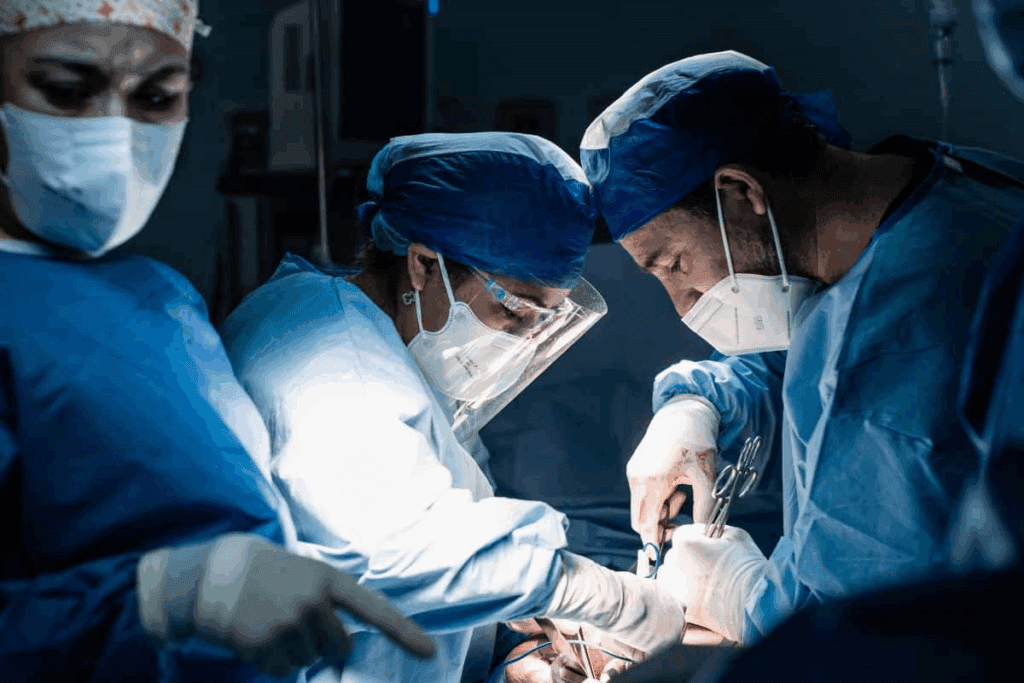
A cholecystectomy is a surgery to remove the gallbladder. It’s a common procedure done all over the world. But, some people might face digestive issues after the surgery. A bile leak is one of these issues, happening in about 1.1 to 4 percent of cases.
It’s important to know about the causes, symptoms, and recovery guide for a bile leak. Getting the right care early on can make a big difference in how well you recover.
Key Takeaways
- Understanding the risks and complications of cholecystectomy is essential.
- A bile leak is a recognized complication after cholecystectomy.
- Symptoms and causes of bile leak should be identified for effective management.
- Timely intervention is key for a better recovery.
- Expert care and patient-centered protocols improve outcomes.
Understanding Gallbladder Surgery and Bile Production

It’s important for patients to understand gallbladder surgery. This is because it affects how bile is made and flows. The surgery is common but has big effects on the digestive system.
What is a Cholecystectomy Procedure?
A cholecystectomy is done by using a tiny camera and special tools through small cuts in the belly. This method lets surgeons see the gallbladder and nearby areas without harming much tissue. They then remove the gallbladder and any stones it might have.
The Biliary System and Bile Flow
The biliary system includes the liver, gallbladder, and bile ducts. It’s key for digestion. After surgery, bile goes straight from the liver to the small intestine. This change can impact digestion, but the body usually adjusts.
Normal Post-Surgical Healing Process
After surgery, the body starts to heal and get used to the new biliary system. Most people can get back to normal in a few weeks. But, some might notice changes in bowel movements or feel discomfort. It’s important to keep in touch with a doctor to catch any issues, like a post cholecystectomy bile leak or biliary leak after cholecystectomy, early on.
Bile Leak After Cholecystectomy: Definition and Prevalence

A bile leak after cholecystectomy can really affect a patient’s recovery. It happens when bile flows out of the biliary system by mistake. This usually happens because of damage to the bile ducts or related areas.
Statistical Occurrence Rates
Studies show bile leaks happen in about 1.1% to 4% of patients after cholecystectomy. This range shows how different surgical methods and patient health can affect the outcome.
- 1.1% to 4% occurrence rate shows the risk of bile leaks after cholecystectomy.
- Different rates might be because of surgical techniques and patient health.
Timing of Leak Development
Patients might show signs of bile leaks soon after surgery, often within days. How soon it happens depends on the leak’s severity and the patient’s health.
“Early detection and management of bile leaks are critical to prevent further complications.”
Risk Factors for Developing Biliary Leaks
Several things can make it more likely for biliary leaks to happen, including:
- Complexity of the surgery: More complex surgeries or those with inflammation or adhesions.
- Patient’s overall health: Conditions like diabetes or obesity can slow healing.
- Surgical technique: Whether the surgery was laparoscopic or open can affect the risk.
Knowing about these risk factors and how common bile leaks are is key. It helps manage patient expectations and improve surgery results.
Common Anatomical Sources of Biliary Leakage
It’s important to know where biliary leaks come from to manage them well. Leaks can happen in different parts of the biliary system after cholecystectomy.
Cystic Duct Stump Complications
The cystic duct stump is a common place for bile leaks after gallbladder removal. Inadequate closure or slippage of clips/ligatures can cause leaks. Reasons for leaks include:
- Incomplete clip or ligature application
- Necrosis of the stump due to compromised blood supply
- Retained stones or debris causing obstruction
As noted by
“Experts in the field of gastroenterology,”
the cystic duct stump needs careful attention during surgery to avoid future problems.
Ducts of Luschka: Aberrant Biliary Branches
Ducts of Luschka are small, unusual bile ducts that might connect to the gallbladder or cystic duct. They are often missed during surgery, which can lead to leaks. Not everyone has ducts of Luschka, making it hard to find them before surgery.
Other Possible Leak Points in the Biliary Tree
Other places where biliary leaks can happen include:
- Accessory bile ducts
- Common bile duct injuries
- Intrahepatic bile ducts
These areas need to be checked during tests to find the exact leak source.
Recognizing Symptoms of Post-Cholecystectomy Bile Leaks
It’s important to know the signs of bile leakage after cholecystectomy. Patients may show symptoms soon after surgery. These signs can mean a bile leak is happening.
Early Warning Signs Within Days of Surgery
After cholecystectomy, watch for early signs of bile leak. Look out for abdominal pain, fever, and nausea. These symptoms happen when bile builds up in the belly, causing infection or irritation.
Abdominal Pain Patterns and Characteristics
Abdominal pain from bile leaks can be different. It often hurts a lot and is in the right upper belly. It might also spread to the back or shoulder, making it hard to diagnose. Keep track of how bad the pain is, how long it lasts, and what makes it better or worse.
Systemic Symptoms: Fever, Jaundice, and Abdominal Distension
Systemic signs can also show a bile leak. Fever happens when there’s an infection. Jaundice is when the skin and eyes turn yellow because of bilirubin. Abdominal distension is when the belly gets big because of bile or fluid. These signs mean you need to see a doctor right away.
Emergency Warning Signs Requiring Immediate Care
Some symptoms need help right away. Look out for severe belly pain, high fever, vomiting blood, or shock signs. If you see these, get medical help fast.
| Symptom | Description | Action Required |
| Abdominal Pain | Persistent pain in the abdomen, possibly radiating to the back or shoulder | Monitor pain characteristics; seek medical help if severe |
| Fever | Elevated body temperature indicating possible infection | Seek medical evaluation |
| Jaundice | Yellowing of the skin and eyes due to bilirubin accumulation | Medical evaluation necessary |
Diagnostic Approaches for Detecting Biliary Leaks
After a cholecystectomy, bile leaks can be found through different tests. These tests help find out if there’s a leak and how big it is. They guide doctors on what to do next.
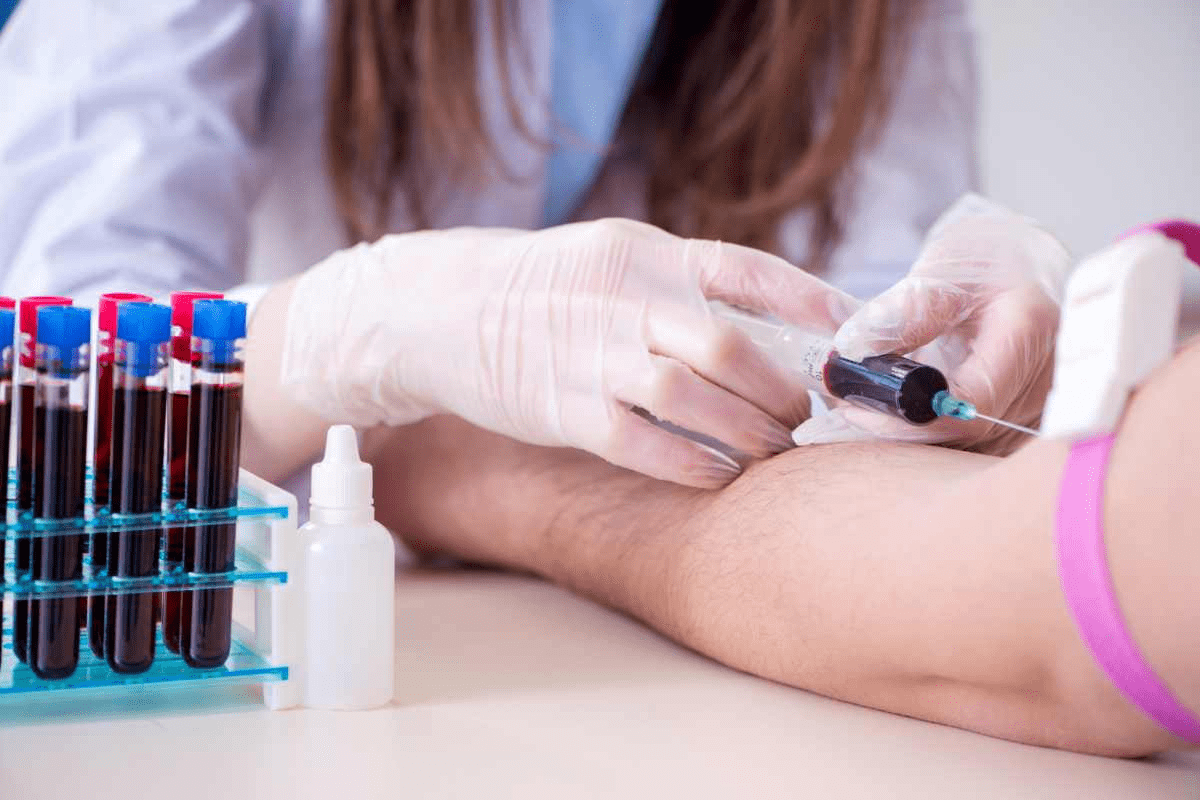
Laboratory Tests and Biomarkers
Laboratory tests are key in checking for bile leaks. Important tests include:
- Bilirubin levels: High bilirubin means there might be a bile leak.
- Liver enzymes: If liver enzyme levels are off, it could mean a blockage or leak.
- White blood cell count: A high count can show infection or inflammation from a bile leak.
These tests give clues, but they need to be looked at with imaging studies too.
Imaging Modalities
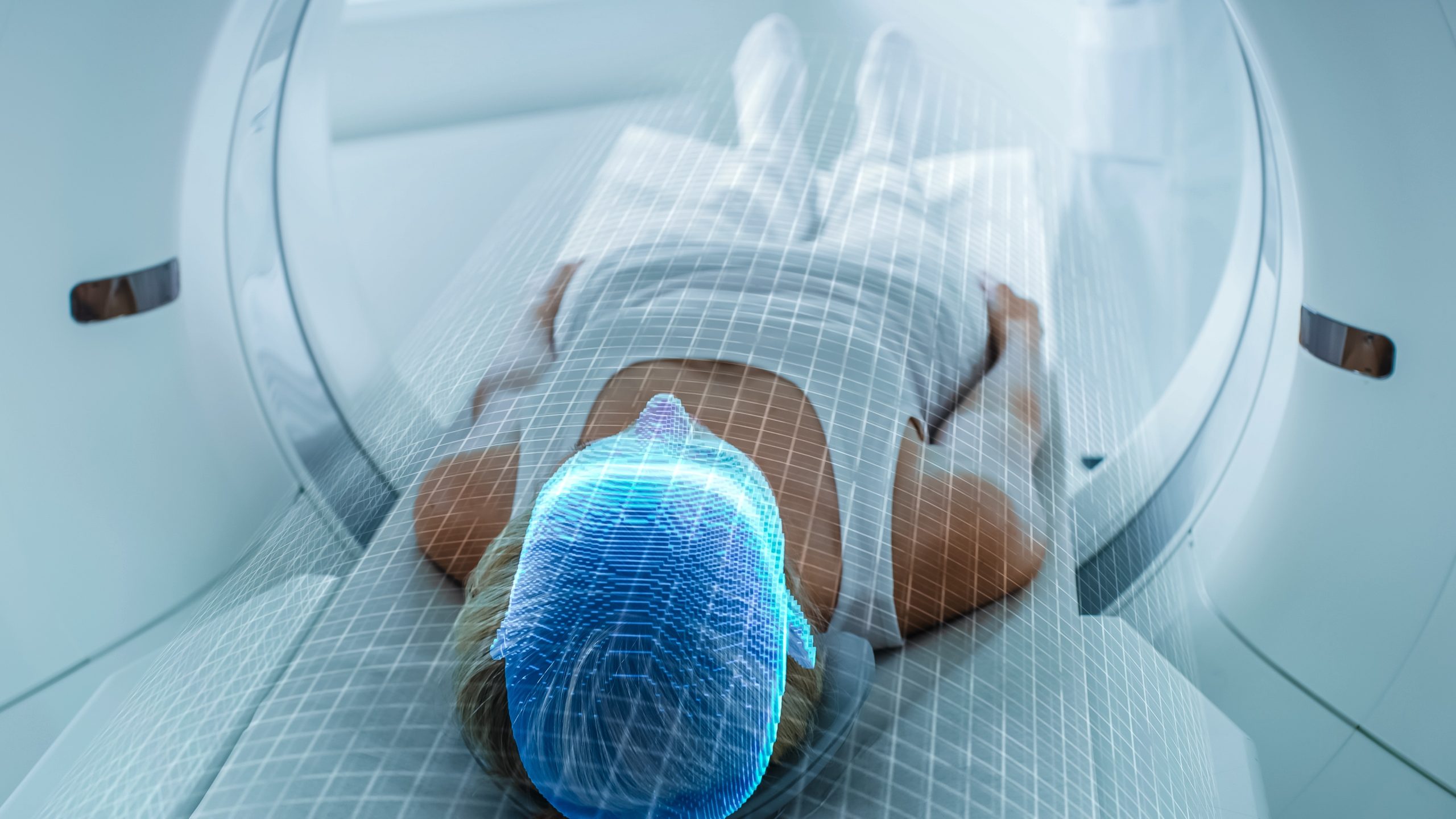
Imaging is key for seeing bile leaks directly. Common methods are:
- Ultrasound: Helps spot fluid that might mean a bile leak.
- CT scans: Show detailed pictures of the belly, helping find bile leaks and where they come from.
- MRCP (Magnetic Resonance Cholangiopancreatography): Gives clear pictures of the biliary system, helping find leaks and other issues.
- HIDA scans: Great for tracing bile flow to find leaks.
Diagnostic ERCP Procedures
ERCP (Endoscopic Retrograde Cholangiopancreatography) is used for both finding and fixing bile leaks. It involves injecting contrast into the biliary system to see leaks on X-rays.
ERCP helps pinpoint the leak’s location. It can also treat the leak by doing things like making a cut or placing a stent.
Conservative Management Strategies
Bile leaks after gallbladder surgery can often be managed without surgery. This is true for small leaks. It involves watching the patient closely, providing supportive care, and sometimes using antibiotics for bile leak prevention or treatment.
Monitoring and Observation Protocols
Effective management starts with careful monitoring. Patients are watched for signs of worsening, like more pain, fever, or jaundice. Regular tests check liver function and for infections.
Imaging like ultrasound or CT scans may be used to track the leak. This helps doctors act fast if the patient’s condition gets worse or doesn’t get better.
Nutritional Support During Healing
Nutritional support is key in managing bile leaks. Patients are often given a diet that’s easy on their stomach. This might include a low-fat diet to ease the biliary system’s workload. Drinking enough water and eating well helps the body heal.
In some cases, patients need extra nutrients, like vitamins. This helps support the body’s healing and reduces the risk of complications.
Pain Management Approaches
Pain management is also important in conservative care. Patients may feel pain from the leak or inflammation. Doctors may suggest different pain relief options, from over-the-counter meds to stronger ones if needed.
The choice of pain relief depends on the pain’s severity, the patient’s health, and other factors. The goal is to keep the patient comfortable without harming their condition or interfering with treatments like antibiotics for bile leak.
Interventional Management of Bile Leak After Cholecystectomy
Interventional management is key in treating bile leaks after cholecystectomy. The aim is to fix the biliary system, stop further issues, and aid in healing.
Endoscopic Retrograde Cholangiopancreatography (ERCP)
ERCP is a common method for handling bile leaks. It uses an endoscope to reach the bile ducts through the mouth. A catheter is then used to inject contrast material to find the leak.
A study in the Journal of Clinical Gastroenterology found ERCP with stenting works well for most patients. “ERCP has revolutionized the management of bile duct injuries, providing a less invasive option than surgery.”
ERCP lets doctors place a stent or do a sphincterotomy to help bile flow and heal the leak. It’s great for finding and fixing leaks from the cystic duct stump or other bile ducts.
Percutaneous Drainage Options
If ERCP doesn’t work, percutaneous drainage might be used. This method involves putting a catheter into the fluid collection under imaging. It helps control infection, lessen symptoms, and help the leak heal.
“Percutaneous drainage is a valuable adjunct in the management of bile leaks, specially when there’s significant fluid accumulation.”
Surgical Reintervention: When It’s Necessary
In some cases, surgical reintervention is needed. This is when other methods don’t work. Surgery lets doctors fix the bile duct injury, drain infected areas, and rebuild if needed. The choice to have surgery depends on the leak’s severity and the patient’s health.
In summary, managing bile leaks after cholecystectomy involves different approaches for each patient. Knowing these options helps doctors improve patient care.
Antibiotic Therapy for Bile Leaks
Antibiotics are key in treating bile leaks after gallbladder removal. They help prevent or treat infections. Doctors decide on antibiotics based on the leak’s severity and signs of infection.
Prophylactic Antibiotic Approaches
Doctors might give antibiotics to prevent infection in bile leak cases. This is more likely if there’s a high risk of bacteria. The chosen antibiotic should target common biliary pathogens.
| Antibiotic | Dose | Frequency |
| Ceftriaxone | 1-2 g | Once daily |
| Metronidazole | 500 mg | Every 8 hours |
| Piperacillin/Tazobactam | 3.375-4.5 g | Every 6 hours |
Treatment Regimens for Biliary Infections
For biliary infections, the antibiotic plan is tailored to the pathogens. Combination therapy is often used for broad-spectrum coverage.
Duration of therapy varies based on infection severity and response. Antibiotics are kept up until symptoms clear and lab results return to normal.
Duration and Monitoring of Antibiotic Therapy
It’s important to watch how well the antibiotics work and for side effects. Liver and kidney function should be checked regularly, depending on the antibiotic.
Managing bile leaks with antibiotics needs careful thought. It’s about balancing infection prevention with antibiotic risks.
Recovery Timeline and Possible Complications
Recovering from a cholecystectomy means knowing about possible issues like bile leaks. These can affect how well you heal. The recovery time can change based on the leak’s severity and how it’s treated.
Expected Healing Timeframes
The time it takes for bile leaks to heal after a cholecystectomy can differ a lot. Usually, with the right care, leaks can close in a few weeks. But, the whole recovery might take longer.
Typical Recovery Stages:
- Initial Recovery (1-2 weeks): Patients are watched closely for early problems.
- Intermediate Recovery (2-6 weeks): Most leaks are managed and start to heal here.
- Late Recovery (6 weeks and beyond): Patients keep getting better, with some facing lasting effects.
Do Bile Duct Leaks Heal Themselves?
Some small bile duct leaks might heal by themselves. But, most need medical help to avoid more problems. The choice to treat it conservatively or with intervention depends on the size.
Potential Long-term Complications
Even though rare, bile leaks after cholecystectomy can lead to serious long-term issues. These might include:
| Complication | Description |
| Biliary Stricture | Narrowing of the bile duct that can block bile flow. |
| Cholangitis | Infection of the bile duct can cause serious health problems. |
| Abscess Formation | Abdominal abscesses due to infection. |
Lifestyle Adjustments During Recovery
People recovering from bile leaks after cholecystectomy are often told to make lifestyle changes. These can include eating differently, avoiding hard activities, and following medication plans.
Knowing about the recovery timeline and possible problems helps patients manage their post-surgery journey. It lets them make better choices about their care.
Conclusion: Prognosis and Future Health Considerations
It’s important to know about bile leaks after gallbladder removal. Most people won’t face digestive issues after this surgery. But, knowing about bile leaks and how to handle them is key for a good recovery.
A bile leak after gallbladder surgery can be treated quickly. Most people get better with the right care. It’s also good to watch for long-term health issues and make healthy lifestyle choices.
Spotting bile leaks early and getting medical help is vital. This way, you can avoid serious problems and recover well. Managing bile leaks involves different treatments, including medicine, procedures, and sometimes surgery.
FAQ
What is a bile leak after cholecystectomy?
A bile leak after cholecystectomy happens when bile gets out of the biliary system into the belly after gallbladder surgery.
How common are bile leaks after cholecystectomy?
Bile leaks happen in about 1.1-4% of patients after gallbladder surgery. It’s a rare but serious issue.
What are the symptoms of a bile leak after cholecystectomy?
Symptoms include belly pain, fever, jaundice, and swelling. They can be mild or severe and start at any time.
Can bile duct leaks heal themselves?
Some bile duct leaks might heal with just watching and waiting. But many need treatments like ERCP or drainage to fix.
What is the role of antibiotics in managing bile leaks?
Antibiotics help prevent or treat infections from bile leaks. The type and length of treatment depend on the leak’s severity and infection level.
How long does it take to recover from a bile leak after cholecystectomy?
Recovery time varies. It depends on the leak’s severity, treatment success, and the patient’s health. Most recover in weeks to months.
Are there any long-term complications associated with bile leaks?
Long-term issues include biliary stricture, cholangitis, and liver damage. Proper care and follow-up are key to avoid these problems.
What lifestyle adjustments are necessary during recovery from a bile leak?
Patients might need a special diet and pain management. They should also keep up with doctor’s appointments to track their healing.
Can biliary leaks be prevented after cholecystectomy?
While not all leaks can be stopped, careful surgery and monitoring can lower the risk. Identifying risk factors also helps.
What is the prognosis for patients who experience a bile leak after cholecystectomy?
Most patients can get better with the right treatment. But, the outcome depends on the leak’s severity, any complications, and the patient’s health.
References
- Klymchuk, S., & Tselepis, A. D. (2021). A Review of the Management of Bile Leaks. World Journal of Gastrointestinal Surgery, 13(5), 394-406. https://pmc.ncbi.nlm.nih.gov/articles/PMC8189537/