

For patients with a biliary tube, watching the color of bile drainage is key. It helps understand liver and digestive health. At Liv Hospital, we teach patients to spot normal and problem signs. This helps them recover fast and avoid serious issues.
Studies show bile drainage is usually golden yellow, greenish, or brown. This color shows it’s a digestive fluid made by the liver and stored in the gallbladder. If bile flows back into the stomach, it’s a sign of trouble.
Knowing what bile drainage looks like helps patients help themselves. Whether at home or in the hospital, we guide them. We teach them to know what’s normal and what’s not. This makes a big difference in their treatment.
Key Takeaways
- Bile drainage color can indicate liver and digestive health.
- Normal bile drainage is typically golden yellow, greenish, or brown.
- Bile reflux happens when bile backs up into the stomach.
- Monitoring bile drainage is key for patients with a biliary tube.
- Understanding normal and problematic signs ensures quick recovery and prevents complications.
Understanding Bile and Its Role in Digestion
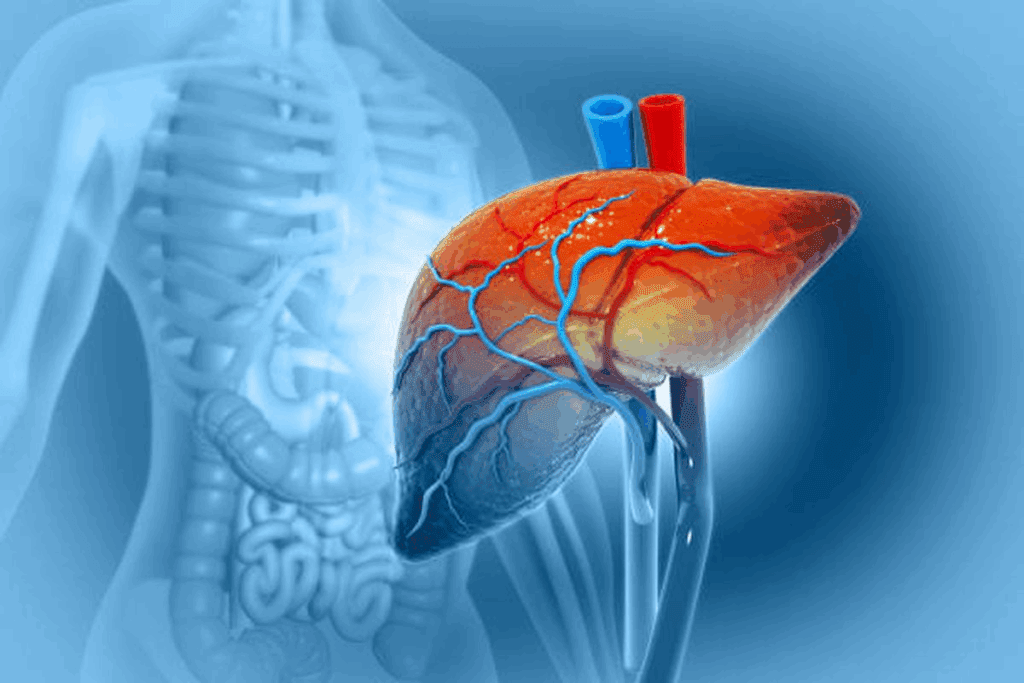
Bile is key to digestion, helping break down fats and improve nutrient absorption. It comes from the liver and is stored in the gallbladder. This role is vital for our digestive health.
The Function of Bile in the Digestive System
Bile has several important roles in digestion. Firstly, it emulsifies fats, making them smaller for enzymes to digest. This is key for absorbing fat-soluble vitamins like A, D, E, and K.
Bile also helps remove waste from the body. It gets rid of bilirubin and other toxins. Bile acids, bilirubin, cholesterol, and electrolytes in bile help with digestion and waste removal.
“Bile is needed for digesting fats and for getting rid of worn-out red blood cells and certain toxins from your body.”
Common Conditions Requiring Biliary Drainage
Some conditions need biliary drainage, a procedure to drain bile. These include bile duct obstruction, gallstones, and other blockages that stop bile flow.
- Bile duct obstruction: A blockage in the bile ducts can prevent bile from flowing into the intestine, leading to jaundice and other complications.
- Gallstones: Large gallstones can obstruct the bile ducts, requiring intervention to restore bile flow.
- Other obstructive pathologies: Conditions such as tumors or strictures can also impede bile flow, necessitating biliary drainage.
Knowing about these conditions and their effects on bile is key to managing digestive health. It helps address issues related to biliary drainage.
What is a Biliary Tube and How Does It Function
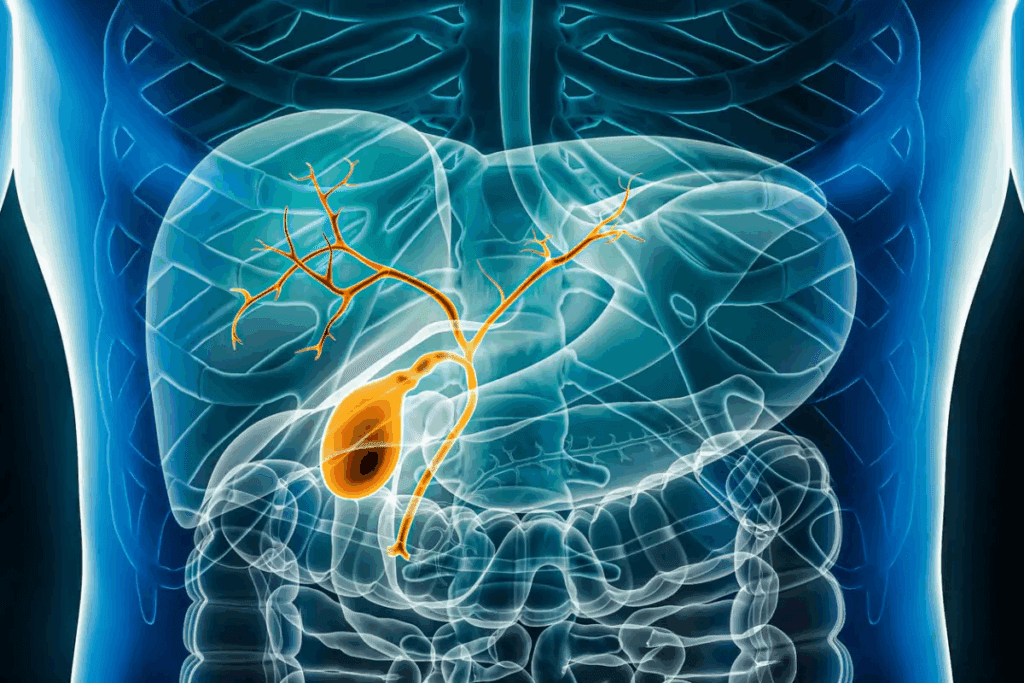
Biliary tubes are key for managing bile flow in patients with certain health issues. A biliary tube, also known as a biliary drain or catheter, is inserted into the body. It drains bile from the liver or gallbladder into a bag, called a bile duct bag.
The main job of a biliary tube is to clear blockages in the bile ducts. These blockages can be due to bile duct cancer, gallstones, or inflammation. By ensuring bile flows right, these tubes help keep the liver working well and support digestive health.
Types of Biliary Drainage Procedures
There are different biliary drainage procedures for various needs:
- External Drainage: Bile is drained outside the body into a bag.
- Internal Drainage: Bile is redirected into the intestine, avoiding the blockage.
- Endoscopic Retrograde Cholangiopancreatography (ERCP): A minimally invasive method to diagnose and treat bile and pancreatic duct problems.
- Percutaneous Transhepatic Cholangiography (PTC): Uses contrast material injected through the skin to see the bile ducts and find blockages.
The Purpose of Monitoring Bile Drainage
Monitoring bile drainage is vital for several reasons. It checks if the biliary tube is working right, spots early complications, and ensures the liver is okay. Changes in bile color, consistency, or volume can mean infections, tube blockages, or liver problems.
Healthcare providers can act quickly to fix issues by watching bile drainage closely. They also check the bile duct bag for leaks or contamination.
Key aspects to monitor include:
- Volume of drainage: Big changes can mean tube or liver issues.
- Color and consistency: Changes can signal infections, blockages, or other problems.
- Presence of blood or debris: Could mean internal bleeding or tube blockage.
Understanding how a biliary tube works and the need to watch bile drainage is key. This way, patients get the right care, reducing the chance of complications and improving their life quality.
The Composition of Bile and Its Natural Color
Bile is a complex fluid that helps with digestion. It has key parts that make it work well. We’ll look at what makes up bile and why it’s colored the way it is.
Key Components: Bile Acids, Bilirubin, Cholesterol, and Electrolytes
Bile is made up of bile acids, bilirubin, cholesterol, and electrolytes. Bile acids help break down fats. Bilirubin, a yellow-orange pigment, comes from broken-down red blood cells.
Cholesterol is also important in bile. It helps with many body functions. Electrolytes like potassium and sodium keep fluids balanced in the biliary system.
How Bilirubin Affects Bile Coloration
Bilirubin greatly affects bile color. It comes from broken-down red blood cells. The liver processes it and puts it in bile. The color of bile can change based on how much bilirubin is present, from yellow to greenish-brown.
Variations in Healthy Bile Composition
Bile can differ among healthy people. Diet, hydration, and health can affect it. For example, eating more fats can lead to more bile acids.
Knowing what normal bile looks like helps doctors with biliary tubes. They can spot problems sooner.
Normal Characteristics of Biliary Tube Drainage
Patients with biliary tubes should know what normal drainage looks like. This helps spot problems early. We’ll cover the usual color, consistency, and volume of drainage to guide you.
Typical Color Range: Golden Yellow to Greenish-Brown
Normal bile drainage is golden yellow to greenish-brown. This color comes from bilirubin, a liver product. The exact shade can change based on bile concentration and other substances.
Expected Consistency and Opacity
Normal biliary drainage can be thin and watery or thick and viscous. It’s a bit opaque because of bile salts and bilirubin. But, it shouldn’t be too thick or have lots of debris.
Normal Daily Drainage Volume (200-1000 mL)
The daily drainage volume from a biliary tube varies. It’s usually between 200 to 1000 mL. This depends on the patient’s health, why the tube is there, and how well it works. Watching this volume helps check if the tube and biliary function are okay.
Key traits of normal biliary tube drainage include:
- A color range of golden yellow to greenish-brown
- A consistency that can be thin and watery or thick and viscous
- A daily drainage volume between 200 and 1000 mL
Knowing these traits helps patients and doctors spot any unusual signs. This might mean it’s time for a medical check-up or action.
Abnormal Bile Drainage Colors and Their Clinical Significance
Abnormal bile drainage colors can signal serious issues in patients with biliary tubes. These color changes often point to problems that need quick medical care. We’ll look at the different abnormal colors and what they mean.
Pale or White Drainage: Possible Causes
Pale or white bile drainage may mean a problem with the biliary system. It could be because of low bile production or a blockage. Issues like a blockage in the bile ducts or liver problems could cause this.
It might also mean an infection or other complications. It’s important to watch the drainage closely and tell a healthcare provider about any big changes.
Clear Fluid: When to Be Concerned
Clear fluid from a biliary tube is a worry. It might happen in some cases, but it usually means the tube isn’t working right. It could be because of a blockage or problem with bile production.
Clear drainage might mean the tube isn’t draining bile as it should. This could be due to a blockage or kink. If you notice clear fluid, talk to your healthcare provider.
Unusually Dark or Bloody Drainage
Dark or bloody drainage from a biliary tube is alarming. It could mean bleeding in the biliary system or old blood. Dark drainage is a warning sign.
Bloody drainage is a big emergency. It could mean a serious issue like a hemorrhage. Watch your drainage closely and get help right away if you see unusual colors.
When Your Gallbladder Drain Stopped Draining: Causes and Concerns
A stopped gallbladder drain is not just a minor issue; it can be a big problem. When drainage stops, it’s important to find out why. This helps fix the problem right away.
Mechanical Issues: Tube Kinking and Dislodgement
One main reason for a stopped gallbladder drain is mechanical problems. Tube kinking or coming out can block bile flow. Checking the tube regularly is key to spotting any kinks or shifts early.
| Issue | Symptoms |
| Tube Kinking | Reduced or stopped drainage, pain at the insertion site |
| Tube Dislodgement | Leakage around the site, reduced drainage, discomfort |
Obstruction Within the Biliary System
Another big reason for stopped drainage is blockages in the biliary system. These can be caused by sludge, stones, or other blockages in the bile ducts. Knowing what’s causing the blockage is key to finding the right solution.
Clinical Implications of Drainage Cessation
Stopping a gallbladder drain can lead to serious issues. These include infection and jaundice from bile buildup. Quick medical care is needed to avoid these problems and get drainage going again.
Keep an eye out for any complications and get medical help right away if symptoms get worse or don’t go away.
Proper Care and Maintenance of Your Biliary Tube
It’s key to take good care of your biliary tube to avoid problems and keep it working right. We know it might seem hard, but with the right tips, you can do it well.
Daily Inspection and Documentation Procedures
Checking your biliary tube every day is very important. Look for any damage, kinks, or blockages. Also, watch the drainage for any color, consistency, or volume changes.
Keeping a log of your drainage is also very important. Write down the volume and what it looks like. This helps your doctors see how you’re doing and adjust your care if needed.
| Inspection Criteria | Normal Findings | Abnormal Findings |
| Tube Condition | Intact, no kinking | Damaged, kinked, or blocked |
| Drainage Color | Golden yellow to greenish-brown | Pale, dark, or bloody |
| Drainage Consistency | Thin, watery | Thick, sludgy |
Emptying and Measuring Drainage Output
It’s important to empty and measure your drainage regularly. This helps prevent overflow and infection risks.
Record the volume in your log. This helps your doctors understand how your biliary system is working.
Keeping the Insertion Site Clean
Keeping the area where the tube goes clean is very important. Clean it gently with mild soap and water, then dry it well.
Watch for redness, swelling, or discharge at the site. If you see any, call your doctor right away.
By following these care tips, you can help your biliary tube work well and avoid problems.
Common Complications of Biliary Tubes and Their Management
Biliary tubes are lifesaving but can cause several complications. These issues can affect the patient’s quality of life and the success of the procedure.
Infection: Recognition, Prevention, and Treatment
Infection is a major complication with biliary tubes. Signs of infection include fever, chills, and pain or redness at the site. It’s important to watch for these signs to treat them quickly.
- Administering prophylactic antibiotics as directed by healthcare providers
- Maintaining strict hygiene practices during tube care
- Regularly inspecting the insertion site for signs of infection
If an infection happens, antibiotic treatment is needed. Sometimes, the tube may need to be replaced or adjusted.
Leakage Around the Insertion Site
Leakage around the biliary tube site is another issue. It can cause skin irritation and affect the drainage’s effectiveness.
To manage leakage, we suggest:
- Regularly inspecting the site for signs of leakage
- Adjusting the tube as necessary to prevent further leakage
- Using protective barriers around the site to minimize skin irritation
Tube Dislodgement and Displacement
Tube dislodgement or displacement is serious. It can lead to biliary obstruction or other severe problems. If the tube becomes dislodged, seek immediate medical help.
To prevent tube dislodgement:
- Securing the tube properly
- Avoiding excessive movement or tension on the tube
- Regularly checking the tube’s position
Skin Irritation and Breakdown
Skin irritation can happen due to leakage, friction, or allergic reactions. Proper wound care and hypoallergenic materials can help prevent this.
Management strategies include:
- Keeping the skin around the insertion site clean and dry
- Using barrier creams or protective dressings
- Monitoring for signs of skin breakdown
Related Symptoms to Monitor Alongside Bile Drainage
It’s important to watch for related symptoms when managing a biliary tube. Not just the bile drainage, but other symptoms can give clues about the patient’s health.
Changes in Urine and Stool Color
Changes in urine and stool color can tell us about liver function and bile drainage. Dark urine or light-colored stools might mean there’s a problem. We need to keep an eye on these signs.
For example, if bile drainage is working right, stools should be brown again. But if they stay pale, it could mean bile isn’t draining well. Also, dark yellow or amber-colored urine might show that bile salts are building up.
Jaundice and Skin Discoloration
Jaundice, or yellow skin and eyes, is a big warning sign. It happens when there’s too much bilirubin in the blood, often because of liver problems or bile duct blockages. We must watch for any yellowing, as it could mean trouble with bile drainage or liver function.
- Yellowing of the skin and eyes
- Itching sensation due to bile salt buildup
- Fatigue and general malaise
Pain Patterns and Their Significance
Pain patterns can tell us a lot about possible problems. We should pay attention to any pain in the right upper abdomen. This could mean there’s an issue with the biliary system or the tube itself.
Different kinds of pain can mean different things:
- Sharp, severe pain might indicate a blockage or tube kinking.
- Dull, persistent pain could suggest inflammation or infection.
- Pain radiating to the back or shoulder might indicate referred pain due to bile duct obstruction.
Fever and Other Systemic Symptoms
Fever is a serious sign that needs quick action. A rising temperature could mean an infection, which is a big risk for patients with biliary tubes. We should watch for fever and other symptoms like chills, nausea, or vomiting.
If a patient gets a fever, we should:
- Check the insertion site for signs of infection
- Inspect the bile drainage for color, consistency, and odor
- Seek medical attention promptly if fever persists
Conclusion: Ensuring Optimal Biliary Drainage and When to Seek Help
Keeping the biliary drainage system working right is key for patients with biliary tubes. It affects their health and how well they recover. We’ve talked about the need to know what normal bile drainage looks like, spotting any odd signs, and taking good care of the biliary tube.
If you face issues like blockages or infections, you need to see a doctor fast. Knowing when to get medical help is vital for the best results. If you see any unusual changes in your bile, like different colors, no flow, or signs of infection, call your doctor right away.
By staying alert and taking care of your biliary tube, you can lower the chance of problems. We’re here to help you understand and manage your treatment. We want to support you every step of the way.
FAQ
What is the normal color of bile drainage from a biliary tube?
The normal color of bile is golden yellow to greenish-brown. This is because of bilirubin, a pigment from breaking down hemoglobin.
What does it mean if my bile drainage is pale or white?
If your bile is pale or white, it might mean there’s not enough bilirubin. Or, there could be a blockage in the biliary system. This could be due to a blockage in the bile ducts or problems with the biliary tube itself.
Why is my bile drainage clear?
Clear bile drainage is unusual. It might mean the tube isn’t draining bile right or there’s a problem with the biliary system. You should talk to a healthcare professional if you see clear drainage.
What if my bile drainage is unusually dark or bloody?
Dark or bloody bile is a serious sign. It could mean internal bleeding or a severe infection. If you see this, get medical help right away.
How much bile should drain from my biliary tube daily?
Daily bile drainage can be 200 to 1000 mL. But, it depends on your situation and the treatment you’re getting.
What should I do if my gallbladder drain stops draining?
If your gallbladder drain stops, check the tube for kinks or blockages. Then, talk to a healthcare professional. They can figure out the problem, whether it’s mechanical or an obstruction in the biliary system.
How do I care for my biliary tube?
To care for your biliary tube, do daily checks, empty and measure the drainage, and keep the site clean. These steps help prevent problems and ensure the tube works right.
What are the common complications associated with biliary tubes?
Common problems include infection, leakage, tube dislodgement, and skin irritation. Knowing these can help you spot them early and get the right help.
What symptoms should I monitor alongside bile drainage?
Watch for changes in urine and stool color, jaundice, pain, and fever. These signs can tell you a lot about your health and help spot any issues.
How can I prevent infection with a biliary tube?
Prevent infection by keeping the site clean, following hygiene when handling the tube, and watching for signs of infection like fever, redness, or swelling.
When should I seek medical help regarding my biliary tube?
Get medical help for unusual bile changes, pain, fever, or jaundice, or if your tube stops draining. Quick medical attention can solve problems before they get worse.
References
Alebi̇osu, C. O., et al. (2004). Percutaneous renal biopsy as an outpatient procedure. Nigerian Journal of Clinical Practice, 7(2), 56-59. https://pubmed.ncbi.nlm.nih.gov/15481751/