Last Updated on November 25, 2025 by
We are seeing big changes in bladder cancer treatment. New therapies are giving patients hope. These advancements have made survival rates better and improved life quality. Now, there are bladder-sparing alternatives that were not available before.
These new treatments come from detailed clinical trials and research. They have greatly improved how patients do. The new cancer treatments are changing the way we fight cancer worldwide.
Key Takeaways
- New therapies are improving survival rates and quality of life for patients.
- Innovative treatments offer bladder-sparing alternatives.
- Recent clinical trials have led to enhanced patient outcomes.
- The latest treatments are setting new standards in cancer care.
- Globally, cancer treatment is being reshaped by these advancements.
Understanding Bladder Cancer and Treatment Evolution
Our understanding of bladder cancer is growing fast. This means we have more effective treatments for each patient. Bladder cancer is not just one disease. It’s a group of different types and stages, each needing its own treatment plan.
Types and Stages of Bladder Cancer
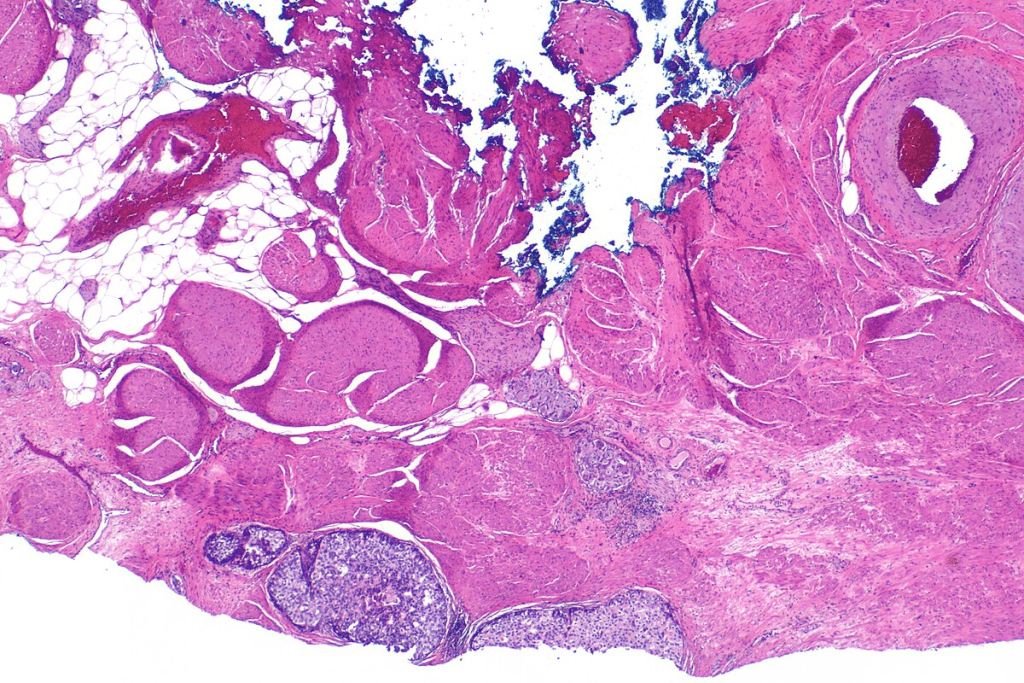
There are three main types of bladder cancer: urothelial carcinoma, squamous cell carcinoma, and adenocarcinoma. Urothelial carcinoma makes up about 90% of cases. The stage of bladder cancer shows how far it has spread. This stage helps decide the best treatment for bladder cancer.
The stages range from non-muscle-invasive bladder cancer (NMIBC) to muscle-invasive bladder cancer (MIBC). Knowing the type and stage is key to picking the right treatment approach.
Traditional Treatment Approaches
Traditional treatments include surgery, radiation therapy, and chemotherapy. Surgery is often the first choice. It can range from simple procedures for early-stage cancers to more complex surgeries for advanced cases. Radiation therapy and chemotherapy might be used alone or with surgery, based on the cancer’s stage and type.
For non-muscle-invasive bladder cancer, a treatment called intravesical therapy is common. It involves putting medication directly into the bladder. For muscle-invasive bladder cancer, treatments are more intense and might include a mix of therapies. The treatment plan is tailored to the patient’s health, the cancer’s specifics, and the treatment’s side effects.
While traditional treatments work well, they have their limits. The field of bladder cancer treatment is evolving. It’s moving towards more personalized and targeted therapies. This offers hope for better outcomes and a better quality of life for patients.
5 Groundbreaking Bladder Cancer Treatments of 2024-2025
As we enter 2024-2025, new treatments are changing how we fight bladder cancer. The medical world is seeing big steps forward. New therapies are showing great promise in trials.
TAR-200: The Game-Changing Gemcitabine Delivery System
TAR-200 is a game-changer for treating bladder cancer. It delivers gemcitabine right to the bladder. This has shown to clear tumors in 82% of patients in trials.
- Direct delivery of gemcitabine into the bladder
- High efficacy in eliminating tumors
- Potential to reduce recurrence and progression
TAR-200’s design targets bladder cancer better. This means fewer side effects and better results for patients.
Sasanlimab: Revolutionary Immunotherapy Approach
Sasanlimab is a new immunotherapy for bladder cancer. It uses the immune system to fight cancer. This has shown to lower recurrence and progression in high-risk cases.
Trials show Sasanlimab’s power:
- Improved immune response against bladder cancer cells
- Reduced risk of recurrence and progression
- Potential for use in combination with other therapies
Enhanced Combination Therapies
Researchers are also working on combining treatments. This includes pairing immunotherapy and chemotherapy, or targeted therapy with radiation. This approach aims to beat treatment resistance and improve results.
Some promising combinations include:
- Immunotherapy plus chemotherapy
- Targeted therapy with radiation
- Combination of different immunotherapies
These new treatments are changing bladder cancer care. They offer hope and better outcomes for patients everywhere.
How New Treatments Are Improving Bladder Cancer Survival Rates
The way we treat bladder cancer is changing, leading to better survival rates. New therapies are bringing hope to those affected. This shift is a big deal.
Bladder cancer now has more treatment options than ever before. These new methods are not just making patients live longer. They’re also making their lives better. New cancer treatments focus on specific parts of the disease, making them more effective.
Non-muscle-invasive Bladder Cancer: 96% Five-Year Survival
For those with non-muscle-invasive bladder cancer, the outlook is brighter. The five-year survival rate is now about 96%. This is thanks to better treatments.
Early detection and intervention are key to this success. Treatments like TAR-200, a new way to deliver gemcitabine, are showing great promise in trials.
A leading oncologist says, “New treatments have changed how we fight bladder cancer. They give patients a better shot at survival.”
“The future of bladder cancer treatment looks bright, with continued advancements in immunotherapy and targeted therapies.”
Advanced Bladder Cancer: Progress in Treatment Efficacy
While non-muscle-invasive bladder cancer has seen big improvements, advanced cancer is a tougher nut to crack. But, we’re making progress. New treatments like sasanlimab and enhanced combination therapies are working well for advanced cases.
We’re moving towards more personalized care. Each patient gets a treatment plan that fits their needs. This not only improves results but also makes care better. As we keep working on these new treatments, we’re hopeful for the future of bladder cancer patients.
Personalized Approaches to Bladder Cancer Treatment
We’re making big strides in fighting bladder cancer. Now, we focus more on treatments that fit each patient’s needs. This is because every cancer is different, affecting treatment results.
Personalized medicine looks at many things. It considers the cancer type, stage, and the patient’s health and genes. This way, doctors can create plans that work better and cause fewer side effects.
Determining the Optimal Treatment Path
Finding the right treatment for bladder cancer is complex. It involves looking at the cancer’s type, stage, and grade. The patient’s health and what they prefer also matter.
A team of experts works together to make a treatment plan. This team includes urologists, oncologists, and others. They make sure the patient gets the best care.
Managing Treatment Resistance
One big challenge is when cancer stops responding to treatment. Bladder cancer, like many cancers, can become resistant. This makes treatments less effective over time.
To solve this, researchers are finding new ways to fight resistance. They’re working on new treatments and combinations. These aim to make treatments work better and help patients more.
Integrating New Treatments into Standard Care
Adding new treatments to standard care is key to better outcomes. New therapies need to be tested and added to treatment plans. This ensures patients get the best care.
Clinical trials are vital in this process. They help test new treatments and see if they’re safe and work well. By joining trials, patients can try new therapies and help improve bladder cancer care.
Conclusion: The Transforming Landscape of Bladder Cancer Care
New treatments for bladder cancer are changing patient care for the better. They offer hope and better results. We’re seeing big changes thanks to new therapies like TAR-200 and sasanlimab.
These breakthroughs are changing how we treat bladder cancer. They give patients more effective and tailored options. This means better survival rates and quality of life for those with the disease.
As more new treatments come, we’re dedicated to top-notch healthcare. We support patients worldwide. The future of bladder cancer care looks bright, with more effective treatments coming soon.
FAQ
What are the latest advancements in bladder cancer treatment?
New advancements include TAR-200, a gemcitabine delivery system, and Sasanlimab, an immunotherapy. These, along with enhanced combination therapies, aim to improve patient outcomes.
How do the types and stages of bladder cancer influence treatment decisions?
The type and stage of bladder cancer are key in choosing the best treatment. Doctors use these factors to decide the most effective approach.
What are the benefits and limitations of traditional treatment approaches for bladder cancer?
Traditional treatments like surgery and chemotherapy work well for bladder cancer. Yet, they can have side effects and not work for everyone. New therapies aim to overcome these issues.
How is TAR-200 changing the landscape of bladder cancer treatment?
TAR-200 is a new gemcitabine delivery system showing great promise. It targets the bladder directly, improving treatment results for patients.
What is Sasanlimab, and how does it work?
Sasanlimab is an immunotherapy that boosts the immune system to fight cancer cells. It’s shown great promise, even for advanced bladder cancer.
How are new treatments improving bladder cancer survival rates?
New treatments like TAR-200 and Sasanlimab are boosting survival rates. The five-year survival rate for non-muscle-invasive bladder cancer is now 96%.
What is personalized medicine, and how is it being applied to bladder cancer treatment?
Personalized medicine tailors treatment to each patient’s needs. In bladder cancer, it considers tumor biology and patient health for the best treatment plan.
How are healthcare providers managing treatment resistance in bladder cancer?
To manage resistance, doctors use various strategies. These include switching treatments, combining therapies, and clinical trials.
What is the role of combination therapies in bladder cancer treatment?
Combination therapies use multiple treatments together. In bladder cancer, they aim to improve results and reduce resistance.
Are new treatments for bladder cancer curable?
Bladder cancer is complex, but recent breakthroughs have improved treatment. With the right approach, many patients see significant benefits, and some may be cured.
References
- UroGen Pharma Ltd. (2025, June 12). FDA approves Zusduri (mitomycin) for recurrent low-grade intermediate-risk non-muscle invasive bladder cancer. Business Wire. https://www.drugs.com/newdrugs/fda-approves-zusduri-mitomycin-recurrent-low-grade-intermediate-risk-non-muscle-invasive-bladder-6548.html Drugs.com