Last Updated on November 25, 2025 by Ugurkan Demir
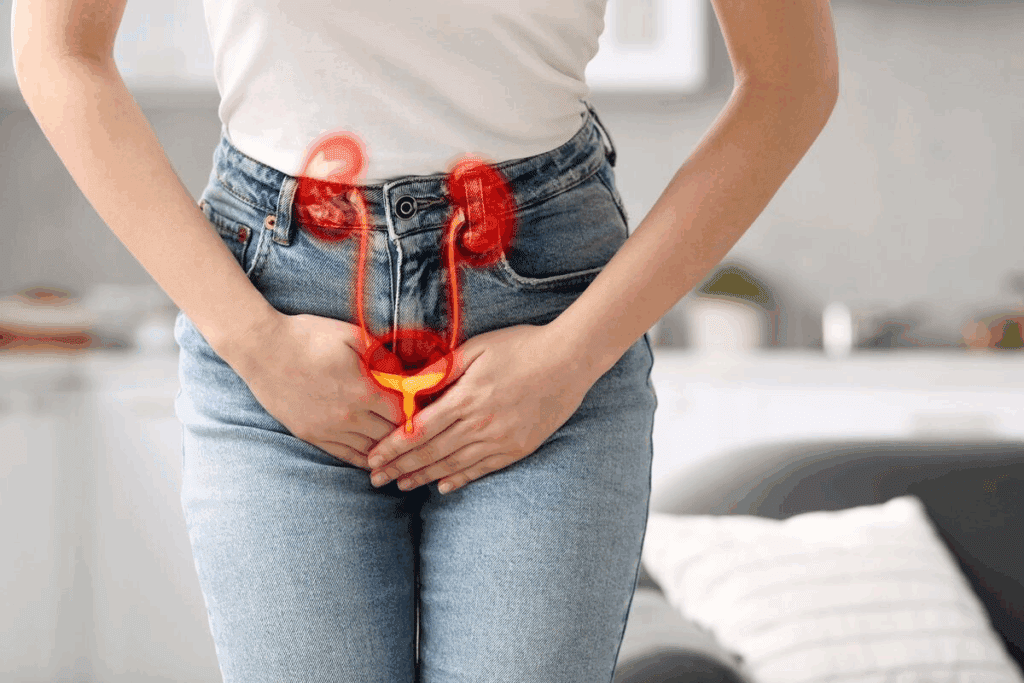
Bladder cancer is a big health issue, mainly for people over 55. In the United States, about 84,000 new cases are found each year. It’s the sixth most common cancer in the country.
For those facing this tough diagnosis, knowing about chemotherapy is key. We’ll look at how chemotherapy drugs help treat bladder cancer. We’ll cover their uses, benefits, and possible side effects.
At Liv Hospital, we follow the latest academic protocols for care. By understanding bladder cancer chemotherapy, patients can make better choices about their treatment.
Key Takeaways
- Chemotherapy is a key part of bladder cancer treatment plans.
- Knowing about chemotherapy drugs and their uses is vital for patients.
- Liv Hospital is dedicated to giving full care with the newest treatment methods.
- Chemotherapy has specific uses based on cancer stage.
- Patients should know the good points and possible downsides of chemotherapy.
Understanding Bladder Cancer and Treatment Options

When bladder cancer is diagnosed, it starts a journey to learn about the disease and find the best treatments. Bladder cancer, mostly from the uroepithelium, faces different challenges based on its type and stage.
Types and Stages of Bladder Cancer
Bladder cancer is mainly split into non-muscle-invasive and muscle-invasive types. Non-muscle-invasive cancer stays in the bladder’s lining, while muscle-invasive cancer goes deeper. Knowing the type and stage is key to picking the right treatment.
The stages of bladder cancer range from 0 to IV. This helps doctors decide the best treatment. For example, early cancer might get intravesical chemotherapy, while more advanced cancer might need systemic chemotherapy or a mix of treatments.
The Role of Chemotherapy in Treatment Plans
Chemotherapy is very important in treating bladder cancer, for both non-muscle-invasive and muscle-invasive types. For non-muscle-invasive cancer, chemotherapy is put directly into the bladder to prevent it from coming back. Drugs like Mitomycin and Gemcitabine are used this way.
For muscle-invasive cancer, chemotherapy is given all over the body. It can be before surgery to make the tumor smaller or after surgery to get rid of any cancer left behind. The choice depends on the cancer’s stage, the patient’s health, and the treatment’s benefits and risks.
Determining When Chemotherapy Is Necessary
Deciding to use chemotherapy in bladder cancer treatment depends on several things. These include the cancer’s type, stage, and grade, and the patient’s health and wishes. For high-risk non-muscle-invasive cancer, chemotherapy is often used to stop the cancer from coming back.
In muscle-invasive cancer, chemotherapy is a big part of the treatment plan. It can be used alone or with surgery or radiation. The goal is to control the cancer, ease symptoms, and improve the patient’s life quality.
Bladder Cancer Chemotherapy: Types and Approaches

Chemotherapy is a key part of treating bladder cancer. It offers different methods based on what the patient needs. The way and when treatment is given depends on the cancer’s stage and type.
Intravesical vs. Systemic Delivery Methods
Chemotherapy can be given directly into the bladder or through the blood. Intravesical chemotherapy uses a catheter to put drugs right into the bladder. This is best for early-stage bladder cancer.
Systemic chemotherapy is for more advanced bladder cancer. It’s given through an IV and reaches cancer cells all over the body. It’s often used with other treatments like surgery or radiation.
“The choice between intravesical and systemic chemotherapy depends on the stage and type of bladder cancer, as well as the patient’s overall health.”
Neoadjuvant and Adjuvant Chemotherapy Timing
Chemotherapy timing varies. Neoadjuvant chemotherapy is given before main treatments to shrink tumors. Adjuvant chemotherapy is after surgery to kill any cancer cells left behind.
| Chemotherapy Timing | Purpose |
| Neoadjuvant | Given before main treatment (surgery) to shrink tumors and address microscopic disease. |
| Adjuvant | Administered after surgery to eliminate remaining cancer cells and reduce recurrence risk. |
Treatment Goals Based on Cancer Stage
Chemotherapy goals change with the cancer stage. For early-stage bladder cancer, it aims to stop the cancer from coming back. For more advanced cancer, it tries to shrink the tumor before surgery or treat cancer that has spread.
- For non-muscle-invasive bladder cancer, intravesical chemotherapy is commonly used.
- For muscle-invasive and metastatic bladder cancer, systemic chemotherapy is typically employed.
Knowing the different types and approaches to bladder cancer chemotherapy is key. Tailoring treatment to each patient can improve their outcomes and quality of life.
Intravesical Chemotherapy for Non-Muscle-Invasive Bladder Cancer
Intravesical chemotherapy is a promising treatment for non-muscle-invasive bladder cancer. It delivers drugs directly into the bladder. This method reduces side effects and targets the tumor more effectively.
Administration of Intravesical Treatment
To administer intravesical chemotherapy, a catheter is inserted into the bladder. The drug is then placed in the bladder. After a few hours, the catheter is removed.
It’s important to keep the drug in the bladder and avoid side effects. Most people find the procedure tolerable, but some may feel discomfort or have local side effects.
Key Drugs: Mitomycin and Gemcitabine
Mitomycin C and Gemcitabine are two main drugs used in intravesical chemotherapy. Mitomycin C is known for reducing tumor recurrence. Gemcitabine is used when other treatments don’t work well.
Treatment Schedules and Protocols
The treatment schedule varies based on the drug, cancer stage, and patient health. Treatments are usually given weekly for a few weeks, then at regular intervals.
For example, Mitomycin C treatment starts with an induction phase, followed by maintenance. The schedule is customized for each patient.
Success Rates and Effectiveness Data
Studies show intravesical chemotherapy can lower recurrence risk in non-muscle-invasive bladder cancer. About 82% of patients stayed cancer-free for 2 years after treatment.
This highlights the importance of intravesical chemotherapy for non-muscle-invasive bladder cancer. It targets the bladder directly, reducing side effects and improving outcomes.
Systemic Chemotherapy for Advanced Bladder Cancer
Advanced bladder cancer needs strong treatment. Systemic chemotherapy is key for muscle-invasive or metastatic bladder cancer. It targets cancer cells that have spread, tackling the disease’s complexity.
Indications for Muscle-Invasive and Metastatic Disease
Systemic chemotherapy is for patients with muscle-invasive bladder cancer. This is when cancer has gone through the bladder’s muscle layer. It’s also for those with metastatic disease, where cancer has spread to other parts of the body. The choice to use systemic chemotherapy depends on the cancer’s stage, grade, and the patient’s health.
Guidelines suggest using systemic chemotherapy for:
- Muscle-invasive bladder cancer (T2-T4)
- Metastatic bladder cancer
- Recurrent bladder cancer after initial treatment
Standard Drug Combinations
The main drug mix for bladder cancer is cisplatin-gemcitabine. Studies show it’s effective against advanced bladder cancer.
“The combination of cisplatin and gemcitabine has become a standard of care for patients with advanced bladder cancer, balancing effectiveness and tolerance.” –
Oncology Expert
Other drug mixes include:
| Drug Combination | Usage |
| Cisplatin-Gemcitabine | First-line treatment for metastatic bladder cancer |
| Carboplatin-Gemcitabine | Alternative for patients who cannot tolerate cisplatin |
| MVAC (Methotrexate, Vinblastine, Adriamycin, Cisplatin) | Used for neoadjuvant or adjuvant treatment |
Treatment Cycles and Administration Methods
Bladder cancer treatment is in cycles, lasting weeks. The cycle number varies based on the treatment plan and patient response.
Administration methods include:
- Intravenous (IV) infusion: Drugs are given directly into a vein.
- Oral chemotherapy: Some drugs are taken by mouth, though rare for bladder cancer.
Monitoring Response During Treatment
It’s vital to check how well treatment is working. This means regular CT scans and clinical checks.
Response to treatment can be categorized as:
- Complete response: Cancer is no longer detectable
- Partial response: Cancer has decreased in size or extent
- Stable disease: Cancer has not changed significantly
- Progressive disease: Cancer has grown or spread
Essential Chemotherapy Drugs for Bladder Cancer Treatment
Chemotherapy is key in treating bladder cancer, mainly for advanced stages. Gemcitabine is a top choice for this treatment.
Gemcitabine stops cancer cells from growing by messing with their DNA. It’s often paired with other drugs to boost its power.
Creating a treatment plan needs a team effort. Doctors, radiologists, and specialists work together for the best care.
Choosing the right chemotherapy depends on several things. These include the cancer’s stage, the patient’s health, and other medical issues.
Getting ready for chemotherapy is key to a good result. Patients should talk to their doctor about their treatment plan. They need to know about possible side effects and how to handle them. Eating well and managing stress are also important.
By being well-informed and prepared, patients can face their treatment with confidence.
Preparing for Your Chemotherapy Treatment
Before starting chemotherapy, it’s important to know what to expect. Patients should talk to their doctor about their treatment. This includes the type of chemotherapy, how often they’ll get it, and possible side effects.
To get ready for chemotherapy, patients should:
- Eat a healthy diet with lots of fruits, veggies, and whole grains.
- Drink plenty of water to stay hydrated.
- Use stress-relief methods like meditation or deep breathing.
- Ask questions and get support from doctors, family, and friends.
Being prepared and informed helps patients face their treatment with confidence. This way, they can get the best results possible.
Managing Side Effects and Complications
Managing side effects is key for those with bladder cancer undergoing chemotherapy. Chemotherapy helps fight bladder cancer but can cause side effects. These vary based on the treatment used.
Intravesical Chemotherapy Side Effects
Intravesical chemotherapy delivers drugs directly into the bladder. It can irritate the bladder lining, leading to discomfort, frequent urination, and blood in the urine. These symptoms usually go away after treatment ends.
Key side effects to watch for:
- Bladder irritation
- Increased frequency of urination
- Blood in the urine
Systemic Chemotherapy Side Effects
Systemic chemotherapy, given through a vein, can cause more widespread side effects. These include fatigue, nausea, hair loss, and a higher risk of infections. This is because the drugs spread throughout the body.
It’s essential to report any side effects to your healthcare provider for guidance and support.
When to Seek Immediate Medical Attention
Knowing when to seek immediate medical attention is vital during chemotherapy. Severe side effects that need quick care include:
- Severe allergic reactions
- Signs of infection, such as fever or chills
- Severe nausea or vomiting that prevents keeping down fluids
- Unusual bleeding or bruising
If you have these symptoms, contact your healthcare provider right away.
Supportive Therapies During Treatment
Supportive therapies are important for managing chemotherapy side effects. They help improve patients’ quality of life. These include medications for nausea, nutritional counseling, and emotional support.
We work closely with patients to create a care plan that meets their needs. This ensures they get the support needed to successfully navigate treatment.
Evaluating Treatment Effectiveness and Follow-Up Care
Checking how well chemotherapy works is key in managing bladder cancer. It’s important to know how the treatment is doing. This helps us decide what to do next.
Measuring Response to Chemotherapy
We use different ways to see how chemotherapy is working. Imaging tests like CT scans and MRIs help us see the tumor’s size and any changes. We also do cystoscopy and biopsy to check the tumor directly.
Chemotherapy response can be classified into several types:
- Complete response: The tumor is gone.
- Partial response: The tumor has shrunk.
- Stable disease: The tumor size hasn’t changed.
- Progressive disease: The tumor has grown or spread.
Follow-Up Testing and Surveillance Protocols
After chemotherapy, follow-up care is very important. We set up regular check-ups to watch for any signs of cancer coming back. These include imaging tests, urine tests, and cystoscopy.
| Test Type | Frequency | Purpose |
| CT Scan | Every 3-6 months | Monitor tumor size and detect any changes |
| Cystoscopy | Every 3-6 months | Directly visualize the bladder for any abnormalities |
| Urine Tests | Regularly | Check for signs of recurrence or infection |
Long-Term Monitoring After Completing Treatment
Even after treatment ends, we keep a close eye on patients. We create a follow-up plan that fits their needs and risk factors.
“Regular follow-up is key for catching any issues early. This allows for quick action and better outcomes.”
— Medical Expert, Oncologist
Addressing Recurrence or Progression
If cancer comes back or gets worse, we talk about treatment options. This might include more chemotherapy, surgery, or other treatments based on the patient’s situation.
It’s important to stay alert and proactive in managing bladder cancer, even after treatment ends.
Conclusion: Navigating Life During and After Bladder Cancer Treatment
Life during and after bladder cancer treatment can be tough. We know patients need a lot of help during their treatment. Supportive care is key to managing the treatment process.
Choosing the right treatment for bladder cancer is important. We help patients decide on the best treatment plan. This could be intravesical chemotherapy for early stages or systemic chemotherapy for more advanced cases.
We also guide patients on handling side effects and complications. Our aim is to support them every step of the way. This way, they can successfully navigate their treatment journey.
Our goal is to help patients get the best results from their treatment. We’re dedicated to providing top-notch care and support to patients from around the world.
FAQ
What is bladder cancer chemotherapy, and how is it used in treatment plans?
Bladder cancer chemotherapy is a key part of treatment plans. It uses drugs to kill cancer cells. These drugs can be given in different ways, like directly into the bladder or through the bloodstream.
What are the different types of bladder cancer, and how does chemotherapy play a role in their treatment?
There are different types and stages of bladder cancer. Chemotherapy is very important in treating them. The type and stage of cancer decide how chemotherapy is used.
What is intravesical chemotherapy, and how is it administered?
Intravesical chemotherapy is for non-muscle-invasive bladder cancer. It involves putting chemotherapy drugs directly into the bladder. This method helps target cancer cells better and has fewer side effects.
What are the key drugs used in intravesical chemotherapy, and what are their success rates?
Drugs like Mitomycin and gemcitabine are used in intravesical chemotherapy. This treatment is often successful in treating non-muscle-invasive bladder cancer. It helps lower the chance of cancer coming back.
When is systemic chemotherapy used in bladder cancer treatment, and what are the standard drug combinations?
Systemic chemotherapy is for advanced bladder cancer. It includes muscle-invasive and metastatic disease. Common drug combinations are gemcitabine with platinum agents and taxanes.
How do I prepare for chemotherapy treatment, and what are the necessary medical assessments?
Preparing for chemotherapy means getting medical checks and talking with your oncology team. You should discuss your health, medical history, and any worries with your doctor.
What are the possible side effects of bladder cancer chemotherapy, and how can they be managed?
Chemotherapy can cause side effects, from mild to severe. Medication and lifestyle changes can help manage them. Always tell your doctor about any side effects you have.
How is the effectiveness of chemotherapy evaluated, and what follow-up care is necessary?
Chemotherapy’s success is checked through tests and surveillance. This includes imaging and cystoscopy. It’s important to keep monitoring after treatment to catch any signs of cancer coming back.
What chemotherapy drugs are used for metastatic bladder cancer?
For metastatic bladder cancer, drugs like gemcitabine and taxanes are used. The choice depends on your health and past treatments.
How long does chemotherapy treatment for bladder cancer typically last?
Chemotherapy treatment time varies based on the cancer’s stage and type. It can last from weeks to months. The treatment plan is made just for you.
What are the benefits of chemotherapy in bladder cancer treatment?
Chemotherapy has many benefits in treating bladder cancer. It can reduce recurrence risk, shrink tumors, and improve survival chances. It’s often used with other treatments like surgery or radiation.
Can chemotherapy cure bladder cancer?
Chemotherapy can cure some bladder cancers, mainly non-muscle-invasive ones. For advanced or metastatic disease, it can control the cancer, ease symptoms, and improve life quality.
References
National Center for Biotechnology Information. (2025). How to Use Bladder Cancer Chemotherapy Drugs A.