Last Updated on November 25, 2025 by Ugurkan Demir

Bladder cancer is a common type of cancer that affects the bladder. It can be treated with various methods, including chemotherapy and immunotherapy. Understanding the different types of bladder cancer and their treatment options is essential for effective management.
Use these 7 bladder cancer cystoscopy images to gain key visual insights for a quick diagnosis. Learn what to look for during a cystoscopy.
Types of Bladder Cancer
There are several types of bladder cancer, each with its own characteristics and treatment options. The most common type is urothelial carcinoma, which accounts for about 90% of bladder cancer cases. Other types include squamous cell carcinoma, adenocarcinoma, and small cell carcinoma.
Each type of bladder cancer may respond differently to treatment, so it’s important to determine the specific type to develop an effective treatment plan.
Treatment Options
Chemotherapy is a common treatment for bladder cancer, often used in combination with other therapies. It involves the use of drugs to kill cancer cells. Immunotherapy, on the other hand, focuses on boosting the body’s immune system to fight cancer cells.
Other treatment options for bladder cancer include surgery, radiation therapy, and targeted therapy. The choice of treatment depends on various factors, including the type and stage of the cancer, as well as the overall health of the patient.
Chemotherapy and Immunotherapy
Chemotherapy and immunotherapy are two effective treatment options for bladder cancer. Chemotherapy involves the use of drugs to kill cancer cells, while immunotherapy focuses on boosting the body’s immune system to fight cancer cells.
Chemotherapy is commonly used in combination with other therapies to treat bladder cancer. It can be administered intravenously or orally, depending on the specific drug and treatment plan.
Immunotherapy, on the other hand, works by stimulating the body’s immune system to recognize and attack cancer cells. It can be administered intravenously or orally, depending on the specific drug and treatment plan.
Both chemotherapy and immunotherapy have shown promising results in treating bladder cancer. They can help improve survival rates and reduce the risk of cancer recurrence.
It’s important to note that each patient’s response to treatment may vary. Consulting with a healthcare professional can help determine the most appropriate treatment plan based on individual circumstances.
Types of Bladder Cancer
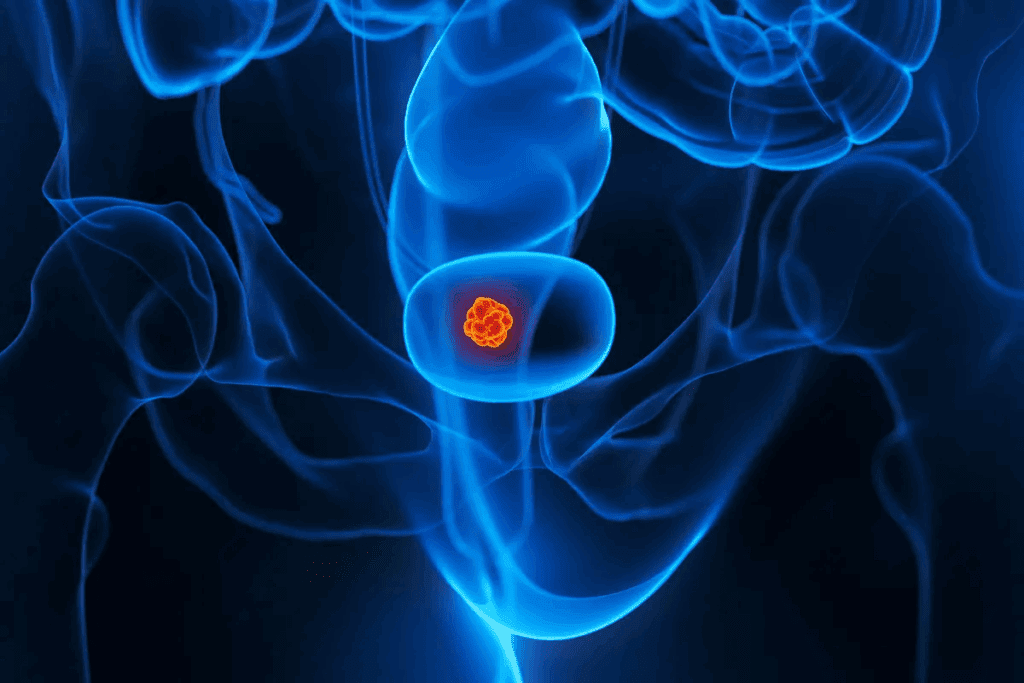
Bladder cancer is a complex disease with several types. Each type has its own characteristics and treatment options. The most common type is urothelial carcinoma, which comes from the bladder’s lining.
Urothelial Carcinoma
Urothelial carcinoma is the most common bladder cancer type. It’s often linked to smoking and chemical exposure. Knowing about this type is key for diagnosis and treatment.
Squamous Cell Carcinoma
Squamous cell carcinoma is another bladder cancer type. It’s less common but important. It’s often caused by chronic irritation or infection.
Understanding bladder cancer’s different types is essential for effective management.
Diagnosing Bladder Cancer

Diagnosing bladder cancer takes several steps. Imaging tests like CT scans and ultrasound help see the bladder. They look for any oddities.
Next, a biopsy is done to confirm the cancer. Finding cancer early is key for good treatment.
Treatment Options for Bladder Cancer
Bladder cancer treatment varies based on the cancer’s stage and grade. The main treatments are surgery, chemotherapy, and immunotherapy.
Surgical Options
Surgery is often the first choice. A common procedure is the Transurethral resection of bladder tumor (TURBT). It helps diagnose and treat bladder cancer. Sometimes, a more detailed surgery is needed.
Chemotherapy and Immunotherapy
Chemotherapy is used for cancer that has spread. Immunotherapy, like Bacillus Calmette-Guérin (BCG), boosts the immune system to fight cancer.
Each treatment plan is tailored to the patient’s needs and health.
Lifestyle Changes for Bladder Cancer Patients

Making lifestyle changes is key for bladder cancer patients. It helps improve treatment results and life quality. We suggest several important changes that can really help.
Diet is very important for bladder cancer management. Eating more fruits, vegetables, and whole grains is good. Try to eat less processed foods and red meat.
“A healthy diet rich in antioxidants can help bladder cancer patients recover better and potentially reduce the risk of recurrence.”
Medical Expert, Journal of Clinical Oncology
Here are some lifestyle changes we recommend:
- Quit smoking to lower cancer progression risk.
- Keep a healthy weight with a balanced diet and exercise.
- Drink lots of water to stay hydrated.
| Lifestyle Change | Benefit |
| Quitting Smoking | Reduces cancer progression risk |
| Healthy Weight | Improves overall health and treatment outcomes |
| Staying Hydrated | Helps in flushing out toxins |
By making these lifestyle changes, bladder cancer patients can better their treatment results and life quality.
Support for Bladder Cancer Patients
Getting a bladder cancer diagnosis can change your life. It’s not just about the medical treatment. Patients also face emotional and physical challenges that need support.
Managing side effects is key to a better life for bladder cancer patients. This means dealing with pain, fatigue, and urinary problems. Healthcare providers are essential in helping patients through tough times.
| Support Service | Description |
| Counseling | Emotional support to cope with the diagnosis |
| Support Groups | Connecting patients with others who have experienced similar challenges |
| Online Resources | Access to information and guidance on managing bladder cancer |
With the right support, bladder cancer patients can better handle their diagnosis. This improves their overall well-being.
Effective Bladder Cancer Treatment: A Comprehensive Approach
Bladder cancer is a complex disease needing a detailed treatment plan. We’ve looked at various treatments like surgery, chemotherapy, and immunotherapy. Each one is important, and the treatment should fit the patient’s needs.
Knowing about the different bladder cancer types and how doctors diagnose it helps patients. Making lifestyle changes and having support is also key in managing the disease and its treatment.
At our institution, we aim to provide top-notch healthcare to international patients. Our team works closely with patients to create a treatment plan that suits them best. This ensures the best results for each patient.
As we move forward in oncology, staying updated on new treatments and research is vital. This way, we can offer the best care for bladder cancer patients. It helps improve their quality of life and treatment success.
FAQ
What are the different types of bladder cancer?
There are several types of bladder cancer. Urothelial carcinoma is the most common. It starts in the lining of the bladder.
How is bladder cancer diagnosed?
Doctors use imaging tests like CT scans and MRI to find bladder cancer. They also take a biopsy. This means they remove a small tissue sample for a microscope check.
What are the treatment options for bladder cancer?
There are several ways to treat bladder cancer. These include surgery, chemotherapy, and immunotherapy. The right treatment depends on the cancer’s stage and type, and the patient’s health.
What is the role of surgery in treating bladder cancer?
Surgery is a key treatment for bladder cancer. It might involve removing the tumor or the whole bladder. Sometimes, surgery is combined with other treatments like chemotherapy or radiation.
How can I manage the side effects of bladder cancer treatment?
Managing side effects is important for a better quality of life. This includes using medications, making lifestyle changes, and trying alternative therapies.
What lifestyle changes can help manage bladder cancer?
Healthy lifestyle changes can help with bladder cancer. Quitting smoking, exercising, and eating well are good steps. They can improve your health overall.
Are there any new or experimental treatments for bladder cancer?
Yes, researchers are always looking for new treatments. They’re exploring targeted therapies and immunotherapies. These aim to better treatment results and lessen side effects.
References
Government Health Resource. (2025). Understanding Bladder Cancer Bladder cancer is a common. Retrieved from https://onlinelibrary.wiley.com/doi/10.3322/caac.21871