Last Updated on November 25, 2025 by Ugurkan Demir

Bladder cancer is a big health issue, mainly for men. The American Cancer Society says there will be about 84,870 new cases in the US for 2025. Men will make up about 65,080 of these cases. Why bladder cancer is much more common in men than women? We explore the biological and risk factor reasons behind the gender disparity.
Men are about four times more likely to get bladder cancer than women. This is a big health gap that needs our focus. We’ll look into why this is, including biological differences, lifestyle, and environmental factors.
Knowing the basics of bladder cancer is key to acting fast. Bladder cancer starts in the bladder. The most common type is urothelial carcinoma. By looking at the latest stats and research, we can understand why this disease happens.
Key Takeaways
- Bladder cancer is about four times more common in men than women.
- The American Cancer Society predicts 84,870 new bladder cancer cases in the US for 2025.
- Men will make up about 65,080 of the estimated new cases.
- Urothelial carcinoma is the most common type of bladder cancer.
- Knowing the causes and risk factors is key for early action.
The Gender Disparity in Numbers
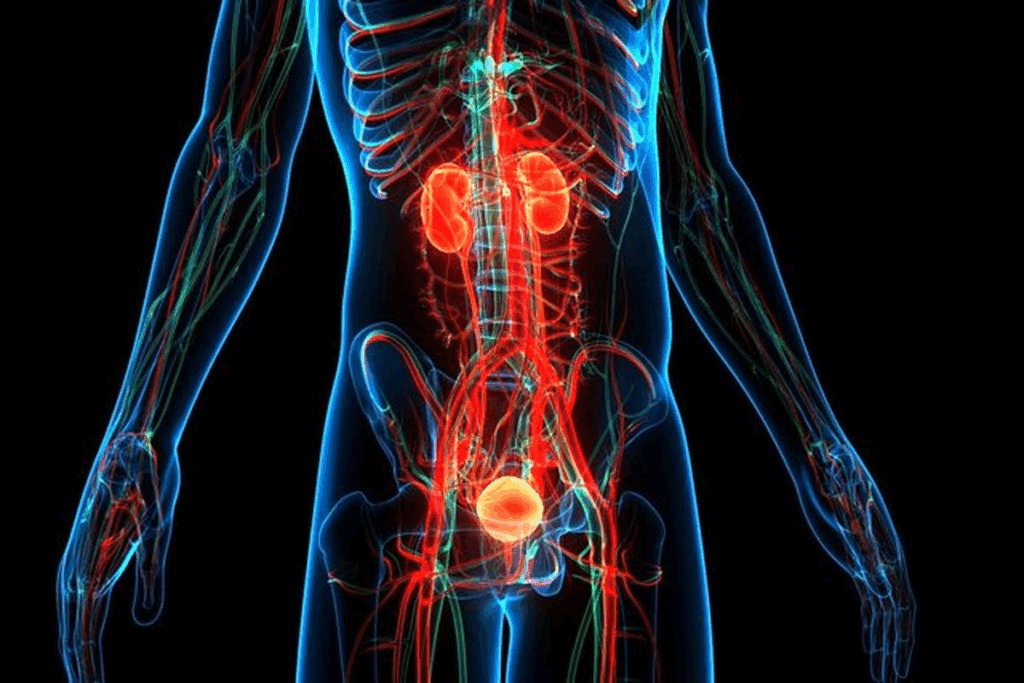
Recent data on bladder cancer show a notable difference in diagnosis rates between genders. We will explore the current statistics and trends that highlight this disparity.
Current Statistics and Trends
Bladder cancer is one of the most common types of cancer affecting men. The American Cancer Society reports that about 65,080 men will be diagnosed with bladder cancer in 2025, compared to 19,790 women. This significant difference in incidence rates is a key part of understanding the gender disparity in bladder cancer.
Lifetime Risk Comparison
The lifetime risk of developing bladder cancer is higher in men than in women. Men are more likely to be diagnosed with bladder cancer at an earlier age than women. This disparity is due to various factors, including lifestyle, occupational exposures, and biological factors.
Projected Cases for 2025
Looking ahead to 2025, the projected number of bladder cancer cases continues to show a significant gender disparity. With 65,080 men expected to be diagnosed compared to 19,790 women, the ratio remains a concern for healthcare providers and researchers. Understanding these projections helps in planning healthcare resources and preventive measures.
Bladder Cancer is Much More Common in Men: Examining the 4:1 Ratio

Men are four times more likely to get bladder cancer than women. This big difference makes us wonder why men are more at risk.
Incidence Rates Across Age Groups
Most bladder cancer cases happen in older adults. Men over 65 are hit hard, with rates going up as they get older. Men in their 70s and 80s see the highest rates.
More cases in older men come from long-term exposure to harmful substances and changes in the bladder with age.
Mortality Differences Between Genders
Men not only get bladder cancer more often but also die from it more. This is because they get it more often and it can be harder to treat in them.
Knowing these differences helps us find better ways to help men with bladder cancer.
Geographic and Demographic Variations
Where you live and who you are can affect your risk of bladder cancer. Men in Southern Europe and North America face higher risks than others.
Things like money and access to healthcare also play a part. We must think about these when trying to close the gap in bladder cancer rates between men and women.
Looking into why men get bladder cancer more often helps us find ways to make things more even.
Anatomical and Biological Factors
Research shows that gender differences in bladder cancer may come from anatomy and biology. We’ll look into these factors to understand their role in bladder cancer in men.
Urological Differences Between Men and Women
The urinary tract’s anatomy varies between men and women, possibly affecting bladder cancer risk. Men have a longer urethra, which might mean carcinogens stay in contact with the bladder longer.
Key anatomical differences include:
- The length and structure of the urethra
- The presence of the prostate gland in men, which can influence urinary tract dynamics
Hormonal Influences on Cancer Development
Hormones, like androgens, might play a part in bladder cancer. Studies suggest androgen receptors could help tumors grow and spread.
| Hormone | Potential Impact on Bladder Cancer |
| Androgens | May influence tumor growth through androgen receptors |
| Estrogens | May have protective effects, though research is ongoing |
Grasping these anatomical and biological factors is key to creating better prevention and treatment plans for bladder cancer. This is vital for men, who face a higher risk.
Tobacco Use as a Primary Risk Factor
The connection between tobacco and bladder cancer is clear, affecting men’s health a lot. Tobacco, mainly from smoking, is the biggest risk for bladder cancer.
Smoking Patterns in Men vs. Women
Men used to smoke more than women, but the gap is getting smaller. Research shows men start smoking younger and smoke more than women.
In the U.S., men smoke more than women, as the CDC reports. This leads to more bladder cancer in men.
How Tobacco Carcinogens Affect the Bladder
Tobacco smoke has harmful chemicals that get into the blood and then the urine. These chemicals damage the bladder lining, causing cancer.
Health groups say smoking causes over 30% of bladder cancer deaths. Quitting smoking is key to lowering this risk.
“Smoking cessation is vital for reducing bladder cancer risk, along with other smoking-related diseases.”
50-65% of Male Cases Linked to Smoking
Smoking causes 50-65% of bladder cancer in men, compared to 20-30% in women. This shows how important it is to fight smoking to prevent bladder cancer.
| Gender | Percentage of Bladder Cancer Cases Attributed to Smoking |
| Men | 50-65% |
| Women | 20-30% |
Smoking cessation programs are key to lowering bladder cancer risk in men. Quitting smoking greatly reduces the risk of bladder cancer and other diseases.
Occupational Exposures Contributing to Male Prevalence
Working with certain chemicals at work is a big reason why more men get bladder cancer. Some jobs and industries are riskier because of harmful substances.
High-Risk Industries and Professions
Men in jobs like dye, rubber, and paint making face a higher risk of bladder cancer. Occupational exposure to carcinogens in these fields is a big factor. Other risky jobs include:
- Textile workers
- Printers
- Painters
- Workers in the chemical industry
These jobs often involve harmful chemicals that raise bladder cancer risk.
Carcinogenic Chemicals in the Workplace
The workplace can have many harmful chemicals that raise bladder cancer risk. Some of the worst include:
- Aromatic amines
- Polycyclic aromatic hydrocarbons (PAHs)
- Certain solvents and chemicals used in manufacturing
It’s key to cut down on these chemicals to stop work-related bladder cancer.
Workplace Safety Regulations and Protection
Having strong workplace safety regulations is key to keep workers safe from harmful chemicals. This means:
- Providing personal protective equipment (PPE)
- Ensuring proper ventilation in work areas
- Training workers on handling hazardous materials
- Regular monitoring of workplace environments
By doing these things, we can lower bladder cancer risk in high-risk jobs.
Additional Risk Factors More Common in Men
Bladder cancer affects both men and women, but some risks are more common in men. This leads to a higher number of cases in men. We will look at these extra risks that might explain why men get bladder cancer more often.
Chronic Urinary Tract Infections
Men with long-term urinary tract infections (UTIs) face a higher risk of bladder cancer. These infections cause long-term irritation and inflammation in the bladder. “Long-term infection and inflammation can cause genetic changes in bladder cells, raising cancer risk,” studies show.
Dietary and Hydration Habits
What men eat and how much they drink can also affect bladder cancer risk. A diet low in fruits and veggies and high in processed foods might increase risk. Not drinking enough water can also harm the bladder by concentrating harmful substances.
“Drinking lots of water helps dilute urine and lowers bladder irritation risk,” health experts advise.
Delayed Medical Attention Seeking
Men might not seek medical help as quickly as women when they notice symptoms. This delay can mean bladder cancer is diagnosed later, when it’s harder to treat. It’s key for men to be more proactive about their health and get medical help when needed.
Knowing these extra risks helps us tackle the gender gap in bladder cancer. We can work to lower the risk for men.
Genetic and Molecular Factors
Understanding the genetic roots of bladder cancer is key. It helps explain why men get it more than women. We’ll look into the genetic and molecular reasons behind this gender gap in bladder cancer.
Sex Chromosome-Related Vulnerabilities
Sex chromosomes might affect bladder cancer risk. Research shows that certain sex chromosome issues could raise cancer risk. For example, some studies link genes on the Y chromosome to higher bladder cancer rates in men.
Sex Chromosome Abnormalities and Bladder Cancer Risk
| Sex Chromosome Abnormality | Association with Bladder Cancer |
| XXY (Klinefelter Syndrome) | Increased risk observed in some studies |
| XY | Higher incidence in men compared to women |
| XX | Lower incidence compared to XY |
Genetic Mutations More Common in Men
Certain genetic mutations are more common in men. These might contribute to their higher bladder cancer risk. For instance, TP53 tumor suppressor gene mutations are linked to bladder cancer among others.
Family History Considerations
A family history of bladder cancer is a big risk factor. People with a first-degree relative with bladder cancer face a higher risk. This risk grows when combined with other risk factors like smoking or certain jobs.
If you have a family history of bladder cancer, talk to your doctor. They can help you understand your risk and how to prevent or catch it early.
Diagnostic Challenges and Detection Rates
Diagnosing bladder cancer is complex and shows big differences between men and women. We look at the challenges in diagnosing bladder cancer. This includes how men and women notice and report symptoms differently.
Symptom Recognition and Reporting Differences
One big challenge is noticing and reporting symptoms. Men and women often have different symptoms. Symptoms like blood in the urine, painful urination, and needing to urinate a lot are common.
Women are often misdiagnosed first, treated for urinary tract infections before bladder cancer is found. This delay can mean the cancer is more advanced when it’s diagnosed.
- Hematuria is a key symptom that needs quick checking.
- Dysuria and frequent urination can be mistaken for other issues.
- How symptoms are reported can affect when a diagnosis is made.
Screening and Early Detection Considerations
Finding bladder cancer early can greatly improve treatment results. But, there’s no widely recommended screening test for bladder cancer for everyone. People at high risk, like smokers or those exposed to harmful substances at work, might need regular checks.
If you have symptoms or risk factors, talk to your doctor about screening. New tests and imaging methods are helping find cancer early.
| Risk Factor | Screening Consideration |
| Smoking History | Regular monitoring recommended |
| Occupational Exposure | Annual check-ups advised |
Diagnostic Procedures for Men
When bladder cancer is suspected, several tests are done. For men, these include:
- Cystoscopy: A way to see inside the bladder directly.
- Imaging tests: Like CT scans or MRIs to see how big the cancer is.
- Urine cytology: Checking urine for cancer cells.
- Biopsy: To confirm cancer cells are present.
These tests are key to accurately diagnosing bladder cancer. They help figure out the cancer’s stage, which helps decide treatment.
Treatment Approaches for Men with Bladder Cancer
Men with bladder cancer get treated in several ways. This includes surgery, chemotherapy, and immunotherapy. The treatment plan depends on the cancer’s stage, grade, and the patient’s health.
Standard Treatment Protocols
For bladder cancer, treatments often mix local and systemic therapies. Early-stage cancer might get treated with transurethral resection of the bladder tumor (TURBT) to remove the tumor. Sometimes, intravesical therapy is used to stop the cancer from coming back.
When cancer is more advanced, radical cystectomy (removing the bladder) might be needed. This can be with or without chemotherapy or radiation therapy. We’ll look at these options closer below.
- Surgery: TURBT, radical cystectomy
- Chemotherapy: systemic or intravesical
- Immunotherapy: Bacillus Calmette-Guérin (BCG) therapy
- Radiation therapy: external beam radiation or brachytherapy
Gender-Specific Treatment Considerations
Men and women get treated for bladder cancer in similar ways, but there are differences. Men are more likely to have their bladder removed because of cancer. The male urinary system’s anatomy also affects surgery choices and reconstruction after removing the bladder.
Survival Rates and Prognosis in Men
The survival rate for men with bladder cancer changes based on when it’s found. The American Cancer Society says men with localized cancer have a 77% 5-year survival rate. This drops to 36% for regional cancer and 6% for distant cancer.
| Stage at Diagnosis | 5-Year Survival Rate |
| Localized | 77% |
| Regional | 36% |
| Distant | 6% |
Early detection and treatment greatly improve survival chances. We stress the need for awareness and regular check-ups for men at risk of bladder cancer.
Prevention Strategies Targeting Men
Men can lower their risk of bladder cancer by quitting smoking, staying safe at work, and learning more about prevention. These steps can greatly reduce bladder cancer cases in men.
Smoking Cessation Programs
Smoking is a big risk for bladder cancer, causing 50-65% of male cases. It’s key to have good smoking quit programs.
- Counseling and behavioral therapy
- Nicotine replacement therapy (NRT)
- Prescription medications like bupropion and varenicline
These programs help smokers quit, lowering their bladder cancer risk.
Occupational Safety Measures
Jobs that expose workers to harmful chemicals raise bladder cancer risk. It’s important to keep workplaces safe.
| Industry | Carcinogenic Exposure | Safety Measures |
| Dye and rubber manufacturing | Aromatic amines | Personal protective equipment (PPE), ventilation systems |
| Painting and printing | Solvents and pigments | PPE, safe handling practices |
By following strict safety rules, we can protect workers from harmful chemicals.
Awareness and Education Initiatives
It’s critical to spread the word about bladder cancer risks and how to prevent it. Education helps men understand the importance of early detection and how to lower their risk.
“Educating men about the risks associated with bladder cancer and the benefits of prevention strategies can lead to earlier detection and improved outcomes.” – Medical Expert, Urologist
Health campaigns, community programs, and online resources can help spread the message.
Conclusion: Addressing the Gender Gap in Bladder Cancer
The big difference in bladder cancer rates between men and women shows we need better ways to prevent and treat it. We’ve looked at why this gap exists, like body and biology differences, smoking, work exposures, and genes.
To lower bladder cancer risk in men, we must take many steps. We need to spread the word about bladder cancer and find it early. Knowing the risks and using good prevention methods can help lessen bladder cancer’s impact.
Special programs, like helping people quit smoking and making work safer, are key to closing the bladder cancer gap. With a wide-ranging plan for prevention and treatment, we can help men stay healthier.
FAQ
What is bladder cancer, and how common is it in men?
Bladder cancer is a type of cancer that happens in the bladder. It’s the fourth most common cancer in men. Men are four times more likely to get it than women.
What are the main types of bladder cancer?
There are three main types of bladder cancer. Urothelial carcinoma is the most common, making up most cases.
What are the risk factors for bladder cancer in men?
Risk factors for bladder cancer in men include smoking and exposure to harmful chemicals at work. Chronic urinary infections and genetic mutations also play a role. Smoking is a big reason for male bladder cancer cases.
How does tobacco use contribute to bladder cancer development?
Tobacco use is a big risk for bladder cancer. Carcinogens in tobacco can damage the bladder lining, leading to cancer.
Are there any occupational exposures that increase the risk of bladder cancer?
Yes, jobs in industries like dye, rubber, and chemicals expose workers to harmful chemicals. This can raise the risk of bladder cancer.
Can genetic factors contribute to the development of bladder cancer?
Yes, genetic mutations and family history can increase bladder cancer risk. Sex chromosome-related vulnerabilities also play a part in men’s higher risk.
What are the symptoms of bladder cancer, and how is it diagnosed?
Symptoms include blood in the urine, frequent urination, and painful urination. Diagnosis uses imaging tests like ultrasound and CT scans, along with cystoscopy.
What are the treatment options for bladder cancer?
Treatments include surgery, chemotherapy, and immunotherapy. The choice depends on the cancer’s stage and type, and the patient’s health.
How can bladder cancer be prevented?
Prevention includes quitting smoking, workplace safety, and education. Early detection and screening can also improve treatment success.
Is bladder cancer more common in certain geographic regions or demographics?
Yes, bladder cancer rates vary by region and demographics. Knowing these variations helps target prevention efforts.
What is the lifetime risk of developing bladder cancer for men?
Men face a higher lifetime risk of bladder cancer than women. Current statistics show men are more likely to get it.
How rare is bladder cancer in comparison to other cancers?
Bladder cancer is relatively common, more so in men. It’s the fourth most common cancer in men, with higher rates than in women.
What causes bladder cancer in males?
Causes include genetic, environmental, and lifestyle factors. Smoking and occupational exposures are major contributors.
What are the signs and symptoms of bladder cancer in men?
Symptoms include blood in the urine, frequent urination, painful urination, and abdominal pain.
How is bladder cancer staged, and what does it mean for treatment?
Bladder cancer is staged based on tumor invasion and metastasis. The stage guides treatment and prognosis.
References
National Center for Biotechnology Information. (2025). Why Is Bladder Cancer More Common in Men. Retrieved from https://pmc.ncbi.nlm.nih.gov/articles/PMC11640134/).