Last Updated on November 25, 2025 by Ugurkan Demir
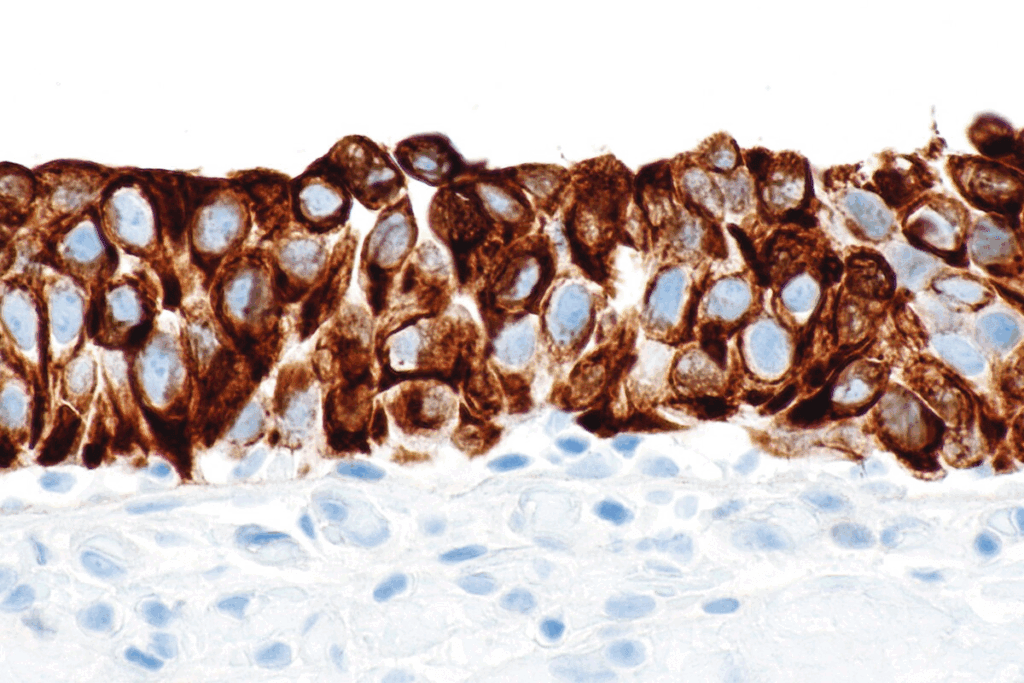
Knowing the prognosis for bladder cancer is key for patients and their families. It helps them make treatment choices and plan for the future. Getting a bladder cancer diagnosis can be scary, but early detection brings hope for recovery.Understand the bladder cancer mortality rate and cure rate. Get the facts on the overall prognosis and long-term outlook for patients.
The five-year survival rate for bladder cancer is about 77-78 percent. This means about three out of four people live for five years after being diagnosed. For non-muscle-invasive cases, the survival rate is even better, close to 96-98 percent.
At Liv Hospital, we offer full care and support to our patients. Knowing the prognosis and cure rate helps patients choose the best treatment options.
Key Takeaways
- The overall five-year relative survival rate for bladder cancer is approximately 77-78 percent.
- Early detection significantly improves the prognosis for bladder cancer patients.
- Non-muscle-invasive bladder cancer has a higher survival rate, nearing 96-98 percent.
- Understanding the prognosis helps patients make informed treatment decisions.
- Liv Hospital provides full care and support for bladder cancer patients.
Understanding Bladder Cancer Basics
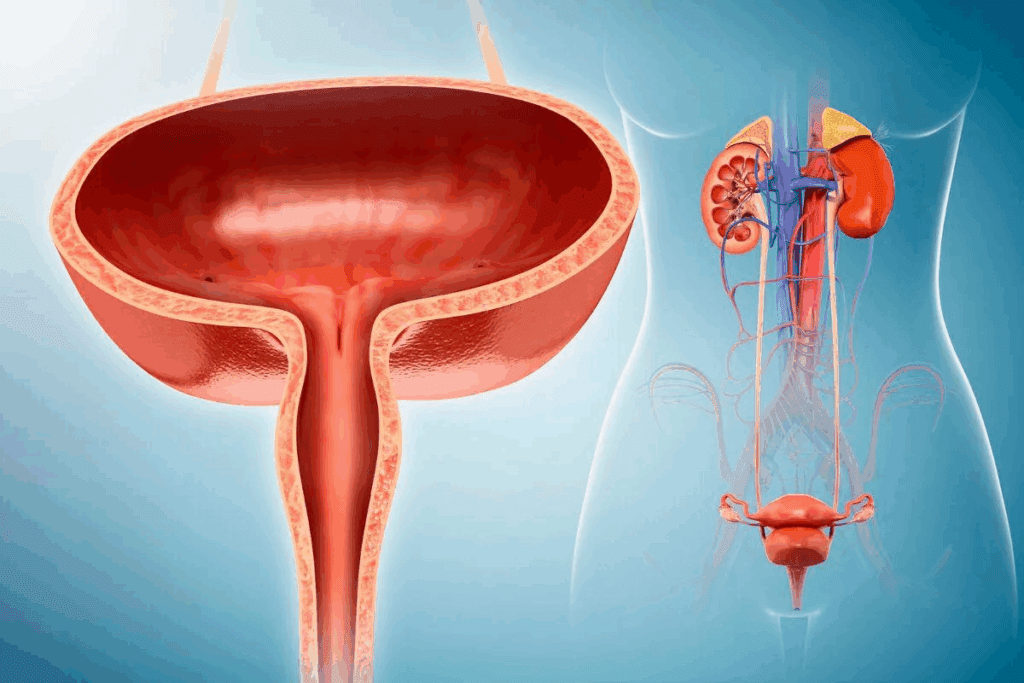
To grasp the prognosis and cure rate of bladder cancer, we must first understand the basics. Bladder cancer is when abnormal cells grow out of control in the bladder. This can cause tumors that may spread to other parts of the body.
Types and Characteristics of Bladder Cancer
Bladder cancer is not just one disease but a group of cancers. They are classified by the type of cells involved and their characteristics. The most common type is transitional cell carcinoma (TCC), also known as urothelial carcinoma, which starts in the bladder’s lining cells. Other types, like squamous cell carcinoma and adenocarcinoma, are less common but have their own characteristics and outcomes.
The grade and stage of bladder cancer are key in determining the prognosis. The grade shows how much the tumor cells look like normal cells. Higher grades mean more abnormal cells and usually a worse prognosis.
The Importance of Staging in Determining Prognosis
Staging bladder cancer is vital for understanding the prognosis and treatment plan. The TNM system is used to stage bladder cancer. It looks at the tumor’s size and spread, lymph node involvement, and if the cancer has metastasized. Stages range from stage 0, where cancer is only in the bladder lining, to stage IV, where it has spread to distant parts of the body.
| Stage | Description | 5-Year Relative Survival Rate |
| Stage 0 | Cancer cells are found only in the lining of the bladder. | 96-98% |
| Stage I | Cancer has grown into the lamina propria but not into the detrusor muscle. | 88% |
| Stage II | Cancer has grown into the detrusor muscle but not beyond. | 63-70% |
| Stage III | Cancer has grown beyond the detrusor muscle into nearby tissues. | 35-39% |
| Stage IV | Cancer has spread to distant parts of the body. | 5-8% |
Knowing the stage of bladder cancer is key. It affects treatment options and prognosis. Early-stage cancers are more treatable and have a better outlook than later-stage cancers.
Overall Bladder Cancer Mortality Rate and Survival Statistics

It’s key for patients and doctors to know about bladder cancer’s mortality rate and survival stats. These numbers help us understand what to expect and make better treatment choices.
The five-year relative survival rate is a major way to gauge bladder cancer’s outlook. It shows how many patients live for five years after being diagnosed compared to the average person.
Five-Year Relative Survival Rate Explained
The five-year relative survival rate for bladder cancer is about 77-78 percent, recent data shows. This means about 77-78% of bladder cancer patients live at least five years after being diagnosed, compared to the general population.
Here’s a closer look:
- The survival rate changes a lot based on when the cancer is found.
- Bladder cancer found early has a much better survival rate than cancer found later.
- New treatments have helped improve survival rates over time.
Recent Trends in Bladder Cancer Outcomes
Recent trends in bladder cancer show better survival rates. This good news comes from several areas:
- New surgical methods and treatments.
- More people getting checked early for cancer.
- Using personalized medicine more effectively.
The American Cancer Society says the five-year relative survival rate for bladder cancer is about 78%. This rise in survival rates highlights the need for ongoing research and better treatments for bladder cancer.
Is Bladder Cancer Usually Curable?
Bladder cancer’s chance of being cured depends a lot on when it’s found. It’s a complex issue. The type and stage of cancer, and the patient’s health, all play a role.
Defining “Cure” in the Context of Bladder Cancer
A “cure” for bladder cancer means the treatment got rid of it for good. But, it’s not always that simple. Cancer can come back, even after treatment. So, it’s important to keep up with follow-up care.
We say a cancer is cured if it doesn’t come back for five years or more. This helps us know if treatment worked well.
Factors That Influence Curability
Several things can change how likely bladder cancer is to be cured. These include:
- Stage at Diagnosis: Finding cancer early makes it more likely to be cured.
- Type of Bladder Cancer: The type of cancer affects how well it responds to treatment.
- Patient’s Overall Health: Being in good health helps with better outcomes.
- Treatment Response: How well the cancer reacts to treatment is key to curing it.
The table below shows how these factors affect bladder cancer’s chance of being cured:
| Factor | Impact on Curability |
| Early Stage at Diagnosis | Higher cure rate |
| Non-Muscle-Invasive Type | Better treatment outcomes |
| Good Overall Health | Improved survival |
| Favorable Treatment Response | Increased likelihood of cure |
Knowing these factors helps doctors and patients make better choices. By looking at the stage, type of cancer, and the patient’s health, we can plan the best treatment. This way, we can increase the chances of a cure.
Early-Stage Bladder Cancer Prognosis
The outlook for early-stage bladder cancer is good, with a high survival rate. This is true for non-muscle-invasive bladder cancer. It’s when the cancer stays in the bladder’s inner lining and doesn’t reach the muscle layer.
Non-Muscle-Invasive Bladder Cancer (96-98% Survival Rate)
Non-muscle-invasive bladder cancer has a high survival rate. 96-98% of patients survive at least five years after diagnosis. This is because it’s caught early and is easier to treat.
Receiving a cancer diagnosis can be scary. But for many with non-muscle-invasive bladder cancer, the future looks bright.
The high survival rate comes from effective treatments. Transurethral resection of bladder tumor (TURBT) and intravesical therapy are key. These methods remove the tumor and prevent it from coming back, boosting survival chances.
Treatment Success for Early Detection Cases
Early detection of bladder cancer greatly improves treatment success. When caught early, treatments work better, leading to better results. We’ve seen that timely and proper treatment for early-stage bladder cancer can greatly lower the risk of cancer coming back.
The success of early-stage bladder cancer treatment also depends on several factors. These include the tumor’s grade, the patient’s health, and how well they respond to treatment. By understanding these factors and working closely with healthcare providers, patients can make informed decisions. This can improve their prognosis.
In conclusion, early-stage bladder cancer, mainly non-muscle-invasive types, has a good prognosis with a high survival rate when caught and treated early. Regular check-ups and screenings are key. They help catch issues early, leading to better treatment outcomes and survival rates.
Muscle-Invasive Bladder Cancer Outlook
Muscle-invasive bladder cancer is a serious form of the disease. It needs a detailed treatment plan. Getting a diagnosis can be scary, but knowing the treatment options is key.
Localized Muscle-Invasive Cancer (70-71% Survival Rate)
Localized muscle-invasive bladder cancer has a 70-71 percent five-year survival rate. Early detection and treatment are vital. When cancer is only in the bladder, the outlook is better.
Key factors influencing survival include:
- The stage of cancer at diagnosis
- The overall health of the patient
- The effectiveness of the chosen treatment approach
Treatment Approaches and Their Impact on Survival
Treatment for muscle-invasive bladder cancer is aggressive. It includes surgery, chemotherapy, and radiation. The right treatment depends on the patient’s health and cancer details.
Some common treatments are:
- Radical Cystectomy: Removing the bladder, often with chemotherapy.
- Trimodal Therapy: Chemotherapy, radiation, and TURBT.
- Chemotherapy: Kills cancer cells before or after surgery.
It’s important to know how treatments affect survival. The right treatment plan can improve survival chances and quality of life.
Bladder Cancer Prognosis in Men vs. Women
It’s important to know how bladder cancer affects men and women differently. This knowledge helps doctors create better treatment plans. Men get bladder cancer more often than women, thanks to different risk factors and body traits.
Gender-Specific Risk Factors and Outcomes
Many factors can affect bladder cancer risk and how it’s treated. Men face higher risks because of things like smoking and genetics. Women might get diagnosed later because their symptoms are different or doctors are less likely to suspect bladder cancer.
Key risk factors influencing bladder cancer prognosis in men and women include:
- Smoking history
- Exposure to certain chemicals
- Age
- Family history of bladder cancer
- Previous radiation therapy
Why Men May Experience Different Prognosis Patterns
Men get bladder cancer more often and might have different outcomes than women. This is because men are more likely to smoke and be exposed to harmful chemicals at work. Hormones also play a part in how the disease progresses in each gender.
| Risk Factor | Men | Women |
| Smoking Prevalence | Higher | Lower |
| Occupational Exposure | More Common | Less Common |
| Average Age at Diagnosis | 70 years | 72 years |
The table shows some key differences in risk factors and demographics between men and women with bladder cancer. Knowing these differences helps doctors tailor treatments to improve outcomes for both genders.
Advanced and Metastatic Bladder Cancer Survival
The outlook for advanced and metastatic bladder cancer is not as good as for early-stage cancer. As cancer grows, treatment choices and survival chances change a lot.
Advanced bladder cancer can spread to nearby areas or distant parts of the body. This makes treatment harder. Knowing survival rates for these stages helps patients and doctors make better care plans.
Regional Spread to Nearby Structures
Bladder cancer that reaches nearby lymph nodes or organs is advanced. The five-year survival rate for this stage is about 35-39%. This shows the tough fight against cancer that has spread.
Treatment for this stage often includes surgery, chemotherapy, and radiation. The aim is to stop the cancer’s spread and ease symptoms, helping patients live better.
Metastatic Bladder Cancer
Metastatic bladder cancer has spread to distant places like the lungs, liver, or bones. Sadly, the five-year survival rate for this is 5-8%. Treating this stage is very hard, and care often focuses on easing symptoms and improving life quality.
Even though these numbers seem tough, remember that results can vary a lot. New research and treatments offer hope for better survival chances in the future.
Factors That Influence Bladder Cancer Prognosis and Cure Rate
Knowing what affects bladder cancer prognosis is key for good treatment planning. The prognosis changes a lot based on the cancer’s stage and how it grows. Important factors include the patient’s health, the cancer itself, and how well it responds to treatment.
Patient-Related Factors
Age, health, and genetics are big in determining bladder cancer prognosis. Older people might face more risks because of health issues and less energy. These factors help us tailor treatments to each patient.
Age matters a lot, as older people often have more health problems. Genetic predisposition also plays a role, with some genes making cancer more likely to come back or grow.
Tumor-Related Factors
How aggressive the cancer is, its size, and how many there are also matter a lot. High-grade tumors are more aggressive and grow faster. Larger or more tumors usually mean a worse outlook.
Tumor grade is very important, as high-grade tumors can spread deeper. Tumor size and multiplicity also matter, as bigger or more tumors are harder to treat.
Treatment Response and Compliance
How well the treatment works and if the patient follows it are key. Good treatment results mean better survival chances. A positive response to treatment is a good sign for long-term survival.
Treatment compliance is vital for the best results. Patients who stick to their treatment plans usually do better. We help our patients understand why following their treatment is so important.
By knowing these factors, we can make treatment plans that work better for each patient.
Conclusion: Living with Bladder Cancer and Future Outlook
Knowing about the prognosis and what affects it is key for living with bladder cancer. The five-year survival rate is about 77-78 percent. This shows bladder cancer can be treated, mainly if caught early.
Medical progress and early detection have boosted survival chances for bladder cancer patients. Early-stage bladder cancer has a much better survival rate than later stages. This highlights the need for quick diagnosis and treatment.
Whether bladder cancer can be cured depends on several things. These include the tumor’s stage and grade, and the patient’s health. While results vary, new treatments give hope to patients and their families.
Looking ahead, better medical care will help bladder cancer patients more. By understanding how serious bladder cancer can be and what affects its prognosis, patients can handle their diagnosis and treatment better.
FAQ
What is the overall five-year relative survival rate for bladder cancer?
The five-year survival rate for bladder cancer is a key number. It shows how likely someone is to survive. This rate changes based on when the cancer is found.
Is bladder cancer usually curable?
If bladder cancer is curable depends on several things. These include the cancer’s stage and the patient’s health. Early-stage cancer is more likely to be cured.
What are the different types of bladder cancer?
There are three main types of bladder cancer. These are transitional cell carcinoma, squamous cell carcinoma, and adenocarcinoma. Knowing the type helps understand the prognosis.
How does the stage of bladder cancer impact the prognosis?
The stage of bladder cancer is very important. It ranges from stage 0 to stage IV. Early stages have a better outlook.
What is the survival rate for non-muscle-invasive bladder cancer?
Non-muscle-invasive bladder cancer has a high survival rate. It’s 96-98%. Early detection and treatment are key for this good outcome.
What is the outlook for muscle-invasive bladder cancer?
Muscle-invasive bladder cancer has a survival rate of 70-71%. It needs a full treatment plan to fight it.
Are there differences in bladder cancer prognosis between men and women?
Yes, men and women face different bladder cancer outcomes. This is due to differences in risk factors, lifestyle, and biology.
What is the survival rate for metastatic bladder cancer?
Metastatic bladder cancer has a survival rate of 5-8%. Knowing the prognosis for advanced stages is important for making choices.
What factors influence the bladder cancer prognosis and cure rate?
Many factors affect bladder cancer’s prognosis and cure rate. These include the patient’s health, the cancer itself, and how well it responds to treatment.
Can bladder cancer be cured?
Yes, bladder cancer can be cured, mainly if caught early. What it means to be “cured” depends on several factors.
How fatal is bladder cancer?
Bladder cancer’s fatality rate depends on the stage and the patient’s health. Advanced stages have a worse outlook.
What is the prognosis for bladder cancer in men?
Men and women may face different bladder cancer outcomes. This is due to differences in risk factors and biology.
What is the cure rate for bladder cancer?
The cure rate for bladder cancer varies. It depends on the stage and other factors. Early-stage cancer has a higher cure rate.
References
Government Health Resource. (2025). What Is the Bladder Cancer Prognosis and Cure. Retrieved from https://seer.cancer.gov/statfacts/html/urinb.html