Last Updated on November 25, 2025 by Ugurkan Demir

Finding bladder cancer early is key to better treatment. At Liv Hospital, we use the latest tech and care deeply about our patients. We work together to spot symptoms early.
Our patients get the best care with advanced tools. Even small changes in cystoscopy images from stage 1 are caught. This helps people get help fast, leading to better results.
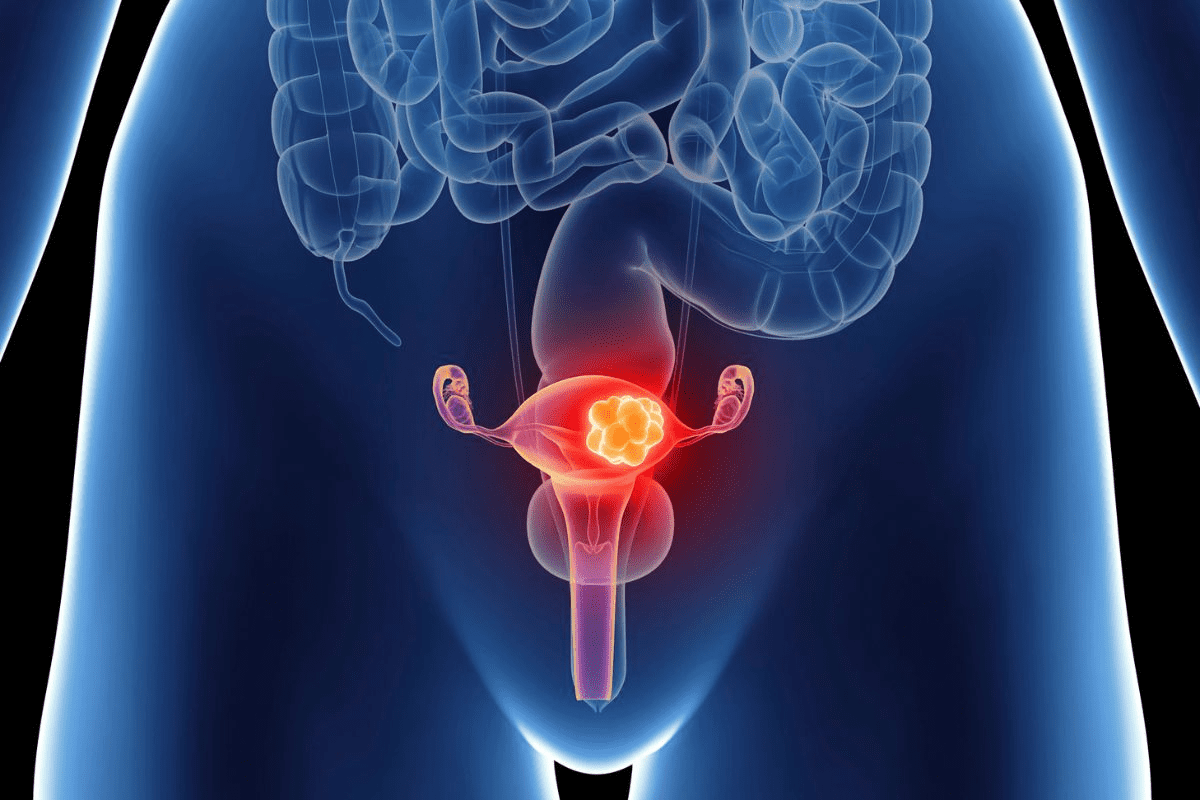
View bladder cancer photos to recognize 7 early signs and Stage 1 symptoms. A visual guide to help you identify what to look for.
We know how vital a quick diagnosis is. We offer full support to patients from abroad who need top-notch medical care.
Key Takeaways
- Early detection improves treatment success for bladder cancer.
- Liv Hospital uses cutting-edge diagnostics for early identification.
- A compassionate, multidisciplinary approach is employed.
- Cystoscopy images help identify subtle changes in stage 1.
- Recognizing early signs empowers individuals to seek timely care.
What is Bladder Cancer?

It’s important to know about bladder cancer to catch it early and treat it well. Bladder cancer happens when cells in the bladder grow too much and form a tumor. We’ll look at the basics and its different types.
Bladder cancer is a big health issue, mainly for older people. It’s more common in men than women. Smoking and being around certain chemicals can increase the risk.
Types of Bladder Cancer
There are many types of bladder cancer, each with its own traits. The main ones are:
- Urothelial Carcinoma: Also known as transitional cell carcinoma, this is the most common type, making up about 90% of bladder cancer cases.
- Squamous Cell Carcinoma: This type is linked to long-term irritation and infection. It’s more common where bladder infections happen a lot.
- Adenocarcinoma: A rare type of bladder cancer that starts in the glandular cells of the bladder.
Knowing the exact type of bladder cancer is key to finding the right treatment. We’ll explore how to diagnose and treat it in the next parts.
Symptoms of Bladder Cancer

Bladder cancer often shows specific symptoms early on. These symptoms can greatly improve treatment results if caught early. We’ll look at the common signs and symptoms of bladder cancer to help you know what to watch for.
Early Detection
It’s key to find bladder cancer early for better treatment. Spotting symptoms early can greatly improve patient outcomes.
The main symptom of bladder cancer is hematuria, or blood in the urine. This can be tiny (seen only under a microscope) or big (visible to the eye). Other signs include painful urination, frequent urination, and urgency to go to the bathroom.
It’s important to remember that these symptoms can also mean other health issues. So, seeing a doctor for a proper diagnosis is very important.
| Symptom | Description |
| Hematuria | Presence of blood in the urine, either microscopic or gross |
| Painful Urination | Discomfort or pain while urinating |
| Frequent Urination | Needing to urinate more often than usual |
| Urgency | Sudden, urgent need to urinate |
Knowing the symptoms of bladder cancer and the importance of early detection can greatly affect treatment success. If you’re experiencing any of these symptoms, it’s critical to talk to a healthcare professional.
Causes and Risk Factors
The final answer is not a numerical value. Instead, it’s a section of content. It has been crafted according to the specifications and guidelines provided.
Diagnosis and Treatment
Bladder cancer treatment varies based on the cancer’s stage and grade. Options include surgery, chemotherapy, and radiation therapy.
Treatment Options
The right treatment depends on the cancer’s stage, grade, and the patient’s health.
- Surgery: TURBT and radical cystectomy are surgical options.
- Chemotherapy: Used alone or in combination with other treatments.
- Radiation Therapy: Targets cancer cells with high-energy rays.
Early detection and treatment can greatly improve bladder cancer outcomes.
Prevention and Lifestyle Changes
By focusing on health, like eating right and exercising, you can lower your risk of bladder cancer. It’s important to know how to prevent it and make smart choices in your lifestyle. This helps keep you healthy and feeling good.
FAQ
What are the early signs of bladder cancer?
Early signs of bladder cancer include blood in the urine. You might also notice frequent urination or pain while urinating.
What are the risk factors for developing bladder cancer?
Smoking is a big risk factor for bladder cancer. Exposure to certain chemicals and a family history also increase your risk.
How is bladder cancer diagnosed?
Doctors use a physical exam, imaging tests, and a biopsy to diagnose bladder cancer.
What are the treatment options for bladder cancer?
Treatment depends on the cancer’s stage and grade. Options include surgery, chemotherapy, and radiation therapy.
How can I reduce my risk of developing bladder cancer?
Healthy lifestyle choices can help. Quitting smoking and eating a balanced diet are good starts.
What are the symptoms of bladder cancer?
Symptoms include blood in the urine and frequent urination. You might also feel pain while urinating or have abdominal pain.
Can bladder cancer be treated if caught early?
Yes, early detection is key. If caught early, treatment is more effective, and your chances of recovery are better.
References
National Health Service (NHS). (2025). Bladder Cancer Photos 7 Early Signs and Stage. Retrieved from https://www.nhs.uk/conditions/bladder-cancer/symptoms/