Last Updated on November 25, 2025 by
Bladder cancer can often be treated successfully when caught early. But if symptoms are ignored or misdiagnosed, they can go unnoticed for months or years. The most common symptom is blood in the urine. This can be intermittent and may not always be painful.
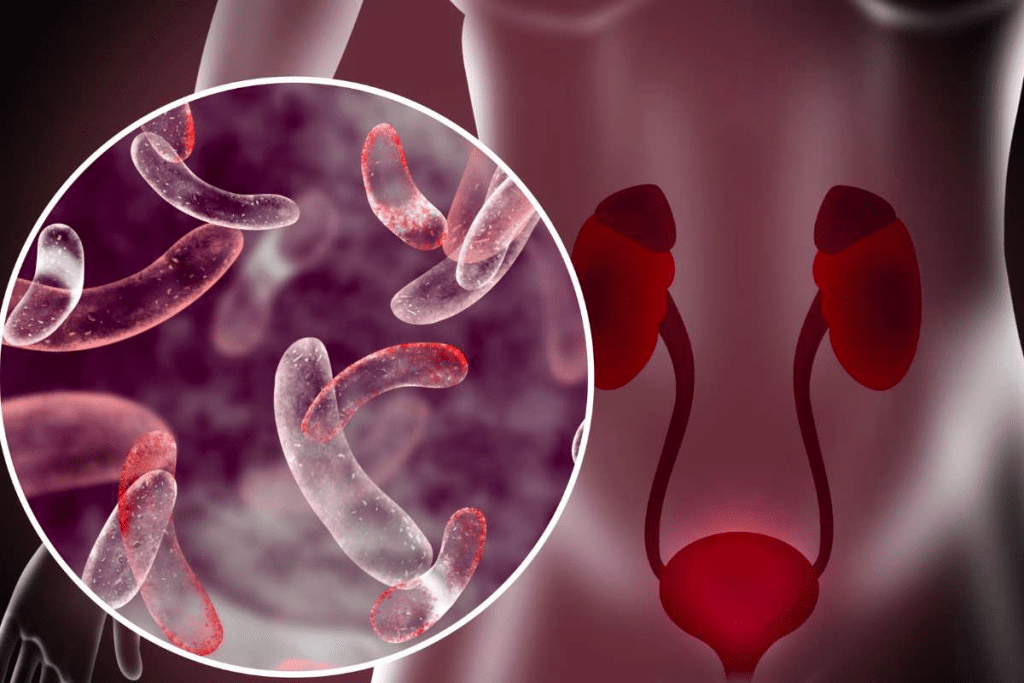
At Liv Hospital, we stress the importance of recognizing bladder cancer symptoms early. Our detailed diagnostics and tailored treatment plans aim to give our patients the best results.How long can bladder cancer go undetected? Learn the dangerous reality of silent progression and the subtle bladder cancer side effects. Crucial, powerful facts.
Key Takeaways
- Bladder cancer can go undetected for months or years if symptoms are ignored.
- Blood in urine is a common symptom that requires immediate medical attention.
- Early detection improves treatment outcomes for bladder cancer patients.
- Personalized treatment plans are key to effective care.
- Recognizing symptoms early is vital for a better prognosis.
The Silent Timeline of Bladder Cancer Development
Knowing when bladder cancer starts is key to getting help early. It begins in the bladder or its lining. As it grows, it forms a tumor that can spread to other areas.
Months to Years Without Detection
Bladder cancer can grow quietly for months to years without symptoms. Half of the time, it’s caught when it’s just in the bladder’s inner layer. A third is found after it has grown deeper.
This shows why it’s important to know the signs of kidney bladder cancer symptoms and go for regular check-ups.

Factors That Accelerate or Delay Diagnosis
Many things can change how fast bladder cancer is found. Smoking, certain chemicals, and family history can speed up detection. But, some cases may not show symptoms for a long time, making diagnosis harder.
Sometimes, symptoms like bladder cancer band ack pain can be mistaken for other issues.
Our team at Liv Hospital uses the latest tests to find bladder cancer early. We stress the need to know the risks and watch for early signs to get help quickly.
5 Warning Signs of Bladder Cancer Often Ignored
It’s important to know the signs of bladder cancer to get help early. Our personnel emphasizes the need to recognize symptoms of bladder cancer. This can lead to better treatment outcomes.
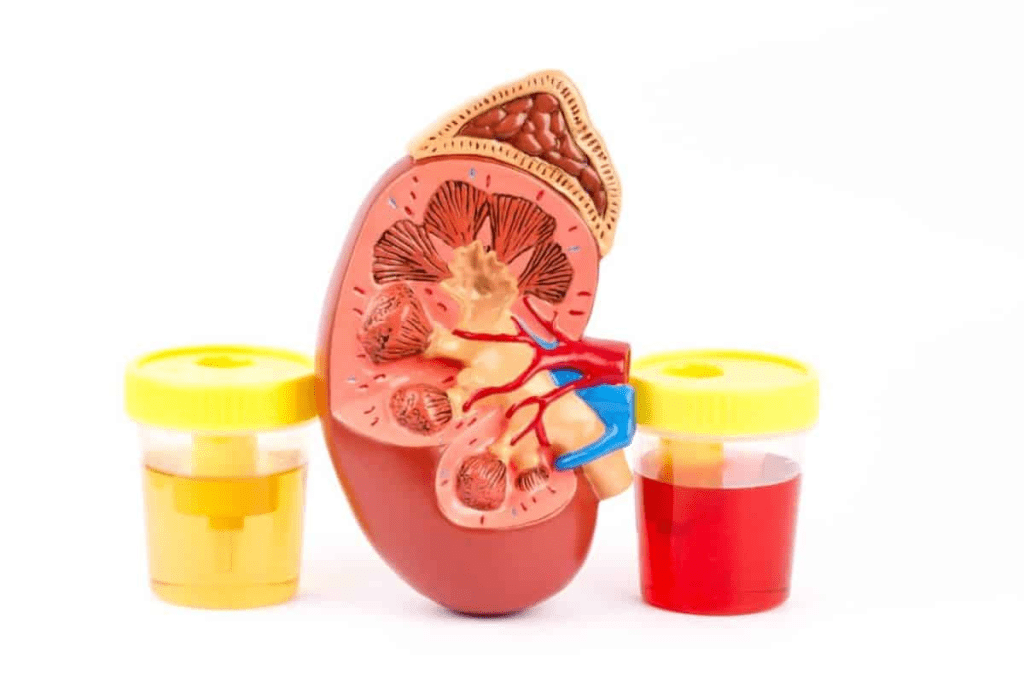
Blood in Urine: The Most Common Overlooked Symptom
Blood in urine, or hematuria, is a key sign of bladder cancer. It’s often painless and can come and go. But any blood in the urine needs a doctor’s check.
We tell our patients to watch for this symptom. If you see blood in your urine, get medical help right away.
Urinary Changes and Frequency Issues
Bladder cancer can cause changes in how you pee. You might pee more often, feel a strong need to pee, or pee in pain. These can be mistaken for other issues.
Keep an eye on any lasting changes in your pee habits. If these problems don’t go away, see a doctor.
Female-Specific Symptom Presentation
Women often find out they have bladder cancer later than men. This can affect their treatment and survival chances. We teach women about the unique signs they should watch for.
This way, they can get the right care sooner.
Recurring Urinary Tract Infections
Having UTIs over and over could mean bladder cancer. While UTIs are common, if they keep coming back, it’s time to check what’s causing them.Our team is equipped to perform a comprehensive assessment of patients and investigate the reasons behind your recurring UTIs.
Knowing these signs and acting on them can help find bladder cancer early. We aim to give our patients the knowledge and care they need to deal with this condition.
Bladder Cancer Side Effects at Different Stages
Bladder cancer symptoms change as the disease progresses. Patients and doctors need to understand these changes. This helps in managing the disease better.
Early Stage Manifestations
In the early stages, bladder cancer symptoms are mild and easy to miss. Common signs include:
- Hematuria, or blood in the urine, which is often the first noticeable symptom
- Urinary irritation, such as dysuria (painful urination) or frequency
- Occasional urinary tract infections (UTIs) that may recur
These symptoms can be similar to less serious conditions. This makes early diagnosis hard. But catching it early makes treatment more effective.
Advanced Stage Complications
As bladder cancer gets worse, symptoms become more severe. Patients may feel:
- Pelvic pain or discomfort
- Lower back pain, which can be a sign of cancer spread
- Increased frequency or urgency of urination, sometimes accompanied by incontinence
- Blood clots in the urine, which can lead to anemia if not addressed
Advanced bladder cancer can also cause urinary obstruction. This can greatly affect a patient’s quality of life.
Systemic Effects as Cancer Progresses
In later stages, bladder cancer can affect the whole body. Symptoms may include:
- Weight loss and loss of appetite
- Fatigue or generalized weakness
- Swelling in the legs or feet due to possible metastasis
End-stage bladder cancer symptoms can greatly reduce a patient’s quality of life. IPatients and their families need to workclosely with their healthcare team. This helps manage symptoms effectively.
We, at Liv Hospital understand how complex bladder cancer and its treatment are. Our team is dedicated to providing full care to patients at every disease stage.
Untreated muscle-invasive bladder cancer has high morbidity and a median survival of just 8-13 months. Early detection and treatment are key to better outcomes for bladder cancer patients.
Detection Statistics: When Bladder Cancer Is Typically Found
About half of bladder cancers are caught early, when they’re only on the bladder’s surface. This shows how key early detection is. Bladder cancer is the tenth most common cancer globally, with different rates in different places. Knowing about bladder cancer detection stats helps us see why early diagnosis matters.
Deeper Invasion Detection Rates
Thirty-three percent of bladder cancers are found after they’ve grown deeper into the bladder wall. This makes treatment harder and often leads to a poorer outcome.
Late-Stage Detection and Its Implications
Bladder cancer found late in the game can really hurt patient outcomes. When it’s caught too late, treatment choices are few, and the outlook is grim. Spotting the warning signs of bladder infection, like blood in urine, frequent need to pee, and painful pee, is key to catching it early.
Some groups might face a higher risk of late detection due to less access to healthcare. This can lead to a later diagnosis. Our institute aims to change these numbers by focusing on early detection and advanced treatments.
Early detection boosts survival rates and improves life quality for patients. By grasping the detection stats and spreading the word about bladder cancer symptoms, we can aim for better patient results.
Survival Rates Based on Detection Timing
How early bladder cancer is found greatly affects survival rates. The 5-year survival rate for bladder cancer is about 79%. This shows why finding and treating it early is so important.
Early Detection Outcomes
If bladder cancer is caught early, the 5-year survival rate jumps to 96%. Early detection means better treatment options. This greatly improves patient results. It’s key to spot early bladder cancer symptoms, like blood in urine, for quick medical checks.
Reduced Survival Statistics with Late Detection
But if bladder cancer is found late, survival rates drop. Symptoms like bladder cancer band ack pain may show up, meaning the cancer is more advanced. Patients need to see a doctor if symptoms don’t go away or get worse.
Prognosis for Untreated Muscle-Invasive Bladder Cancer
Untreated bladder cancer that has invaded the muscle layer has a poor prognosis. The 5-year survival rate is much lower. This stresses the need for early action.
“Early detection is key to improving survival rates in bladder cancer patients.”-Experts note.
We’re dedicated to top-notch healthcare, focusing on early detection and treatment of bladder cancer. Knowing how early detection affects survival rates helps us support our patients better.
Why Bladder Cancer Bleeding and Other Symptoms Get Misdiagnosed
Bladder cancer symptoms, like bleeding, are often mistaken for other issues. This can lead to late diagnosis and treatment. At Liv Hospital, we face these challenges head-on. We know how hard it is to spot bladder cancer because its symptoms are similar to other urinary problems.
Conditions Commonly Confused with Bladder Cancer
Blood in urine is a common symptom that can be mistaken for urinary tract infections or kidney stones. But, if this symptom keeps coming back or is joined by other urinary changes, bladder cancer should be considered.
Other issues that can be mistaken for bladder cancer include:
- Recurring urinary tract infections
- Interstitial cystitis
- Kidney stones
- Benign prostatic hyperplasia (BPH) in men
These conditions share symptoms like frequent urination, urgency, or pain. This makes it hard to accurately diagnose bladder cancer without a detailed check-up.
Demographic Disparities in Diagnosis
Demographic factors also affect bladder cancer diagnosis. Women are more likely to be misdiagnosed because symptoms like blood in urine are often linked to menstrual or menopausal issues. This delay can lead to more severe disease by the time it’s diagnosed.
Older adults are also at risk of misdiagnosis. This is because they often have other health issues that can hide or mimic bladder cancer symptoms.
By tackling these challenges and disparities, we can improve bladder cancer detection and treatment. This will help better patient outcomes.
Advanced Diagnostic Approaches for Earlier Detection
Advanced diagnostic techniques are changing how we find bladder cancer. This means we can catch it sooner. At Liv Hospital, we use the newest tools to help our patients.
Modern Screening Methods
Today, we have urine tests that don’t hurt to find bladder cancer. These tests look for cancer cells or special signs of the disease. They’re great for people at high risk, like smokers or those with a family history.
Non-invasive urine tests are easy and quick. They help us find bladder cancer early. This means we can avoid more serious tests later on.
Imaging Technologies and Their Accuracy
Imaging tools like ultrasound and CT scans are key in finding bladder cancer. They give us clear pictures of the bladder. This helps us spot tumors and know their size and where they are.
These tools have gotten better over time. For example, CT scans can now find smaller tumors. This helps us plan treatment more accurately.
Biomarker Testing Innovations
Biomarker testing is a new way to find bladder cancer early. It looks for special signs in urine or blood. This way, we can find cancer cells before symptoms show up.
New biomarker tests are getting better at finding bladder cancer. This means we can spot it in women and others at risk sooner. It helps us catch it before it gets too serious.
By using these new ways to find bladder cancer, we can treat it better. Our personnel at Liv Hospital keeps up with the latest in medical technology. This means our patients get the best care possible.
Conclusion: The Critical Importance of Timely Detection
Early detection of bladder cancer is key to effective treatment and better survival rates. If caught early, many patients can fully recover. But, if ignored, bladder cancer can cause serious problems, like spreading to other parts of the body, failing organs, and even death.
Knowing end-stagebladder cancer symptoms is important for quick medical help. At our hospital, we focus on early detection and care. Our team works hard to give top-notch healthcare with kindness and skill, aiming for the best results for our patients.
Spotting bladder cancer early makes a big difference in treatment success and life quality. We push for regular check-ups and screenings to catch bladder cancer early, when it’s easiest to treat.
FAQ
What are the most common symptoms of bladder cancer?
The most common symptom is blood in the urine. It can happen at any time and may not hurt. Other signs include changes in how you pee, needing to pee more often, and getting UTIs a lot.
How long can bladder cancer go undetected?
Bladder cancer can hide for months or years without symptoms. Regular check-ups and knowing your risk are key.
What are the risk factors for bladder cancer?
Smoking, certain chemicals, and family history can affect when you’re diagnosed.
Why are bladder cancer symptoms often misdiagnosed?
Symptoms like bleeding can be mistaken for other issues. This can lead to delays in treatment. Women are often affected more because of this.
What are the warning signs of a bladder infection?
Signs include needing to pee a lot, feeling urgent, pain while peeing, and blood in the urine. If you see these, get medical help right away.
How does bladder cancer manifest at different stages?
Early stages might not show symptoms. But as it gets worse, you might feel pain, have trouble peeing, and feel sick all over.
What are the survival rates for bladder cancer based on detection timing?
Catching it early means a better chance of survival. But if it’s found late, the outlook is not as good. This shows why quick medical checks are so important.
How is bladder cancer diagnosed?
New tests and imaging help find bladder cancer sooner and more accurately. This means better treatment options.
What are the side effects of advanced bladder cancer?
Advanced cancer can cause a lot of pain, trouble peeing, and other problems. Knowing these can help manage the disease better.
Can bladder cancer be treated successfully?
Yes, bladder cancer can be treated well if caught early. At Liv Hospital, we use the latest tests and plans to help our patients.
What are the symptoms of end-stage bladder cancer?
Symptoms include severe pain, trouble peeing, feeling very tired, and losing weight.
Are there any differences in bladder cancer symptoms between men and women?
Yes, women often get diagnosed later because symptoms are mistaken for other issues, like menstrual or menopause problems
References
- American Cancer Society. (2025). Bladder Cancer Signs and Symptoms. https://www.cancer.org/cancer/types/bladder-cancer.html
- National Cancer Institute. (2025). SEER Cancer Stat Facts: Bladder Cancer. https://seer.cancer.gov/statfacts/html/urinb.html
- Russo, P., et al. (2020). Gender disparities in bladder cancer survival: A population-based study. Journal of Clinical Oncology, 38(23), 2601-2609. https://pmc.ncbi.nlm.nih.gov/articles/PMC12136307/