Last Updated on November 25, 2025 by Ugurkan Demir

Smoking is linked to many health problems, including bladder cancer. We look into how smoking affects the risk of getting bladder cancer.Does smoking cause bladder cancer? bladder cancer smoking Get a complete guide to the undeniable link between tobacco use and bladder cancer risk.
The American Cancer Society says smokers are three times more likely to get bladder cancer than non-smokers. This shows how important it is to know about the smoking and bladder cancer link. Knowing the risks helps people prevent and catch bladder cancer early.
Key Takeaways
- Smoking is the leading preventable cause of bladder cancer.
- Current smokers face 3 to 4 times higher risk of developing bladder cancer.
- Smoking cessation is key to lowering bladder cancer risk.
- Knowing the risks of smoking helps prevent bladder cancer.
- Early detection is vital for treating bladder cancer effectively.
The Connection Between Smoking and Bladder Cancer
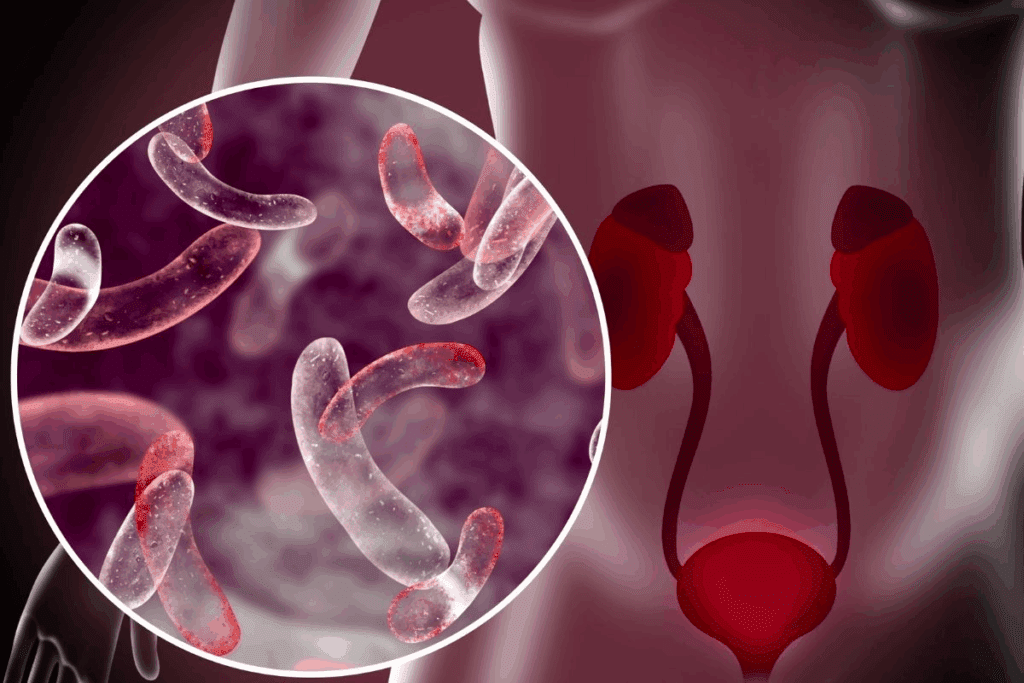
Smoking is a major risk factor for bladder cancer. It’s important to understand this link to prevent and treat the disease. When you smoke, your body absorbs thousands of chemicals, many of which can cause cancer. These chemicals move through your body, including your urine.
Understanding Bladder Cancer Basics
Bladder cancer starts when abnormal cells grow out of control in the bladder. This forms a tumor. There are three main types: urothelial carcinoma, squamous cell carcinoma, and adenocarcinoma. Urothelial carcinoma is the most common, making up about 90% of cases.
The bladder’s lining, or urothelium, is where most cancers start. Knowing the basics of bladder cancer helps us see how smoking plays a role.
Smoking as a Leading Risk Factor
Smoking is the biggest risk factor for bladder cancer, causing about 50% of deaths. Tobacco smoke’s chemicals are absorbed, filtered by the kidneys, and then concentrated in the urine. This can harm the bladder lining.
Some harmful chemicals in tobacco smoke include:
- Polycyclic aromatic hydrocarbons
- Aromatic amines
- Nitrosamines
These chemicals can damage DNA in bladder cells, leading to cancer.
The Scope of the Problem
Bladder cancer is a big health problem worldwide, with smoking being a major cause. It’s more common in men, and smoking rates play a big part in this difference.
| Region | Bladder Cancer Incidence Rate | Smoking Prevalence |
| North America | High | 15% |
| Europe | High | 18% |
| Asia | Moderate | 20% |
The table shows how smoking rates relate to bladder cancer rates in different areas.
How Smoking Leads to Bladder Cancer Development

Smoking and bladder cancer are linked in a complex way. This involves harmful chemicals and biological processes that lead to cancer. When we smoke, we breathe in thousands of chemicals, many of which can cause cancer.
Carcinogenic Chemicals in Tobacco Smoke
Tobacco smoke has over 7,000 chemicals, with at least 70 known to cause cancer. Chemicals like nicotine, hydrogen cyanide, and formaldehyde get into the bloodstream and reach the bladder. There, they can harm the urothelial cells lining the bladder.
The Journey from Lungs to Bladder
When we smoke, harmful chemicals from the smoke get into our bloodstream through the lungs. These chemicals then go to the kidneys and are filtered into the urine. When this urine meets the bladder lining, it can cause damage.
Cellular Damage and Cancer Formation
The urothelial cells in the bladder are very sensitive to tobacco smoke’s carcinogens. Long-term exposure to these substances can cause genetic mutations and damage. This can lead to bladder cancer.
Cumulative Effects of Long-term Smoking
The risk of bladder cancer grows with the amount and length of time smoking. Long-term smokers face a much higher risk than non-smokers or those who have quit. Years of exposure to harmful chemicals in tobacco smoke can cause lasting damage.
| Smoking Duration | Relative Risk of Bladder Cancer |
| Never Smoked | 1.0 |
| 1-10 years | 1.5 |
| 11-20 years | 2.5 |
| 21+ years | 4.0 |
Understanding how smoking causes bladder cancer is key to preventing and treating it. By sharing the dangers of smoking and the need to quit, we can lower bladder cancer rates.
Statistical Evidence: Bladder Cancer Smoking vs Non-Smoking Rates
Research has shown a strong link between smoking and bladder cancer. It found that smoking triples the risk of bladder cancer. This is a big reason for many cases.
Current Research Findings
Recent studies have given us clear data. Current smokers are at a 3.14-fold increased risk of bladder cancer. Former smokers have a 1.83-fold increased risk. This shows how big of a problem smoking is for bladder cancer.
Gender Differences in Risk
Studies have looked at how smoking affects men and women differently. Both men and women face higher risks, but men might be at a slightly higher risk. Yet, it’s clear that smoking is a big risk for bladder cancer in both genders.
Duration and Intensity Effects
The longer and more you smoke, the higher your risk of bladder cancer. This shows how smoking over time increases the risk. It’s important to understand this to know the risks of smoking.
Global Statistics and Trends
Bladder cancer rates vary worldwide, but smoking is a big risk everywhere. Smoking is linked to a lot of bladder cancer cases globally.
| Category | Risk Factor | Bladder Cancer Incidence |
| Current Smokers | 3.14-fold increased risk | Higher incidence |
| Former Smokers | 1.83-fold increased risk | Moderate incidence |
| Never Smokers | Baseline risk | Lower incidence |
These numbers show how smoking is a major cause of bladder cancer. They highlight the need for quitting programs and prevention.
Specific Carcinogens in Tobacco That Target the Bladder
Tobacco smoke has many harmful chemicals that target the bladder, leading to cancer. When we smoke, we breathe in thousands of chemicals, many of which are harmful. These chemicals travel from the lungs to the bladder through complex biochemical processes.
Polycyclic Aromatic Hydrocarbons
Polycyclic aromatic hydrocarbons (PAHs) are key carcinogens in tobacco smoke. They are formed when tobacco burns and are very harmful. PAHs can bind to DNA, causing mutations that may lead to cancer. Studies show that PAHs increase the risk of bladder cancer and other cancers.
Aromatic Amines and Nitrosamines
Aromatic amines and nitrosamines are also harmful in tobacco smoke. Aromatic amines are closely linked to bladder cancer because they damage the bladder lining. Nitrosamines can also cause DNA damage and are linked to various cancers.
“The presence of carcinogenic compounds in tobacco smoke is a major factor in the development of bladder cancer.”
Concentration in Urine
The way these carcinogens concentrate in urine is key to understanding bladder cancer. The body filters out harmful chemicals from tobacco smoke, sending them to the urine. This means the bladder is exposed to high levels of these harmful substances, raising the cancer risk.
Individual Susceptibility Factors
It’s also important to note that people can vary in how they react to tobacco smoke’s carcinogens. Factors like genetics, health conditions, and how long and how much someone smokes can affect bladder cancer risk. Understanding these factors can help in assessing personal risk and making informed decisions about smoking.
Secondary Exposure and Other Risk Factors
Smoking isn’t the only thing that can lead to bladder cancer. Other factors like secondhand smoke, work exposures, and genetics also play a role. Let’s dive into how these factors can increase your risk of getting bladder cancer.
Secondhand Smoke Exposure
Being around secondhand smoke can raise your risk of bladder cancer. Non-smokers breathe in the same harmful chemicals as smokers. Long-term exposure to this smoke can increase your risk, though it’s not as high as for smokers.
A study in the Journal of the National Cancer Institute found a 20-30% higher risk of bladder cancer from secondhand smoke. This is a big concern for those who never smoked but are often exposed to smoke.
Occupational Hazards
Some jobs expose workers to chemicals that can cause bladder cancer. Workers in rubber, dye, and painting industries face higher risks. It’s important to know about these dangers to protect workers.
| Occupation | Carcinogenic Exposure | Relative Risk |
| Rubber Manufacturing Workers | Aromatic Amines | 2-3 times higher |
| Dye Production Workers | Aromatic Amines | 2-3 times higher |
| Painters | Solvents, Aromatic Amines | 1.5-2 times higher |
Genetic Predisposition
Genetics can also affect your risk of bladder cancer. Some genetic changes can make it harder for your body to handle harmful substances. For example, certain NAT2 gene variations can increase your risk.
“Genetic susceptibility is an important factor in bladder cancer, and understanding an individual’s genetic profile can help in assessing their overall risk.”
Combined Risk Factors
Bladder cancer risk often comes from a mix of factors. Smoking, secondhand smoke, work hazards, and genetics can all play a part. When these factors combine, the risk goes up a lot.
It’s key to understand these combined risks to prevent bladder cancer. By knowing how these factors work together, we can better protect those at high risk.
Quitting Smoking: Impact on Bladder Cancer Risk
Stopping smoking is key to lowering bladder cancer risk. When you quit, your risk of getting this disease goes down. Let’s look at how quitting affects bladder cancer risk.
Timeline of Risk Reduction
The risk of bladder cancer drops after you quit smoking. Studies show that the risk starts to fall quickly after you stop. Within a few years, the risk drops a lot.
This drop in risk is because your body starts to heal from tobacco’s harm. As your body gets rid of harmful chemicals, your cancer risk goes down.
Former Smokers vs. Never Smokers
Quitting smoking lowers bladder cancer risk, but former smokers are at higher risk than never smokers. But, the gap in risk gets smaller over time. Quitting is very beneficial, even for long-term smokers.
It’s important to remember that the risk for former smokers keeps going down the longer they stay smoke-free.
Benefits of Cessation at Different Ages
Quitting smoking at any age is good, but quitting early is even better. Studies show that quitting young can greatly lower bladder cancer risk. Quitting at any age is beneficial.
For example, quitting in your 40s or 50s can greatly reduce the risk of smoking-related cancers, including bladder cancer.
Effective Cessation Strategies
There are many ways to quit smoking, like nicotine replacement therapy, counseling, and support groups. Using these together can make quitting more effective. It’s a good idea to try different methods to see what works best for you.
Also, some people find acupuncture and hypnosis helpful. It’s all about finding the right mix that works for you.
Recognizing Bladder Cancer Symptoms and Screening
Knowing the signs of bladder cancer is key to getting help early. Smoking raises your risk of getting this disease. So, it’s important to know the early signs and how to get screened.
Early Warning Signs
Bladder cancer has specific symptoms that shouldn’t be ignored. The most common signs include:
- Blood in the urine (hematuria): This is the most common symptom, occurring in about 80-90% of bladder cancer patients.
- Frequent urination: Needing to urinate more often than usual.
- Painful urination: Experiencing pain or burning while urinating.
- Urinary urgency: Suddenly needing to urinate.
When to See a Doctor
If you’re experiencing any of these symptoms, see a doctor. Early detection can greatly improve treatment results. Look for medical help if you notice:
- Persistent hematuria
- Recurring urinary tract infections
- Unexplained pain in the pelvic area
Diagnostic Procedures
Diagnosing bladder cancer involves several tests and procedures. These may include:
- Urinalysis: To check for blood or cancer cells in the urine.
- Cystoscopy: A procedure that allows doctors to look inside the bladder using a cystoscope.
- Imaging tests: Such as CT scans or MRIs to visualize the bladder and surrounding areas.
- Biopsy: To examine tissue samples for cancer cells.
Screening Recommendations for Smokers
Smokers are at a higher risk of bladder cancer. Regular screening is important. We recommend:
- Annual check-ups with your doctor if you’re a current or former smoker.
- Discussing your smoking history and any symptoms with your healthcare provider.
- Undergoing recommended screening tests as advised by your doctor.
By knowing the symptoms and getting regular screenings, smokers and former smokers can improve their chances of early detection and effective treatment of bladder cancer.
Treatment Options and Prognosis
Bladder cancer treatment is complex and smoking plays a big role. We’ll look at the main treatments, how smoking affects them, and why quitting is key.
Standard Treatment Approaches
Treatment for bladder cancer depends on the cancer’s stage and type. Common methods include surgery, chemotherapy, and immunotherapy. Surgery is often the first step, with options like TURBT or radical cystectomy. Chemotherapy might be used before or after surgery, or as a main treatment for advanced cases. Immunotherapy, like BCG therapy, boosts the immune system to fight cancer.
Smoking’s Impact on Treatment Efficacy
Smoking raises the risk of bladder cancer and can make treatments less effective. It can lead to more cancer coming back and lower survival chances. We’ll dive into the research and how smoking hampers treatment.
| Treatment Outcome | Smokers | Non-Smokers |
| 5-Year Survival Rate | 40% | 60% |
| Recurrence Rate | 50% | 30% |
| Treatment Complications | Higher | Lower |
Survival Rates: Smokers vs. Non-Smokers
Survival rates differ a lot between smokers and non-smokers with bladder cancer. Non-smokers usually live longer because they avoid smoking-related issues and might be healthier overall.
Importance of Quitting During Treatment
Quitting smoking during treatment can greatly improve results. It makes treatments work better, lowers risks, and boosts survival chances. We advise patients to stop smoking as part of their treatment plan.
Conclusion: Reducing Your Risk of Bladder Cancer
Knowing the risks of smoking and bladder cancer helps people take action. We’ve looked at how smoking can lead to bladder cancer. This is because tobacco smoke contains harmful chemicals.
Quitting smoking is the best way to prevent bladder cancer. There are many resources to help people stop smoking. These programs offer support for those trying to quit.
By quitting smoking and taking steps to prevent bladder cancer, people can improve their health. Current smokers can find help and talk to doctors about how to lower their risk.
FAQ
Does smoking cause bladder cancer?
Yes, smoking is the main cause of bladder cancer that people can prevent. It increases the risk by introducing harmful chemicals into the body.
How does smoking lead to bladder cancer?
Smoking causes bladder cancer by releasing harmful chemicals into the body. These chemicals are then concentrated in the urine. They damage the bladder lining, which can lead to cancer over time.
What are the specific carcinogens in tobacco smoke that target the bladder?
Tobacco smoke contains harmful substances like polycyclic aromatic hydrocarbons, aromatic amines, and nitrosamines. These substances target the bladder and increase cancer risk.
Can secondhand smoke exposure increase bladder cancer risk?
Yes, secondhand smoke can also raise the risk of bladder cancer. But the risk is generally lower than for smokers themselves.
How does quitting smoking affect bladder cancer risk?
Quitting smoking can greatly lower the risk of bladder cancer. The risk decreases with each year you’ve been smoke-free. It may take several years to get close to the risk of never smokers.
What are the early warning signs of bladder cancer?
Early signs of bladder cancer include blood in the urine, frequent urination, and pain while urinating. If you notice these symptoms, see a doctor right away.
Are smokers more likely to die from bladder cancer?
Yes, smokers face a higher risk of dying from bladder cancer than non-smokers. Smoking not only increases the risk of getting bladder cancer but also affects treatment outcomes and survival rates.
Can smoking affect the treatment of bladder cancer?
Yes, smoking can impact the effectiveness of bladder cancer treatment. Smokers may have lower survival rates and a higher risk of recurrence compared to non-smokers.
How can I reduce my risk of bladder cancer if I’ve been smoking?
The best way to lower your risk of bladder cancer is to quit smoking. Also, being aware of early warning signs and getting screened if you’re at high risk can help with early detection.
Are there any screening recommendations for smokers?
Smokers, and those with a long smoking history, should talk to their doctor about their risk. While there’s no universal screening for bladder cancer, high-risk individuals may benefit from regular check-ups and discussions about screening options.
References
National Center for Biotechnology Information. (2025). Does Smoking Cause Bladder Cancer A Complete Guide. Retrieved from https://pubmed.ncbi.nlm.nih.gov/35332429/[6