Last Updated on November 25, 2025 by Ugurkan Demir

Smoking is the biggest risk for bladder cancer, causing about half of all cases. Smokers face up to four times the risk of non-smokers. At Liv Hospital, we aim to help patients by sharing proven ways to prevent and manage risks.
Knowing the main risk factors is key to stopping bladder cancer before it starts. Changes in cell growth and division can lead to bladder cancer. Using tobacco, like cigarettes, is a big risk factor bladder cancer smoking.
Key Takeaways
- Smoking is the leading preventable risk factor for bladder cancer.
- Tobacco use significantly increases the risk of developing bladder cancer.
- Understanding risk factors is critical for prevention and early detection.
- Bladder cancer risk is influenced by lifestyle and genetics.
- Early awareness and management of risk factors can improve outcomes.
Understanding Bladder Cancer: An Overview

Bladder cancer is a big health issue worldwide. It’s caused by genetics and environmental factors. Knowing what bladder cancer is and how it affects people is key.
What is Bladder Cancer?
Bladder cancer happens when cells in the bladder grow too much and form a tumor. The bladder holds urine, and cancer can grow in its lining or deeper layers. The most common type of bladder cancer is urothelial carcinoma, starting in the urothelial cells that line the bladder.
Prevalence and Statistics
Bladder cancer is among the top ten most common cancers globally. It’s more common in men than women and gets more common with age. The risk of developing bladder cancer is higher in individuals over 55 years old. It’s also more common in White people than Black people, showing racial differences.
- Bladder cancer is the 6th most common cancer in the United States.
- Men are three to four times more likely to develop bladder cancer than women.
- The risk factors for bladder cancer include smoking, exposure to certain chemicals, and chronic bladder inflammation.
How Bladder Cancer Develops
Bladder cancer develops through genetic mutations and environmental factors. Smoking is the most significant risk factor, exposing the bladder to harmful substances. Other factors include exposure to chemicals, chronic bladder infections, and genetic predisposition.
- Carcinogens from tobacco smoke are absorbed into the bloodstream and eventually end up in the urine, damaging the bladder lining.
- Prolonged exposure to industrial chemicals, such as aromatic amines, increases the risk of bladder cancer.
- Chronic irritation or infection can lead to genetic mutations in bladder cells, potentially resulting in cancer.
Knowing the risk factors and how bladder cancer develops is key for prevention and early detection. By identifying high-risk individuals and raising awareness, we can lower the disease’s incidence.
Bladder Cancer Smoking: The Leading Preventable Risk Factor

Smoking is the biggest risk for bladder cancer. It’s linked to a higher chance of getting this disease. We’ll look at the evidence, how tobacco harms the bladder, and the risks for smokers, ex-smokers, and non-smokers.
Statistical Evidence: 50% of All Cases Attributed to Smoking
Research shows smoking causes about half of bladder cancer cases. Tobacco smoke’s chemicals get into the blood, then the kidneys, and end up in the urine. This exposes the bladder to harmful substances.
Smokers are 3 to 4 times more likely to get bladder cancer than non-smokers. Ex-smokers also face a higher risk than those who never smoked.
How Tobacco Carcinogens Damage Bladder Tissue
Tobacco smoke has many harmful chemicals. These include aromatic amines and polycyclic aromatic hydrocarbons. They can damage DNA in bladder cells.
The bladder is at risk because it holds urine. This means it’s exposed to these harmful substances for a long time. The longer they stay, the higher the risk of damage and cancer.
Risk Comparison: Current, Former, and Non-Smokers
The risk of bladder cancer changes based on smoking status. Current smokers face the highest risk, followed by ex-smokers. Non-smokers have the lowest risk.
| Smoking Status | Relative Risk of Bladder Cancer |
| Current Smokers | 3-4 times higher |
| Former Smokers | 2-3 times higher |
| Non-Smokers | Baseline risk |
Quitting smoking can lower the risk of bladder cancer. But, it may not go back to the risk of a non-smoker right away.
Occupational Chemical Exposure: The Workplace Risk
Some chemicals at work can increase the risk of bladder cancer. This is true for jobs where workers often handle harmful substances.
Industries at High Risk
Some jobs are more likely to expose workers to chemicals that can cause bladder cancer. These include:
- Rubber manufacturing
- Leather production
- Dye manufacturing
- Paint and coating production
Workers in these fields often face dangers from aromatic amines. These are harmful chemicals that can get into the body through the skin or lungs. This increases the risk of bladder cancer.
Carcinogens in the Workplace
Aromatic amines and other harmful substances are key in causing bladder cancer at work. They can damage the bladder lining, leading to cancer over time.
Protective Measures and Standards
To lower the risk of bladder cancer at work, employers need to take action. They should:
- Give workers personal protective equipment (PPE)
- Make sure the air is well-ventilated
- Teach safe ways to handle dangerous chemicals
- Check how much workers are exposed to harmful substances
Groups like OSHA in the U.S. make rules for safe workplaces. These rules include limits on harmful chemicals. Employers must follow these rules to keep their workers safe.
By knowing the dangers of chemicals at work and acting to prevent them, we can lower bladder cancer rates. This is true for workers in jobs with high risks.
Age, Gender, and Genetic Predisposition
Several factors, like age, gender, and genetics, affect bladder cancer risk. Knowing about these factors helps in preventing and detecting cancer early.
Increasing Risk with Age
The risk of bladder cancer grows with age. Most cases happen in people over 65. This is because they’ve been exposed to harmful substances for longer.
Age-related changes in the bladder also increase cancer risk. As we get older, our bladders change, making them more prone to cancer.
Gender Disparities in Bladder Cancer Incidence
Men are more likely to get bladder cancer than women. Men are three to four times more likely to develop it. This difference is due to various factors, including exposure to harmful substances and hormones.
| Gender | Incidence Rate |
| Male | Higher |
| Female | Lower |
Hereditary Factors and Genetic Mutations
Genetics also play a big role in bladder cancer risk. People with a family history of bladder cancer are at higher risk. Certain genetic changes, like in the TP53 gene, can also raise the risk.
Understanding these risk factors is key to identifying high-risk individuals. By recognizing the effects of age, gender, and genetics, we can work to lower bladder cancer rates.
Chronic Bladder Inflammation and Infections
We look into how chronic bladder inflammation and infections raise bladder cancer risk. Long-term inflammation in the bladder can cause cell changes leading to cancer.
Recurring Urinary Tract Infections and Cancer Risk
UTIs that keep coming back are a big worry for bladder health. Studies show that often getting UTIs can cause long-term inflammation. This increases the chance of getting bladder cancer. People who often get UTIs should watch their bladder health closely.
Parasitic Infections: Schistosomiasis Connection
A certain parasitic infection, Schistosoma haematobium, linked to schistosomiasis, raises bladder cancer risk. This infection is common in some areas and causes long-term bladder inflammation. This is a known risk factor for bladder cancer.
Long-term Catheterization Effects on Bladder Tissue
Using a catheter for a long time can irritate and inflame the bladder. This might lead to cell changes. People needing a catheter for a long time should be watched for signs of bladder damage or cancer.
Knowing these risk factors is key to preventing and catching bladder cancer early. By spotting signs of chronic bladder inflammation and infections, people can take steps to lower their risk.
Environmental Exposures and Dietary Influences
Smoking isn’t the only thing that affects bladder cancer risk. Environmental exposures and diet also play big roles. Certain environmental factors and dietary habits can greatly increase or decrease the risk of bladder cancer.
Arsenic in Drinking Water: Regional Risk Variations
Drinking water with high levels of arsenic can raise bladder cancer risk. Areas with high arsenic levels in groundwater, like parts of the U.S., South America, and Asia, see more bladder cancer cases.
Regional Variations in Arsenic Exposure
| Region | Arsenic Levels in Water | Bladder Cancer Risk |
| United States (Southwest) | High | Increased |
| South America (Andes region) | High | Increased |
| Asia (Bangladesh, India) | High | Increased |
| Europe (varies) | Low to Moderate | Variable |
Dietary Factors That Increase or Decrease Risk
What you eat can also affect bladder cancer risk. Eating lots of fruits and veggies can lower risk. But, eating too much processed meat might increase it.
- Fruits and vegetables: High intake is associated with reduced risk.
- Processed meat: High consumption may increase risk.
- Fluid intake: Adequate hydration is key for bladder health.
Hydration Habits and Bladder Cancer Prevention
Drinking enough water is vital for bladder health and might lower bladder cancer risk. Water helps dilute urine, reducing harmful substances in the bladder.
Tips for Healthy Hydration
- Drink at least 8-10 glasses of water per day.
- Avoid sugary drinks and caffeine in excess.
- Monitor urine color; it should be pale yellow.
Knowing how environmental exposures and diet impact bladder cancer risk can help prevent it. Stay informed about arsenic in your water, eat a balanced diet, and drink plenty of water.
Risk Reduction Strategies: Beyond Smoking Cessation
There are many ways to lower the risk of bladder cancer, not just quitting smoking. Workplace safety and what we eat are also key.
Benefits of Quitting: Timeline of Risk Reduction
Stopping smoking greatly lowers bladder cancer risk. After 10 years without smoking, you’re 25% less likely to get bladder cancer. This shows quitting early is very important.
| Years After Quitting | Risk Reduction |
| 1-4 years | Minimal reduction |
| 5-9 years | Moderate reduction |
| 10+ years | 25% less likely to develop bladder cancer |
Workplace Safety Protocols and Personal Protection
People working in risky jobs like rubber and dye making need to follow safety rules. They should wear protective gear and follow safety steps to avoid harmful chemicals.
Dietary Modifications and Supplements Research
What we eat also affects bladder cancer risk. Eating more fruits, veggies, and whole grains can help. Some studies suggest vitamins like E and selenium might also help, but more research is needed.
- Eat more fruits and veggies
- Add whole grains to your diet
- Drink less processed foods
By using these strategies, we can greatly reduce our risk of bladder cancer.
Recognizing Warning Signs and Seeking Diagnosis
Early detection of bladder cancer relies on spotting warning signs and knowing when to see a doctor. We’ll show you the early symptoms that are often missed, when to visit a healthcare provider, and the latest diagnostic methods.
Early Symptoms Often Overlooked
Bladder cancer starts with small symptoms that can be mistaken for other issues. Common early signs include:
- Pain or burning sensation while urinating
- Blood in the urine, which can be a sign of advanced disease
- Frequent urination or a sense of urgency
These symptoms can be mistaken for other things, leading to delayed diagnosis. It’s important to recognize these signs and not ignore them.
When to Consult a Healthcare Provider
If you’re experiencing any of these symptoms, it’s time to see a doctor. Look for:
- Persistent or recurring symptoms
- Blood in your urine, even if it’s just once
- Changes in urination patterns that are unexplained
A healthcare provider can do initial checks and send you to a specialist if needed. Early visits can lead to quicker diagnosis and better treatment options.
Modern Diagnostic Approaches and Technologies
Diagnosing bladder cancer involves various tests and procedures. Modern methods include:
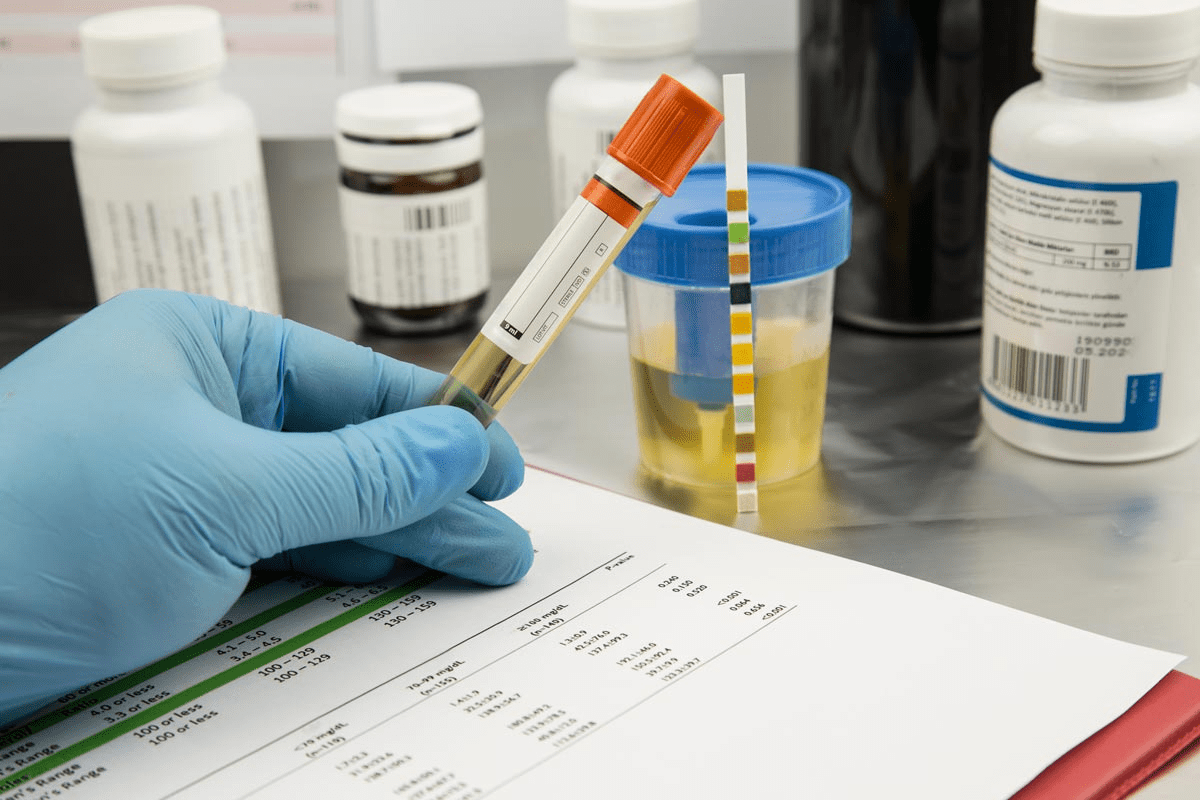
- Urine Tests: To check for blood, infection, or cancer cells.
- Cystoscopy: A procedure that allows a doctor to look inside the bladder.
- Imaging Tests: Such as CT scans or MRIs to visualize the bladder and surrounding areas.
These tools help doctors accurately diagnose bladder cancer and figure out its stage. This is key for planning treatment.
Conclusion: Taking Control of Your Bladder Cancer Risk
Understanding bladder cancer risk factors is key to taking action. We’ve looked at how smoking, work exposure, age, gender, and genetics play a part. Also, chronic bladder issues and environmental toxins are important.
Quitting smoking is a big step towards lowering your risk. Eating well and avoiding toxins like arsenic in water also helps. By following safety guidelines at work and making healthy food choices, you can reduce your risk even more.
We urge everyone to make smart choices to lower their bladder cancer risk. By taking preventive steps and being aware of risk factors, we can fight bladder cancer together. Taking charge of your health is a powerful move towards a better life.
FAQ
What are the main risk factors for bladder cancer?
Main risk factors include smoking, exposure to chemicals at work, age, gender, and genetics.
How does smoking contribute to bladder cancer?
Smoking is a big risk for bladder cancer. Tobacco harms bladder tissue, raising cancer risk.
What are the high-risk industries for occupational chemical exposure?
High-risk jobs include rubber, leather, and dye work. Workers face exposure to harmful chemicals.
How does age affect the risk of bladder cancer?
Age increases bladder cancer risk. Most cases happen in people over 65.
Are there any genetic factors that contribute to bladder cancer?
Yes, genetics play a role. Certain genetic changes can raise bladder cancer risk.
Can chronic bladder inflammation and infections cause bladder cancer?
Yes, long-term infections and catheter use can increase cancer risk.
How do environmental exposures affect bladder cancer risk?
Exposure to arsenic and certain foods can raise risk. Drinking water helps prevent it.
What are the benefits of quitting smoking in terms of bladder cancer risk?
Quitting smoking lowers bladder cancer risk. The risk drops over time.
What are the early symptoms of bladder cancer?
Early signs include blood in urine, frequent urination, and painful urination. These can be missed.
How is bladder cancer diagnosed?
Modern tests like imaging and biopsies diagnose bladder cancer.
What are the risk reduction strategies for bladder cancer beyond smoking cessation?
Strategies include safer work environments, healthy diets, and staying hydrated.
Who is at risk for bladder cancer?
Anyone can get bladder cancer. But smokers, workers in risky jobs, and those with a family history are at higher risk.
What is the leading cause of bladder cancer?
Smoking is the main cause of bladder cancer, responsible for about 50% of cases.
References
National Center for Biotechnology Information. (2025). 5 Main Risk Factors for Bladder Cancer and. Retrieved from https://www.ncbi.nlm.nih.gov/pmc/articles/PMC3441175/