Last Updated on November 25, 2025 by Ugurkan Demir
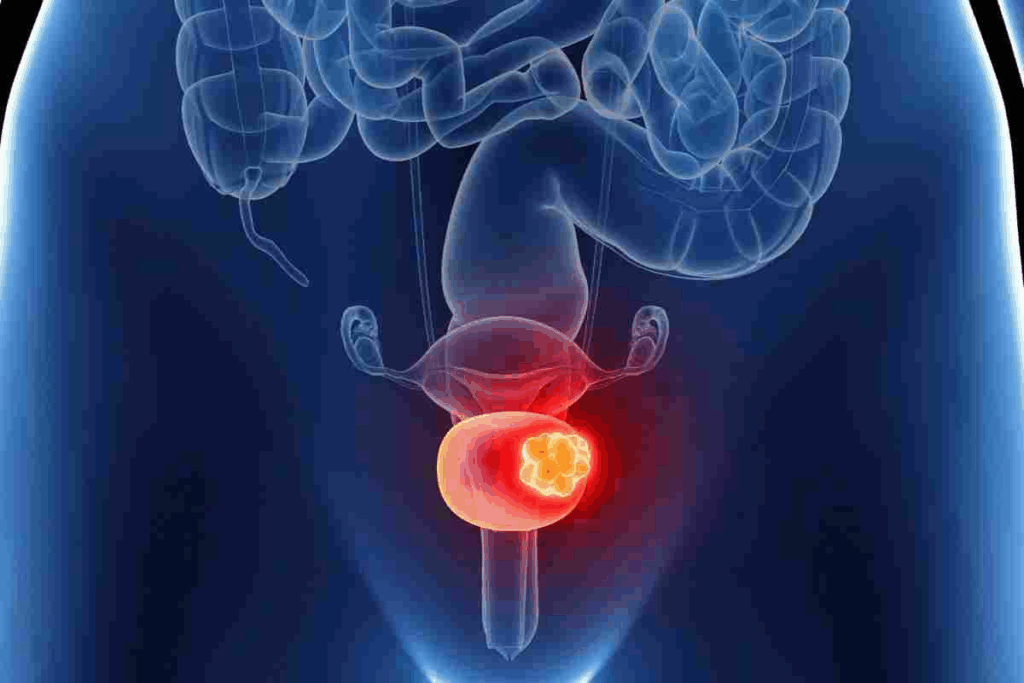
Are you noticing unusual symptoms when you pee or worried about your bladder? A bladder cyst might be the reason, even if it’s found by accident during other tests. We’ll look into what these sacs are and what they’re like.
Bladder cysts are not common in people with normal urinary tracts. Most are harmless and don’t cause any problems. Knowing the signs and how to handle them is key to good care.
Key Takeaways
- Bladder cysts are fluid-filled sacs that develop within or on the bladder wall.
- Most bladder cysts are benign and do not cause symptoms.
- Understanding the symptoms is key for effective management.
- Proper diagnosis is essential for treating bladder cysts.
- Treatment options vary based on the cyst’s characteristics and the patient’s health.
Understanding Bladder Cysts
Bladder cysts are abnormal growths in the bladder wall. Knowing about them is key to managing them well. A cyst in the urinary bladder is a fluid-filled pocket. They are not common in people with a normal urinary tract.
Definition and Types of Bladder Cysts
Bladder cysts vary in type and content. Simple cysts are rare and often found by accident during scans for other issues. This shows how important it is to do detailed tests to understand these cysts.
There are many types of bladder cysts, including:
- Cysts linked to long-term inflammation or irritation
- Cysts caused by infections
- Cysts present from birth or develop over time
Common Locations Within the Bladder
Cysts can appear in different parts of the bladder. Where they are can affect symptoms and problems. Knowing where cysts on bladder in females and others are found helps doctors treat them better.
| Location | Characteristics | Potential Complications |
| Bladder Wall | Cysts embedded within the wall | Infection, obstruction |
| Bladder Lumen | Cysts projecting into the bladder cavity | Urinary retention, irritation |
| Bladder Neck | Cysts located near the urethral opening | Obstruction, urinary frequency |
Understanding bladder cysts helps doctors create better treatment plans. This is tailored to each patient’s needs.
What Causes Bladder Cysts to Form?
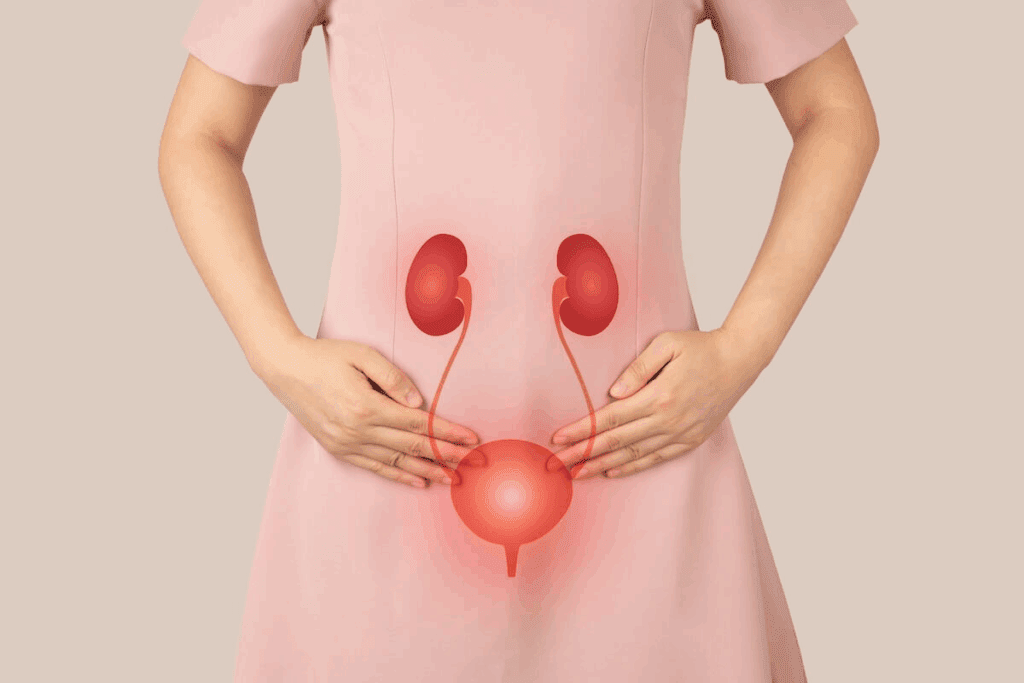
Bladder cysts can come from many causes like chronic inflammation, infections, and being born with them. Knowing why they form helps find the best treatment and ways to prevent them.
Chronic Inflammation and Irritation
Chronic inflammation or irritation of the bladder lining can lead to bladder cysts. This is called cystitis cystica and is more common in women. Frequent urinary tract infections (UTIs), bladder or kidney stones, and catheter use can cause this irritation.
While we don’t always know why bladder cysts form, we know chronic inflammation is a big part. Treating the inflammation is key to preventing cysts.
Infection-Related Cyst Formation
Infections, like UTIs, also play a big role in bladder cyst formation. Recurrent infections can cause chronic inflammation, raising the risk of cysts. Proper management of UTIs is critical to lower the risk of bladder cysts.
Using catheters and having had bladder surgeries can also increase the risk of cysts. This is because of the chance of irritation and infection.
Congenital and Developmental Factors
Some bladder cysts are present from birth or develop early in life. Knowing this helps doctors tailor the treatment.
In summary, bladder cysts form from chronic inflammation, infections, and being born with them. Understanding these causes is key to managing and treating them effectively.
Prevalence and Risk Factors for Bladder Cysts
It’s important to know about bladder cysts to catch them early. These cysts are not common, mainly in people with normal urinary tracts. They are often found when looking for other pelvic problems.
Age and Gender Considerations
Age and gender can affect the chance of getting bladder cysts. While anyone can get them, some groups might be more likely. This is because of hormonal changes and body differences.
Age is a big factor in getting cysts, including bladder ones. As we get older, we’re more likely to get conditions that cause cysts.
Gender also matters, with some bladder cysts more common in women. This might be because of differences in the urinary tract and hormones.
Medical Conditions That Increase Risk
Some health issues can make bladder cysts more likely. These include long-term bladder problems, infections, and birth defects.
- Long-term conditions like interstitial cystitis can raise the risk.
- Recurring or ongoing infections also play a part.
- Birth defects in the urinary tract can make bladder cysts more common.
Knowing about these risks helps catch bladder cysts early. Healthcare providers can then watch closely and take steps to prevent them in high-risk groups.
Recognizing Bladder Cyst Symptoms
It’s important to know the symptoms of bladder cysts. Many don’t show symptoms, but when they do, they can really affect your life.
Common Urinary Symptoms
Urinary symptoms like needing to pee a lot, feeling urgent, and painful urination are common. Some people also pee a lot at night, which can mess up their sleep.
These symptoms can be uncomfortable and might mean you have a bladder cyst. If they keep happening or get worse, you should see a doctor.
Pain and Discomfort Patterns
People with bladder cysts often feel pain or discomfort. This pain is usually in the pelvic area or lower abdomen and can change in how bad it is.
The pain might always be there or only happen when you pee or move around.
When Symptoms Indicate Complications
Bladder cysts can sometimes cause infections or blood in the pee. If not treated, these problems can get much worse.
Look out for signs like really bad pain, fever, or trouble peeing. If you see these, get medical help right away.
Summary of Bladder Cyst Symptoms
| Symptom | Description |
| Urinary Frequency | Frequent need to urinate |
| Dysuria | Pain or discomfort while urinating |
| Pelvic Pain | Discomfort or pain in the pelvic area |
| Nocturia | Excessive urination at night |
| Hematuria | Presence of blood in the urine |
Specific Symptoms of Bladder Cysts in Females
Women with bladder cysts often face unique urinary and pelvic symptoms. These symptoms can be uncomfortable and disrupt daily life. An accurate diagnosis is key for effective management.
Urinary Urgency and Frequency Issues
One key symptom of bladder cysts in females is the urgent need to urinate. This often leads to frequent trips to the bathroom. This urinary urgency and frequency can be distressing and impact daily activities.
The causes of these symptoms vary. They often relate to the size and location of the cyst. For example, larger cysts or those near the bladder neck can block urine flow. This leads to increased urgency and frequency.
- Common symptoms include:
- A sudden, intense need to urinate
- Frequent urination, often with small amounts of urine
- A feeling of incomplete bladder emptying
Pelvic Pain and Related Symptoms
Pelvic pain is a significant symptom of bladder cysts in women. This pain can range from a dull ache to sharp discomfort. It may be constant or intermittent.
In addition to pelvic pain, some women may experience dyspareunia, or painful intercourse. This can further impact their quality of life. It’s essential for women experiencing these symptoms to discuss them with their healthcare provider to determine the underlying cause.
- Pelvic pain characteristics:
- Location: typically in the pelvic area, sometimes radiating to the lower back or thighs
- Intensity: ranging from mild to severe
- Duration: can be constant or come and go
By understanding these specific symptoms, we can better diagnose and manage bladder cysts in females. This improves their overall well-being.
Diagnosing a Bladder Cyst
To find out if you have a bladder cyst, doctors use a mix of medical checks and special tests. If you think you might have a cyst, getting a detailed check is key. This helps confirm if you have a cyst and what kind it is.
Initial Medical Evaluation
The first step is talking about your health and doing a physical check. Doctors look at your symptoms and past health to see if you might have a cyst.
They might also do a physical check to see if there are any signs of a cyst or other problems in your urinary tract. This first check helps decide what tests to do next.
Imaging Tests and Procedures
Imaging tests are very important for finding bladder cysts. Some common tests include:
- Ultrasound: Shows pictures of your bladder and can spot cysts or other issues.
- CT Scan: Gives detailed pictures that help figure out the size and where the cyst is.
- MRI: Used sometimes to get detailed pictures of your bladder and the tissues around it.
These tests help us understand the cyst’s size, where it is, and what it’s like. This info is key for choosing the best treatment.
Cystoscopy and Tissue Sampling
Cystoscopy is a procedure where a thin, flexible tube with a camera is put into your bladder. This lets doctors see inside your bladder and find any cysts or other problems.
During cystoscopy, they might take a tissue sample (biopsy) to look at the cyst more closely. This helps confirm the diagnosis and rule out other conditions.
| Diagnostic Method | Description | Benefits |
| Ultrasound | Imaging test using sound waves | Non-invasive, quick results |
| Cystoscopy | Direct visualization of the bladder | Allows for tissue sampling, detailed examination |
| CT Scan | Cross-sectional imaging | Detailed images, assesses cyst size and location |
By using these different methods, doctors can accurately find bladder cysts. Then, they can plan a treatment that fits your needs.
Understanding Your Bladder Cyst Diagnosis
Getting a diagnosis of a cyst on the bladder or in the urinary tract can be confusing. It’s important to know what it means for our health.
Interpreting Test Results
Understanding our test results is key to grasping our bladder cyst diagnosis. Doctors use tests like imaging and cystoscopy to check the cysts in bladder. These tests show the cyst’s size, location, and type, which helps decide treatment.
When we get our test results, talking to our doctor is important. They can explain what the findings mean. This includes if the cyst in urinary tract is harmless or could be cancerous.
Differentiating Between Cyst Types
Not all bladder cysts are the same. Knowing the difference is important for treatment. Most cysts are not cancer, but some growths could be.
Our doctor will tell us about our cyst type and treatment. This might include watching it, taking medicine, or surgery. It depends on the cyst and our health.
Knowing our diagnosis helps us make better choices about our care. We can work with our healthcare team to manage our condition well.
Conservative Management Approaches
Conservative management is key for treating bladder cysts, mainly when symptoms are mild or none. It focuses on managing symptoms, preventing complications, and improving life quality for patients.
Monitoring Asymptomatic Bladder Cysts
For those with asymptomatic bladder cysts, a watchful waiting approach is often used. This means regular check-ups and monitoring to see if the cyst grows or causes symptoms. We use ultrasound to track the cyst’s size and characteristics over time.
Regular monitoring lets us step in if the cyst changes or symptoms appear. It’s a conservative method that avoids unnecessary procedures unless they’re really needed.
Medication Options for Symptom Relief
When symptoms are present, medication can help manage them. Pain relief medications can ease discomfort from bladder cysts. Medications that reduce urinary frequency or urgency are also helpful.
We might prescribe anticholinergic medications to control urinary symptoms. These medications relax the bladder muscle, reducing the need to urinate often.
Lifestyle Modifications That Help
Lifestyle changes can greatly impact bladder cyst management. Simple changes like dietary adjustments can help symptoms. Avoiding irritants like caffeine and spicy foods can lessen urinary discomfort.
- Drinking plenty of water to help flush out the urinary system
- Avoiding foods that can irritate the bladder
- Maintaining a healthy weight to reduce pressure on the bladder
By using these conservative management strategies, we can manage bladder cysts effectively. It’s a holistic approach that tackles the condition from various angles.
Medical Treatment Options for Bladder Cysts
Bladder cysts can be treated in several ways, depending on their type. The treatment choice depends on the cyst’s size, location, and symptoms it causes.
Drainage Procedures Explained
Drainage is a common treatment for bladder cysts that cause symptoms. It uses a catheter to drain the cyst. This helps with symptoms like needing to urinate often. Drainage is done under imaging to ensure it’s done right and safely.
“Drainage is a good option for bladder cysts,” says Medical Expert, a urologist. “It helps relieve symptoms and improves life quality.”
Medication Therapies for Different Cyst Types
Medications are key in treating bladder cysts, for those not ready for drainage or surgery. The medication choice depends on the cyst type and the patient’s health.
- Antibiotics are used for cysts with infections.
- Anti-inflammatory medications reduce inflammation and symptoms.
- Pain management medications help with discomfort from the cyst.
The American Urological Association says, “Medical therapy is vital for bladder cysts. It offers many options to manage the condition well.”
We work with patients to find the best medication therapy for their needs and cyst type.
Surgical Interventions for Bladder Cysts
Surgical options are key for bladder cysts that cause symptoms or look suspicious. When other treatments don’t work, surgery is needed. It helps to ease symptoms and prevent bigger problems.
Transurethral Resection Procedures
Transurethral resection is a common surgery for bladder cysts. It removes the cyst through the urethra, without any cuts on the outside. This method is less invasive, which means less pain and quicker recovery. A cystoscope helps see the cyst, and special tools remove it.
Minimally Invasive Surgical Options
Other small surgeries can also treat bladder cysts. These include laparoscopic and robotic-assisted surgeries. They are precise and quick to recover from. The right surgery depends on the cyst’s size, location, and the patient’s health.
Recovery and Post-Surgical Care
Good recovery and care are key after bladder cyst surgery. Patients should drink lots of water and might take pain and infection meds. It’s important to see a doctor after surgery to check on healing and catch any issues early. Following care instructions helps avoid future problems and ensures a smooth healing process.
“Surgical intervention for bladder cysts can significantly improve quality of life for patients with symptomatic or suspicious cysts.” – Medical Expert, Urologist
Preventing Recurrence of Bladder Cysts
To stop bladder cysts from coming back, we need a full plan. This includes changing what we eat, drinking enough water, and managing our health over time. Knowing why cysts in the urinary bladder happen helps us stay healthy and lower the chance of them coming back.
Dietary and Hydration Recommendations
Eating well and drinking lots of water are key to avoiding cysts on bladder in females and others. Drinking water helps get rid of bad bacteria and lowers UTI risk, which can lead to cysts.
It’s smart to cut down on things that irritate the bladder like caffeine, alcohol, and spicy foods. Eating foods full of antioxidants, like fruits and veggies, helps keep the bladder healthy.
Long-term Management Strategies
Managing cyst inside bladder long-term means regular check-ups with doctors. This helps catch and fix problems early, preventing bigger issues.
Also, living a healthy lifestyle helps. This includes keeping clean, avoiding things that irritate the bladder, and handling any health issues that might cause cysts. Being proactive and well-informed can greatly lower the risk of cyst on bladder coming back.
Conclusion
Most bladder cysts are not harmful and can be managed well with the right care. We’ve talked about what bladder cysts are, why they happen, how to know you have one, and how to treat them. Knowing about bladder cysts is key to handling them well.
With the right treatment, bladder cysts can be treated effectively. This helps patients live a good life. It’s important to keep up with regular check-ups to watch for any changes in the cyst.
We stress the importance of getting a proper diagnosis and treatment for bladder cysts. This way, patients can feel better and live better. Our talk shows how important ongoing care and monitoring are for the best results for those with bladder cysts.
FAQ
What is a bladder cyst?
A bladder cyst is a fluid-filled sac on the bladder wall. They can vary in size and cause different symptoms. This depends on where and what kind of cyst it is.
What are the common symptoms of a bladder cyst?
Common symptoms include needing to urinate often, feeling pain or discomfort in the pelvic area, and urgency. Sometimes, you might not notice any symptoms at all. Regular check-ups are key to catching them early.
How are bladder cysts diagnosed?
To diagnose, doctors use a mix of medical checks, imaging like ultrasound or CT scans, and cystoscopy. This involves taking tissue samples to confirm the cyst’s presence and type.
What causes bladder cysts to form?
Bladder cysts can form from chronic inflammation, infections, or birth defects. Knowing the cause is important for treatment and preventing them from coming back.
Are bladder cysts more common in certain age groups or genders?
Yes, some groups are more likely to get bladder cysts. This includes people with hormonal changes, anatomical differences, and those more prone to infections.
How are bladder cysts treated?
Treatment options include watching and waiting, making lifestyle changes, and medical treatments like draining the cyst. Surgery, like transurethral resection, is also an option.
Can bladder cysts be prevented?
While not all cysts can be prevented, good bladder health helps. This includes staying hydrated, eating right, and managing health conditions.
What is the importance of follow-up care after treating a bladder cyst?
Follow-up care is vital. It helps catch any return of symptoms and ensures the best outcome. It’s about keeping an eye on your health and addressing any new issues quickly.
How can I manage symptoms of a bladder cyst?
Managing symptoms might involve medication, changing your diet, and staying hydrated. In some cases, draining or removing the cyst is necessary.
Are there any specific dietary recommendations for preventing bladder cysts?
Eating a balanced diet with lots of fruits, veggies, and whole grains helps. Drinking enough water is also key. Avoiding caffeine and spicy foods can also help.
Can a cyst in the urinary bladder lead to complications?
Yes, untreated or poorly managed cysts can cause problems. This includes infections, bladder damage, and blockages in the urinary tract.
What are the symptoms of a cyst in the bladder in females?
Females with bladder cysts may feel the need to urinate often, experience pain or discomfort, and have trouble during urination. These symptoms can really affect your daily life and need medical attention.
References
National Center for Biotechnology Information. How to Treat a Bladder Cyst Symptoms and. Retrieved from https://pmc.ncbi.nlm.nih.gov/articles/PMC4127864/