Last Updated on December 2, 2025 by Bilal Hasdemir
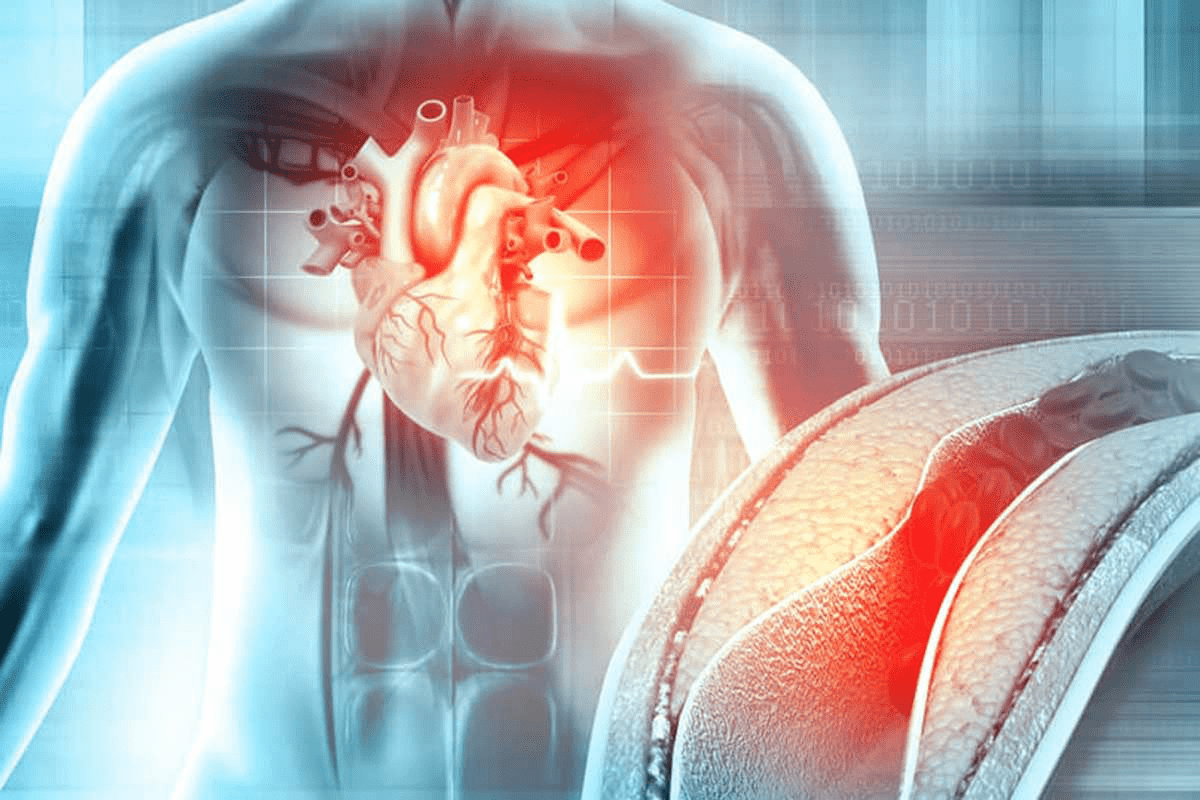
Bladder diseases explained with three harmful conditions that usually affect the urinary system.
The urinary system is key to our body’s health. It helps get rid of waste and extra fluids. It includes the kidneys, located in the lower back, the ureters, and the bladder. Knowing about the urinary system and its role is important.

Many disorders can really hurt our quality of life. These include Urinary Tract Infections (UTIs), Chronic Kidney Disease (CKD), and bladder cancer. We will look into these conditions closely. We will see how they affect people all over the world.
Key Takeaways
- The urinary system plays a vital role in removing waste and excess fluids from the body.
- UTIs, CKD, and bladder cancer are major health issues affecting the urinary system.
- Understanding the anatomy and function of the urinary system is essential for appreciating the impact of these disorders.
- These conditions can significantly impact an individual’s quality of life.
- Prevalence and impact of these diseases vary globally, requiring a wide range of healthcare approaches.
The Urinary System: Structure, Function, and Importance
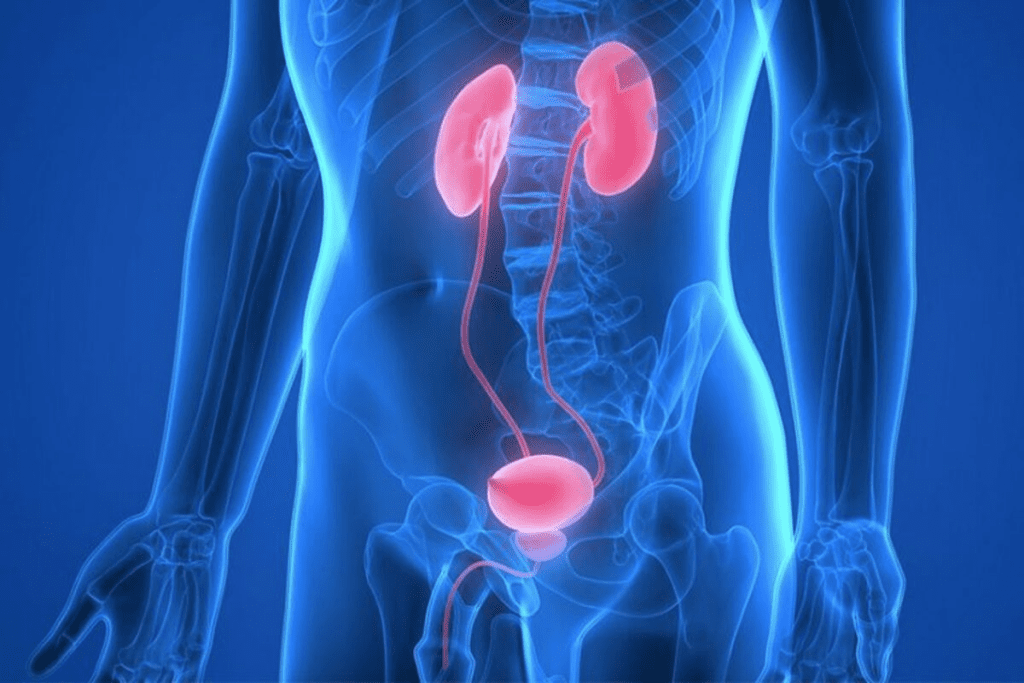
The urinary system, also known as the excretory system, is key in removing waste and extra fluids. It includes the kidneys, ureters, bladder, and urethra. Together, they help make, store, and get rid of urine.
Anatomy of the Urinary System
The system has the kidneys, ureters, bladder, and urethra. The kidneys filter blood to make urine. This urine then goes through the ureters to the bladder for storage. It’s then released through the urethra.
How Urine Production and Elimination Works
Urine is made when the kidneys filter blood. They remove waste and extra stuff. The kidneys filter about 1.2 liters of blood per minute, making 1-2 liters of urine daily.
The urine then moves through the ureters to the bladder. There, it waits to be released through the urethra.
Role in Maintaining Body Homeostasis
The urinary system is vital for keeping the body balanced. It helps control electrolyte balance, blood pressure, and waste removal. It keeps the body’s acid-base balance and removes waste well.
Urinary Tract Infections (UTIs): A Global Health Concern
UTIs are a big public health issue. They need awareness, prevention, and treatment to lessen their effects. UTIs happen when bacteria get into the urinary tract, causing infection. This can happen through sexual activity or poor hygiene.
Pathophysiology and Causative Organisms
UTIs start when bacteria colonize the urinary tract, leading to infection and inflammation. Escherichia coli (E. coli) is the main cause, responsible for 80-90% of UTIs. Other bacteria like Klebsiella and Staphylococcus saprophyticus can also cause infections.
Epidemiology: 4.49 Billion Cases Annually
UTIs affect a lot of people worldwide. The Global Burden of Disease study found 4.49 billion cases each year. This shows we need to spread awareness and take steps to prevent UTIs.
Risk Factors and Vulnerable Populations
Some groups face a higher risk of UTIs. Women are more likely to get UTIs because of their shorter urethra. Other risk factors include sexual activity, pregnancy, and menopause. The elderly are also at risk due to decreased mobility and age-related changes in the urinary tract.
Key risk factors for UTIs include:
- Female gender
- Sexual activity
- Pregnancy
- Menopause
- Advanced age
- Catheter use
Clinical Manifestations and Diagnostic Approaches
UTI symptoms can vary. They include painful urination, frequent urination, and urgency. Severe cases can lead to pyelonephritis, with flank pain and fever. Diagnosis often involves urinalysis to check for bacteria, blood, or pus.
Quick diagnosis and treatment are key to avoid complications. Knowing the signs and symptoms of UTIs is important. If you experience them, seek medical help.
Chronic Kidney Disease (CKD): The Silent Epidemic
CKD is a silent threat to global health, often not caught until it’s too late. It slowly damages the kidneys, leading to serious problems if not treated.
Pathogenesis and Progressive Nature
CKD’s cause is complex, involving damage to the kidneys over time. This damage makes it hard for the kidneys to clean the blood and make urine. Diabetes and high blood pressure are big risks.
The disease often goes unnoticed until it’s advanced. Knowing what causes CKD’s progression is key to catching it early.
Global Impact: Affecting 10% of Population
CKD impacts about 10% of the world’s population, making it a big health issue. It leads to more sickness, death, and costs in healthcare globally.
Key statistics on CKD’s global impact include:
- Affecting nearly 850 million people worldwide
- Leading cause of end-stage renal disease (ESRD)
- Significant contributor to cardiovascular disease
Comorbidities: Hypertension and Diabetes Connection
Hypertension and diabetes are the top causes of CKD. They harm the kidneys’ blood vessels, making them less effective. Managing these conditions is key to slowing CKD.
The link between CKD, hypertension, and diabetes shows the need for full care for those with these conditions. Keeping blood pressure and sugar levels in check can help CKD outcomes.
Staging, Symptoms, and Complications
CKD is divided into stages based on kidney function. It ranges from mild to severe kidney failure.
Early signs of CKD include changes in urination, swelling, and fatigue. As it worsens, complications like anemia, bone disease, and heart problems can occur.
Common complications of CKD include:
- Anemia due to decreased erythropoietin production
- Bone disease resulting from altered mineral metabolism
- Cardiovascular disease, including heart failure and arrhythmias
Early detection and treatment of CKD are vital to avoid these complications. Understanding CKD’s causes, symptoms, and treatments helps manage this silent disease and improve patient care.
Bladder Cancer: Understanding This Common Urinary Malignancy
Bladder cancer is a common disease that affects the urinary system. It’s a key part of our genitourinary anatomy. It impacts the lives of thousands of people around the world.
Types and Etiology
There are three main types of bladder cancer: urothelial carcinoma, squamous cell carcinoma, and adenocarcinoma. Urothelial carcinoma, also known as transitional cell carcinoma, makes up about 90% of cases. The causes of bladder cancer include genetics, environment, and lifestyle.
Working with harmful chemicals can increase your risk. Smoking also plays a big role, causing over a third of bladder cancer cases.
Epidemiology: 84,870 New Cases Annually in the US
In the United States, bladder cancer affects about 84,870 people each year. It’s more common in men and usually strikes those over 55. Knowing about bladder cancer helps us find better ways to prevent and treat it.
Risk Factors and Warning Signs
Smoking and chemical exposure are big risks. So are bladder irritation, infections, and radiation therapy. Look out for blood in the urine, needing to pee a lot, and pain while urinating. Spotting these signs early can help catch cancer sooner.
Diagnostic Procedures and Staging
To find bladder cancer, doctors use CT scans, ultrasounds, and cystoscopy. They also take biopsy samples. Staging helps figure out how far the cancer has spread and what treatment to use.
Getting a bladder cancer diagnosis can feel scary. But with the right info and support, you can face treatment and work towards recovery. Our healthcare team is here to help every step of the way.
Conclusion: Protecting Your Urinary System Health
Keeping your excretory system healthy is key to feeling good. The ureter is a big part of this, helping get rid of urine. Knowing about urinary tract infections, chronic kidney disease, and bladder cancer can help you stay safe.
Being smart about urine excretion can lower your risk of urinary problems. For tips on bladder health, check out the National Institute on Aging’s guide.
Liv Hospital is here to help international patients with all their health needs. By knowing the risks and taking steps to prevent them, you can keep your urinary system working well.
FAQ
What is the urinary system and its main function?
The urinary system, also known as the genitourinary or excretory system, is vital. It removes waste and excess fluids from the body. Its main job is to filter blood, balance electrolytes, and get rid of waste through urine.
Where are the kidneys located in the body?
The kidneys are in the lower back, one on each side of the spine. They are key in filtering blood and making urine.
What is the role of the ureters in the urinary system?
The ureters are muscular tubes. They carry urine from the kidneys to the bladder. The bladder stores it until it’s expelled through the urethra.
What are the risk factors for developing urinary tract infections (UTIs)?
UTIs can happen to anyone, but some are at higher risk. This includes women, those who are sexually active, and people with certain medical conditions. Bacteria cause UTIs, and some groups are more likely to get them.
What is chronic kidney disease (CKD), and how is it staged?
CKD is a condition where the kidneys slowly get damaged and lose function. It’s divided into stages based on how much damage there is. Doctors use the glomerular filtration rate (GFR) to determine this.
What are the symptoms of bladder cancer?
Symptoms of bladder cancer include blood in urine, painful urination, and needing to urinate often. If you notice these, it’s important to see a doctor right away.
How can I protect my urinary system health?
To keep your urinary system healthy, live a healthy lifestyle. Drink plenty of water, manage any health conditions you have, and see a doctor if you have any urinary issues.
What is the importance of early detection and management of urinary system disorders?
Catching and treating urinary system problems early is key. It helps prevent serious issues, improves treatment results, and makes life better.
How does the urinary system regulate blood pressure?
The kidneys help control blood pressure. They manage fluid balance, electrolytes, and hormones. This keeps blood pressure in a healthy range.
What is the relationship between the urinary system and the excretory system?
The urinary system is a big part of the excretory system. It works with other organs to remove waste from the body.
Reference
- Murray, C.J.L., Ikuta, K.S., Sharara, F., Swetschinski, L., Robles Aguilar, G., Gray, A., ¦ & Hay, S. I. (2022). Global and regional burden of bacterial antimicrobial resistance in urinary tract infections in 2019. Nature Communications, (or equivalent journal), value. https://pubmed.ncbi.nlm.nih.gov/35628941/
- Fan, S., Li, L., Wang, L., Zhou, Y., Li, L., Zhao, J., ¦ Xu, Y. (2024). The global, regional, and national patterns of change in the burden of chronic kidney disease from 1990 to 2021. BMC Nephrology, 26, Article 409. https://bmcnephrol.biomedcentral.com/articles/10.1186/s12882-025-04309-7