Last Updated on November 25, 2025 by Ugurkan Demir

The urinary bladder dome is a special part of the bladder. It’s covered by a serosal membrane, which is important for health. This makes it a key area to watch in urology.
The bladder dome’s shape is unique. It connects with the front wall of the belly. This makes it different from other parts of the bladder. It’s also important for surgeries and keeping the bladder healthy.
Key Takeaways
- The urinary bladder dome is covered by a serosal membrane, distinguishing it from other bladder regions.
- Its continuity with the parietal peritoneum is critical for understanding its anatomy.
- The bladder dome is vital for urological health and pelvic procedures.
- Knowing its anatomy is key for doctors and nurses.
- Liv Hospital focuses on using the latest anatomical knowledge for better care.
The Urinary System: A Complete Overview
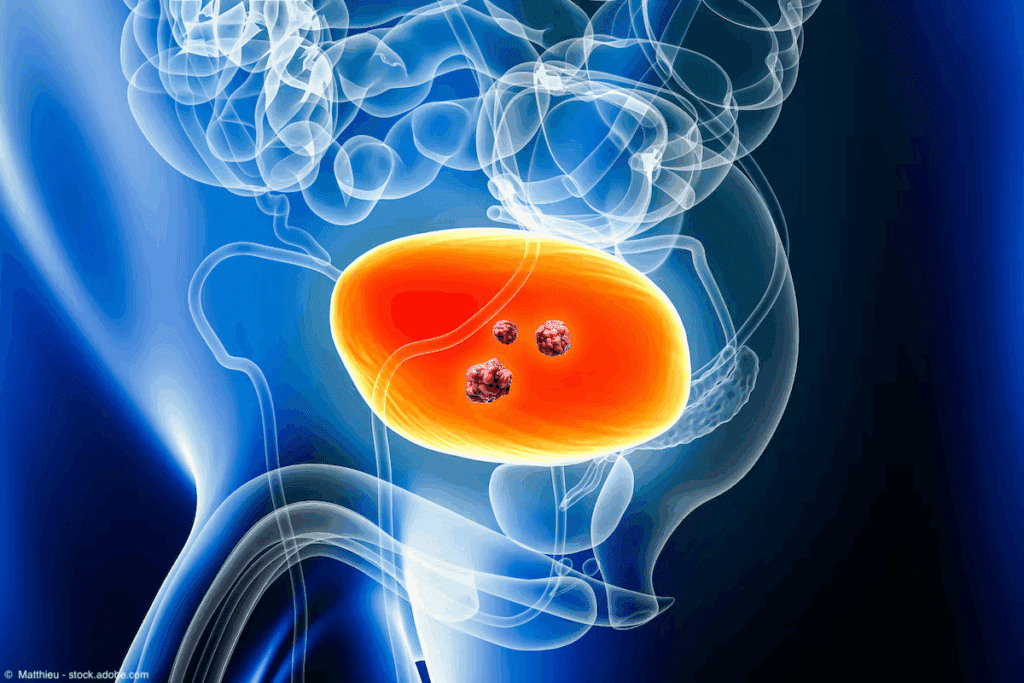
The urinary system is a complex network of organs. It works together to produce, store, and eliminate urine. This system is vital for maintaining the body’s overall health by regulating fluid balance, electrolyte levels, and waste removal.
The urinary system includes several key components. These are the kidneys, ureters, bladder, and urethra. We have two kidneys, located on either side of the vertebral column in the retroperitoneal space. They filter the blood to produce urine.
Fundamental Components of the Urinary Tract
The kidneys filter waste and excess fluids from the blood. They produce urine that then travels through the ureters to the bladder for storage. The bladder is a hollow, muscular organ with distensible walls. It plays a key role in storing and expelling urine.
The bladder wall has four essential layers. These are the uroepithelium or transitional epithelium lining the lumen, the lamina propria, the detrusor muscle, and the outermost serosal layer. The uroepithelium is important as it provides a barrier against urine and helps to prevent infection.
The Bladder’s Role in Urinary Function
The bladder’s primary function is to store urine that comes from both ureters. This allows us to control when we urinate. The bladder’s ability to distend and store urine is key for maintaining urinary continence and allowing us to void urine at appropriate times.
As the bladder fills with urine, its walls stretch. When it is sufficiently full, the detrusor muscle contracts to help expel urine through the urethra. This complex process is controlled by a combination of voluntary and involuntary nervous system signals.
Understanding the urinary system and the bladder’s role within it is essential. It helps us appreciate the complex mechanisms that maintain our urinary health. By recognizing how these components work together, we can better understand various urinary disorders and the importance of proper urinary function.
Understanding the Bladder Dome Anatomy
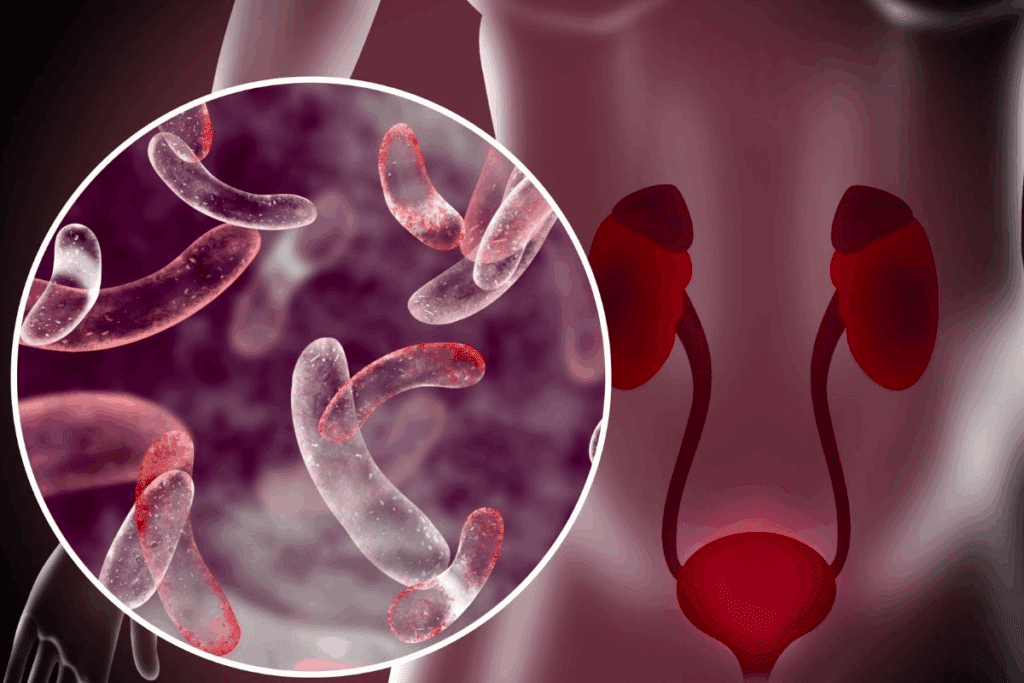
The bladder dome is a vital part of the urinary system. It is the top part of the urinary bladder. This area is key to how the bladder works.
Defining the Dome of the Bladder
The dome of the bladder is the only part covered by a serosal membrane. This membrane is called the serosa of the bladder or bladder serosa. It makes the dome different from the rest of the bladder.
The serosa lets the bladder dome stick out into the abdominal cavity when it’s full. This is important for how the bladder works.
The dome connects with the parietal peritoneum of the front abdominal wall. This connection helps us understand how the bladder dome moves when it’s full or empty.
Anatomical Positioning and Relationships
The bladder dome’s position is important because of its relationship with other parts. When the bladder fills, the dome goes up. It can reach the level of the peritoneal reflection.
This movement is made easier by its serosal covering. It lets the dome move freely against other parts of the abdomen.
Knowing about the bladder dome’s anatomy helps us understand its role in urine function. Its unique features, like the serosa and how it moves, are key to urological health.
Peritoneal Coverage: A Distinctive Feature of the Bladder Dome
The bladder dome has a special feature called peritoneal coverage. This makes it different from other parts of the bladder. It’s key to understanding how the bladder works.
The Serosal Layer of the Bladder Dome
The bladder dome is covered by a layer called the serosa. This layer is connected to the peritoneum of the belly. It helps the bladder move smoothly against other organs.
This layer is not just a simple covering. It helps the bladder expand and contract well.
How Peritoneal Coverage Differs from Other Bladder Regions
The bladder dome has more peritoneal coverage than other parts. Other areas of the bladder have less or no peritoneum. This is important for doctors and surgeons.
The table below shows how peritoneal coverage varies in different bladder areas.
| Bladder Region | Peritoneal Coverage | Clinical Significance |
| Bladder Dome | Covered by peritoneum | Important for abdominal cavity interactions |
| Bladder Body | Partially covered or not covered | Affects surgical approaches and pathology spread |
| Bladder Base | Not covered by peritoneum | Relevant for understanding pelvic floor interactions |
The peritoneal coverage makes the bladder dome special. It’s important for its function and structure. Knowing this helps doctors diagnose and treat better.
Understanding the bladder dome’s unique coverage helps us see its role in the body. It shows how it works with other parts.
The 5 Key Anatomical Features of the Bladder Dome
The bladder dome has several key features that make it unique. These features help us understand its role and importance. We will look at four of these features closely.
Feature 1: Unique Peritoneal Relationship
The bladder dome is special because of its connection to the peritoneum. The peritoneum is a lining in the abdominal cavity. This connection affects how the bladder dome moves and interacts with other parts of the body.
Feature 2: Superior Projection During Filling
When the bladder fills with urine, it moves up into the abdominal cavity. This movement is key for the bladder to hold more urine. It allows the bladder to grow upward, making room for more urine without too much pressure.
Feature 3: Specialized Epithelial Lining
The bladder dome has a special lining called the uroepithelium. This lining changes shape to fit the bladder’s size. It helps keep the bladder strong and prevents urine from leaking into the bladder wall.
Feature 4: Rich Vascular Network
The bladder dome has a lot of blood vessels. These vessels bring oxygen and nutrients to the bladder. They are important for keeping the bladder dome healthy and working well.
In summary, the bladder dome has five important features. These include its unique connection to the peritoneum, how it moves up when filled, its special lining, and its rich blood supply. Together, these features help the bladder dome do its job in the urinary system.
Layer-by-Layer Structure of the Bladder Dome
It’s important to know how the bladder dome is structured. The bladder wall, including the dome, has four main layers. These layers work together to store and release urine.
Uroepithelium: The Adaptive Inner Lining
The uroepithelium is the bladder dome’s innermost layer. It stretches and adapts as the bladder fills. This layer keeps the bladder wall strong and stops urine from leaking.
The uroepithelium is made of many layers of cells. These cells are tightly connected, making a strong barrier against urine. This layer is impermeable to urine, protecting the bladder’s inner tissues.
Lamina Propria: The Supportive Middle Layer
The lamina propria is the layer beneath the uroepithelium. It’s a connective tissue that supports and flexes the bladder wall. This layer is highly vascular, with many blood vessels to supply oxygen and nutrients.
It also has nerve fibers and lymphatic vessels. These help keep the bladder healthy and functioning well. The lamina propria is key to the bladder dome’s structure.
Detrusor Muscle: The Powerful Contractile Layer
The detrusor muscle is a thick, smooth muscle layer in the bladder wall. It’s responsible for bladder contraction during micturition, helping to empty the bladder.
This muscle is made of interlacing fibers. These fibers can contract strongly. The detrusor muscle’s coordinated contraction is vital for normal urination.
| Layer | Description | Function |
| Uroepithelium | Innermost lining of the bladder dome | Prevents urine leakage, maintains bladder integrity |
| Lamina Propria | Connective tissue layer beneath the uroepithelium | Provides support, flexibility, and vascular supply |
| Detrusor Muscle | Thick smooth muscle layer | Enables bladder contraction for urine voiding |
In conclusion, the bladder dome’s structure is complex and specialized. It allows the bladder to store and release urine effectively. Understanding these layers is key to grasping the bladder’s anatomy and function.
Functional Significance of the Bladder Dome
The bladder dome is key because it can grow as urine fills up. It expands into the belly, making room for more urine. This helps in storing urine efficiently.
Expansion Mechanics During Bladder Filling
When the bladder fills, it changes shape and size. Its special design, like the peritoneal covering, lets it stretch. This is vital for the bladder dome function to handle different urine amounts without too much pressure.
The dome goes up into the belly as it fills. This is because of its position and how it fits with other parts. The urinary bladder dome is made to move well, keeping urine flow smooth.
Contribution to Urinary Storage and Voiding
The bladder dome is important for storing and emptying urine. It grows to hold more urine and shrinks to let it out. This helps in both storing and releasing urine.
| Function | Description | Importance |
| Urinary Storage | The bladder dome expands to accommodate increasing urine volumes. | Allows for efficient storage of urine without significant pressure increase. |
| Voiding | The bladder dome contracts to help expel urine from the bladder. | Facilitates effective voiding by contributing to the bladder’s overall contractile force. |
The dome of the bladder is vital for the urinary system to work right. Its special design and how it works are key for bladder filling and storing urine.
Clinical Relevance and Pathologies of the Bladder Dome
The bladder dome is key in many health issues. It plays a big role in the urinary system. Knowing about its role in health and disease is vital for good patient care.
Common Disorders Affecting the Dome Region
Many conditions can hit the bladder dome, causing big problems. For example, endometriosis can lead to pelvic pain and trouble with urination. Other issues like bladder diverticula and urinary tract infections can also affect this area.
These problems show how important the bladder dome is for our urinary health. We’ll look into how these issues affect the bladder dome and what it means for patient care.
Diagnostic and Imaging Approaches
Figuring out what’s wrong with the bladder dome needs a mix of doctor’s checks and imaging. Ultrasound and MRI are top choices for looking at the bladder dome and nearby areas.
We use these methods to spot problems and plan treatments. Knowing the good and bad of each imaging tool is key for right diagnosis and care.
By mixing doctor skills with the latest imaging, we get a better grasp of bladder dome issues. This helps us give our patients the best care possible.
Developmental and Comparative Anatomy of the Bladder Dome
The bladder dome’s development is closely tied to the urinary system’s formation. This topic offers insights into how the bladder dome’s structure and function are shaped from early stages.
Embryological Development
The bladder’s embryological development is complex. It starts from the cloaca, which splits into the urogenital sinus and the rectum. The urogenital sinus then forms the bladder and urethra. During this time, the uroepithelial lining and muscular layers are created.
The bladder dome’s development is tied to the urinary system’s overall growth. Important steps include:
- The cloaca’s division into the urogenital sinus and rectum
- The urogenital sinus’s differentiation into the bladder and urethra
- The growth of the uroepithelial lining and muscular layers
Anatomical Variations and Gender Differences
Anatomical variations in the bladder dome can arise from genetic and developmental factors. It’s vital to understand these variations for diagnosing and treating urinary issues.
Some notable anatomical variations and gender differences include:
- Differences in bladder shape and size between genders
- Variations in the peritoneal coverage of the bladder dome
- Gender-specific differences in the surrounding pelvic anatomy
These variations show the complexity of the bladder dome’s anatomy. They emphasize the need for tailored medical treatments.
Conclusion: The Bladder Dome’s Essential Role in Urinary Function
The bladder dome is a key part of the urinary system. It plays a big role in how we handle urine. Its special shape and structure are important for its job.
We’ve looked at what makes the bladder dome unique. It’s covered by the peritoneum and has layers that work together. This helps it expand when we fill it with urine.
The bladder dome also has a special lining and lots of blood vessels. This helps keep our urinary system healthy. Knowing about the bladder dome helps doctors diagnose and treat problems.
In short, the bladder dome is vital for our urinary system. Its special features help it do its job well. Doctors can better help patients by understanding its role.
FAQ
What is the bladder dome?
The bladder dome is the top part of the urinary bladder. It’s key to the bladder’s function and anatomy.
What are the layers of the urinary bladder?
The bladder has layers: the uroepithelium, lamina propria, and detrusor muscle. The detrusor muscle is the muscle layer.
How does the peritoneal coverage of the bladder dome differ from other bladder regions?
The bladder dome has a special covering called peritoneum. This is different from other parts of the bladder. It lets the dome stick out when the bladder is full.
What is the function of the bladder dome in urinary function?
The bladder dome helps the bladder grow when it fills up. It also helps with emptying the bladder.
Where is the bladder located in females?
In females, the bladder sits in the pelvis. It’s in front of the uterus and vagina. Its exact spot can change with how full it is.
What are some common disorders affecting the bladder dome?
The bladder dome can get sick with infections, inflammation, and tumors. Knowing about these is important for treatment.
How is the bladder dome anatomically related to other pelvic structures?
The bladder dome is near other pelvic parts like the peritoneum and reproductive organs in females. Its position is important for its function and health.
What is the role of the serosa of the bladder?
The serosa, or peritoneal covering, of the bladder dome helps it move smoothly. It lets the bladder grow without rubbing against other parts.
References
National Center for Biotechnology Information. Bladder Dome 5 Key Anatomical Features Explained The. Retrieved from https://www.ncbi.nlm.nih.gov/books/NBK531465/