Last Updated on December 2, 2025 by Bilal Hasdemir
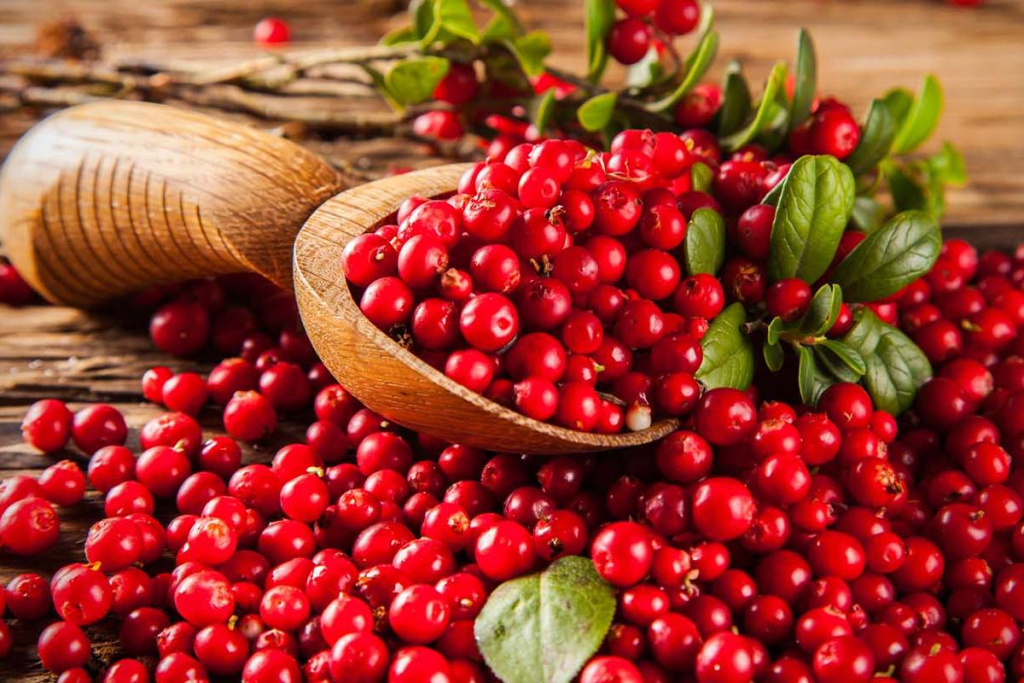
Frequent urination is a disruptive and distressing condition that affects millions. Many people try natural remedies like cranberry juice to help. But does cranberry really help with this issue?
Studies have shown mixed results. A 12-month review by the Cochrane Collaboration found cranberry products cut UTI cases by 35%. However, the proof of cranberries’ impact on frequent urination is not entirely clear.
Experts suggest that frequent urination can also be triggered by common bladder irritants, such as caffeine, alcohol, or spicy foods. While cranberry juice may help some people, avoiding these bladder irritants is equally important for better bladder health. We’ll look into the latest research and what it means for those dealing with urinary issues.
Key Takeaways
- Cranberry products may reduce the incidence of UTIs.
- The evidence on cranberries’ effect on frequent urination is mixed.
- More research is needed to fully understand cranberry’s benefits.
- Cranberry juice may be a useful addition to traditional treatments.
- Consult a healthcare professional before using cranberry products.
What Causes Frequent Urination and How It Affects Daily Life
It’s important to know why we pee a lot. Frequent urination can be a sign of many health issues, lifestyle choices, or medicines. It can really mess up our daily lives and how we feel.

Medical Conditions Behind Urinary Frequency
Many health problems can make us pee more often. Overactive Bladder (OAB) is one, causing a strong need to pee, often at night too. Other issues include Urinary Tract Infections (UTIs), diabetes, and brain disorders.
These problems make it hard for the bladder to hold urine. For example, UTIs irritate the bladder, making it contract too much.
The Connection Between UTIs and Frequent Urination
UTIs are a big reason for needing to pee a lot. Bacteria in the urinary tract cause inflammation and irritation. This leads to symptoms like needing to pee a lot, burning while peeing, and stomach pain.
If not treated, UTIs can cause serious kidney damage. Knowing how UTIs and frequent urination are linked is key to managing and treating it.
Impact on Quality of Life and Sleep
Frequent urination can really affect our lives. It can mess up our daily routines, make us feel embarrassed, and cause anxiety. It also disrupts sleep, leading to tiredness and other sleep issues.
Not getting enough sleep can harm our health, brain function, and mood. It’s vital to tackle the root causes of urinary frequency to improve our daily lives and sleep.
The Science Behind Cranberries’ Effect on Urinary Health
To understand how cranberry helps with urinary health, we need to look at their active compounds. Cranberries have been studied a lot for their benefits to the urinary tract. Proanthocyanidins (PACs) are found to be key to these benefits.
Proanthocyanidins (PACs): The Key Active Compounds
Cranberries’ PACs are flavonoids that greatly impact urinary health. They prevent bacteria from sticking to the bladder and urinary tract walls. This is important in stopping urinary tract infections (UTIs).
Research on PACs shows they can stop bacteria, like E. coli, from sticking to uroepithelial cells. This is key in preventing UTIs by stopping bacteria from taking over the urinary tract.

How Cranberry Prevents Bacterial Adhesion
Cranberry prevents bacterial adhesion by its PACs binding to bacterial fimbriae. This stops bacteria from sticking to the urinary tract walls. This is vital for keeping the urinary system healthy and preventing UTIs.
Studies show that cranberry products with PACs can lower UTI risk in women who get them often.
Is Cranberry Juice a Diuretic? Separating Fact from Fiction
Many wonder if cranberry juice is a diuretic. A diuretic makes you pee more, which could help get rid of bacteria. But, research shows cranberry juice mainly works by stopping bacteria from sticking, not by making you pee more.
Even though cranberry juice might make you pee a bit more because of its water, its real benefit comes from its PACs. So, when picking cranberry products for urinary health, focus on the PACs, not the diuretic effect.
5 Ways Cranberry May Help Reduce Frequent Urination
Cranberries might help with urinary frequency, and many are interested. We’ll look at how cranberries could help, based on science.
Preventing UTIs That Cause Urinary Urgency
Cranberry products can stop UTIs, which often cause you to need to pee a lot. The proanthocyanidins (PACs) in cranberries might stop bacteria from sticking to your bladder and urinary tract. This could lower UTI risk.
Reducing Inflammation in the Urinary Tract
Cranberries could also lessen inflammation in the urinary tract. This inflammation can make you pee more often. The anti-inflammatory properties of cranberries might calm your urinary tract and ease symptoms.
Supporting Overall Bladder Health
Cranberry helps keep the urinary tract’s bacterial balance healthy. This can cut down on how often you need to pee.
Effectiveness in Different Populations
Cranberries’ benefits might differ among women, kids, and the elderly. Studies show it can help these groups, but results can vary.
A study showed that eating dried cranberry powder daily improved how often people pee by 16.4%. This shows cranberries’ promise in reducing pee frequency.
Common Bladder Irritants and How Cranberry Compares
Bladder irritants can really impact your life. It’s key to know what they are and how to handle them. Some foods and drinks can make you go to the bathroom more often. We’ll look at what irritates the bladder and compare it to cranberry, a natural remedy for urinary health.
Foods That Irritate the Bladder and Urethra
Some foods and drinks can make bladder and urethra issues worse. These include:
- Spicy Foods: Spicy foods can irritate the bladder, making symptoms worse in some individuals.
- Caffeine and Alcohol: Both are known diuretics that can increase urine production and irritate the bladder.
- Citrus Fruits and Juices: While nutritious, citrus fruits and their juices can irritate the bladder in some people.
Everyone reacts differently to these foods. Keeping a food diary can help find out what irritates you.
Does Cranberry Juice Make You Pee More?
Cranberry juice is often drunk for its benefits in urinary health. But, does it make you pee more? Some studies say no, while others say yes. The main good stuff in cranberries, proanthocyanidins (PACs), might help stop bacteria from sticking to the bladder walls. This could help prevent UTIs and the need to pee a lot.
How Long Coffee and Other Stimulants Irritate the Bladder
Coffee and other stimulants can make you pee more often. Caffeine, found in coffee, can affect you for hours. It usually takes 4 to 6 hours for the body to break down caffeine. But, this time, it can vary based on how fast you metabolize it and how sensitive you are.
Foods That May Help Stop Frequent Urination
Some foods might help if you pee too often. These include:
- Cranberries: As discussed, cranberries may help prevent UTIs.
- Probiotic-rich Foods: Foods like yogurt and kefir can support urinary tract health.
- Adequate Fiber: A high-fiber diet can help manage constipation, which can contribute to urinary health.
Knowing about common bladder irritants and natural remedies like cranberries can help you manage your urinary health better.
How to Use Cranberry Products Effectively for Urinary Health
Cranberry products are popular for urinary health benefits. But how do you use them right? It’s important to know the different types, how much to take, and for how long.
Juice vs. Supplements: Which Form Works Best?
You can choose between cranberry juice and cranberry supplements. Juice is tasty but may have added sugars. Supplements are more concentrated and come in capsules or tablets.
Both forms can work well, depending on what you prefer. If you choose juice, pick unsweetened ones to avoid extra calories. For supplements, make sure they have enough proanthocyanidins (PACs), the key compounds in cranberries.
Recommended Dosages Based on Clinical Research
The right amount of cranberry products varies. For cranberry juice, studies suggest 250ml to 500ml daily. Supplements are measured in milligrams of PACs, with 36mg to 144mg daily being effective.
Always follow the product’s instructions and talk to a healthcare professional to find the best dosage for you.
Optimal Duration: The 12-24 Week Sweet Spot
Using cranberry products consistently is key. Studies show the best results come from using them for 12 to 24 weeks. This time allows the benefits to show and last.
- Start with a consistent regimen
- Monitor your symptoms and adjust as needed
- Consult with a healthcare professional for personalized guidance
Potential Side Effects and Who Should Avoid Cranberry
Cranberry products are usually safe but can cause side effects. These include stomach upset, diarrhea, and interactions with some medicines. People with kidney stones or diabetes should talk to their doctor first.
Those allergic to cranberries or birch pollen should be careful. Pregnant or breastfeeding women should also check with their healthcare provider before starting any new supplement.
Conclusion: Making an Informed Decision About Cranberries for Urinary Health
We’ve looked into how cranberries might help with urinary health, like reducing the need to pee often. Studies show mixed results, with a risk ratio of 0.86 (95% CI 0.71 to 1.04) for cranberry products compared to a placebo. This is from a study on the National Center for Biotechnology Information website.
Thinking about using cranberries for an overactive bladder? It’s key to look at the evidence and talk to a doctor. Cranberries could be a good part of a plan to manage urinary health, mainly for those who often get UTIs or pee a lot.
Before making a choice, think about the different ways to take cranberries, like juice or supplements, and how much to take. Adding cranberries to your routine might help a lot with bladder health.
FAQ
Is cranberry juice acidic?
Yes, cranberry juice is acidic. It has a lot of malic acid, citric acid, and quinic acid. This acidity might help stop bacteria from sticking in the urinary tract.
How can I stop bladder spasms naturally?
To naturally stop bladder spasms, try cranberry products. Also, stay away from things that irritate the bladder like caffeine and spicy foods. Relaxation techniques like deep breathing or meditation can also help.
Does cranberry juice make you pee?
Cranberry juice isn’t a strong diuretic. But, it might make you pee a bit more because of its water content. Its main benefit is in preventing UTIs and reducing how often you pee.
What foods irritate the bladder and urethra?
Foods that irritate the bladder include caffeinated drinks, spicy foods, citrus fruits, tomatoes, and artificial sweeteners. Avoiding these can help with urinary issues.
Are there any natural remedies for an overactive bladder?
Yes, natural remedies for overactive bladder include cranberry products and dietary changes. Pelvic floor exercises and stress management also help. These can reduce how often you pee and how urgent it is.
What foods should I avoid if I have a bladder infection?
If you have a bladder infection, avoid foods that irritate the bladder. This means no caffeinated drinks, spicy foods, or acidic or citrusy foods. Instead, eat a balanced diet with fruits, vegetables, and whole grains.
Is cranberry juice a diuretic?
Cranberry juice isn’t a strong diuretic. It might have some mild effects, but its main benefits are in preventing UTIs and supporting urinary health.
What foods make you pee more at night?
Drinks and foods that make you pee more at night include caffeinated beverages, alcohol, and foods high in sugar or salt. Avoiding these before bed can help reduce nighttime urination.
What foods can help stop frequent urination?
Foods rich in omega-3 fatty acids, antioxidants, and fiber can help with frequent urination. Cranberry products, probiotics, and foods that support bladder health are also beneficial.
How long does coffee irritate the bladder?
Coffee can irritate the bladder for several hours after drinking. This depends on how sensitive you are and how your body metabolizes caffeine. Limiting or avoiding coffee can help with urinary issues.
What are some common bladder-irritating foods?
Common irritants include caffeinated drinks, spicy foods, citrus fruits, tomatoes, and artificial sweeteners. Knowing these can help you make better choices for your urinary health.
References
- Williams, G., Stothart, C. I., Hahn, D., Stephens, J. H., Craig, J. C., & Hodson, E. M. (2023). Cranberries for preventing urinary tract infections. Cochrane Database of Systematic Reviews. https://www.cochrane.org/evidence/CD001321_cranberries-preventing-urinary-tract-infections
- Cho, A., et al. (2020). Efficacy of daily intake of dried cranberry 500 mg in reducing urinary frequency and urgency episodes. PMC. https://pmc.ncbi.nlm.nih.gov/articles/PMC8299659/
- Moro, C., et al. (2024). Cranberry juice, cranberry tablets, or liquid therapies for UTI prevention: A review. [Journal]. https://www.sciencedirect.com/science/article/pii/S2405456924001226
- Liska, D. A. J. (2016). Cranberries and urinary tract infections: How can the evidence be explained? [Journal]. https://www.sciencedirect.com/science/article/pii/S2161831322007372