Last Updated on December 2, 2025 by Bilal Hasdemir
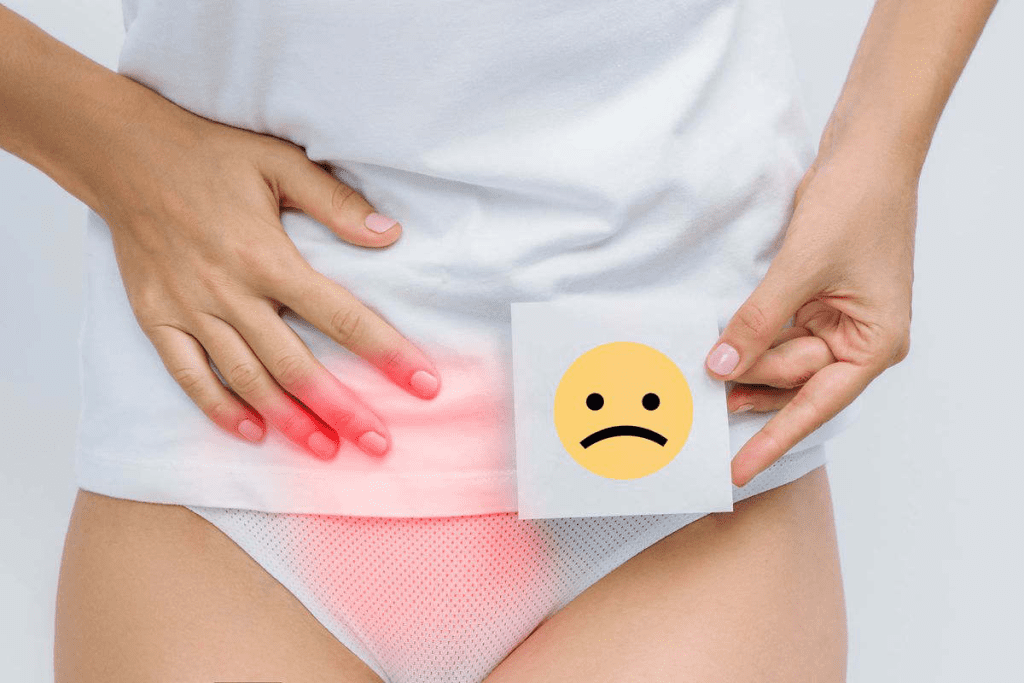
Keeping your bladder healthy is key to feeling good. It holds urine until you’re ready to go. Urine comes from our kidneys, which clean our blood. Natural methods and drinks recommended for flushing the bladder and improving your ability to know how to make yourself pee.
Flushing your bladder naturally is easy and works well. Drinking more water helps get rid of bad stuff in your urinary tract. We’ll look at ways to stay hydrated and eat right for your bladder.
Using these natural ways can help your bladder and cut down on meds. At Liv Hospital, we aim to give you top-notch health advice for your bladder.
Key Takeaways
- Drink plenty of water to flush out bacteria and toxins
- Maintain a healthy diet to support urinary health
- Consider bladder irrigation methods for added benefits
- Reduce reliance on medications with natural approaches
- Consult healthcare professionals for personalized guidance
Understanding Bladder Health and Why Flushing Matters
Keeping your bladder healthy is key to feeling good. It’s important to know how it works. Our bladder helps get rid of waste from our bodies.
The Function of Your Bladder in the Urinary System
The bladder is a muscular organ that holds urine from the kidneys. When it’s full, it sends signals to the brain. This tells us it’s time to go.
The bladder can hold about 1 1/2 to 2 cups of urine. When we pee, the bladder contracts. A muscle opens, letting urine out.
Knowing how the bladder works shows why it’s vital to keep it healthy. A healthy bladder helps avoid urinary issues like infections and incontinence.
Signs Your Bladder Needs Flushing
There are signs your bladder might need flushing. These include:
- Frequent urination
- Pain or discomfort while urinating
- Cloudy or strong-smelling urine
- Blood in the urine
If you see these signs, your bladder might need flushing. This can remove harmful substances and bacteria.
Recognizing these signs helps you take care of your bladder. In the next section, we’ll talk about how staying hydrated can help flush your bladder naturally.
Hydration: The Simplest Way to Flush Your Bladder
Staying hydrated is key to a healthy bladder and regular urination. Drinking enough water helps remove bacteria and toxins from your urinary system. This reduces the risk of infections and other problems.
How Much Water Is Enough?
The amount of water you need depends on your age, sex, weight, and how active you are. Most people should drink at least eight 8-ounce glasses of water a day. This is called the “8×8 rule.” But some might need more or less water based on their situation.
For example, athletes or those who do a lot of physical activity might need to drink more water. People living in hot places also need to drink more to stay hydrated.
Timing Your Fluid Intake for Optimal Results
It’s not just how much water you drink that matters, but when you drink it, too. Drinking water all day keeps your hydration levels steady. Drinking water at certain times, like when you wake up or before meals, can help with digestion and boost your metabolism.
If your urine is clear but you don’t drink much water, remember that clear urine is good. But it’s also important to drink water regularly all day. If you’re having trouble peeing, drinking more water can help. This is a way to make yourself urinate or pee faster.
Natural Methods to Make Yourself Pee When Needed
When nature calls but you can’t answer, there are natural ways to help. These methods are great when you’re having trouble peeing. We’ll look at each method’s effectiveness and how to use it safely.
The Running Water Technique
The running water technique is simple and effective. The sound of running water tricks your brain into thinking it’s time to pee. To try it, turn on a faucet or play a recording of running water. It works because our brain can learn to respond to sounds.
Gentle Pressure Methods
Gentle pressure on certain areas can also help. Pressing gently on your lower abdomen can stimulate your bladder. Another method is to massage the bladder area in a circular motion. These can be good when you need to pee but can’t start.
- Gently press on your lower abdomen to stimulate bladder muscles.
- Massage the area over your bladder in a circular motion.
Temperature Changes to Stimulate Urination
Temperature changes can also help. A warm bath or shower can relax your muscles and help you pee. On the other hand, a cold compress on your bladder can stimulate it to pee. But be careful not to get too hot or cold.
While these methods are helpful, holding your pee too long can be risky. Is it bad to hold your pee? Yes, it can cause discomfort and even serious urinary problems. If you often struggle to pee or hold it, see a doctor.
Powerful Natural Diuretics for Bladder Cleansing
To keep your bladder healthy, try natural diuretics that help you pee more. These can be great for women with bladder issues. They make sure urine flows well and get rid of toxins.
Herbal Teas That Promote Urination
Herbal teas have been around for ages to help with urinary health. Dandelion, green tea, and Uva Ursi tea are top choices. They boost urine production and offer extra health perks like antioxidants.
Dandelion tea is a strong diuretic. Drinking it daily can help your bladder. Always pick organic, high-quality teas and follow the brewing instructions.
Fruits and Vegetables with Diuretic Properties
Some fruits and veggies can also help you pee more. Watermelon, cucumber, and celery are good examples. You can add them to meals or eat them as snacks.
Eating a diet full of fruits and veggies is good for your bladder. It also boosts your overall health. If you’re looking to stop peeing so much, these foods can help regulate your bladder over time.
Natural Supplements for Urinary Health
There are also natural supplements for urinary health. Cranberry extract, natural diuretics, and probiotics are good options. They help keep your bladder healthy and promote regular urination.
When picking supplements, choose reputable brands. Talk to a healthcare professional to find the best ones for you. This is key if you’re looking to address how to hold your pee or other urinary problems.
Bladder Irrigation: Research-Backed Flushing Methods
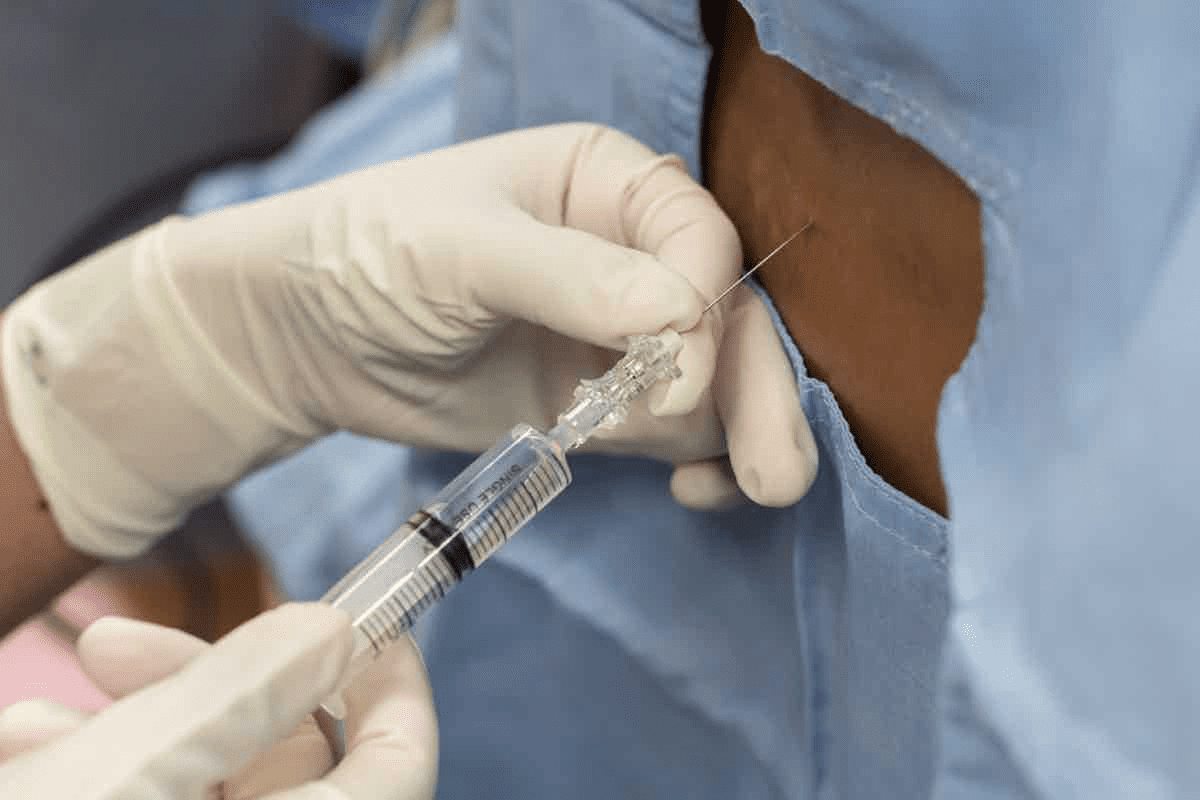
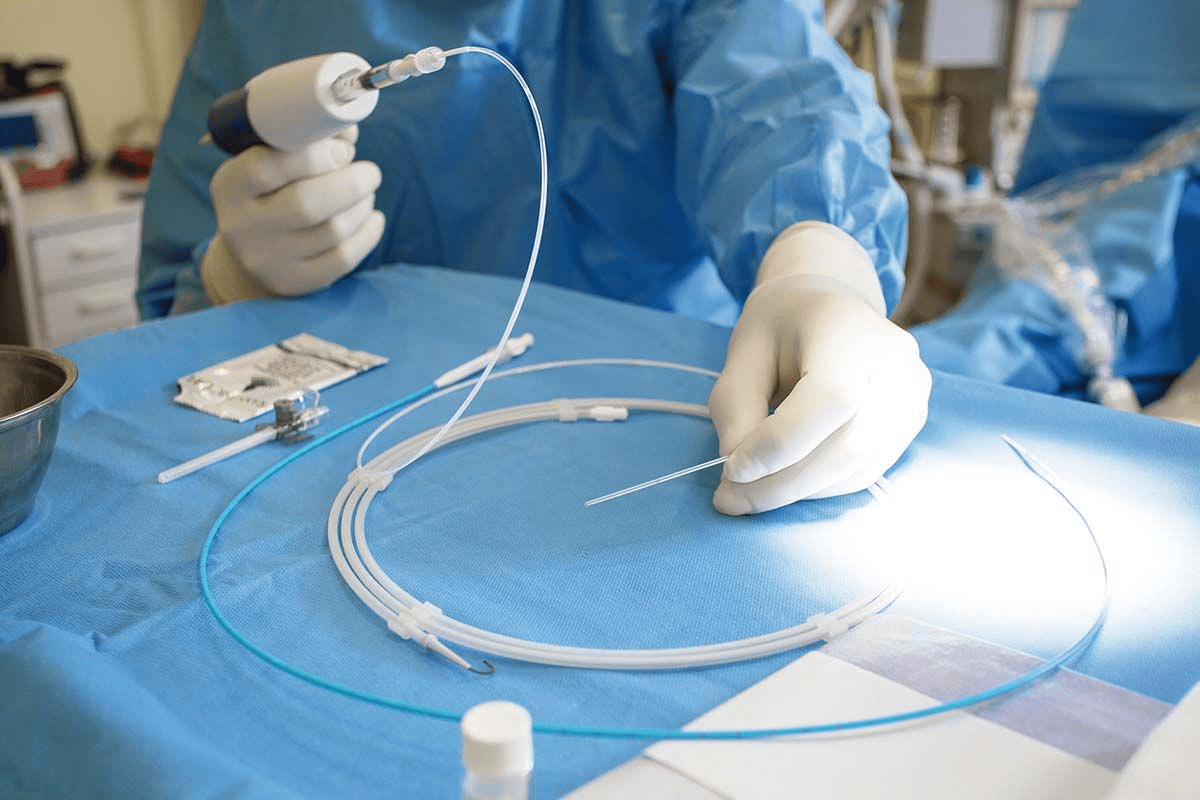
Bladder irrigation cleanses the bladder with a sterile solution. It’s backed by research for treating urinary health issues. This method is key for those with urinary issues, like catheter-associated urinary tract infections (CAUTIs).
Studies show bladder irrigation helps reduce symptoms and antibiotic use in CAUTI patients. Saline solutions and tap water are the most commonly used for irrigation.
Saline Solutions vs. Tap Water: Effectiveness Comparison
Research finds both saline solutions and tap water work well for irrigation. The choice depends on the condition and the patient’s health.
“Saline solution is often preferred because it’s isotonic. It’s less likely to irritate or disrupt the bladder,” a study on urinary tract infections says.
Hydrogen Peroxide Irrigation for Stubborn Bladder Clots
Hydrogen peroxide irrigation is used for stubborn bladder clots. It uses a diluted hydrogen peroxide solution to dissolve clots and clean the bladder.
But, hydrogen peroxide irrigation needs caution and medical supervision. It can cause bladder irritation or other issues.
Medical Supervision Requirements for Bladder Irrigation
Bladder irrigation must be done under medical supervision. This ensures safety and effectiveness, reducing complication risks.
- Proper technique and sterile equipment are key to preventing infections.
- Patients should be watched for signs of complications, like bleeding or severe pain.
- The irrigation frequency and duration should match the patient’s needs.
Understanding bladder irrigation methods helps healthcare providers offer better treatments for urinary health issues.
Lifestyle Changes to Support Healthy Bladder Function
Living a healthy lifestyle is key to a healthy bladder. Making a few simple changes can greatly improve your bladder health and overall well-being.
Urination Habits That Promote Bladder Health
Good urination habits are vital for a healthy bladder. This includes:
- Responding to the urge to urinate in a timely manner, instead of delaying.
- Emptying your bladder completely when you urinate to prevent bacterial buildup.
- Urinating after intercourse helps flush out bacteria that may have entered the urinary tract.
Avoiding Bladder Irritants
Some foods and drinks can irritate the bladder, making issues like incontinence or frequent urination worse. Common irritants include:
- Caffeine and alcohol can stimulate the bladder.
- Spicy foods and artificial sweeteners, which some people find irritating.
- Acidic foods like citrus fruits and tomatoes.
Staying away from these irritants can help ease bladder discomfort.
Physical Activities That Support Urinary Health
Regular physical activity improves overall health and supports bladder function. Recommended activities include:
- Kegel exercises to strengthen the pelvic floor muscles.
- Low-impact aerobics like walking or swimming.
- Yoga and other flexibility exercises can help improve bladder control.
By making these lifestyle changes, individuals can promote healthy bladder function and lower the risk of bladder-related issues.
When to Seek Medical Help for Bladder Issues
Natural methods can help with bladder issues. But sometimes, you need medical help. Knowing when to ask for help is key.
Warning Signs That Natural Methods Aren’t Enough
Look out for these signs to know when to see a doctor:
- Persistent pain or discomfort in the lower abdomen
- Frequent or recurring urinary tract infections (UTIs)
- Difficulty starting or stopping the flow of urine
- Blood in the urine or semen
- Inability to empty the bladder completely
These symptoms suggest you might need medical care. If your symptoms last more than a few days or keep coming back, see a doctor.
Treatment Options When Self-Care Isn’t Working
When natural methods don’t work, there are other options. These include:
- Antibiotics for UTIs or bacterial infections
- Medications to relax the bladder muscle or improve urine flow
- Surgical procedures to correct anatomical issues or remove blockages
- Physical therapy to strengthen pelvic floor muscles
Talking to a healthcare provider is important. They can find the best treatment for you. They’ll help you understand your bladder issues and suggest the right therapy.
Learning how to pee faster is just part of bladder health. It’s also about knowing when to get medical help and what treatments are out there.
Conclusion: Maintaining Long-Term Bladder Health Naturally
To keep your bladder healthy for a long time, you need to drink plenty of water. You should also try natural ways to make yourself pee, eat right, and live a healthy lifestyle. These steps help keep your bladder and overall health in top shape.
Eating a balanced diet is key. Include lots of veggies, fruits, and whole grains. This diet helps avoid weight gain, which can lead to bladder issues. Drinking enough water is also vital. It helps remove toxins and keeps your urinary system healthy.
There are natural ways to help your bladder, like the running water trick or gentle pressure. Adding herbal teas and foods that help you pee more to your diet can also help. These small changes can greatly improve your bladder health and lower the chance of urinary problems.
By following the tips in this article, you can keep your bladder healthy. We suggest adding these natural methods and healthy habits to your daily life. This will support your bladder health for the long term.
FAQ
How do I make myself urinate when I’m having trouble?
Try the running water technique, gentle pressure, or temperature changes. These natural methods can help when you’re having trouble peeing.
How much water should I drink to help flush my bladder?
Drinking the right amount of water is key to bladder health. We talk about how much fluid you should drink and when to help flush your bladder.
Are there any natural diuretics that can aid in bladder cleansing?
Yes, herbal teas, fruits, and vegetables have diuretic properties. They can help promote urination and support urinary health. We explore these natural diuretics and how to add them to your diet.
Is it bad to hold your pee for an extended period?
Holding your urine for too long can lead to urinary tract infections and other complications. We discuss the risks and the importance of good urination habits.
What are the signs that my bladder needs flushing?
We outline symptoms like difficulty urinating or recurrent infections. Recognizing these signs can help you take action to support your bladder health.
Can lifestyle changes really improve my bladder health?
Yes, making lifestyle adjustments can significantly improve your bladder health. Avoiding bladder irritants and engaging in physical activities that support urinary health are key.
When should I seek medical help for bladder issues?
If you experience persistent or severe symptoms, seek medical attention. We discuss warning signs and treatment options available.
How can I stop peeing so much?
We provide guidance on managing urinary frequency. Discussing lifestyle changes and natural methods can help regulate your urination.
What are some bladder irrigation methods, and are they effective?
Bladder irrigation can be effective using solutions like saline or tap water. We examine different methods and their effectiveness, as well as the importance of medical supervision.
Can clear urine indicate good hydration, even if I don’t drink much water?
Clear urine can be a sign of good hydration, but it’s influenced by other factors. We discuss the relationship between urine color, hydration, and overall bladder health.
References
- Hakam, N., Guzman Fuentes, J. L., Nabavizadeh, B., et al. (2024). Outcomes in randomized clinical trials testing changes in daily water intake: A systematic review. JAMA Network Open, 7(11), e2447621. https://jamanetwork.com/journals/jamanetworkopen/fullarticle/2827021
- Zhang, J., Wu, Q., Yi, C., et al. (2023). Bladder irrigation with tap water to reduce antibiotic treatment for catheter-associated urinary tract infections: evidence from urology. Frontiers in Urology. https://www.frontiersin.org/articles/10.3389/fruro.2023.1172271/full
- Atkins, L., Sallis, A., Chadborn, T., et al. (2020). Reducing catheter-associated urinary tract infections: a systematic review of barriers and facilitators and strategic behavioural analysis of interventions. Implementation Science, 15, 44. https://implementationscience.biomedcentral.com/articles/10.1186/s13012-020-01001-2