Last Updated on November 25, 2025 by
Getting ready for a urology ultrasound is key for getting accurate results and feeling comfortable. We’ll show you how to prepare well for this test. This helps in spotting problems with the urinary tract.
It’s important to have a full bladder for the test. This lets doctors see the bladder’s shape and thickness clearly. Recent rules say some people might need special prep. For more info, check out our guide on how to prepare for a bladder ultrasound.
Key Takeaways
- Arrive at the ultrasound clinic 15 minutes before your appointment.
- Drink one liter or 32 ounces of water 30 minutes before your ultrasound appointment.
- Wear comfortable clothing and take any prescribed medication as directed.
- For individuals with a bladder catheter, clamp the catheter one to two hours before the appointment.
- You can eat as you usually would on the day of your ultrasound appointment.
Understanding Bladder Ultrasound and Its Purpose
To understand the importance of a bladder ultrasound, we need to know what it is and why it’s used. This procedure uses sound waves to create images of the urinary tract. It’s a key tool in diagnosing urological issues.
What is a Urology Ultrasound?
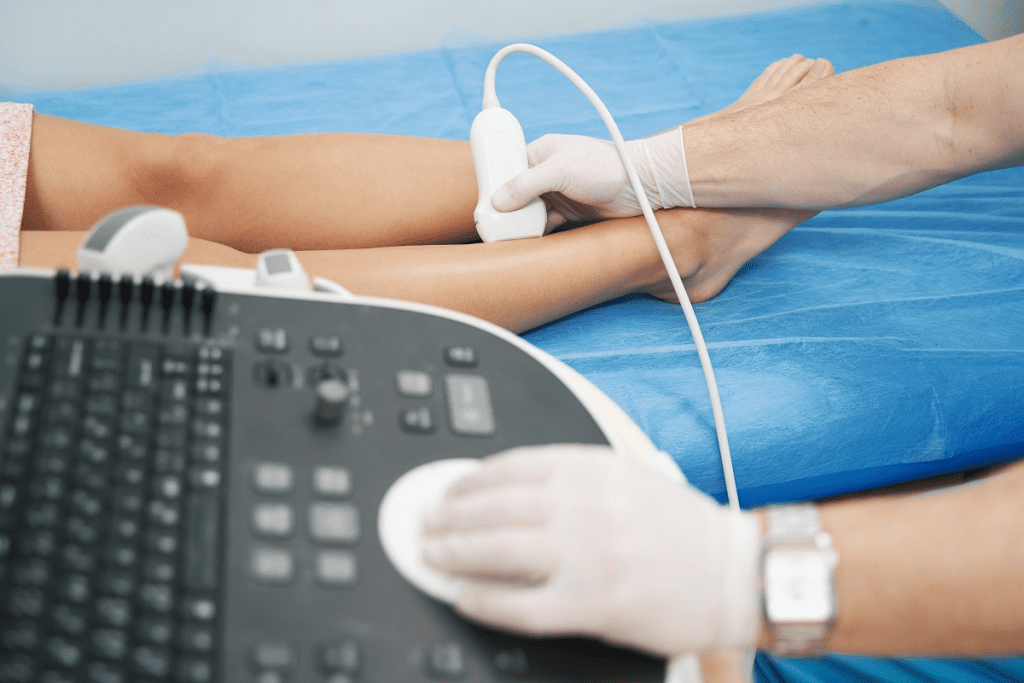
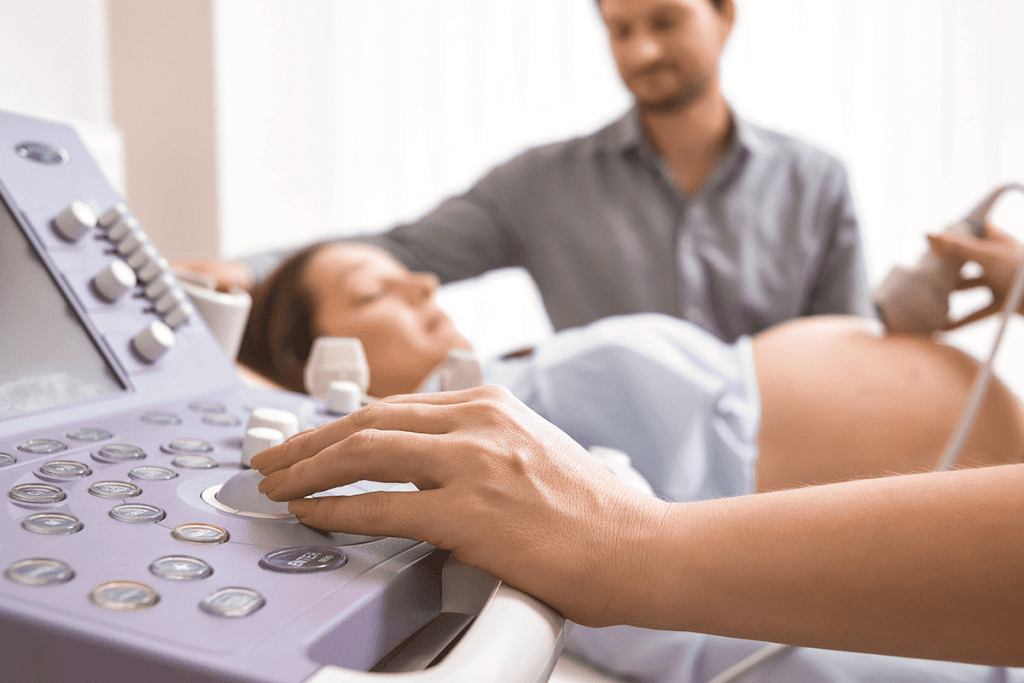
A urology ultrasound, or bladder sonogram, is a non-invasive test. It helps see the bladder and other parts of the urinary system. It’s used to find problems like stones, cysts, and tumors.
During the test, a device sends sound waves that bounce off organs. These waves are turned into images on a screen. This gives doctors important information about the urinary tract.
Common Reasons for Undergoing This Procedure
People get a urology ultrasound for many reasons. Symptoms like urinary tract infections or blood in the urine are common. The test helps find the cause of these symptoms and plan treatment.
A full bladder for a sonogram is often needed. It makes the images clearer. Knowing why a full bladder is required for an ultrasound helps patients prepare better.
Urology ultrasound is a safe way to diagnose and manage urological issues. It’s a key part of urological care. It helps doctors make the best treatment plans for patients.
The Full Bladder Requirement: Why It’s Essential
For some urology ultrasounds, a full bladder is not just a good idea, it’s essential. This is because it greatly helps in getting accurate results. We’ll see how a full bladder makes the ultrasound better and why it’s key to getting ready.
Diagnostic Accuracy with a Full Bladder
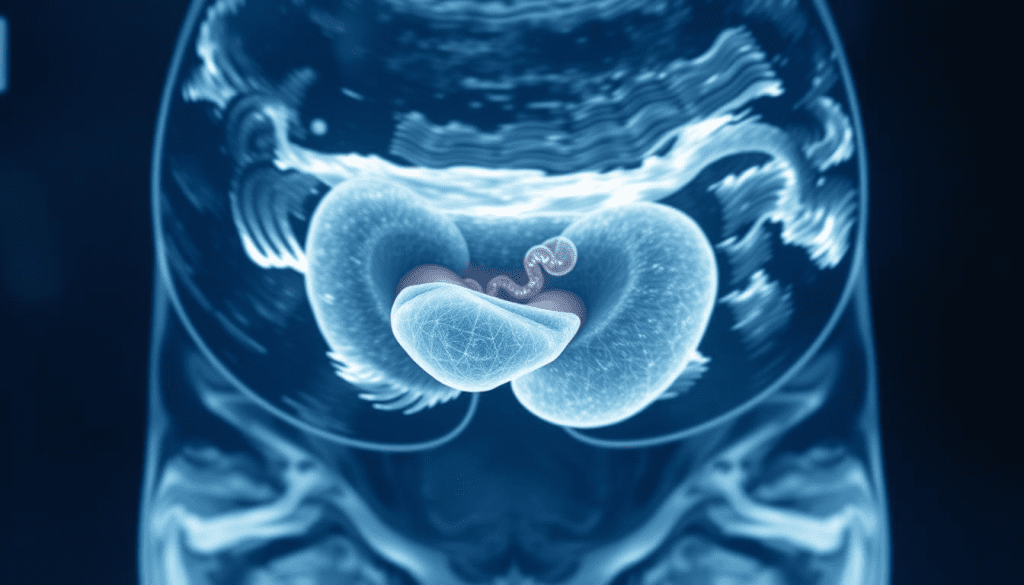
A full bladder makes it easier to see the pelvic organs clearly. The fluid in the bladder acts like a contrast agent. This helps in seeing the bladder’s shape and the areas around it better.
With a full bladder ultrasound, you can see the bladder wall’s thickness and any odd shapes. This is very important for spotting problems in the bladder or nearby areas.
Visualizing Bladder Contour and Wall Thickness
A full bladder helps in checking the bladder’s shape and wall thickness more accurately. When the bladder is full, it’s easier to spot any oddities in the wall. These could mean there’s a problem.
Also, a full bladder lets us see how well the bladder can hold and empty. This is key for finding and treating urinary issues.
Exceptions to the Full Bladder Rule
Even though a full bladder is usually needed for renal ultrasound prep and other urology scans, there are times when it’s not. Some patients with certain health issues or who are undergoing specific scans might not need it.
It’s very important for patients to listen to their healthcare provider’s specific instructions. The prep needs can change based on the patient’s situation and the type of scan.
Step-by-Step Preparation for Your Bladder Ultrasound
Getting ready for a bladder ultrasound is important for good results. Drinking enough water is key. We’ll help you get ready for your visit.
Hydration Instructions: When and How Much to Drink
Drinking water is a big part of getting ready for a bladder ultrasound. You should drink one liter or 32 ounces of water 30 minutes before your appointment. Don’t empty your bladder until the exam is over. This makes sure your bladder is full for clear images.
Some people wonder if they can eat before an ultrasound. Usually, you can eat, but always check with your doctor. They might have special rules for eating before your test.
Timing Your Water Intake: The 1-2 Hour Rule
Drinking water at the right time is important for a good ultrasound. The 1-2 hour rule is often suggested. It helps your bladder fill up without being too uncomfortable.
Always ask your doctor for specific advice on when to drink. They know what’s best for you.
Managing Discomfort While Waiting with a Full Bladder
It’s important to feel comfortable while waiting with a full bladder. Try to relax and breathe slowly. Arriving early can also help you wait less.
Knowing how long ultrasounds take can help you relax. Ultrasound procedures are usually quick. But, you might spend more time at the facility because of check-in and prep.
By following these tips, you can have a smooth ultrasound experience. If you have any questions, always ask your healthcare provider for help.
What to Wear and Bring to Your Ultrasound Appointment
To make your ultrasound experience as comfortable as possible, we recommend wearing certain types of clothing and arriving prepared with necessary information.
Recommended Clothing for Easy Access
On the day of your urology ultrasound, it’s advisable to wear comfortable clothing that allows easy access to the area being scanned. Wear loose-fitting clothes that can be easily adjusted or removed to expose the abdominal area. For a bladder ultrasound, you may not need to undress completely, but wearing clothes that can be easily moved out of the way is helpful.
Important Documents and Information to Bring
When attending your ultrasound appointment, it’s essential to bring any relevant medical records or previous ultrasound images. This information can provide valuable context for the healthcare professionals conducting the ultrasound, ensuring a more accurate diagnosis. Also, bring your identification, insurance cards, and any relevant medical history. If you’re unsure about what to bring, you can always check our guide on ultrasound preparation for more detailed information.
How Long Do Ultrasounds Take: Planning Your Visit
The duration of an ultrasound can vary depending on the complexity of the examination and the specific requirements of your healthcare provider. Generally, a bladder ultrasound takes between 15 and 30 minutes. We recommend arriving at least 15 minutes before your scheduled appointment time to complete any necessary paperwork and get settled. This way, you can plan your visit and minimize any waiting time. It’s also worth noting that you can usually eat before an ultrasound, but it’s always best to follow any specific instructions provided by your healthcare provider regarding food and drink intake before the procedure.
Special Preparation Instructions for Different Patient Groups
Preparing for a urology ultrasound changes a lot for different people. We need to make our instructions fit each patient’s needs. This way, we can make sure the test goes well.
Preparation for Pediatric Patients: Distraction Techniques
Getting kids ready for a urology ultrasound is special. We use fun toys and games to keep them calm. It’s also important to make sure they have a full bladder. We give parents special tips on how to help with this.
Adjustments for Elderly or Mobility-Impaired Patients
Older or mobility-impaired patients need special care. It can be hard for them to keep their bladder full. So, we give them detailed advice on drinking water and help with how they sit during the test.
High-Risk Patients: Individualized Protocols Based on New Guidelines
Patients at high risk need a special plan. Our team works with them to make a plan that fits their needs. This might mean managing their bladder, changing their medicine, or taking other steps. We aim to make sure they are comfortable and the test is accurate.
We try to meet the unique needs of every patient. This makes the urology ultrasound better for everyone. Our goal is to give care that is kind and meets the needs of our patients from all over the world.
Conclusion: What to Expect During and After Your Urology Ultrasound
Getting ready for your urology ultrasound can make you feel less nervous. We’ve shown you how to get ready, like making sure your bladder is full. This is key for a good ultrasound.
The ultrasound usually takes 30 minutes to an hour. You’ll get your results in 48 hours after. Our team offers top-notch care and support for international patients. We aim to make your experience as smooth as possible.
Knowing what to expect can make you feel more at ease. If you have questions or worries, our team is ready to help. We’re here to support you every step of the way.
FAQ
What is a urology ultrasound?
A urology ultrasound uses sound waves to create images of the urinary tract. It helps diagnose and monitor bladder and kidney issues.
Why is a full bladder required for a urology ultrasound?
A full bladder is key for clear images of the bladder. It helps spot problems like tumors or structural issues.
Can I eat before an ultrasound?
Usually, you don’t need to follow a special diet before an ultrasound. Just listen to what your doctor says.
How much water should I drink before a bladder ultrasound?
Drink 1-2 hours of water before your ultrasound. This helps ensure your bladder is full.
What should I wear to my ultrasound appointment?
Choose comfy clothes that let the technician easily access the area. This makes the ultrasound easier.
How long does an ultrasound procedure take?
An ultrasound usually takes 15-30 minutes. It depends on the type and how detailed it is.
Are there any special preparation instructions for pediatric patients?
Yes, kids might need help staying calm. Talk to your doctor about how to prepare them.
Do high-risk patients require special preparation for a urology ultrasound?
Yes, high-risk patients need special care. Your doctor will give you specific instructions based on your situation.
What documents should I bring to my ultrasound appointment?
Bring any medical records, ultrasound images, and ID. This helps your doctor have all the info they need.
Can I undergo a urology ultrasound with a urinary tract infection?
It’s best to check with your doctor first. A UTI might change how the ultrasound works or what you need to do.
References
- Tran, L. N. (2024). Urinary Incontinence. In StatPearls [Internet]. StatPearls Publishing. https://www.ncbi.nlm.nih.gov/books/NBK559095/