
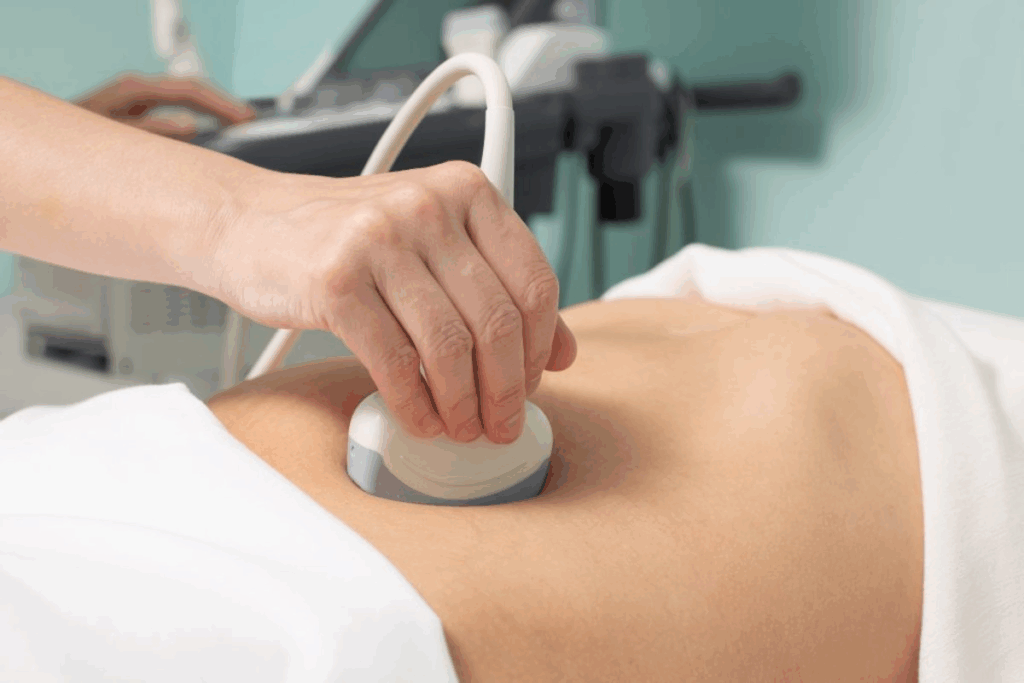
Advanced diagnostic techniques have changed healthcare a lot. They help us make accurate diagnoses and create good treatment plans. We use non-invasive imaging to see inside the body. This makes patients more comfortable and reduces risks.
We have the latest technology for precise diagnoses. Our team is experienced and dedicated to giving the best care. We focus on making sure our diagnostic methods are both effective and comfortable for our patients.
Common Bladder Issues and Their Causes

Bladder problems can really affect how well you live. Knowing what causes them and their symptoms is key to managing them well.
Understanding Bladder Issues
The bladder is a complex organ. It can get affected by many conditions. This leads to discomfort, pain, and trouble with urination.
| Condition | Description |
| Urinary Tract Infections (UTIs) | Bacterial infections that can cause burning during urination and frequent urination. |
| Overactive Bladder | A condition characterized by a sudden, intense urge to urinate. |
| Bladder Stones | Hard mineral deposits that can cause severe pain and difficulty urinating. |
It’s important to know the symptoms and causes of these conditions. This helps you find the right medical care.
Managing Bladder Health
Keeping your bladder healthy is essential for a good life. Knowing how to manage your bladder and making small changes can greatly improve your health.
| Tip | Description |
| Maintain a healthy weight | Reduces pressure on the bladder |
| Stay hydrated | Drink plenty of water throughout the day |
| Exercise regularly | Improves overall health and strengthens pelvic floor muscles |
By following these simple tips, you can manage your bladder health better. This can greatly enhance your life quality.
Symptoms and Diagnosis
It’s important to know the signs of bladder problems early. Symptoms include needing to pee a lot, feeling pain while you pee, and seeing blood in your urine.
| Symptom | Description |
| Frequent Urination | Needing to urinate more often than usual. |
| Painful Urination | Experiencing pain while urinating. |
| Blood in Urine | Presence of blood in the urine, which can be a sign of a serious underlying condition. |
Getting a diagnosis and treatment early can make a big difference. If you notice any of these symptoms, see a doctor right away.
Treatment Options
There are many ways to treat bladder problems. These include medicines, changes in lifestyle, and other therapies. It’s important to know why you have the problem to find the best treatment.
By talking to a healthcare provider, you can create a plan that works for you. This plan can help you manage your condition and feel better overall.
Prevention Strategies
Keeping your bladder healthy is important for your overall well-being. Simple habits can greatly lower the risk of bladder issues.
Maintaining a Healthy Lifestyle is essential. Drinking lots of water helps remove toxins from your urinary tract. Aim for at least eight glasses a day, but adjust based on your activity and climate.
Pelvic floor exercises, or Kegels, strengthen bladder muscles. They improve bladder control. Do these exercises daily, if you’re at risk due to pregnancy or childbirth.
Dietary Changes are also key. Stay away from caffeine, alcohol, and spicy foods to avoid bladder irritation. Eat a diet full of fruits, veggies, and whole grains for better urinary health.
Also, good hygiene practices are vital. Always wipe correctly and avoid harsh soaps or douches that can irritate your genital area.
- Drink plenty of water to stay hydrated
- Practice good hygiene to prevent infections
- Perform pelvic floor exercises to strengthen bladder muscles
- Avoid dietary irritants that can cause bladder issues
By following these tips, you can lower your risk of bladder problems. This helps keep your bladder healthy.
When to Seek Medical Attention
Understanding bladder health is key. Ultrasound plays a big role in diagnosing issues. It’s a non-invasive way to check the bladder and nearby areas.
Healthcare experts use ultrasound to spot problems early. This helps in starting treatment quickly. It leads to better patient results and care quality.
Regular visits and tests are important for bladder health. Knowing about ultrasound technology helps a lot. It’s a big part of keeping your bladder healthy.
Conclusion
Following a healthy lifestyle can greatly lower the risk of bladder problems. Eating well, drinking plenty of water, and keeping clean are key. Also, seeing a doctor regularly helps catch issues early.
Bladder health is a long-term effort that needs focus and dedication. By choosing wisely and caring for your bladder, you can live a better life.
FAQ
What is a bladder ultrasound?
A bladder ultrasound is a test that uses sound waves to see inside the bladder. It’s a non-invasive way to look at the bladder and the tissues around it.
Why is a bladder ultrasound performed?
This test helps find and track problems like urinary retention, bladder stones, and cancer. It’s used to diagnose and monitor these conditions.
What are the benefits of a bladder ultrasound?
It’s non-invasive, doesn’t use radiation, and shows real-time images. These benefits make it a safe and effective tool for doctors.
How do I prepare for a bladder ultrasound?
Arrive with a full bladder. Avoid certain foods or drinks beforehand. Wear comfy clothes.
Is a bladder ultrasound painful?
No, it’s not painful. A technician will apply gel and use a probe to get images. It’s quick and easy.
How long does a bladder ultrasound take?
It usually takes 15 to 30 minutes. This depends on the test’s complexity and your condition.
Can I eat before a bladder ultrasound?
Yes, you can eat before it. Just follow any instructions from your healthcare provider.
Are there any risks associated with a bladder ultrasound?
No, bladder ultrasounds are safe. They don’t pose any major risks.
References
- Benn, M., & Leslie, S. W. (2025). Ultrasound of the urinary tract. In StatPearls. StatPearls Publishing. https://www.ncbi.nlm.nih.gov/books/NBK535381/


 Departments
 Related Videos
 Our Doctors
 News
News